Every year, more than 500,000 Americans suffer an ischemic stroke. When a clot blocks blood flow to the brain, doctors race against time. Their mission is simple but urgent. Restore circulation before brain cells die. Yet saving a life in those critical moments can trigger something unexpected. Something that causes even more damage.
For decades, medical science has grappled with a cruel paradox. Restoring blood flow, while necessary, sets off a harmful chain reaction inside the brain. Cells die. Inflammation spreads. And patients who survive often face lasting disabilities that affect their ability to work, connect with family, and live independently.
Now, researchers at Northwestern University may have found a way to protect the brain during its most vulnerable moments. Their approach uses an injectable nanomaterial that can be delivered through a standard IV. No surgery required. No direct injection into the brain. Just a single dose given right after blood flow returns.
In preclinical tests on mice, the results were striking. But what makes these tiny molecules so special? And could they change how we treat stroke patients in the future?
When Saving a Life Creates New Problems
Ischemic stroke accounts for 80 percent of all strokes in America. A clot forms and blocks an artery feeding the brain. Brain tissue, starved of oxygen and nutrients, begins to die within minutes. Physicians respond by administering clot-busting drugs or surgically removing the blockage through a procedure called mechanical thrombectomy. Speed matters enormously. Every minute counts. But here lies a troubling truth that doctors have long understood.
Once blood flow returns, a process called reperfusion injury begins. Harmful molecules that accumulated during the blockage suddenly get released into the bloodstream. Inflammation kicks in. Immune cells rush to the area. What started as a rescue mission can become a second wave of destruction.
Many stroke survivors deal with significant disabilities that affect their quality of life for months or years afterward. Cognitive decline often sets in during the year following a stroke. Families face emotional and financial burdens. Communities absorb the costs of long-term care.
“Current clinical approaches are entirely focused on blood flow restoration,” said Dr. Ayush Batra, associate professor of neurology and pathology at Northwestern University Feinberg School of Medicine. “Any treatment that facilitates neuronal recovery and minimizes injury would be very powerful, but that holy grail doesn’t yet exist. This study is promising because it’s leading us down a pathway to develop these technologies and therapeutics for this unmet need.”
A Treatment Built on “Dancing Molecules”
Northwestern researchers developed their injectable therapy using something called supramolecular therapeutic peptides, or STPs. Samuel I. Stupp, a professor at Northwestern with appointments in materials science, chemistry, medicine, and biomedical engineering, pioneered the technology.
Back in 2021, Stupp’s lab published a study in the journal Science that captured widespread attention. Researchers had created a therapy that reversed paralysis in mice after severe spinal cord injury. A single injection at the injury site helped restore movement. Scientists nicknamed the treatment “dancing molecules” because of how the tiny structures behave.
What makes them dance? Stupp’s team tuned the collective motion of molecules so they can find and engage cellular receptors that are constantly moving. Think of it like a key that can wiggle and adjust until it fits the lock perfectly. Once connected, these molecules send signals that encourage nerve cells to repair themselves.
Nerve fibers called axons can grow again. Lost connections between nerve cells can be restored. Scientists call this process plasticity, meaning the brain and spinal cord can adapt and rebuild after injury.
But spinal cord treatment required a direct injection at the injury site. Stroke presents a different challenge. Surgeons cannot easily inject material directly into damaged brain tissue. Any treatment would need to travel through the bloodstream and somehow reach the brain on its own.
Getting Past the Brain’s Security System

For decades, a major obstacle has frustrated neuroscientists trying to develop brain therapies. A protective layer called the blood-brain barrier keeps most drugs and treatments from reaching brain tissue. What protects the brain from harmful substances also blocks potentially helpful ones.
Stupp’s team found a clever workaround. When physicians restore blood flow after a stroke, the blood-brain barrier becomes temporarily more permeable around the injured area. A brief window opens for potential treatment.
Researchers adjusted the concentration of their peptide assemblies, making them small enough to slip through. Once enough molecules cross into brain tissue, they can form larger structures called nanofibers that produce a more powerful effect.
“We chose for this stroke study one of the most dynamic therapies we had in terms of its molecular structure so that supramolecular assemblies would have a better probability of crossing the blood-brain barrier,” Stupp said.
Testing in Conditions That Mirror Real Treatment
For their preclinical study, published in the journal Neurotherapeutics, researchers created conditions in mice that closely resembled how stroke patients are actually treated.
First, they blocked blood flow to simulate a major ischemic stroke. After 60 minutes, they restored circulation, just as doctors do when treating patients. Immediately after reperfusion, mice received either the dancing molecules treatment through IV injection or a simple saline solution as a control.
Scientists then monitored the animals for seven days. Using advanced imaging techniques, including real-time intravital intracranial microscopy, they confirmed that the therapy reached the stroke injury site. Immune cells rushed to the damaged area, and the injected material successfully crossed into the brain tissue.
Compared to untreated mice, those receiving the therapy showed significantly less brain tissue damage. Signs of inflammation dropped. Evidence of excessive immune response decreased.
Equally important, researchers found no significant side effects. No toxicity in major organs. No signs that the immune system rejected the treatment. Screenings of the kidneys, liver, and spleen showed normal structure and function.
Fighting Fire While Rebuilding

What makes this therapy potentially valuable is its dual action. Stupp described how reperfusion creates a toxic environment in the brain.
“You get an accumulation of harmful molecules once the blockage occurs, and then suddenly you remove the clot and all those ‘bad actors’ get released into the bloodstream, where they cause additional damage,” Stupp said. “But the dancing molecules carry with them some anti-inflammatory activity to counteract these effects and at the same time help repair neural networks.”
So the treatment works on two fronts simultaneously. It calms the inflammatory response that causes secondary damage. And it sends regenerative signals that help neurons survive and rebuild connections.
Scientists observed that the therapy localized specifically to the injured hemisphere. Sham-treated mice showed no difference in distribution between brain hemispheres. But in stroke-affected animals, the material accumulated where damage occurred. It went exactly where it was needed.
Why Location Matters
Dr. Batra, who serves as co-director of the NeuroVascular Inflammation Laboratory at Northwestern and treats patients as a neurocritical care physician, emphasized the importance of targeted delivery.
When blood flow returns to a stroke-damaged region, that temporary opening in the blood-brain barrier creates an opportunity. Combine that natural window with molecules designed to cross barriers more easily, and something promising happens.
Previous versions of the dancing molecules therapy required direct injection at the injury site. Patients with spinal cord injuries could receive treatment through a targeted procedure. But for stroke patients, systemic delivery through an IV represents a major practical advance.
No brain surgery. No invasive procedures beyond standard stroke care. Just an additional injection that could potentially be given alongside existing treatments.
Applications Beyond Stroke
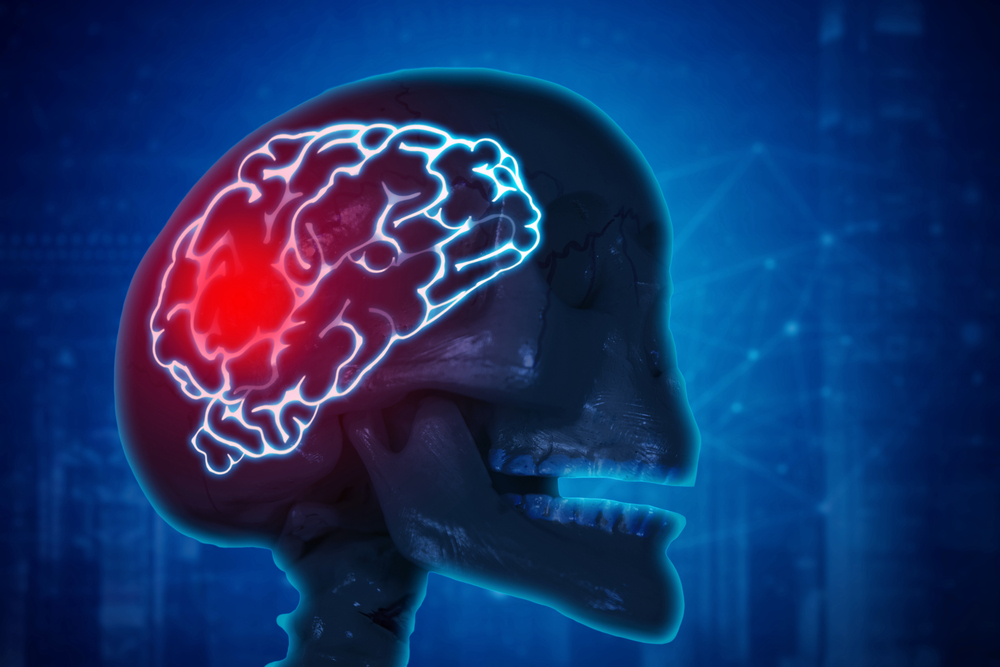
Researchers believe systemic delivery and blood-brain barrier crossing could open doors for treating other neurological conditions.
Traumatic brain injuries share some characteristics with stroke. Tissue damage, inflammation, and the need for repair signals all come into play. Neurodegenerative diseases like ALS involve progressive nerve damage that might benefit from regenerative therapies.
Stupp noted that demonstrating IV delivery in a stroke model expands possibilities considerably. A technology that once required surgical placement might now reach damaged tissue through the bloodstream alone.
What Comes Next
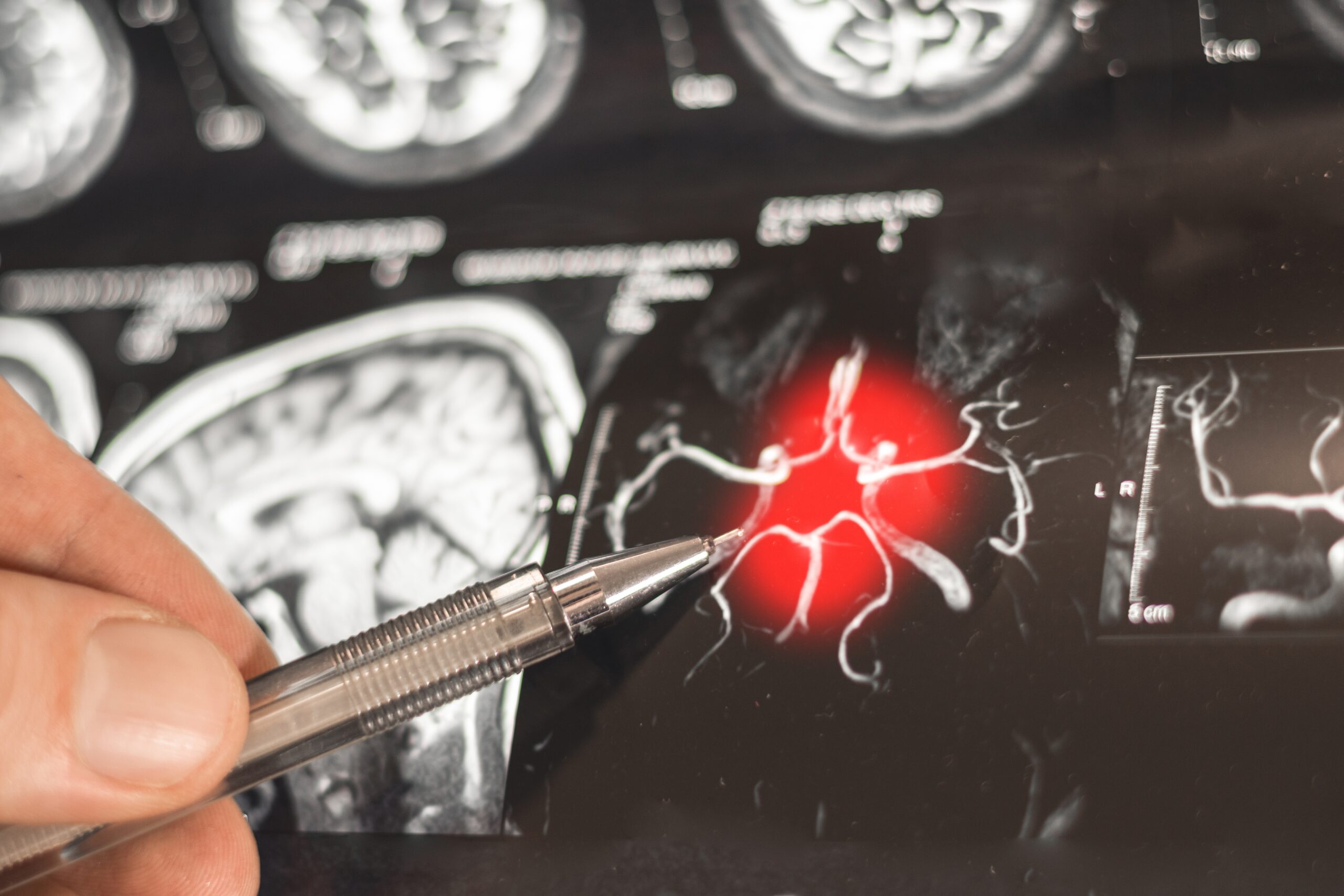
Despite promising results, important caveats remain. All testing so far has occurred in mice, not humans. Animal studies often produce results that do not translate directly to people. Many treatments that work in laboratory settings fail in clinical trials.
Longer-term studies will need to assess whether reduced brain damage leads to better functional recovery. In the current study, behavioral tests did not show significant differences between treated and untreated mice. Researchers acknowledge that murine models have limitations in measuring functional outcomes.
Many stroke patients experience cognitive decline throughout the year following their stroke. Determining whether this therapy can address that longer-term deterioration will require extended follow-up periods and more sophisticated testing methods.
Scientists are also interested in adding more regenerative signals to the therapeutic peptides. Different biological signals might produce even better outcomes. Future versions could be tailored for specific types of injuries or combined with other treatments.
Hope With a Healthy Dose of Caution
Stroke remains devastating for patients and families. Beyond the immediate crisis, survivors often face months or years of rehabilitation. Some never fully recover their independence. Current treatments save lives but cannot prevent all the damage that follows.
An injectable therapy that protects the brain during its most vulnerable window could change that equation. By calming inflammation and promoting repair simultaneously, dancing molecules offer a two-pronged approach that addresses unmet needs in stroke care.
Clinical trials in humans remain years away. Regulatory approval would require extensive safety and efficacy testing. But for a condition that affects hundreds of thousands of Americans annually and leaves many with lasting disability, even a promising preclinical study represents meaningful progress.
Researchers envision their therapy working alongside current treatments, not replacing them. Doctors would still restore blood flow as quickly as possible. But an additional IV injection might help protect brain tissue during recovery and support long-term healing.
For now, the dancing molecules continue their work in laboratory settings. Scientists refine their approach, test additional applications, and gather data needed for the next steps. Somewhere between a scientific breakthrough and a treatment that helps real patients lies a long road of careful research.
But for stroke survivors and their families, even distant hope matters. And these tiny, dynamic molecules have started dancing in a promising direction.