
For decades, pediatric brain cancer has remained one of medicine’s toughest battles. While remarkable advances have improved survival rates for many childhood cancers, aggressive brain tumors continue to claim far too many young lives. Families often face devastating news after diagnosis because available treatments rarely offer lasting success. Surgery is frequently impossible when tumors develop deep within delicate brain structures, while chemotherapy and radiation may only slow disease progression and often leave children with serious long-term complications. Even after intensive treatment, many aggressive tumors return, leaving doctors with few remaining options.
That reality may be starting to change. Researchers have reported encouraging early results from an experimental form of immunotherapy that trains a child’s own immune system to recognize and destroy brain cancer cells. In a first-of-its-kind clinical trial, several children with advanced brain tumors experienced remarkable responses after receiving a specially engineered T-cell treatment, with four remaining disease-free years after therapy. Although researchers caution that the treatment is still in its early stages and larger studies are needed, these findings represent an exciting step toward more targeted therapies that could improve survival while reducing many of the harsh side effects associated with conventional cancer treatments.
Why Pediatric Brain Tumors Remain One of Medicine’s Greatest Challenges
Brain tumors are now among the leading causes of cancer-related deaths in children because they present obstacles that few other cancers do. Unlike tumors that develop elsewhere in the body, cancers inside the brain are protected by the blood-brain barrier—a tightly regulated network of blood vessels that prevents harmful substances from entering the brain. While this barrier protects healthy brain tissue, it also blocks many chemotherapy drugs from reaching tumors in effective amounts.
Location presents another enormous challenge. Many childhood brain tumors grow in areas that control breathing, movement, speech, and other vital functions. Diffuse intrinsic pontine glioma (DIPG), one of the cancers included in the recent trial, develops within the brainstem, making surgical removal nearly impossible without causing catastrophic damage. Doctors are often forced to rely on radiation therapy to temporarily slow tumor growth rather than eliminate the disease altogether.
Adding to the difficulty, pediatric brain tumors are rarely made up of identical cancer cells. Instead, they contain multiple populations of cells that behave differently. A treatment capable of destroying one group of cancer cells may leave another untouched. Those surviving cells can continue growing, eventually causing the cancer to return. This biological diversity has been one of the biggest reasons why promising therapies often produce disappointing long-term results.
Existing treatments can also place a tremendous burden on young patients. Chemotherapy and radiation may affect developing brains, contributing to learning difficulties, hormonal problems, hearing loss, and other lifelong complications. Researchers have therefore been searching for treatments that destroy cancer cells more precisely while preserving healthy brain tissue and allowing children to maintain a better quality of life.
How CAR T-Cell Therapy Turns the Immune System Into a Cancer Fighter
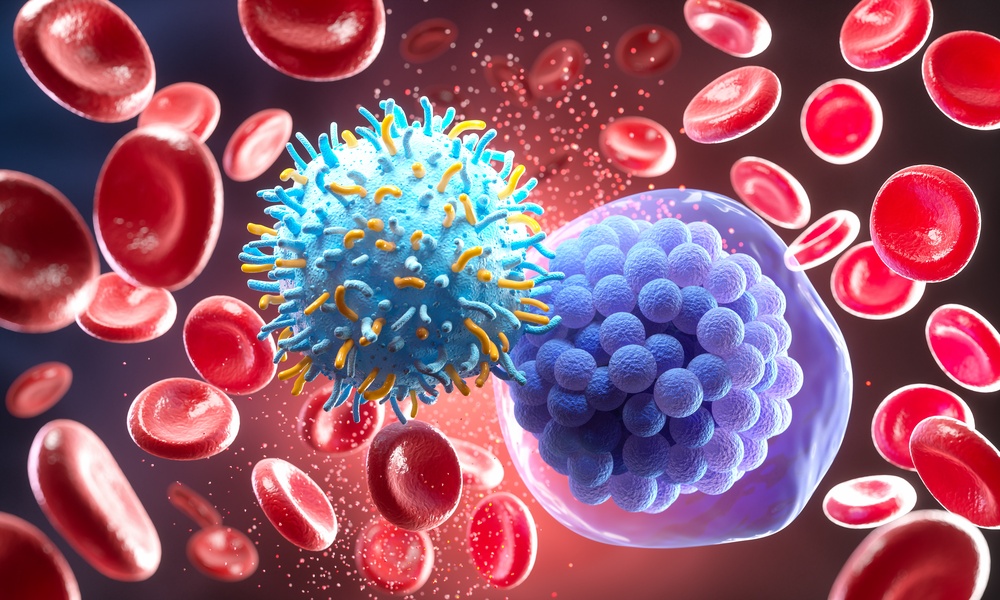
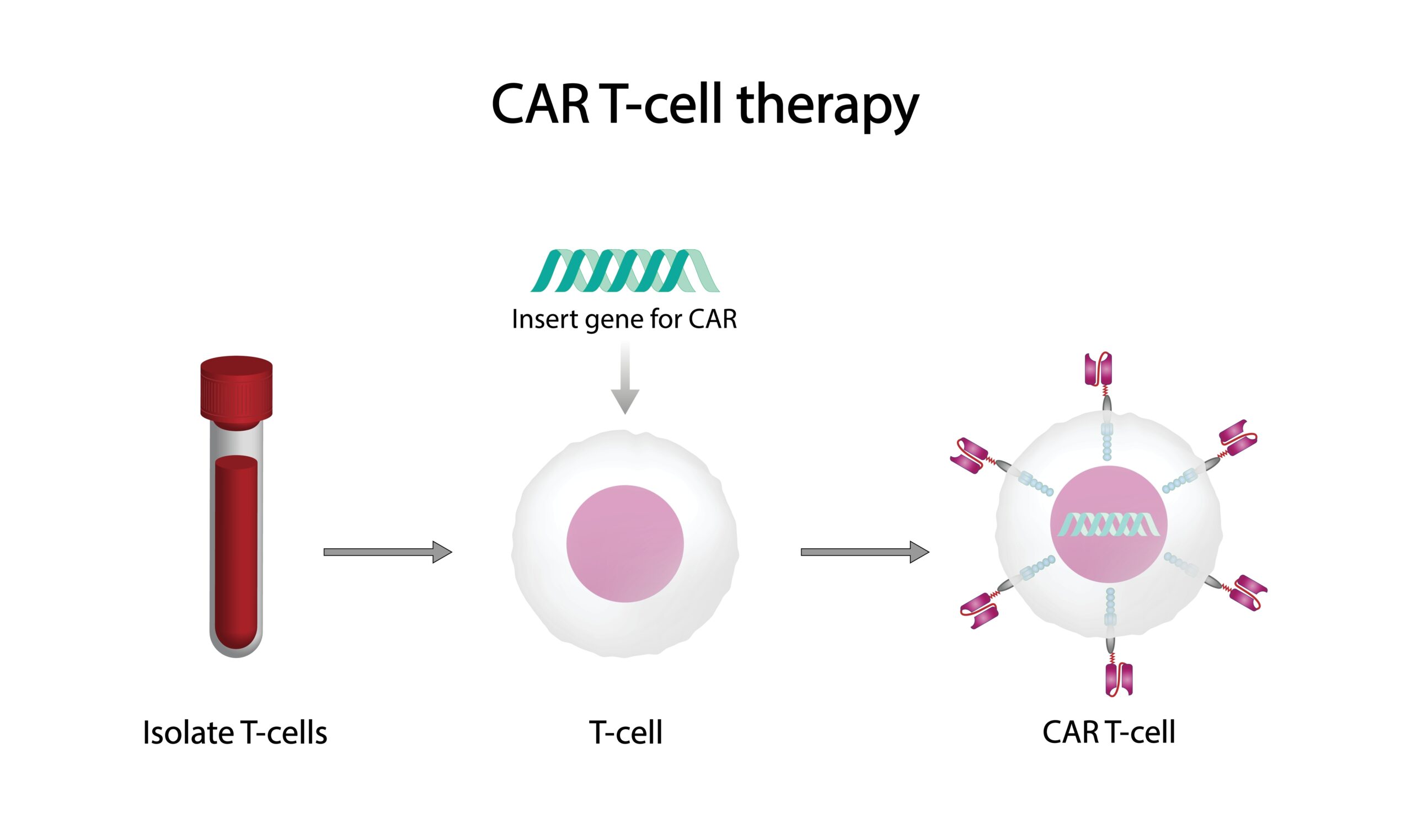
The experimental treatment belongs to a rapidly growing field known as CAR T-cell therapy, a form of immunotherapy that transforms the body’s own immune cells into cancer hunters. Rather than relying solely on drugs to attack tumors, scientists modify a patient’s immune system so it can recognize cancer cells that previously escaped detection.
The process begins by collecting T-cells, a type of white blood cell responsible for identifying and eliminating infected or abnormal cells throughout the body. Inside specialized laboratories, researchers introduce new genetic instructions into these cells using an inactive virus. These instructions teach the T-cells to recognize specific proteins found on cancer cells, converting them into what are known as chimeric antigen receptor (CAR) T-cells.
After engineering, the modified cells are multiplied until millions or even billions are available for treatment. They are then returned to the patient through an intravenous infusion. Once inside the body, these living cells continue searching for cancer, multiplying further when they encounter tumor cells and launching targeted attacks against them. Because the cells can persist in the body, they may continue providing surveillance long after treatment has ended, offering the possibility of longer-lasting protection than traditional therapies.
CAR T-cell therapy has already transformed treatment for several blood cancers, including certain leukemias and lymphomas, producing remarkable remission rates in patients who had exhausted other options. Applying the same approach to solid tumors, however, has proven far more difficult. Brain tumors create a hostile environment that suppresses immune activity, and identifying targets that distinguish cancer cells from healthy brain tissue has remained a major scientific challenge. These obstacles have delayed the success of CAR T-cell therapies for pediatric brain cancers until now.

A New Strategy That Targets Brain Tumors From Multiple Angles
One of the most innovative aspects of the new clinical trial was the decision to attack several tumor targets simultaneously instead of relying on a single marker. Researchers designed the engineered T-cells to recognize three proteins commonly found on pediatric brain tumors: WT1, PRAME, and Survivin. These proteins are frequently expressed by aggressive childhood brain cancers but are much less common in healthy tissues, making them attractive targets for immunotherapy.
This multi-target approach addresses one of the biggest reasons cancer treatments fail. Tumors are constantly evolving. If therapy focuses on only one protein, cancer cells lacking that particular marker may survive and eventually dominate the tumor once treatment has eliminated their competitors. By recognizing three different proteins at once, the engineered immune cells have a much better chance of finding and destroying diverse populations of cancer cells before resistance develops.
Researchers also reported encouraging safety findings during the trial. Unlike many intensive cancer treatments that can severely affect daily life, the therapy appeared capable of generating anti-tumor activity while preserving patients’ quality of life. According to the investigators, attacking multiple targets simultaneously produced meaningful immune responses without introducing unexpected safety concerns, an encouraging sign for future research involving children with advanced brain tumors.
What These Early Results Could Mean for Children and Their Families
The clinical trial enrolled children with aggressive brain cancers that had either returned after treatment or were considered extremely difficult to cure using existing therapies. These included diffuse intrinsic pontine glioma (DIPG) and relapsed central nervous system tumors, diseases that often leave families with limited treatment options and poor long-term survival rates. For many participants, standard therapies had already been exhausted, making the experimental treatment a final opportunity to slow or stop the disease.
The findings offered reasons for cautious optimism. Researchers reported that several children experienced measurable anti-tumor responses after receiving the engineered T-cells. Most remarkably, four patients remained disease-free years after treatment. While the study involved only a small number of participants and was primarily designed to evaluate safety, these durable responses are especially meaningful because long-term remission is uncommon in many of these aggressive pediatric brain cancers.
The treatment also appeared to preserve quality of life while stimulating the immune system to attack tumors. This is particularly important for children, whose developing brains are highly sensitive to the side effects of conventional therapies. Although every cancer treatment carries potential risks, therapies that can reduce damage to healthy tissues while maintaining effectiveness represent an important goal in pediatric oncology.
For families facing a devastating diagnosis, these findings provide something that has often been in short supply: evidence that new approaches are beginning to challenge diseases once considered nearly impossible to treat. Researchers emphasize that the therapy remains experimental, but its early success demonstrates that the immune system may become one of the most powerful tools available against childhood brain cancer.
Why More Research Is Still Essential
Despite the encouraging outcomes, scientists stress that this therapy is not yet ready to become standard treatment. Early-phase clinical trials are designed primarily to evaluate safety, determine appropriate dosing, and identify potential side effects. While the responses seen in several patients are encouraging, much larger studies will be needed before researchers can determine how consistently the therapy works across different types of pediatric brain tumors.
Another important question is how long the engineered T-cells remain active inside the body. One of the most promising features of CAR T-cell therapy is its ability to function as a “living medicine,” continuing to patrol for cancer cells after infusion. Researchers will continue monitoring patients to understand whether these immune cells provide lasting protection or whether additional treatments may eventually become necessary.
Scientists are also investigating whether similar multi-target approaches could benefit adults with brain cancer or patients with other difficult-to-treat solid tumors. Success in pediatric brain cancer could open the door to adapting this technology for a much broader range of cancers that have resisted conventional immunotherapy. Future studies may also explore combining CAR T-cell therapy with other treatments to improve effectiveness while reducing the likelihood of relapse.
Although many questions remain unanswered, the trial represents an important milestone. Each successful study builds knowledge that helps refine future therapies, bringing researchers closer to treatments that are safer, more effective, and capable of offering lasting remission to more patients.

A Step Toward a Brighter Future for Childhood Cancer Care
Breakthroughs in cancer treatment rarely happen overnight. Instead, they emerge through years of careful laboratory research, clinical testing, and steady improvements that gradually change what is possible. The success seen in this early trial reflects that process, showing that scientists are learning how to overcome some of the biggest obstacles that have prevented immunotherapy from working against pediatric brain tumors.
While this treatment remains experimental, the results remind us that innovation continues to reshape cancer care. Teaching the immune system to recognize several tumor targets simultaneously may become an important strategy for treating cancers that have long resisted conventional therapies. For children diagnosed with devastating brain tumors and the families who stand beside them, even small advances can carry enormous meaning.
Much work still lies ahead before this therapy becomes widely available, but every promising clinical trial adds another piece to the puzzle. As researchers continue refining CAR T-cell technology and expanding clinical studies, the hope is that future generations of children facing brain cancer will have access to treatments that are not only more effective but also gentler on their growing bodies. That possibility alone makes this research an important step forward in the ongoing fight against one of childhood’s most challenging diseases.
Sources:
- Gomez, S., DiCioccio, R. A., Geiger, A. E., Grant, M. L., Reynolds, E., Datar, A., McCann, C. D., Tanna, J., Kukadiya, D., Hoq, F., Zhang, A., Hanley, P. J., Webb, J. L., Kilburn, L. B., Rood, B. R., Fonseca, A., Meany, H. J., Vézina, L. G., Packer, R. J., . . . Hwang, E. I. (2026b). Multi-antigen-targeting T cells in pediatric central nervous system tumors: a phase 1 trial. Nature Medicine, 32(7), 2481–2493. https://doi.org/10.1038/s41591-026-04449-9



KfnqDuxw
Thursday 30th of July 2026
1