A high cholesterol result can leave you wondering what you can actually change. The answer may be much simpler than the supplement shelves suggest, and one leading cardiologist points toward foods rather than trendy pills or powders.
Dr Riyaz Patel, an NHS doctor and academic cardiologist at University College London, says plant sterols and stanols can help lower LDL cholesterol without medication. That does not mean replacing a prescribed statin, but it does give you another evidence-backed strategy to discuss with your healthcare professional.
Most Cholesterol Is Made By Your Body
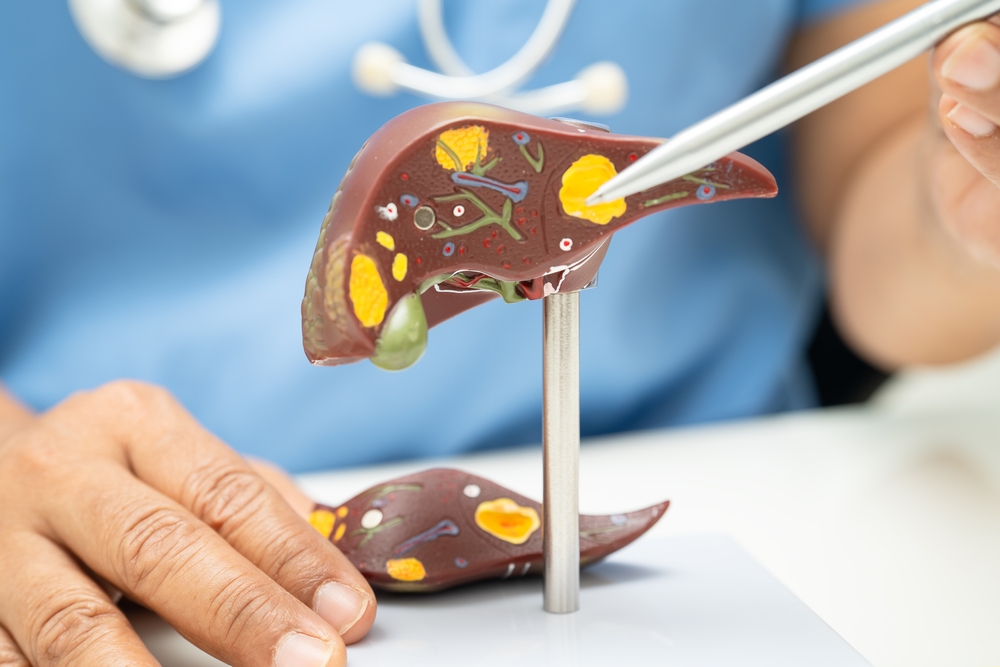
Cholesterol can sound like something you simply consume through food, but your body makes most of it itself. Around 80% of the cholesterol circulating in your body is manufactured by the liver, while the remainder comes from food.
As Patel told BBC Science Focus, “Dietary cholesterol doesn’t equal circulating cholesterol. That’s very clear.” This helps explain why focusing exclusively on foods such as eggs can miss the larger picture of what influences cholesterol levels.
The more useful question is how your overall diet affects the way your body absorbs and processes cholesterol. Patel also emphasized that it is important to understand which part of your cholesterol is high, particularly when looking at LDL cholesterol.
Plant Sterols May Offer A Simple Food-Based Option
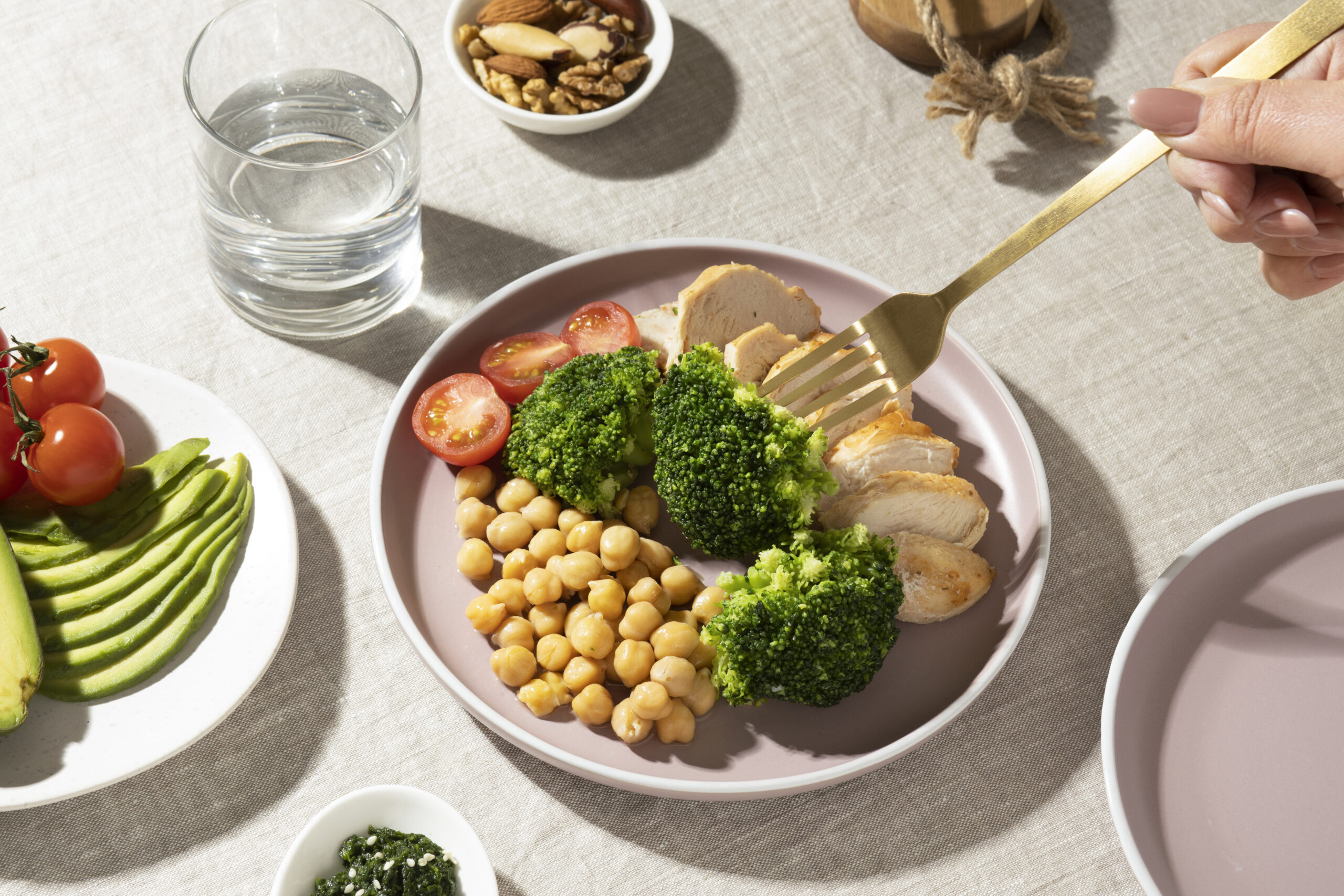
Plant sterols and stanols are naturally occurring plant compounds that can be added to fortified foods such as yogurts, drinks and spreads. They work in the digestive system by reducing the amount of cholesterol that your gut absorbs.
Patel described them as “probably the best non-pharmaceutical way of lowering your cholesterol, typically by about 10 per cent or so.” The British Heart Foundation reports that up to 3.3 grams of phytosterols a day gradually lowered LDL cholesterol by 6% to 12% after around four weeks.
That makes fortified foods an option worth knowing about if you are trying to make a practical change. Products vary, however, so checking the label and serving instructions is important.
You do not need to completely redesign your diet to include these foods. Depending on the product, you may find plant sterols and stanols in fortified yogurts, drinks or spreads.
They can fit around meals you already eat rather than requiring a complicated new routine. The bigger goal is to build several supportive habits instead of depending on one food to solve the entire problem.
Oats Add A Useful Dose Of Soluble Fiber
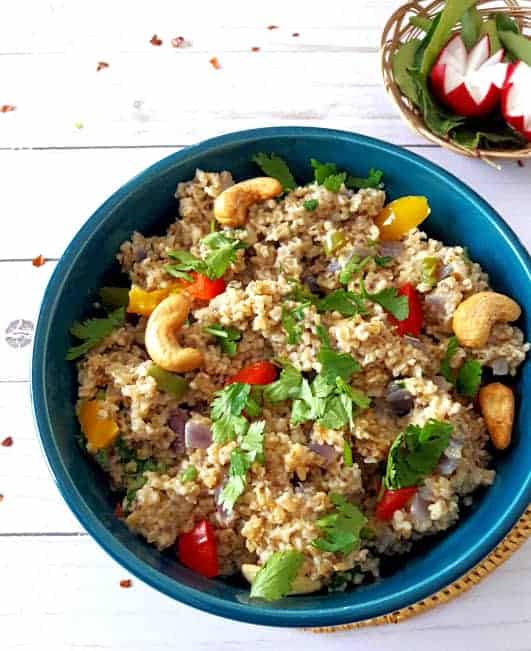
Oats are another simple option that can support healthier cholesterol levels. They contain beta-glucan, a type of soluble fiber that can help reduce cholesterol absorption in the digestive system.
“Oats are a really good way of naturally reducing cholesterol. It’s to do with the fibre,” Patel said. The British Heart Foundation cites research showing that consuming 3.5 grams of beta-glucan from oat products daily lowered LDL cholesterol by 4.2% over three to 12 weeks in middle-aged adults.
The effect is modest, but oats have another advantage: they are easy to incorporate into everyday meals. You can have them as porridge, add them to other breakfasts or use them alongside fruit, nuts and seeds.
Oats are only one source of soluble fiber, and a varied diet can provide plenty of other options. Beans, lentils, whole grains, vegetables, fruit, nuts and seeds can all contribute fiber to your meals.
Instead of searching for one miracle ingredient, try adding more of these foods throughout the day. A breakfast containing oats followed by a fiber-rich lunch and vegetable-packed dinner can create a more consistent dietary pattern.
Swapping Saturated Fat Can Also Help
What you replace in your diet can be just as useful as what you add. Replacing saturated fats with healthier unsaturated fats found in foods such as olive oil, nuts and fatty fish can help reduce LDL cholesterol.
This is one reason the Mediterranean-style eating pattern has attracted so much attention. A 2026 review cited in the source found that this eating pattern was typically associated with LDL reductions of around 5% to 15% and triglyceride reductions of around 10% to 20%.
There is also evidence looking beyond cholesterol numbers. In the PREDIMED trial involving 7,447 adults at high cardiovascular risk, a Mediterranean diet supplemented with extra virgin olive oil or nuts produced a relative difference of 30% in major cardiovascular events over five years.
Healthy eating becomes easier to maintain when changes fit naturally into your existing routine. Using olive oil instead of butter, choosing nuts instead of highly processed snacks and adding beans or lentils to meals are relatively simple places to start.
Whole grains can also replace some refined grain products, while vegetables can take up more space on your plate. These changes are less about following a rigid diet and more about creating a pattern you can maintain.
A Lower Cholesterol Number Is Not The Whole Story
There is an important limitation to keep in mind before treating plant sterols as a replacement for prescribed medication. The British Heart Foundation says that although plant sterols and stanols can lower cholesterol, clinical trials have not shown that they reduce the risk of heart attack and stroke.
Statins, by contrast, have been shown to lower cholesterol and reduce the risk of heart attack and stroke. A measurable improvement in LDL therefore does not automatically prove that every intervention producing that improvement will prevent cardiovascular events.
That distinction is particularly important if your doctor has prescribed a statin. Do not stop or change prescribed medication without discussing it with your healthcare professional.
Exercise Can Support Your Cholesterol Too

Diet is only one part of cardiovascular health, and regular movement can help as well. The source cites research suggesting aerobic exercise can lower LDL and increase HDL cholesterol by roughly 5%.
That change may be modest, but exercise brings several other health benefits. Walking, cycling, swimming and other forms of aerobic activity can support cardiovascular fitness, blood pressure and mood.
Quitting smoking can also help improve the cholesterol profile while reducing cardiovascular risk. Combining regular movement with a fiber-rich diet and healthier sources of fat gives you several ways to support heart health.
Be Careful With Cholesterol Supplements
The supplement aisle can make cholesterol management seem complicated, but the evidence varies widely between products. Garlic research has produced mixed findings, while omega-3 supplements can lower triglycerides but are not recommended specifically for preventing heart disease.
Niacin can affect cholesterol at prescribed doses, while the source notes that policosanol has little reliable evidence behind it. Red yeast rice can lower LDL cholesterol, but it is unregulated and its long-term safety remains unclear.
The word “natural” does not automatically mean a product is safer or better studied. Food-based strategies such as increasing soluble fiber and replacing saturated fats with unsaturated fats have a clearer role within a balanced diet.
Genetics Can Affect Your Cholesterol Levels
Lifestyle is important, but it cannot explain every high cholesterol result. Genetics can have a major influence, and lipoprotein(a), for example, is an inherited cardiovascular risk factor that does not respond significantly to diet, weight loss or exercise.
This means two people can follow similar diets and still have very different cholesterol levels. If your numbers remain elevated despite making consistent lifestyle changes, that information can help your healthcare professional assess your individual cardiovascular risk.
There may also be other factors affecting your results that require medical attention. A healthy diet remains valuable, but it should not be treated as a guarantee that cholesterol will fall into a particular range.
Build A Routine You Can Actually Maintain
A cholesterol-conscious routine does not need to involve expensive powders, complicated recipes or an extreme diet. Breakfast could include oats with fruit, nuts or seeds, while lunch might feature whole grains, vegetables, beans or lentils.
A fortified yogurt containing plant sterols could work as a snack if it fits your diet. Dinner can include vegetables, a source of unsaturated fat such as olive oil and other minimally processed foods, while a regular walk can add movement to your day.
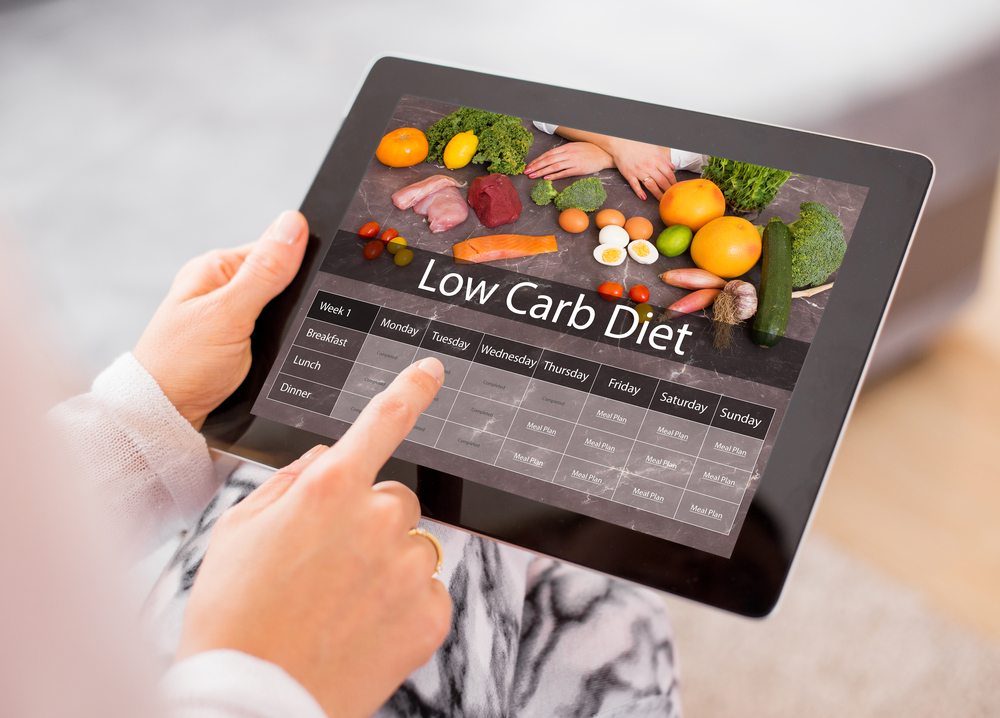
Patel recommends “eating a mixed, balanced diet” that is “not too heavy in carbs, not too heavy in saturated fats.” That approach leaves room for normal life while giving you several practical ways to support healthier cholesterol levels.
Start With One Change You Can Keep
You do not need to chase the latest cholesterol trend to make a useful change. Adding soluble fiber, choosing healthier fats, considering fortified foods with plant sterols and staying active can all fit into a sustainable routine.
If you have been prescribed a statin, lifestyle changes should complement medical care rather than replace it without professional guidance. The most useful habit may be the one you can repeat consistently: make a better breakfast, swap one source of saturated fat and keep moving.