
A woman who was once so sick she could barely leave her bed is now back to living a normal life after doctors used a powerful experimental therapy to shut down three separate autoimmune diseases at the same time.
Researchers in Germany say the 47-year-old patient had reached a terrifying stage before receiving the treatment. Her immune system was attacking her blood cells, her platelets, and proteins that help regulate clotting. She needed constant medical care, daily blood transfusions, and medication just to survive.
Then doctors reprogrammed her own immune cells to hunt down the ones causing the damage. Within a week, she was out of bed.
Doctors Said It Was Her Last Chance
By the time the woman arrived at University Hospital Erlangen in Germany, doctors said conventional treatments had failed.
She had already tried nine different therapies, including steroids and immunosuppressive drugs. None delivered lasting results. According to hematologist Fabian Müller, the diseases had become life-threatening.
“She was deathly sick and bedridden at the time we met her,” Müller told New Scientist. “We treated her, and seven days later, she got out of bed.”
The patient was suffering from three separate autoimmune disorders at once:
- Autoimmune hemolytic anemia, which destroys red blood cells
- Immune thrombocytopenia, which attacks platelets needed for clotting
- Antiphospholipid syndrome, which increases the risk of dangerous blood clots
Together, the conditions created a brutal cycle.
Her body was destroying oxygen-carrying blood cells so aggressively that she sometimes required up to three bags of blood per day. At the same time, low platelet counts increased the risk of uncontrolled bleeding. Another part of her immune system was raising the danger of potentially fatal clots.
Carl June, an immunologist at the University of Pennsylvania who helped pioneer CAR T-cell therapy for cancer treatment, said the combination could become deadly very quickly.
“That combination can kill you very rapidly,” June explained.
Doctors eventually transported the woman by ambulance for three hours to Erlangen, where researchers had already begun experimenting with CAR T-cell therapy for autoimmune diseases.
Müller later described the treatment as her final opportunity to regain control of the illnesses.
How CAR T-Cell Therapy Works
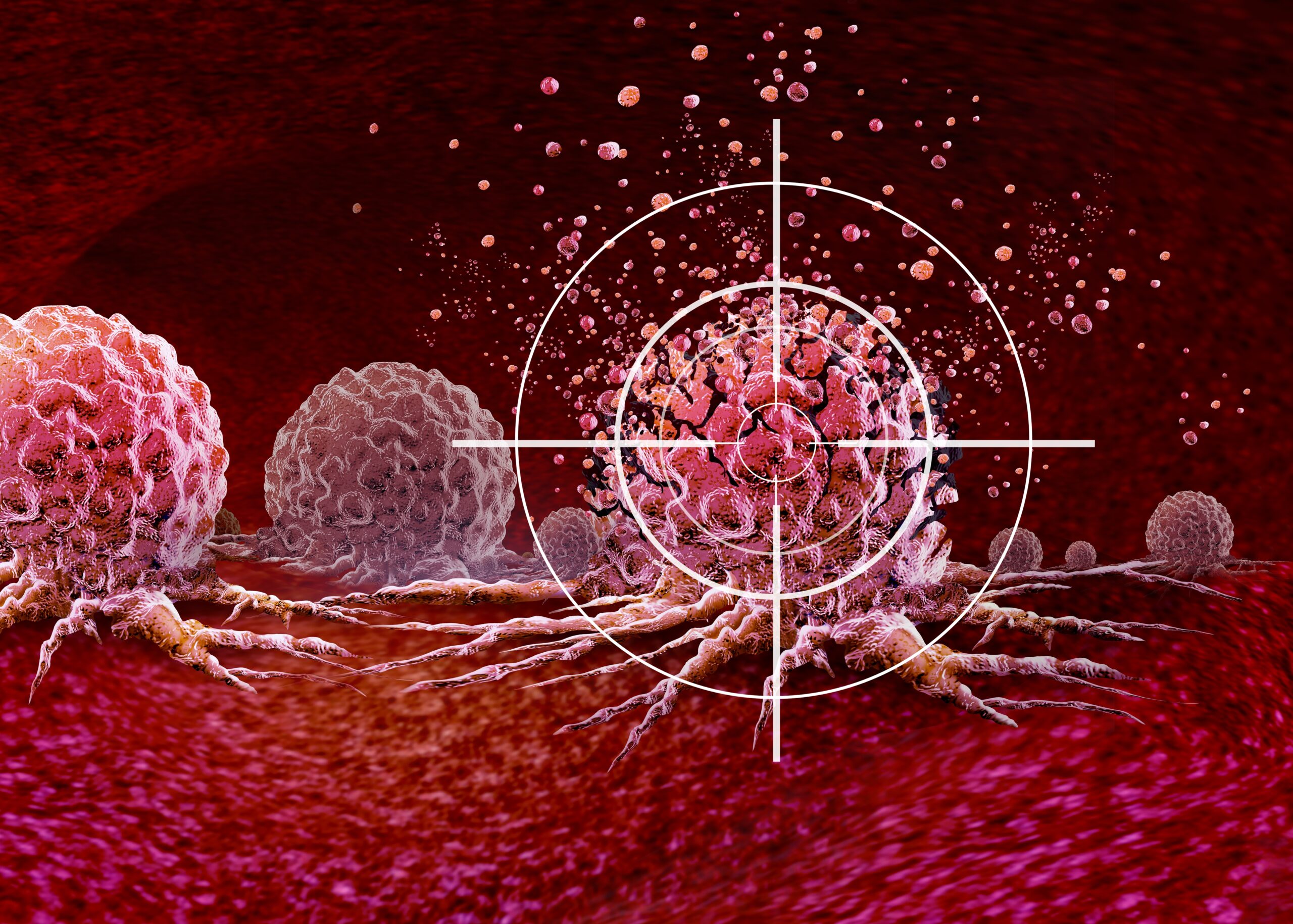
CAR T-cell therapy has already transformed the treatment of certain blood cancers like leukemia and lymphoma. But researchers are now testing whether the same technology could work against severe autoimmune diseases.
The process starts by removing some of a patient’s T cells, which are immune cells designed to attack infected or abnormal targets.
Scientists then genetically modify those T cells in a laboratory so they can recognize a specific protein. In this case, researchers trained the cells to target problematic B cells, which were producing the harmful antibodies attacking the woman’s body.
Once modified, the engineered cells are infused back into the patient.
The new cells then search for and destroy the rogue immune cells responsible for the disease.
What made this case especially unusual was that all three autoimmune diseases traced back to the same type of malfunctioning B cells.
According to Müller, the treatment effectively wiped out the dangerous immune cells while leaving much of the rest of the immune system intact.
The woman’s older antibody-producing cells, including those tied to childhood vaccines and infections, remained protected in her bone marrow.
“They sit in the bone, they’re unaffected,” Müller explained.
That distinction matters because it means the therapy did not completely erase her immune defenses.
Instead, researchers believe it resets the immune system.
After the engineered CAR T cells disappeared from her body months later, healthy new B cells began to return without the autoimmune defects that had caused the illnesses.
The Turnaround Happened Shockingly Fast
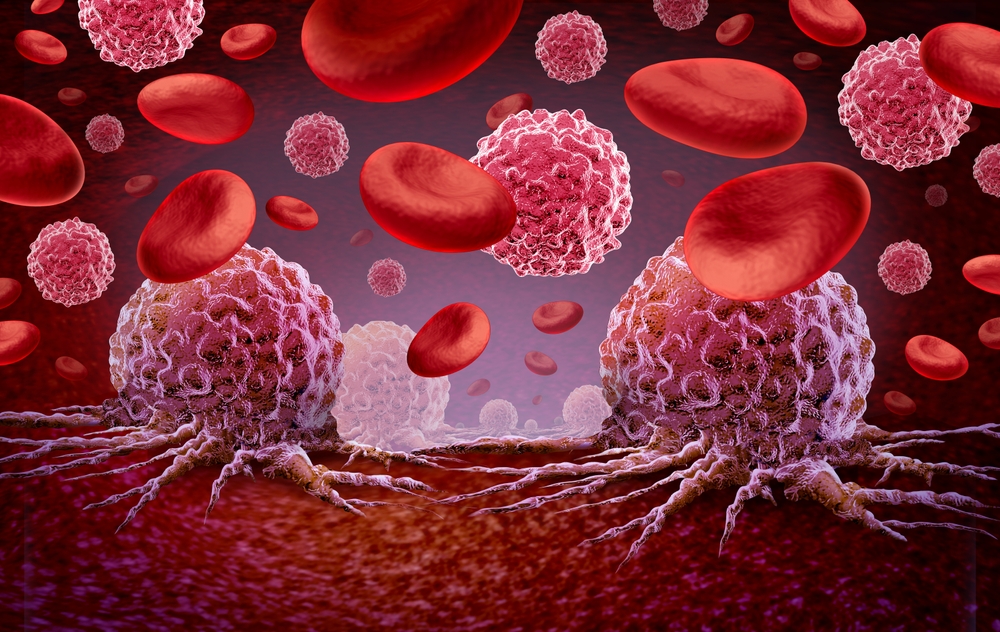
The woman’s recovery stunned researchers.
Within three weeks of the treatment, blood tests showed her immune system had stopped destroying red blood cells. Her platelet levels stabilized, and dangerous clot-related antibodies disappeared.
Over the following months, she no longer needed blood transfusions or blood-thinning medication.
Eleven months after treatment, Müller said she remained symptom-free.
“I just saw her yesterday,” he told New Scientist. “She’s perfectly fine.”
Another follow-up report published later found she was still doing well 14 months after treatment and was living without medication.
Doctors said they did not observe the severe side effects often associated with CAR T-cell therapy in cancer patients.
That finding has become one of the most encouraging parts of recent autoimmune research.
CAR T-cell therapy can trigger serious immune reactions in cancer treatment because the engineered cells often destroy massive numbers of cancer cells very quickly.
Researchers believe autoimmune diseases may involve a smaller number of dangerous cells, reducing the risk of overwhelming inflammatory reactions.
Reuben Benjamin of King’s College London called the outcome remarkable.
“For a therapy that’s very powerful to have very few side effects in this particular case, and then to result in resolution of the underlying condition, is pretty remarkable,” he said.
Some lingering issues remain for the patient, including lower counts of certain immune cells, but doctors suspect those problems were caused by years of earlier drug treatments rather than the CAR T-cell infusion itself.
Scientists Think This Could Change Autoimmune Treatment

The success of the case has intensified excitement around CAR T-cell therapy far beyond cancer care.
Researchers around the world are now testing the treatment against conditions including lupus, multiple sclerosis, colitis, severe asthma, and scleroderma.
According to Carl June, there are already roughly 200 clinical trials underway globally involving CAR T-cell therapies for autoimmune diseases.
Several early studies have reported dramatic remissions.
In some patients with severe lupus, symptoms disappeared after treatment. Other trials involving autoimmune blood disorders have also produced promising results.
Scientists are currently investigating CAR T-cell therapy for:
- Lupus
- Multiple sclerosis
- Myositis
- Scleroderma
- Severe asthma
- Colitis
- Autoimmune blood disorders
The growing list has raised hopes that CAR T-cell therapy could eventually become a major option for patients who fail traditional drugs.
“We believe that using CAR T therapy earlier for patients with severe autoimmune disease could help prevent complications from years of ineffective treatments,” Müller said in a statement.
Researchers think early intervention may help prevent irreversible organ damage before autoimmune diseases spiral out of control.
That possibility could dramatically change how doctors approach some of the most severe immune disorders.
The Science Behind Autoimmune Diseases

Autoimmune diseases happen when the immune system mistakenly attacks the body’s own tissues.
Normally, the body creates huge numbers of new immune cells that undergo a selection process designed to eliminate dangerous self-targeting cells.
But sometimes defective cells slip through.
When that happens, the immune system can begin attacking healthy organs, tissues, or blood cells for years.
In the woman’s case, researchers believe the problems may have started during pregnancy more than a decade earlier.
Her immune system began producing antibodies that targeted red blood cells and platelets while also interfering with proteins that help regulate clotting.
Why Autoimmune Diseases Can Become So Dangerous
Some autoimmune conditions cause relatively manageable symptoms.
Others can rapidly become life-threatening.
The patient’s combination of disorders created multiple risks simultaneously:
- Severe anemia reduced oxygen delivery throughout the body
- Platelet destruction increased the risk of uncontrolled bleeding
- Clotting abnormalities raised the danger of strokes or pulmonary embolisms
- Long-term steroid use increases infection risks and other complications
Doctors said the diseases eventually left her exhausted, bedridden, and unable to work.
For years, treatments only temporarily slowed the damage.
The CAR T-cell therapy changed the equation because it directly targeted the immune cells, creating the harmful antibodies instead of broadly suppressing the entire immune system.
That targeted approach could become one of the biggest advantages of the therapy moving forward.
The Treatment Is Still Experimental
Despite the dramatic outcome, researchers caution that CAR T-cell therapy for autoimmune disease remains experimental.
Doctors still do not know how long remissions will last.
Some patients treated in earlier studies have remained disease-free for years. Others have seen symptoms return and required additional CAR T-cell infusions.
“Longer follow-up is needed before anyone can speak confidently about cure,” said Jun Shi of the Chinese Academy of Medical Sciences.
The treatment is also extremely expensive.
For cancer patients, CAR T-cell therapy can cost between $200,000 and $600,000 because each therapy must be custom-built using a patient’s own cells.
Still, supporters argue the economics may eventually favor the treatment for severe autoimmune diseases.
Many patients spend years cycling through expensive drugs, repeated hospitalizations, and chronic medical complications.
Müller believes one highly effective treatment could ultimately reduce long-term healthcare costs while allowing patients to return to normal life.
“It costs a lot to start with, but you save a lot of money in the long run,” he said.
Why Researchers Are So Optimistic

Part of the excitement comes from how differently autoimmune patients seem to respond compared to cancer patients.
In cancer therapy, CAR T cells are often fighting massive tumors or huge populations of malignant blood cells.
Autoimmune diseases may require eliminating a much smaller group of defective immune cells.
That difference could make treatment safer and more manageable.
Researchers also believe autoimmune diseases may be particularly well suited for immune system “resets” because many conditions are driven by a relatively narrow group of malfunctioning B cells.
If those cells can be eliminated and replaced with healthy ones, long-term remission may become possible.
For patients who have exhausted every available therapy, that possibility carries enormous weight.
One Case Is Now Fueling Bigger Questions
Doctors are careful not to describe the treatment as a cure yet.
But the images surrounding this case are difficult to ignore.
A woman once dependent on constant blood transfusions now lives without medication. Someone who could barely get out of bed walked again just days after receiving re-engineered immune cells.
Researchers say the outcome points toward something much bigger than one successful patient story.
For decades, many autoimmune diseases have been managed rather than truly stopped. Patients often spend years bouncing between medications that suppress symptoms while carrying major side effects of their own.
CAR T-cell therapy hints at a different approach.
Instead of continuously controlling the immune system, scientists are attempting to rebuild part of it.
That idea once sounded closer to science fiction than modern medicine.
Now, researchers across the world are racing to see whether the same strategy could help thousands of people living with severe autoimmune disease.
For this patient, the shift already happened.
After years of failed therapies, ambulance rides, blood transfusions, and life-threatening complications, doctors say she is back to her normal routine with no active treatment for any of the three diseases.
Müller believes the case shows what may become possible when immune engineering moves beyond cancer treatment.
“It was an entirely uncontrolled disease,” he said. “And now she’s off any therapy. That tells you that, at least for now, we did something very right.”