
Most people picture squirrels as harmless little animals darting through parks with acorns tucked into their cheeks or scrambling up tree trunks in search of seeds and berries. They have long been viewed as nature’s busy foragers, spending their days gathering food rather than chasing it. That familiar image, however, is being challenged by a growing number of observations from California, where researchers and wildlife observers are documenting behavior that seems more fitting for a predator than a typical squirrel.
Across several parts of the state, squirrels have increasingly been seen eating bird eggs, hunting insects, scavenging animal remains, and in some cases targeting small vertebrates. What was once considered an occasional survival tactic is now being recorded with greater frequency, prompting scientists to take a closer look at what is driving this unexpected dietary shift. While the behavior may sound shocking, experts believe it reflects a much larger environmental story, one that highlights how wildlife adapts when familiar food sources become harder to find.
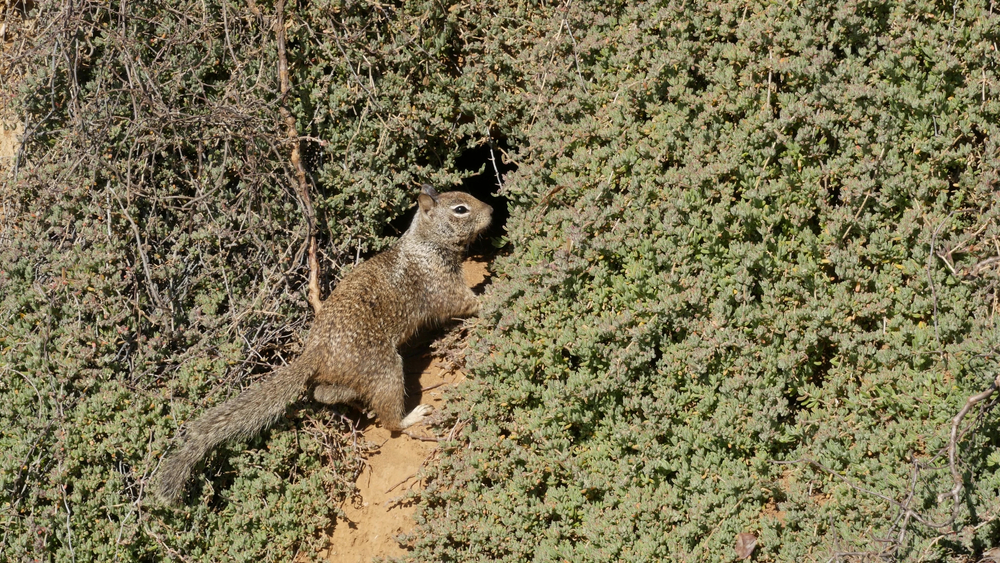
Why Squirrels Are Suddenly Eating Meat
For decades, squirrels have been classified primarily as herbivores, relying on nuts, seeds, fruits, fungi, and other plant material to meet their nutritional needs. They have always possessed the ability to eat insects or other protein-rich foods when opportunities arose, but these instances were generally viewed as rare and opportunistic rather than a regular part of their feeding habits.
Researchers now believe changing environmental conditions are encouraging squirrels to rely on those protein sources more often. As California continues to experience habitat loss, prolonged droughts, and changing weather patterns, the availability of natural foods has become less predictable. Trees that once produced abundant crops of acorns and berries may no longer provide the same reliable supply, forcing wildlife to seek alternatives.
Urban expansion has added another layer to the problem. Housing developments, roads, and commercial construction continue to replace natural habitats, leaving squirrels with fewer places to forage. Many now spend more time around neighborhoods and parks, where they adapt to whatever food sources are available. That flexibility, once considered one of their greatest strengths, may also explain why meat is becoming a more common part of their diet.
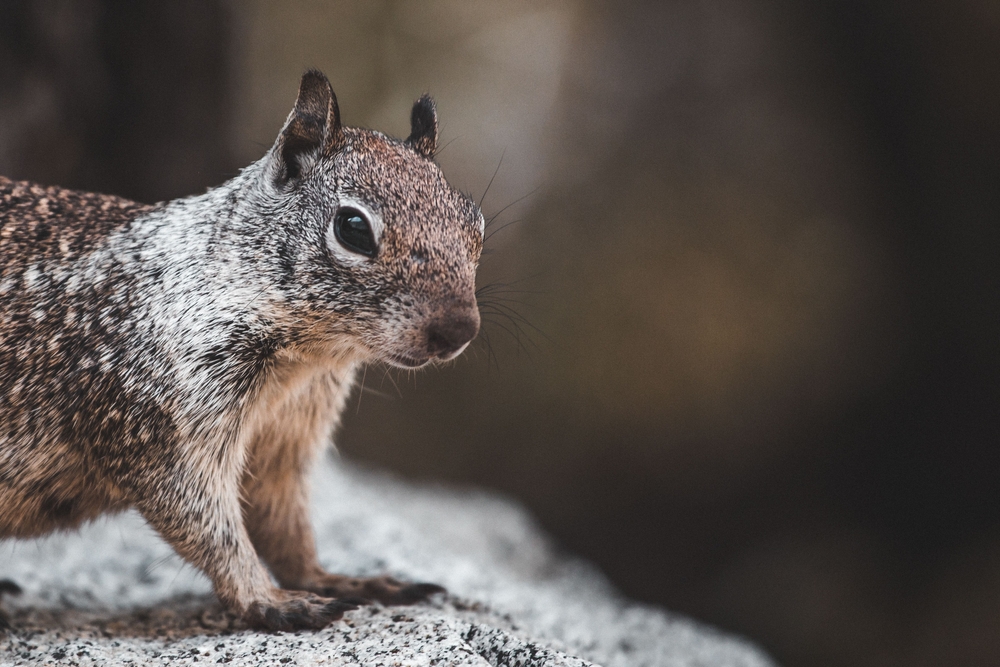
Several Pressures Are Driving This Behavioral Shift
Scientists believe no single factor explains why squirrels are displaying more carnivorous behavior. Instead, several environmental pressures appear to be working together, creating conditions that encourage these adaptable mammals to change their feeding habits.
Some of the key drivers identified in your reference include:
- Food shortages: Reduced supplies of nuts, berries, and seeds caused by drought, habitat degradation, and climate change.
- Habitat loss: Urban development continues to shrink natural foraging areas.
- Competition: Growing populations of squirrels and other omnivorous animals increase pressure on limited resources.
- Learned behavior: Squirrels may observe successful hunting or nest-raiding by others and copy those behaviors over time.
Each of these pressures increases the value of protein-rich food. Instead of relying solely on seasonal vegetation, squirrels are taking advantage of opportunities that would once have been unusual. Over time, behaviors that begin as occasional survival strategies can become much more common within local populations.
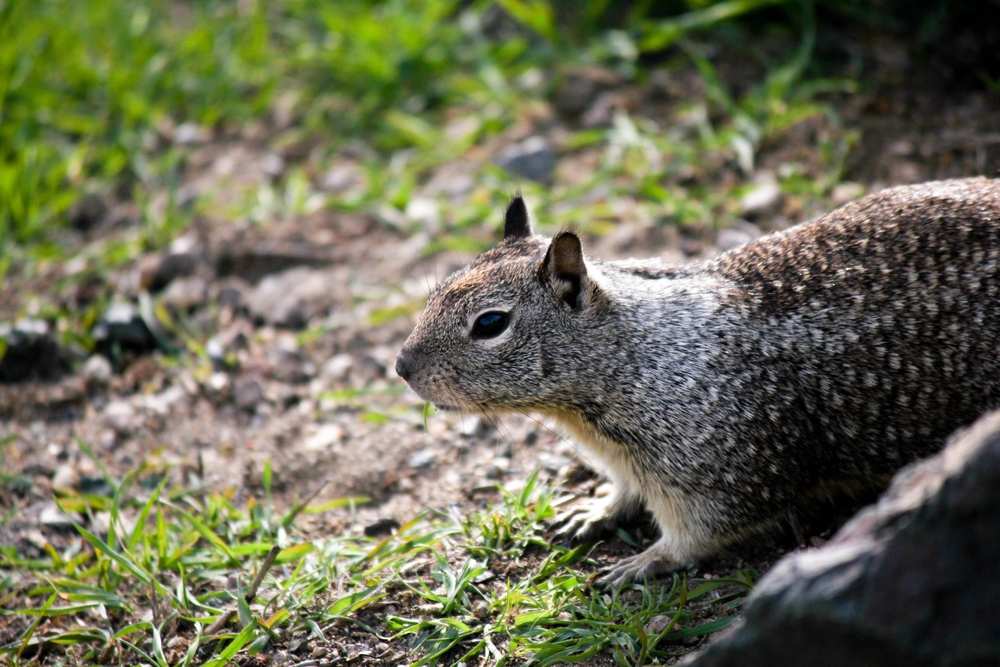
Which Squirrels Are Showing The Biggest Changes?
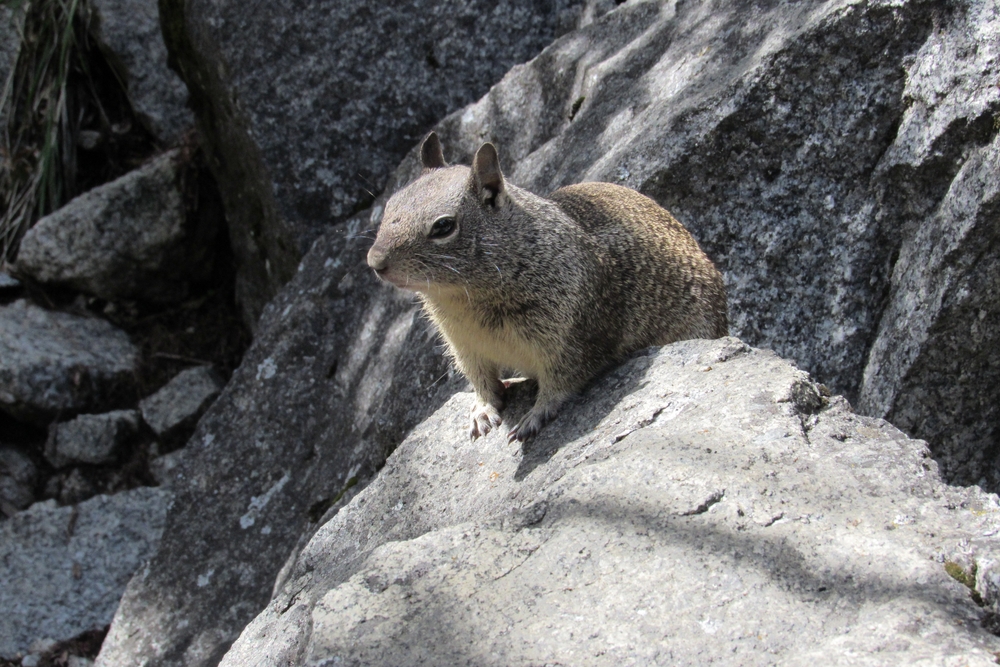
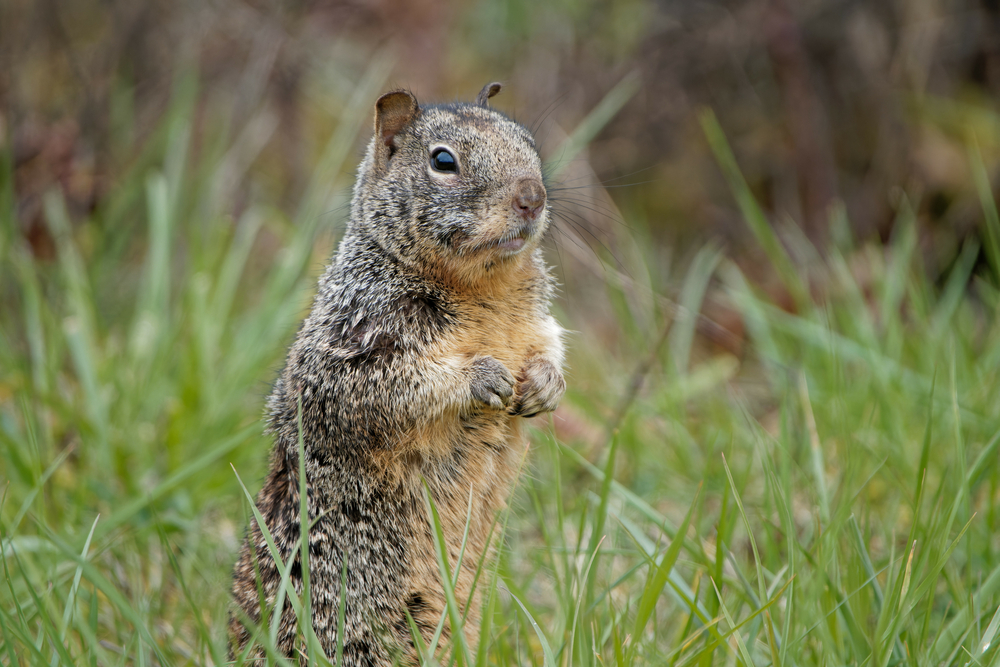
The reference identifies two species that appear most closely linked with these observations: the California ground squirrel (Otospermophilus beecheyi) and the Eastern gray squirrel (Sciurus carolinensis). Both species are well known for their adaptability and have successfully established themselves in cities, suburbs, and other human-altered environments.
Wildlife observers have reported these squirrels raiding bird nests, eating hatchlings, scavenging roadkill, and consuming a wider variety of animal matter than traditionally expected. According to the reference, some observations have even suggested coordinated nest raids, where one squirrel distracts an adult bird while another approaches the nest.
Although squirrels remain far from becoming dedicated predators, these repeated observations suggest their feeding behavior is becoming increasingly flexible. For researchers, the growing number of reports represents another example of how wildlife can rapidly adjust when environmental conditions continue to change.
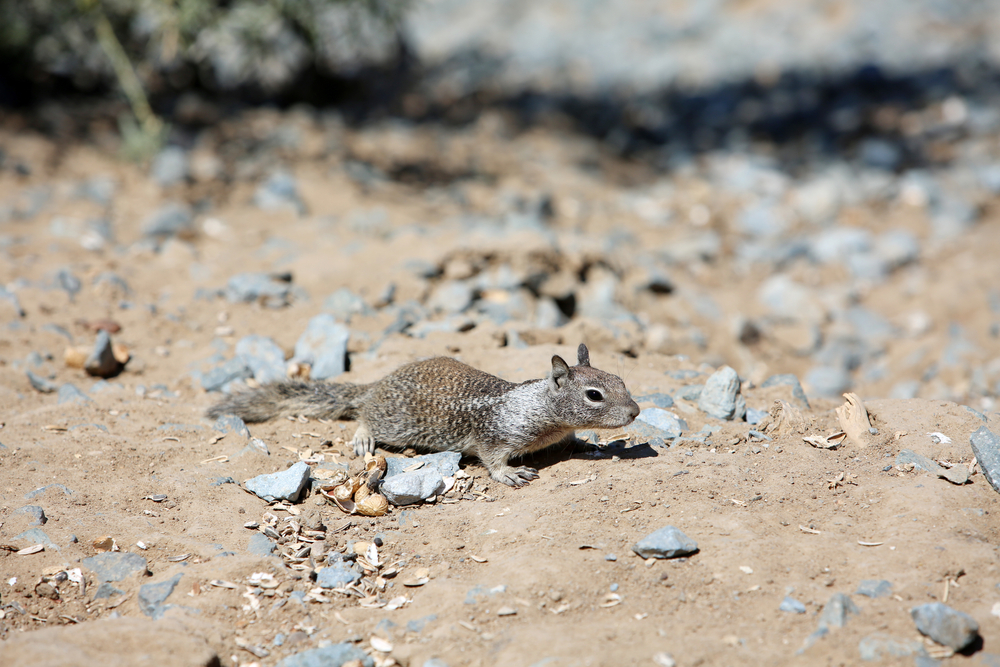
How This Could Affect California’s Wildlife
The growing tendency for squirrels to consume meat is more than an unusual wildlife story. According to the reference, researchers and conservationists see it as a sign that ecological pressures are reshaping long-established relationships within California’s ecosystems. When an animal that has traditionally relied on plants begins hunting or scavenging more frequently, the effects can spread well beyond a single species.
Bird populations may be among the first to feel those consequences. Many small birds already face mounting challenges from habitat loss, pesticide exposure, and climate-related changes that reduce nesting success. The addition of more frequent nest predation by squirrels could place even greater pressure on species that are already struggling to maintain healthy populations.
Ground-nesting birds are considered particularly vulnerable. Species such as the California quail and various towhees often build nests in locations that provide little protection against determined mammals. As habitats become increasingly fragmented, those birds may have fewer safe nesting sites available, making encounters with opportunistic predators more common than in healthier ecosystems.
The reference also notes that changes in squirrel feeding habits could influence broader food webs. Animals that normally prey on birds or insects may encounter increased competition if squirrels begin consuming those same food sources more regularly. Even relatively small changes in one adaptable species can create ripple effects throughout an ecosystem.
Scientists Believe Adaptation Is Driving The Change
Rather than viewing squirrels as suddenly becoming aggressive predators, researchers described in the reference see the behavior as an example of adaptive foraging. Opportunistic animals often modify their diets when environmental conditions shift, allowing them to survive even as familiar food sources become less dependable.
The reference points to environmental stress as the primary explanation for the observed behavior. Extended droughts, shrinking habitats, and competition for resources appear to be creating circumstances where protein-rich foods provide an advantage. What may have once occurred only during periods of severe scarcity is now being documented more consistently in urban and semi-urban environments.
Another possibility raised in the reference is that squirrels are learning from one another. If an individual discovers that raiding a bird’s nest offers an easy source of nutrition, nearby squirrels may observe and repeat the same behavior. Over time, those learned habits could spread through local populations, making carnivorous feeding more common than previously expected.
This ability to adapt has long been one of the reasons squirrels thrive in changing environments. Their flexibility helps them survive conditions that might overwhelm less adaptable wildlife, even if it means abandoning feeding habits that people have traditionally associated with the species.
Should People Be Concerned?
Despite the dramatic nature of these observations, the reference emphasizes that squirrels are not becoming dangerous predators in the way many headlines might suggest. There is no indication that they pose a threat to humans or household pets, and their carnivorous behavior remains focused on small prey, eggs, insects, and scavenged animal material.
Instead, the behavior serves as an indicator that natural ecosystems are experiencing significant pressure. When wildlife begins altering long-established feeding patterns, scientists often see it as evidence that environmental conditions are changing faster than many species can comfortably adapt.
The observations also highlight how closely connected ecosystems really are. A reduction in tree seed production, the loss of natural habitat, or shifts in climate can trigger unexpected behavioral changes that extend well beyond the original environmental problem. What begins with fewer available acorns may eventually influence birds, insects, predators, and many other parts of the food web.
For conservationists, these changes reinforce the importance of protecting habitats that provide reliable food sources for native wildlife. Healthy ecosystems reduce the need for animals to adopt unusual survival strategies and help maintain the balance that has developed over generations.
California’s Carnivorous Squirrels Reflect A Changing Environment
The image of squirrels quietly collecting nuts remains true for much of the year, but the growing number of reports described in the reference suggests that some populations are expanding their diets in response to mounting environmental pressures. What once appeared to be rare behavior is becoming common enough to attract scientific attention.
Whether these feeding habits continue to spread or remain limited to certain areas, the observations offer another reminder that wildlife is constantly adapting to a rapidly changing world. Sometimes the biggest environmental warning signs come from the smallest and most familiar animals.



genai program apply online in vijayawada
Wednesday 12th of August 2026
A lot of posts on this topic stay theoretical -- this one does not. Advisory support pays off mostly by preventing avoidable rejections. Collateral-free options exist for far more businesses than actually use them. Subscribed.
delhi police geography mock test
Tuesday 11th of August 2026
Sharing this with my study group. Free resources are enough for most exams if you are disciplined about them. The syllabus rewards depth in the right places, not breadth everywhere. Much appreciated.
Fintech Startup Challenge Scheme
Monday 10th of August 2026
From my own experience, the biggest surprise was how much of it came down to consistency rather than strategy.