
For millions of people living with obstructive sleep apnea, bedtime often comes with an extra ritual. Before turning out the lights, they strap on a CPAP mask, adjust the headgear, and hope they can fall asleep despite the constant flow of pressurized air. It has long been the gold standard for treatment, but it is also one that many patients struggle to stick with.
Now, researchers believe they may be on the verge of changing that reality. A new oral medication called AD109 has delivered encouraging results in a large Phase 3 clinical trial, raising hopes that the first pill specifically designed to treat obstructive sleep apnea could soon become available. If approved by the U.S. Food and Drug Administration (FDA), it would represent a major milestone for a condition that affects nearly one billion people worldwide and remains significantly undertreated.
A Disorder That Goes Far Beyond Loud Snoring
Obstructive sleep apnea is often dismissed as little more than an annoying nighttime habit. Loud snoring may be its most recognizable symptom, but the condition involves far more than disturbing a partner’s sleep.
During sleep, the muscles that support the upper airway relax. In people with obstructive sleep apnea, those muscles relax too much, causing the airway to narrow or collapse repeatedly throughout the night. Every collapse temporarily blocks airflow, forcing the brain to wake the sleeper just enough to restore normal breathing.
These interruptions can happen dozens or even hundreds of times every night. Many patients never remember waking up, yet their sleep becomes fragmented and far less restorative.
The effects usually become noticeable during the day. Persistent fatigue, morning headaches, poor concentration, irritability, and memory problems are all common complaints.
Some people fall asleep during meetings, while driving, or during routine conversations because their bodies never receive the uninterrupted sleep they need.
The long-term health consequences can be even more serious.
Untreated obstructive sleep apnea has been linked to high blood pressure, cardiovascular disease, stroke, irregular heart rhythms, insulin resistance, and cognitive decline. Researchers have spent years emphasizing that the disorder should not be viewed as simply a quality-of-life issue. It is a significant medical condition that increases the risk of several potentially life-threatening diseases.
Despite these risks, many people remain undiagnosed because they assume snoring is harmless or because they never realize their breathing repeatedly stops during sleep.
Why So Many Patients Stop Using CPAP Machines
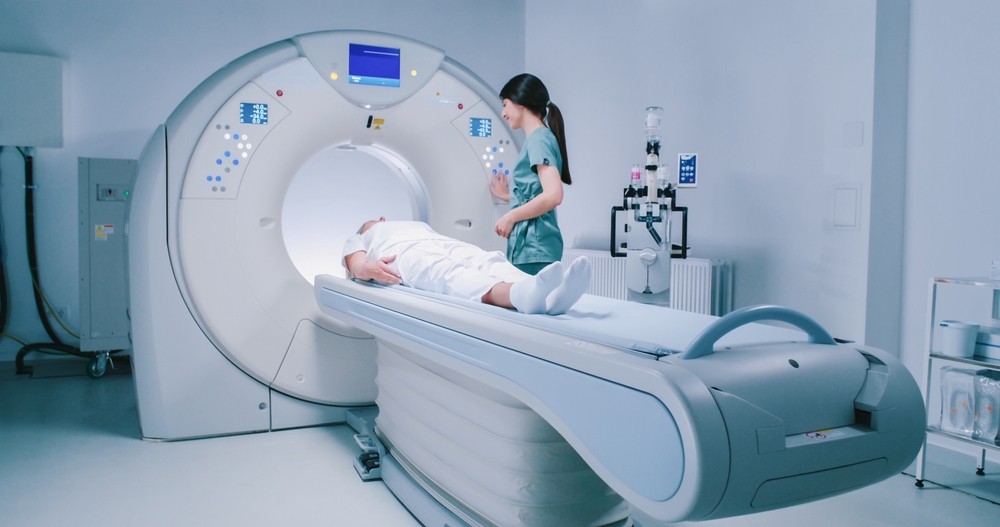
For decades, continuous positive airway pressure, better known as CPAP, has remained the primary treatment for obstructive sleep apnea.
The device works by delivering a steady stream of air through a mask worn over the nose or mouth. That air pressure prevents the airway from collapsing while the patient sleeps.
When used consistently, CPAP therapy can dramatically reduce apnea episodes and improve sleep quality. It is widely considered one of the most effective treatments available.
The challenge has never been whether CPAP works. The challenge is convincing patients to continue using it.
Many people find sleeping with a mask uncomfortable. Others struggle with dry mouth, skin irritation, nasal congestion, or feelings of claustrophobia. Traveling with the machine can also be inconvenient, particularly for frequent travelers.
Some patients adapt after several weeks. Others never become comfortable with it.
Researchers estimate that a substantial number of people either stop using their CPAP devices altogether or use them inconsistently enough that they receive only limited benefit.
That treatment gap has become one of the biggest frustrations among sleep medicine specialists.
Patrick John Strollo, a sleep medicine physician at the University of Pittsburgh Medical Center and one of the researchers involved in the AD109 trial, believes an alternative is badly needed.
“An oral pill that targets the underlying neuromuscular drivers of airway collapse during sleep could help address this gap and broaden the range of effective options for patients who remain untreated today,” Strollo said.
His comments reflect a growing consensus among specialists that improving treatment options may be just as important as improving diagnosis rates.
The Search for an Alternative Has Taken Decades

Scientists have spent years trying to develop medications capable of treating obstructive sleep apnea.
The challenge lies in understanding exactly why the airway collapses during sleep.
Unlike diseases caused by infections or inflammation, obstructive sleep apnea results from a complex interaction between anatomy, muscle control, and brain signals. The muscles responsible for keeping the airway open naturally lose tone during sleep. In some people, that relaxation becomes severe enough to block airflow entirely.
Previous attempts to create medications largely failed because they addressed only one piece of that puzzle.
Researchers needed a therapy capable of keeping the airway muscles active without disrupting healthy sleep.
That breakthrough may have arrived through an unusual combination of two existing medications.
AD109 combines atomoxetine, a drug commonly prescribed for attention deficit hyperactivity disorder, with aroxybutynin, which influences nervous system activity.
Rather than mechanically forcing the airway open like a CPAP machine, the medication works by helping maintain the muscle activity needed to keep the upper airway from collapsing.
According to researchers reviewing the treatment’s mechanism, the drug combination is designed to counter the normal reduction in nerve activity that occurs during sleep, helping preserve muscle tone in the throat throughout the night.
In simpler terms, the medication encourages the body’s own airway muscles to continue doing their job while the person sleeps.
If successful on a large scale, that represents a completely different treatment strategy than anything currently available.
The Phase 3 Trial Produced Encouraging Results

To determine whether AD109 could deliver meaningful improvements, researchers launched a large Phase 3 clinical trial involving 646 adults across the United States and Canada.
Every participant had already been diagnosed with mild to severe obstructive sleep apnea.
Importantly, these were not patients who simply preferred another treatment option. Many either could not tolerate CPAP therapy or had declined to use it altogether.
Participants were randomly assigned to receive either AD109 or a placebo each night over a 26-week period. Neither the participants nor the researchers knew who was receiving the active medication until the study concluded.
Researchers evaluated progress using the apnea-hypopnea index, commonly known as AHI.
This measurement calculates the average number of complete breathing interruptions, known as apneas, along with partial breathing interruptions called hypopneas, occurring each hour during sleep.
Lower scores indicate better control of the condition.
By the end of the study, patients receiving AD109 experienced approximately a 44 percent reduction in sleep apnea severity based on their AHI scores.
The placebo group also showed some improvement, but their average reduction measured only around 18 percent.
The differences became even more striking when researchers looked at overall disease severity.
Nearly 42 percent of patients taking AD109 moved into a less severe category of obstructive sleep apnea by the end of the trial.
Even more notably, almost 18 percent of participants no longer met the criteria for obstructive sleep apnea after completing the 26-week treatment period.
For a condition that has traditionally required nightly mechanical assistance, those numbers have generated significant excitement throughout the sleep medicine community.
Strollo believes the findings support a growing understanding of how the disorder develops.
“These results provide encouraging evidence that targeting neuromuscular dysfunction can translate into meaningful clinical outcomes, aligning with our evolving understanding of the disease biology,” he said.
A Potential Shift in How Sleep Apnea Is Treated

The success of AD109 has attracted attention because it represents more than another medication entering clinical testing.
If approved, it would become the first pharmaceutical treatment specifically developed to address the underlying mechanisms responsible for obstructive sleep apnea.
That distinction matters because current treatment options remain relatively limited.
CPAP machines continue to dominate therapy recommendations, while lifestyle changes such as weight loss can help patients whose sleep apnea is associated with obesity. In certain cases, oral appliances, positional therapy, or surgery may also provide relief.
Yet none of those approaches work equally well for everyone.
A simple nightly pill would not necessarily replace CPAP therapy entirely. Many patients with severe disease may still benefit most from traditional treatments.
Instead, specialists envision AD109 expanding the available options, particularly for patients who have struggled to tolerate existing therapies.
For millions currently living with untreated sleep apnea because they cannot adapt to a CPAP machine, that additional choice could make a meaningful difference.
Other Pill-Based Treatments Are Also Showing Promise

AD109 may be leading the race toward regulatory approval, but it is far from the only medication giving researchers hope that sleep apnea could one day be treated without a machine.
Another recent clinical trial has drawn attention to sulthiame, a medication that has been used for years to treat a rare form of childhood epilepsy. Scientists are now investigating whether it can also reduce breathing interruptions during sleep.
The study, published in The Lancet, involved 298 adults with moderate to severe obstructive sleep apnea across four European countries. Participants were randomly assigned to receive either sulthiame or a placebo, with neither the researchers nor the patients knowing who received the active drug until the trial concluded.
The results were encouraging.
Patients receiving higher doses of sulthiame experienced as many as 47 percent fewer breathing interruptions during sleep compared with those taking a placebo. Researchers also observed improvements in overnight oxygen levels, suggesting the medication helped patients breathe more consistently throughout the night.
Scientists believe sulthiame works differently from AD109.
Instead of primarily targeting the muscles responsible for keeping the airway open, sulthiame appears to stabilize the body’s breathing control system. By increasing respiratory drive, it reduces the likelihood that the upper airway will collapse while a person sleeps.
Jan Hedner, senior professor of pulmonary medicine at the University of Gothenburg and one of the study’s leading researchers, described the findings as a major step forward.
“We have been working on this treatment strategy for a long time, and the results show that sleep apnea can indeed be influenced pharmacologically,” Hedner said. “It feels like a breakthrough, and we now look forward to larger and longer studies to determine whether the effect is sustained over time and whether the treatment is safe for broader patient groups.”
Although sulthiame still requires additional testing before becoming a mainstream treatment, its success adds to growing evidence that medications may soon play a much larger role in managing sleep apnea.
Years of Research Finally Began Paying Off

The excitement surrounding AD109 did not appear overnight.
According to Forbes, the origins of the treatment date back to 2016, when Harvard researcher Dr. Luigi Taranto Montemurro was conducting overnight sleep studies at Brigham and Women’s Hospital.
At the time, scientists had already spent decades trying to develop a medication capable of treating obstructive sleep apnea. Every previous attempt had failed.
During one of those early experiments, Taranto Montemurro noticed something unusual.
A patient who typically experienced repeated breathing interruptions throughout the night was suddenly breathing normally.
His first instinct was not celebration.
He assumed the monitoring equipment had malfunctioned.
“Usually this guy was full of apneas and suddenly he was breathing well. So I went to see if something was off on the equipment that it was not connected properly,” Taranto Montemurro recalled.
The equipment was functioning exactly as intended.
Instead, the combination of medications being tested had produced an effect researchers had been searching for over many years.
“It was like, ‘Wow, I can’t believe my eyes,'” he said.
That discovery eventually became the foundation for AD109.
The rights to the treatment were later acquired by Cambridge-based biotechnology company Apnimed, which has since invested heavily in advancing the medication through clinical development.
Today, the company is preparing its application for FDA approval following the successful completion of the Phase 3 trial.
The FDA Has Fast-Tracked the Drug

Normally, bringing a new medication to market can take years after successful clinical trials.
AD109 has received an important advantage.
The U.S. Food and Drug Administration granted the medication Fast Track designation, a program designed to accelerate the review of treatments addressing serious medical conditions with significant unmet needs.
Obstructive sleep apnea certainly qualifies.
While effective therapies already exist, many patients either remain untreated or abandon treatment because existing options simply do not fit comfortably into everyday life.
Fast Track status does not guarantee approval.
The FDA will still closely examine the medication’s safety, effectiveness, manufacturing standards, and long-term data before making a final decision.
Current expectations suggest the agency could announce its decision sometime in 2027.
If approved, AD109 would become the first prescription pill specifically developed to treat obstructive sleep apnea rather than its associated symptoms.
That would mark one of the biggest developments in sleep medicine since CPAP machines became widely available decades ago.
Mild Side Effects Still Require Consideration
The promising results have naturally generated excitement, but researchers also emphasize that no medication is completely free of side effects.
Participants taking AD109 most commonly reported dry mouth, insomnia, nausea, and other mild reactions.
Importantly, researchers noted that these effects were generally expected because both ingredients have already been used safely in other medications for years.
Atomoxetine has long been prescribed for attention deficit hyperactivity disorder, giving physicians substantial experience with its safety profile.
The same is true for aroxybutynin, which affects activity within the nervous system.
Even so, specialists caution against viewing AD109 as a miracle cure.
The trial lasted 26 weeks, providing encouraging short-term results, but longer follow-up studies will continue evaluating how patients respond after years of treatment.
Researchers also hope to better understand which groups of patients benefit most.
Some individuals with severe anatomical airway obstruction may still require CPAP therapy, surgery, or other interventions.
Others could find that a nightly pill offers all the improvement they need.
The future of sleep apnea treatment may ultimately involve matching therapies to individual patients rather than relying on a single solution for everyone.
Sleep Medicine Is Entering a New Era
AD109 is not the only innovation reshaping sleep medicine.
Researchers are exploring several new approaches that could give patients alternatives beyond CPAP.
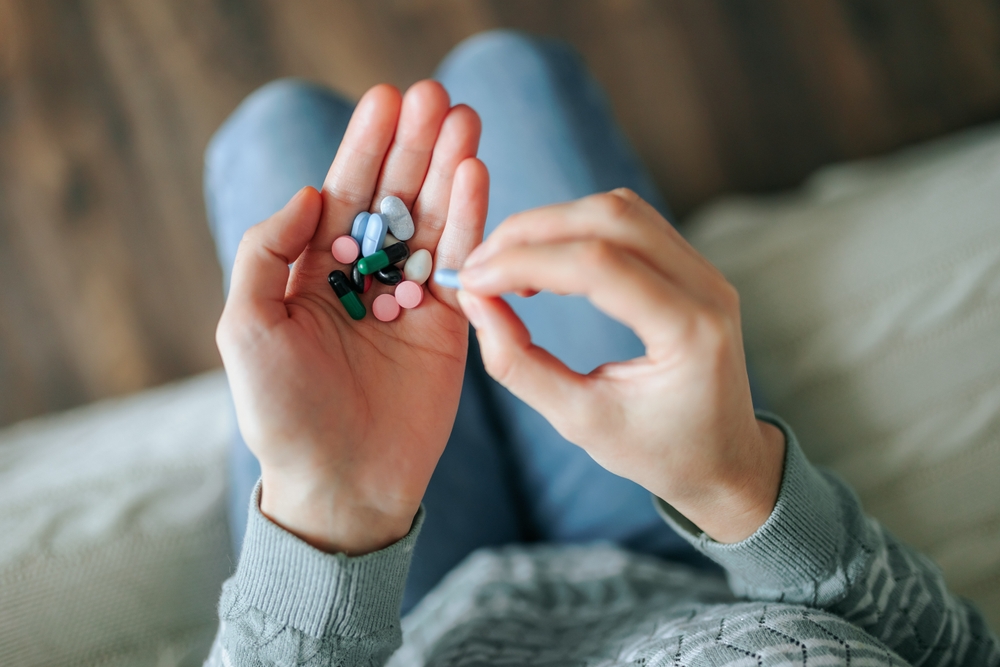
Among them are medications originally developed for epilepsy, GLP-1 weight-loss drugs that reduce sleep apnea severity in patients with obesity, and implantable devices that stimulate nerves controlling the tongue to keep the airway open during sleep.
Scientists have even investigated whether strengthening airway muscles through breathing exercises or activities such as blowing into a conch shell could provide additional benefits.
Each approach targets a different cause of airway collapse.
That growing variety reflects a broader shift in how experts understand obstructive sleep apnea.
For years, treatment focused almost entirely on mechanically holding the airway open.
Now researchers increasingly recognize that the condition develops through several biological pathways involving muscle control, nervous system signaling, breathing regulation, body weight, and airway anatomy.
That deeper understanding is opening doors to therapies that were once considered impossible.
Instead of asking every patient to adapt to the same machine, future treatment plans may offer several options based on the underlying causes of each individual’s condition.
Why Patients Should Not Abandon Current Treatment Yet
The enthusiasm surrounding AD109 has led some people living with sleep apnea to wonder whether they should simply wait for the pill instead of continuing their current therapy.
Sleep specialists strongly advise against that approach.
Untreated obstructive sleep apnea carries well-documented health risks, including hypertension, heart disease, stroke, diabetes, and impaired cognitive function. Even if a medication reaches pharmacies in the coming years, patients still need effective treatment today.
Anyone who suspects they may have sleep apnea should seek a formal sleep evaluation rather than relying solely on symptoms such as snoring or daytime fatigue.
Likewise, patients already using CPAP should continue following their prescribed treatment unless advised otherwise by their physician.
The encouraging trial results do not replace existing therapies overnight.
Instead, they point toward a future in which patients may finally have meaningful choices.
For decades, the CPAP machine has dominated the conversation around sleep apnea treatment because there were few viable alternatives. The latest research suggests that chapter may soon be coming to an end. If AD109 clears its final regulatory hurdles, millions of people who have struggled with uncomfortable masks and interrupted nights could finally have another option waiting at their bedside.




Free Porn Pics
Saturday 18th of July 2026
ya,im here
benefits of hair fall control permanently,Skin & Hair Care,Informational
Thursday 16th of July 2026
"This is a very inspiring and motivational read.",