
For years, scientists have searched for ways to slow Alzheimer’s disease before it begins stealing memories. Most efforts have focused on developing drugs that remove harmful proteins from the brain, but a new study suggests something far simpler may also make a difference. Researchers have found that a specialized brain-training game could reduce dementia risk by 25 percent while helping the brain clear one of the proteins most closely linked to Alzheimer’s disease.
The findings, presented at the Alzheimer’s Association International Conference in London, are the first to show that cognitive training may actually change a biological marker associated with dementia. While researchers say more studies are needed before drawing firm conclusions, the results add fresh evidence that challenging your brain in the right way may do far more than keep your mind busy.

The Brain Game That Produced Surprising Results
The training used in the study wasn’t a typical puzzle or memory quiz. Instead, participants completed a computer-based speed training program that required them to quickly identify where objects briefly appeared on a screen. As they improved, the exercises became faster and more difficult, forcing the brain to process information at increasing speed.
Researchers from Clemson University recruited 53 adults aged 65 and older from across the United States to test whether this type of training could influence brain health. Around one-third of the volunteers completed between two and four hours of speed training every week for four and a half months. Other participants spent the same amount of time playing Solitaire, word searches, a Connect 4-style game, or another form of cognitive training focused on tracking objects and switching tasks.
Before the training began, researchers collected blood samples from every participant. They repeated the tests after the study ended to see whether any biological changes had taken place. The results surprised the research team. Men who completed the speed-training exercises showed changes in blood markers suggesting their brains had become better at clearing beta-amyloid 42, the protein that forms sticky plaques associated with Alzheimer’s disease.
Presenting the findings, lead researcher Hye Won Chai said, “One of the main markers that’s indicative of future dementia risk got better for men who completed cognitive speed training.” Researchers say this is the first evidence that a form of brain training can influence a biological marker linked to neurodegenerative disease rather than simply improving performance on memory tests.

Why Beta-Amyloid Matters So Much
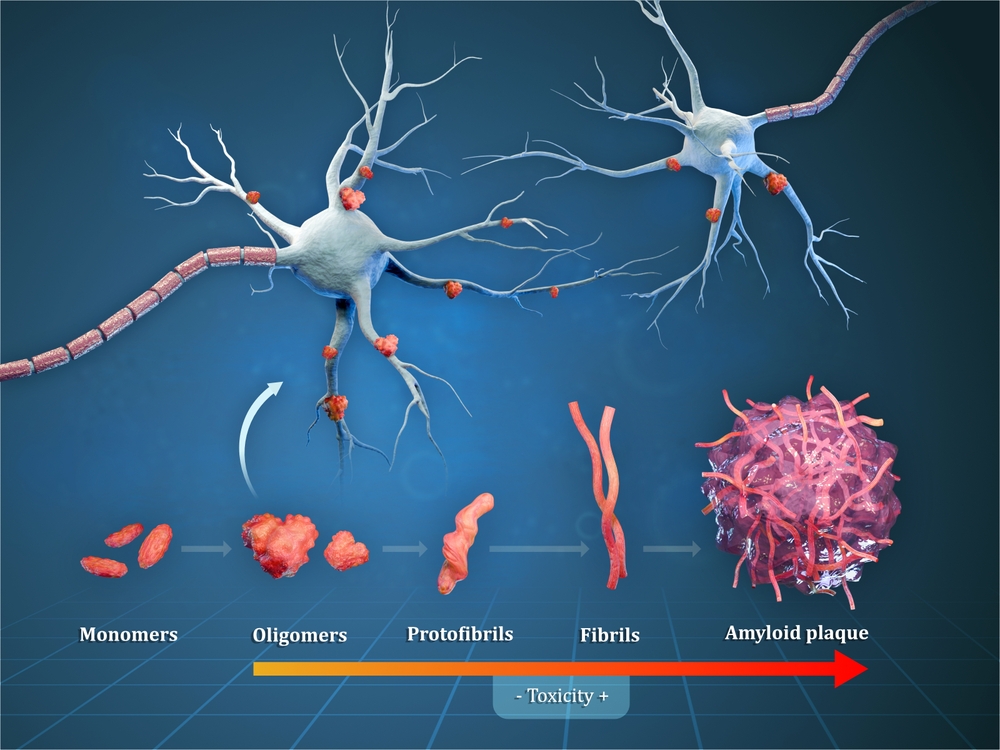
Beta-amyloid is one of the biggest targets in Alzheimer’s research. Under normal circumstances, the brain naturally produces and removes this protein throughout life. Problems begin when it starts building up faster than the brain can clear it away.
Over time, the excess protein sticks together and forms plaques between nerve cells. These plaques interfere with communication inside the brain, gradually damaging the areas responsible for memory, learning, and decision-making. Scientists consider beta-amyloid buildup one of the earliest signs that Alzheimer’s disease may be developing, even years before symptoms become obvious.
Because of its role in the disease, several Alzheimer’s drugs have been designed specifically to remove amyloid from the brain. Treatments such as lecanemab can reduce plaque levels, but they generally produce only modest improvements because patients often begin treatment after significant brain damage has already occurred.

Why Researchers Are Excited
The latest findings suggest there may be another way to tackle the problem. Instead of removing plaques after they have formed, cognitive speed training may help the brain naturally clear beta-amyloid before the disease has a chance to take hold.
That possibility makes the research particularly interesting because it focuses on prevention rather than treatment. If larger studies confirm the findings, structured brain training could eventually become one more tool people use to help protect their memory as they age.
The study also builds on earlier research involving the same training program. A landmark 20-year study previously found that older adults who completed the exercises were 25 percent less likely to be diagnosed with Alzheimer’s disease or another form of dementia than people in the control group. Until now, however, researchers had not understood exactly what was happening inside the brain to produce that long-term benefit.

Not Every Brain Game Produced the Same Results
One of the biggest surprises from the study was that simply keeping the brain busy wasn’t enough. Participants who spent months playing Solitaire, completing word searches, or using another computerized cognitive program did not show the same biological changes seen in the speed-training group.
Researchers believe the difference comes down to how intensely the brain is challenged. The speed-training exercises constantly push participants to process visual information more quickly while dividing their attention between multiple tasks. As performance improves, the game automatically becomes harder, preventing the brain from settling into familiar routines.
Scientists think this repeated mental challenge may strengthen the brain’s processing networks in ways that ordinary games cannot. While puzzles and card games can still be enjoyable and mentally stimulating, this study suggests they may not trigger the same biological response linked to Alzheimer’s risk.
The findings don’t mean people should abandon other mentally engaging hobbies. Instead, researchers say certain types of cognitive training appear to target specific brain functions that may have a greater impact on long-term brain health.

One Finding Left Researchers Searching for Answers
One unexpected result stood out during the analysis. Although both men and women completed the same training program, only men showed measurable improvements in the blood marker linked to beta-amyloid clearance.
Researchers aren’t yet sure why that happened. The study involved just 53 participants, meaning the sample size was relatively small. Scientists say larger clinical trials will be needed to determine whether the difference was genuine or simply due to chance.
There are also biological differences between men and women that could influence how the brain responds to cognitive training. Hormones, genetics, and the way Alzheimer’s develops across sexes are all areas researchers say deserve further investigation.
Rather than treating the result as a firm conclusion, the team sees it as an important clue that could shape future research into personalized approaches for dementia prevention.
Scientists Say More Research Is Still Needed

Despite the encouraging findings, researchers are urging caution. The study has not proven that playing one brain-training game can prevent Alzheimer’s disease or guarantee protection against dementia.
Instead, the research provides evidence that structured cognitive training may influence one of the biological processes associated with the disease. That’s an important distinction because reducing a risk factor is not the same as preventing the illness altogether.
The researchers now hope to repeat the study with much larger groups of participants over longer periods. They also want to investigate whether combining cognitive training with regular exercise, healthy eating, quality sleep, and good cardiovascular health could produce even greater benefits.
Understanding exactly how the brain responds to these combined lifestyle changes could help scientists develop more effective strategies for keeping people mentally healthy as they age.
A Growing Body of Evidence Is Pointing in the Same Direction
While this latest study focuses on beta-amyloid, it also adds to years of research suggesting that the brain remains adaptable well into older adulthood. Scientists increasingly believe the choices people make throughout life can influence how resilient the brain becomes against age-related decline.
Previous studies have already linked regular physical activity, social engagement, lifelong learning, and good sleep to better cognitive health. This new research suggests that targeted speed-processing exercises may deserve a place on that growing list.
The idea that a relatively simple computer-based activity could affect a biological marker tied to Alzheimer’s is exactly why researchers are paying close attention. If future studies confirm these findings, cognitive training could become a valuable addition to existing strategies aimed at lowering dementia risk.
For now, experts stress that no single activity is a magic solution. But as scientists continue searching for ways to delay or prevent Alzheimer’s disease, this specialized brain-training exercise is emerging as one of the most intriguing areas of research currently being explored.
Sources:
BrainHQ. (2023, November 30). Double decision – BrainHQ. https://www.brainhq.com/why-brainhq/about-the-brainhq-exercises/attention/double-decision/’