
Skip to Content

The Diet Linked to a Brain That Could Be Seven Years Younger

Imagine two people sitting down for the same memory test on the same afternoon. They are the same age, have similar education, and nothing obvious separates them on paper. Yet one performs like someone seven and a half years younger. That gap came from a study of 960 older adults in Chicago who completed food …
Read More about The Diet Linked to a Brain That Could Be Seven Years Younger

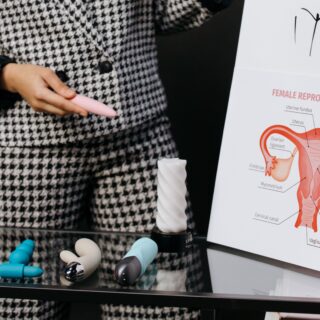
Scientists Discover What Happens to Ovaries Long After Menopause

Menopause marks the end of a woman’s reproductive years, but scientists are discovering that the ovaries may continue playing a biologically significant role long after fertility ends. New research suggests that these organs undergo age-related changes that could help explain aspects of women’s health during later life, including the growing risk of ovarian cancer. A …

Read More about Scientists Discover What Happens to Ovaries Long After Menopause

Scientists Made Cells From an 80 Year Old Appear Decades Younger

Scientists have found a way to make cells from an 80-year-old donor display a molecular age of less than 20, opening up new possibilities for studying how the body ages. The discovery came with an unexpected detail: the rejuvenation happened gradually, allowing researchers to watch the process unfold over more than 100 days. The research, …

Read More about Scientists Made Cells From an 80 Year Old Appear Decades Younger

New Nasal Spray Targets Brain Inflammation and Age Related Memory Loss

A treatment designed to travel through the nose has produced an intriguing result in brain aging research. Scientists reported that an experimental nasal spray reduced inflammation, improved cellular energy function and restored memory performance in preclinical models within weeks. The findings raise an important question about whether some age-related changes in the brain could eventually …

Read More about New Nasal Spray Targets Brain Inflammation and Age Related Memory Loss

Scientists Reveal How Weightlifting Could Help Keep Your Brain Younger

Lifting weights could offer an unexpected benefit for people hoping to stay healthier as they grow older. New research suggests resistance training may influence how old the brain appears, while a separate long-term study links regular strength workouts to a lower risk of premature death. The findings have drawn attention to two important questions about …

Read More about Scientists Reveal How Weightlifting Could Help Keep Your Brain Younger

Two Cancer Drugs Could Help Reverse Alzheimer’s Damage in Mice, Raising New Hope for Researchers

Two existing cancer medications have caught researchers’ attention after experiments suggested they could help reverse some of the brain changes associated with Alzheimer’s disease. When scientists combined the drugs in mice, they observed reduced harmful protein buildup and improvements in learning and memory, offering a new direction in the search for treatments. The medications are …

Read More about Two Cancer Drugs Could Help Reverse Alzheimer’s Damage in Mice, Raising New Hope for Researchers

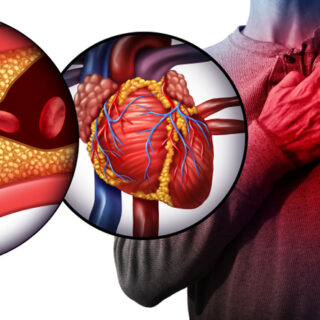
Transplanted Hearts May Change Their Biological Age After Surgery

What if an organ’s age were not as fixed as scientists once thought? A new Harvard-led study suggests that transplanted hearts can begin to take on the biological age of the people they enter, with older hearts showing molecular signs associated with rejuvenation inside younger recipients. The research is still preliminary, but it raises a …

Read More about Transplanted Hearts May Change Their Biological Age After Surgery

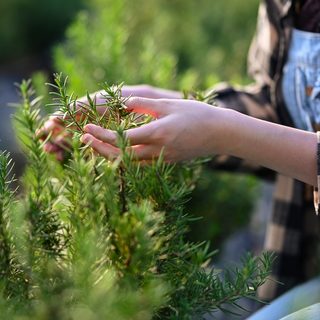
What Rosemary Could Mean for Your Memory and Brain Health

Have you ever wondered why rosemary has been associated with memory for centuries? This fragrant Mediterranean herb is best known as a kitchen staple, but its story goes beyond flavor. Rosemary has a long history of traditional use for memory and mental clarity, and modern research has begun examining whether some of its natural compounds …

Read More about What Rosemary Could Mean for Your Memory and Brain Health

This Cognitive Training Exercise Could Help Your Brain Age More Gracefully

For years, scientists have searched for ways to slow Alzheimer’s disease before it begins stealing memories. Most efforts have focused on developing drugs that remove harmful proteins from the brain, but a new study suggests something far simpler may also make a difference. Researchers have found that a specialized brain-training game could reduce dementia risk …

Read More about This Cognitive Training Exercise Could Help Your Brain Age More Gracefully

New Study Finds Updated COVID Vaccine May Help Protect the Heart

When most people think about COVID-19 vaccines, they think about preventing severe illness, hospitalization, or death. But new research suggests the benefits may extend beyond protecting the lungs. According to a large study involving more than one million U.S. veterans, receiving the updated 2024-2025 COVID-19 vaccine was associated with a lower risk of serious heart-related …

Read More about New Study Finds Updated COVID Vaccine May Help Protect the Heart

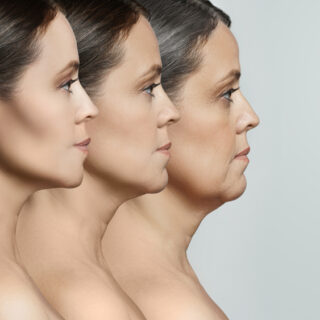
Why Embracing Your Real Age Can Improve Your Health And Confidence

A woman’s simple yet powerful statement, “I am 55 and I look exactly 55,” has resonated with thousands across the internet. At a time when social media often rewards filtered perfection and unrealistic youth standards, her words feel both refreshing and grounding. Rather than apologizing for aging or trying to justify it, she embraces it …

Read More about Why Embracing Your Real Age Can Improve Your Health And Confidence

Scientists Explore How Vitamin D Could Slow the Aging Process

Vitamin D has long been associated with bone density, calcium absorption, and immune resilience, yet scientists are now examining its possible connection to something much deeper: the biological aging process itself. Recent research suggests that vitamin D supplementation may help slow the shortening of telomeres, which are protective DNA caps located at the ends of …

Read More about Scientists Explore How Vitamin D Could Slow the Aging Process