
When most people think about COVID-19 vaccines, they think about preventing severe illness, hospitalization, or death. But new research suggests the benefits may extend beyond protecting the lungs. According to a large study involving more than one million U.S. veterans, receiving the updated 2024-2025 COVID-19 vaccine was associated with a lower risk of serious heart-related complications linked to COVID-19.
The findings add another piece to the growing body of evidence showing that COVID-19 is not simply a respiratory illness. The virus can also affect the cardiovascular system, sometimes triggering heart attacks, heart failure, strokes, and other potentially life-threatening conditions. Researchers say vaccination may help reduce some of those risks, particularly among older adults and people living with chronic health conditions.
A Large Study Looked at More Than One Million Veterans
The new research, published in JAMA Internal Medicine, analyzed electronic health records from the U.S. Department of Veterans Affairs. Researchers examined more than 1.03 million veterans who received their seasonal influenza vaccine between September and December 2024.
To better isolate the effect of the COVID-19 vaccine, the investigators compared two groups. One group received the updated COVID-19 vaccine on the same day as their flu shot, while the other received only the influenza vaccine. Around 349,000 participants received both vaccines, while approximately 690,000 received only the flu vaccine.

This approach helped reduce one of the biggest challenges in observational research. Instead of comparing vaccinated people with completely unvaccinated individuals, who often differ in many ways, researchers compared people who had all chosen to receive a flu vaccine. This made the two groups more similar and reduced the chance that healthier lifestyles alone explained the findings.
Participants were followed for about eight months after vaccination. During that period, researchers monitored the occurrence of major adverse cardiovascular events, commonly abbreviated as MACE.
Understanding Major Adverse Cardiovascular Events

The phrase “major adverse cardiovascular events” may sound technical, but it refers to several of the most serious heart-related medical emergencies.
For this study, researchers defined COVID-19-associated MACE as a combination of:
- Cardiovascular death
- Heart attack
- Stroke
- Hospitalization for heart failure
These complications occurred in connection with confirmed COVID-19 infections.
Scientists have known for several years that COVID-19 infection can trigger inflammation throughout the body. That inflammatory response can increase the risk of blood clots, damage blood vessels, and place extra stress on the heart, especially among older adults or people already living with cardiovascular disease.
Rather than looking only at whether vaccination prevented infection, the investigators wanted to know whether it could also reduce these dangerous downstream complications.
The Updated Vaccine Was Associated With Lower Cardiovascular Risk
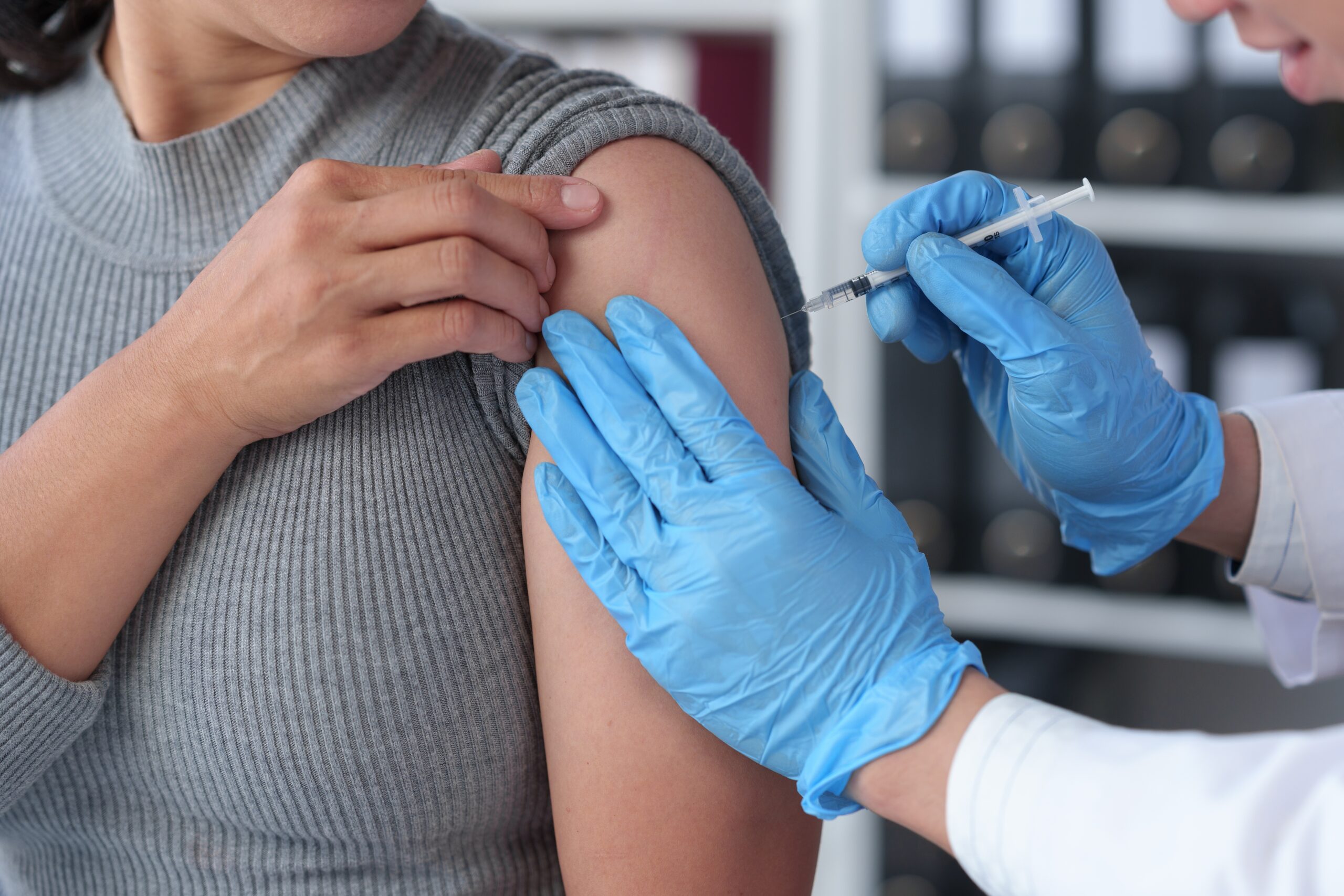
After analyzing the data, researchers found that veterans who received the updated COVID-19 vaccine experienced a lower risk of COVID-19-associated major cardiovascular events compared with those who received only the flu vaccine.
Overall, the vaccine was associated with a 37.7% reduction in COVID-related major adverse cardiovascular events during the eight-month follow-up period.
The researchers also observed lower risks across several individual outcomes.
Compared with participants who did not receive the COVID-19 vaccine, vaccinated individuals experienced:
- A 57.9% lower risk of cardiovascular death
- A 38.5% lower risk of heart attack
- A 41.9% lower risk of hospitalization for heart failure
The reduction in stroke risk did not reach statistical significance in this analysis, meaning researchers could not confidently conclude that vaccination lowered stroke risk in this particular study.
Although those percentages appear substantial, researchers also emphasized another important point. The overall number of cardiovascular events remained relatively small, meaning the absolute reduction in risk was modest across the entire study population.
Older Adults Appeared to Benefit the Most

One of the clearest findings involved age.
Researchers found that the strongest protective association occurred among adults aged 75 years and older.
In this group, the updated vaccine was associated with roughly a 50.7% reduction in COVID-related major cardiovascular events. The absolute reduction in risk was also larger than in younger participants.
By contrast, the study did not find statistically significant protection against these cardiovascular events in adults younger than 75 years. That does not necessarily mean the vaccine offered no benefit. Instead, it suggests there were too few events in those younger age groups to confidently demonstrate a measurable difference within this study population.
The investigators also found larger benefits among people living with chronic medical conditions, including cardiovascular disease, diabetes, chronic lung disease, kidney disease, and weakened immune systems.
These findings reinforce what physicians have observed throughout the pandemic. Older adults and people with underlying health conditions remain the groups most vulnerable to severe complications from COVID-19.
Why COVID-19 Can Affect the Heart

Many people still think of COVID-19 as an illness that primarily targets the lungs. While respiratory symptoms are common, researchers have spent years documenting how the virus can also affect the cardiovascular system.
When SARS-CoV-2 infects the body, it triggers an immune response designed to eliminate the virus. In some individuals, that response becomes widespread and leads to inflammation throughout the body.
Inflammation can injure the lining of blood vessels, making them more likely to develop clots. Existing fatty plaques inside arteries may also become unstable. If one of those plaques ruptures, a clot can quickly form and block blood flow to the heart or brain.
That chain of events can lead to heart attacks or strokes.
COVID-19 has also been linked to inflammation of the heart muscle, abnormal heart rhythms, worsening heart failure, and long-term cardiovascular complications in some patients.
Because vaccination generally reduces the severity of infection, researchers believe it may also reduce the inflammatory response responsible for many of these complications.
Dr. Glenn Hirsch, a cardiologist at National Jewish Health in Denver who was not involved in the study, said the findings are consistent with previous research involving both COVID-19 vaccines and vaccines against other infectious diseases.
“This result is consistent with previous studies of the COVID-19 vaccine and other vaccines against infectious diseases preventing cardiovascular events, including heart attack, cardiovascular cause of death or hospitalizations,” he said.
Hirsch explained that acute infections increase inflammation throughout the body, which can raise the risk of clot formation and trigger serious cardiovascular events.
“Vaccines either prevent infection or reduce the severity of infection and subsequent inflammation, lowering the cardiovascular risk,” he added.
Researchers Stress That This Was an Observational Study
Although the findings are encouraging, the researchers caution against interpreting them as proof that the vaccine directly prevented heart attacks or cardiovascular deaths.
This was an observational study, meaning investigators analyzed existing medical records rather than randomly assigning participants to receive or skip vaccination.
Observational studies are valuable because they reflect real-world healthcare, but they cannot completely eliminate the possibility that other factors influenced the results.
The research team adjusted for a wide range of health characteristics, previous vaccinations, medical conditions, healthcare use, and demographic differences between groups. Even so, they acknowledge that some unmeasured factors may still have affected the outcomes.
That distinction is important because an association does not automatically establish cause and effect.
Even with those limitations, the consistency of the findings with previous research provides additional support for the idea that preventing severe COVID-19 may also help reduce some of its cardiovascular consequences.
Looking Beyond Confirmed COVID Cases
In addition to examining heart problems directly linked to confirmed COVID-19 infections, the researchers also looked at broader health outcomes. They wanted to understand whether vaccination might influence cardiovascular events that occurred even when a COVID infection had not been officially documented.
The results suggested a wider protective association.
Compared with participants who received only the flu vaccine, those who also received the updated COVID-19 vaccine experienced lower rates of all-cause major adverse cardiovascular events, hospitalizations, and deaths during the eight-month follow-up period.
Researchers estimated approximately 24 fewer major cardiovascular events, 30 fewer hospitalizations, and 16 fewer deaths for every 10,000 vaccinated individuals.
While these reductions may appear modest on an individual level, they become much more meaningful across large populations. If similar trends hold true in broader groups, they could translate into thousands of prevented cardiovascular events each year.
The investigators believe one possible explanation involves undetected COVID-19 infections. Many infections now go untested or produce only mild symptoms, yet they may still contribute to inflammation that increases cardiovascular risk. By reducing the severity of these unnoticed infections, vaccination may also reduce some of their longer-term consequences.
Why the Benefits May Be Smaller Than Earlier in the Pandemic
Previous studies conducted during the early years of the pandemic often reported even larger protective effects from COVID-19 vaccination.
Researchers say several factors likely explain why the current study found more modest reductions.
First, the virus itself has changed. The SARS-CoV-2 variants circulating today generally cause less severe illness than the earliest strains that spread around the world in 2020.
Second, many people now have some level of immunity from prior infections, previous vaccinations, or both. That existing immunity already reduces the likelihood of severe disease, making it more difficult to demonstrate large additional benefits from another vaccine dose.
Testing patterns have also changed dramatically. During the height of the pandemic, people with respiratory symptoms were far more likely to undergo COVID testing. Today, many infections are never confirmed with laboratory tests. That makes it harder for researchers to identify every COVID-related cardiovascular complication and may lead to underestimation of the vaccine’s protective effects.
Despite these changes, the investigators concluded that updated vaccination continued to provide measurable protection against serious cardiovascular outcomes in higher-risk groups.

Independent Experts Say the Findings Fit With Existing Evidence
Experts who were not involved in the research say the results are consistent with what scientists have learned about infectious diseases and cardiovascular health over many years.
Acute infections have long been associated with an increased risk of heart attacks and strokes. Influenza, pneumonia, and other serious infections can all trigger inflammation that places additional stress on the cardiovascular system.
COVID-19 appears to have a similar effect, although the virus has received far greater scientific attention because of the scale of the pandemic.
Dr. Glenn Hirsch noted that vaccines help lower cardiovascular risk by preventing infection altogether or by reducing its severity.
He also pointed out that the current study should be interpreted alongside its limitations.
“The bottom line is that there is still evidence of benefit from COVID-19 vaccination like many other infectious disease vaccinations, and people should be encouraged to discuss these with their healthcare team annually,” Hirsch said.
He also cautioned that the study did not evaluate potential vaccine side effects and that observational research cannot eliminate every possible source of bias.
An accompanying editorial published with the research reached a similar conclusion.
Dr. Robert Califf, former commissioner of the U.S. Food and Drug Administration, wrote that COVID-19 should increasingly be viewed alongside other infectious diseases for which vaccination provides meaningful protection.
He noted that although the magnitude of protection has become smaller over time, updated vaccines continue to reduce the risk of hospitalization, cardiovascular complications, and death.
What the Study Does Not Tell Us

As encouraging as these findings are, they leave several important questions unanswered.
The study population consisted primarily of older male veterans, with an average age of about 70 years. More than 90% of participants were men. That means the results may not apply equally to younger adults, women, or populations with different health characteristics.
The researchers also did not compare individual vaccine brands in enough detail to determine whether one formulation offered greater cardiovascular protection than another.
Nor did the study evaluate vaccine-related adverse events. Its primary purpose was to investigate potential cardiovascular benefits associated with updated vaccination.
Another important limitation is that researchers could not determine exactly how much of the observed protection resulted directly from preventing COVID infections versus reducing illness severity after infection.
Future studies involving more diverse populations and longer follow-up periods will help answer many of these questions.
What This Means for Your Health
For most healthy younger adults, the absolute reduction in cardiovascular events observed in this study was relatively small.
The picture looked different for older adults and people living with chronic medical conditions.
Individuals over age 75 experienced the largest measurable benefit, and those with existing cardiovascular disease, diabetes, chronic lung disease, kidney disease, or weakened immune systems also appeared to gain more protection.
That does not mean everyone needs the same vaccination strategy. Decisions about COVID vaccination remain personal and should consider age, overall health, previous infections, underlying medical conditions, and conversations with a trusted healthcare professional.
The findings do reinforce one important point. Preventing severe COVID-19 may have benefits that extend beyond avoiding a few days of respiratory illness.
Researchers increasingly recognize that COVID can affect multiple organ systems, including the heart, blood vessels, kidneys, and nervous system. Measures that reduce infection severity may therefore help lower the risk of complications that develop during or after illness.
For people already at elevated cardiovascular risk, those potential benefits become especially relevant.

Practical Ways to Support Heart Health
Vaccination represents only one part of protecting cardiovascular health. Decades of research continue to show that everyday habits have an even greater influence on long-term heart disease risk.
Some of the most effective strategies include:
- Staying physically active through regular walking, strength training, or other forms of exercise.
- Managing blood pressure, cholesterol, and blood sugar with the help of healthcare professionals.
- Eating a diet centered on vegetables, fruits, whole grains, legumes, nuts, and healthy sources of protein.
- Avoiding tobacco products and limiting alcohol consumption.
- Getting adequate sleep and managing chronic stress.
- Keeping recommended vaccinations up to date, particularly for respiratory infections that can place additional strain on the heart.
No single measure completely eliminates cardiovascular risk, but combining preventive strategies often provides the greatest protection over time.
A Growing Picture of COVID’s Lasting Effects
Six years after the start of the pandemic, researchers continue to learn more about the ways COVID-19 affects the body.
This latest study suggests the updated 2024-2025 vaccine may offer more than protection against severe respiratory illness. Among older adults and those with chronic health conditions, vaccination was associated with fewer COVID-related heart attacks, heart failure hospitalizations, cardiovascular deaths, and other major cardiac events.
Because the research was observational, it cannot prove that vaccination directly caused those improvements. Even so, the findings align with a growing body of evidence showing that reducing the impact of COVID-19 may also lessen some of its most serious cardiovascular consequences.
As scientists continue to study the long-term effects of SARS-CoV-2 infection, research like this helps build a clearer understanding of how preventive measures may protect not only the lungs, but the heart as well.
Sources:
- Xie, Y., Xu, E., Bowe, B., & Al-Aly, Z. (2022). Long-term cardiovascular outcomes of COVID-19. Nature Medicine, 28(3), 583–590. https://doi.org/10.1038/s41591-022-01689-3
- Siegel, R. L., Kratzer, T. B., Giaquinto, A. N., Sung, H., & Jemal, A. (2025). Cancer statistics, 2025. CA a Cancer Journal for Clinicians, 75(1), 10–45. https://doi.org/10.3322/caac.21871