
For most people, becoming a commercial pilot is a matter of training, passing medical exams, and logging enough hours in the cockpit. For Daniel Cressy, the dream seemed impossible before it had even begun.
Diagnosed with sickle cell disease as an infant, the 23-year-old from Metairie, Louisiana, spent his entire life managing a condition that causes chronic pain, repeated hospitalizations, and serious health risks. Now, after undergoing an innovative gene therapy treatment, he has become the first person in Louisiana and the Gulf Coast region to be functionally cured of the disease, opening a future that once appeared permanently out of reach. The achievement represents far more than one patient’s success. It also highlights how advances in genetic medicine are beginning to transform the outlook for people living with one of the world’s most common inherited blood disorders.
A Life Defined by an Invisible Disease
Daniel Cressy’s childhood looked much like that of many young people growing up in Louisiana. He had ambitions, hobbies, and big plans for the future. Yet behind the scenes, sickle cell disease shaped almost every major decision in his life.
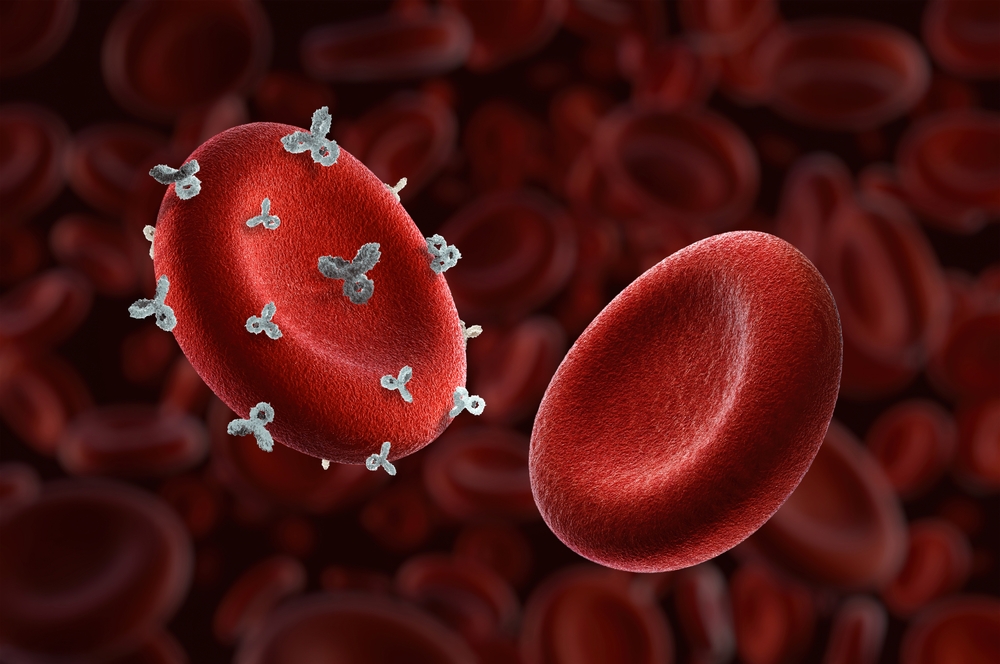
Sickle cell disease is an inherited disorder that affects hemoglobin, the protein inside red blood cells responsible for carrying oxygen throughout the body. Instead of remaining round and flexible, affected blood cells become rigid and crescent shaped. These misshapen cells can block blood flow, reducing oxygen delivery to organs and tissues while triggering severe pain episodes known as vaso-occlusive crises.
For many patients, the condition means frequent emergency room visits, long hospital stays, organ damage, and a shorter life expectancy. Even routine activities can become physically exhausting because the body struggles to transport oxygen efficiently.
The disease disproportionately affects African Americans in the United States. According to health officials, Louisiana reports more cases per capita than any other state, making access to advanced treatment particularly important for families across the region.
Despite those challenges, Cressy never abandoned his childhood ambition of becoming a commercial airline pilot.
That goal eventually collided with a difficult reality.
When Medical Rules Stand Between Dreams
Commercial pilots must meet strict medical standards established by the Federal Aviation Administration. Because sickle cell disease can create life threatening complications at high altitudes, applicants with the condition generally cannot qualify for certification.
For Cressy, learning that his diagnosis prevented him from pursuing aviation was devastating. Years of planning suddenly seemed meaningless.
Everything changed when he learned there might be one path forward.
Advances in gene editing had begun offering selected patients an opportunity that had never existed before. Rather than simply treating symptoms, researchers had developed therapies designed to correct the underlying genetic problem responsible for the disease.
If successful, patients could reach what physicians describe as a “functional cure,” meaning the disease is no longer active even though the person’s original DNA remains part of their biology.
That possibility gave Cressy a reason to keep pursuing the future he had imagined since childhood.
A Two-Year Journey Toward Gene Therapy

Reaching that milestone was anything but simple.
Doctors at Manning Family Children’s Hospital spent nearly two years preparing Cressy for treatment. The process involved extensive testing, evaluations, and coordination before he could even receive the therapy.
Last year, physicians collected stem cells from his own body over several days. Those cells were then shipped to a specialized laboratory in Scotland, where scientists used CRISPR-Cas9 gene editing technology to modify them.
Rather than introducing donor cells, researchers corrected the patient’s own stem cells so they would no longer produce the defective hemoglobin responsible for sickle cell disease.
While those cells were being prepared overseas, Cressy continued waiting for the next stage of treatment.
When the modified cells returned to Louisiana earlier this year, doctors first administered chemotherapy. Although chemotherapy is often associated with cancer treatment, in this case it served another purpose.
The medication cleared enough of Cressy’s existing bone marrow to make room for the corrected stem cells to grow and begin producing healthy blood cells.
Only after completing chemotherapy did physicians infuse the edited cells back into his bloodstream.
Recovery proved physically demanding.
Cressy remained hospitalized for several weeks while doctors closely monitored his immune system and watched for complications that can accompany this type of intensive treatment.
The Day Everything Changed
One hundred days after chemotherapy, physicians delivered the news Cressy had hoped to hear for years.
His blood cells were no longer sickling.
His hemoglobin levels had reached normal ranges for the first time in his life.
Doctors declared him functionally cured.
The announcement came during a celebration at Manning Family Children’s Hospital, where family members, friends, physicians, state leaders, and healthcare staff gathered as Cressy rang the ceremonial bell often used to mark major treatment milestones.
For him, the moment carried emotional weight that extended far beyond medical success.
“This entire journey was the hardest thing I’ve been through in my life,” Cressy said while reflecting on the experience.
Later, describing what the milestone meant personally, he added, “God has given me another life, a new chapter. I was able to experience a second birthday, something that most people will never experience.”
His doctors shared that excitement.
“Today, his cells are no longer sickling. Today, his hemoglobin is normal for the first time in his life,” physician Ben Watkins said during the announcement.
For medical teams who have cared for children with sickle cell disease for decades, the achievement represented years of scientific progress finally reaching patients who needed it most.
More Than One Patient’s Victory

Hospital leaders emphasized that Cressy’s story is larger than one remarkable recovery.
Curative gene therapy has only recently become available at a limited number of medical centers across the United States. Manning Family Children’s Hospital is among the select programs authorized to offer FDA-approved gene-altering treatments for sickle cell disease, giving patients in Louisiana access to care that previously required traveling long distances.
That matters because geography has often determined who could realistically pursue advanced treatment.
Cressy has spoken openly about the delays he faced while waiting for approval through Louisiana’s Medicaid program before therapy could begin. Even after approval, the treatment required extraordinary coordination involving specialists across multiple countries.
Reports estimate the therapy itself costs more than $2 million, illustrating why insurance coverage and healthcare policy remain central to expanding access for future patients.
Yet for families living with sickle cell disease, the conversation increasingly extends beyond cost.
For generations, treatment focused on managing pain crises, preventing infections, reducing complications, and improving quality of life. Gene editing now offers a fundamentally different possibility by addressing the disease at its genetic source.
That shift has generated cautious optimism among physicians who have watched patients endure lifelong suffering despite the best available medical care.
Cressy hopes his experience encourages others facing similar circumstances.
“I don’t want anybody else to have to experience the loneliness and the uncertainty and the hopelessness that I felt a couple of years ago,” he said during the hospital’s announcement.
How Gene Editing Is Changing the Outlook for Sickle Cell Disease
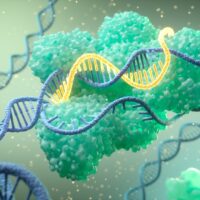
The treatment that changed Cressy’s life is based on CRISPR-Cas9, a gene-editing technology that has transformed medical research over the past decade. Unlike traditional treatments that focus on reducing symptoms, CRISPR allows scientists to make precise changes to a patient’s own cells before returning them to the body.
In Cressy’s case, doctors collected his blood-forming stem cells and sent them to a specialized laboratory, where researchers edited the cells so they could produce healthy hemoglobin instead of the defective form responsible for sickle cell disease. After chemotherapy cleared space in his bone marrow, the modified cells were infused back into his bloodstream, allowing them to grow and generate healthy red blood cells over time.
The treatment does not instantly erase every challenge associated with sickle cell disease. Patients must still recover from chemotherapy, attend regular follow-up appointments, and undergo years of monitoring. Even so, early results from approved therapies have given many physicians confidence that gene editing can dramatically reduce or eliminate the painful complications that have defined patients’ lives for decades.
Researchers continue studying the long-term durability of these treatments, but the early outcomes have been encouraging enough for regulators to approve gene-editing therapies for eligible patients.
Understanding What a Functional Cure Means
When doctors announced that Cressy had been functionally cured, they chose those words carefully.
A functional cure does not mean every trace of the inherited mutation has disappeared from the body. Instead, it means the disease is no longer causing the symptoms and complications that once dominated a person’s life.
For someone living with sickle cell disease, that distinction is significant.
Patients often spend years coping with unpredictable pain crises that can arrive without warning. They face an increased risk of stroke, lung complications, infections, kidney damage, and other serious medical problems. Many require repeated hospital admissions throughout childhood and adulthood.
Removing those day-to-day burdens can dramatically change a person’s quality of life.
Cressy has already noticed the difference.
Before treatment, strenuous activity could trigger pain episodes or leave him feeling ill. Since recovering from therapy, he has been able to participate in activities that once carried considerable risk.
Speaking after completing treatment, he recalled playing kickball and running without experiencing the complications that previously limited him.
“My body’s sore, but that’s normal,” he said, describing a type of soreness he had rarely been able to enjoy before because ordinary physical exertion often came with far greater consequences.
While every patient’s experience is different, stories like Cressy’s offer a glimpse of what may become possible as gene-editing therapies continue to improve.
Why Access Remains One of the Biggest Challenges
Scientific progress has opened new doors, but those doors are still difficult for many patients to reach.
Gene-editing therapy is among the most sophisticated medical treatments currently available. It requires highly specialized laboratories, experienced transplant teams, extended hospital stays, and months of follow-up care. Only a limited number of medical centers across the United States currently offer these procedures.
Cost also remains a major consideration.
Reports have estimated that Cressy’s treatment cost approximately $2.2 million before insurance coverage and negotiated payment arrangements. Although that figure reflects the complexity of the therapy rather than what individual patients necessarily pay, it highlights the financial challenges healthcare systems must address as these treatments become more widely available.
Cressy has spoken openly about the importance of expanding access beyond major medical centers.
“Someone’s ability to access treatment and potentially cure should not be defined by their zip code,” he said.
“People in Louisiana deserve the same opportunity as people anywhere else in this country. The people living with sickle cell disease are here. They are neighbors, our friends, our families.”
His comments reflect a broader conversation taking place across American healthcare as physicians, insurers, researchers, and policymakers consider how to make advanced genetic therapies available to more patients.
A Community That Has Waited Decades for Better Options
Sickle cell disease has historically received less public attention than many other inherited disorders despite affecting thousands of Americans.
The condition predominantly affects people of African ancestry, although it can also occur in individuals whose families come from parts of the Mediterranean, the Middle East, India, and Latin America.
According to the Centers for Disease Control and Prevention, sickle cell disease remains the most common inherited blood disorder worldwide. Louisiana carries an especially heavy burden, with roughly 3,000 people living with the condition and the highest number of cases per capita in the United States.
For many families, treatment has traditionally focused on reducing pain, preventing infections, managing complications, and improving survival rather than eliminating the disease itself.
Gene-editing therapies have begun changing that conversation.
Although these treatments are not suitable for every patient, they represent a major shift in how doctors approach sickle cell disease. Instead of managing symptoms throughout a person’s lifetime, physicians can now offer some eligible patients the possibility of living without the disease driving their daily decisions.
Medical experts caution that continued research, long-term monitoring, and broader access will be essential before these therapies become routine. Even so, each successful treatment expands understanding of what may be possible in the years ahead.
Looking Toward a Future Once Thought Impossible
For Cressy, the end of treatment marks the beginning of a new chapter rather than the conclusion of his story.
His ambition to become a commercial pilot remains firmly in sight, and he plans to continue working toward meeting the Federal Aviation Administration’s medical requirements now that his disease is no longer active.
He also hopes to turn his personal experience into something larger than himself.
Throughout his treatment, Cressy has discussed plans to write a book titled Blessing in the Skies and establish the Privileged Pilots Project, a nonprofit organization dedicated to expanding access to healthcare, aviation, education, and opportunity for people facing medical, financial, or social barriers.
Reflecting on everything he has endured, he described the experience as giving him a renewed sense of purpose.
“While many spend their lives searching for purpose, mine found me,” he said. “Now, instead of looking for meaning, I can spend my life fulfilling it.”
His words capture why this medical milestone has resonated with so many people beyond Louisiana.
It is the story of a young man who refused to abandon a lifelong dream, even after being told his illness made it impossible. It is also a reminder that advances in medicine are measured not only by laboratory breakthroughs, but by the lives they allow people to reclaim.
For families affected by sickle cell disease, each successful treatment offers another reason to believe that the future may look very different from the past. As more hospitals adopt gene-editing therapies and researchers continue refining the technology, stories like Daniel Cressy’s may become less extraordinary and far more common. That would represent one of the most meaningful victories modern medicine could achieve.


pHqghUme
Thursday 17th of September 2026
1