Every cell in your body runs on power, and that power comes from tiny structures called mitochondria. Most people never think about them, and for most people, that is fine. For others, mitochondria are the source of a slow and often devastating deterioration that begins in childhood and leaves doctors with little more to offer than symptom management.
Something goes wrong in the DNA that mitochondria carry, independently of the rest of the cell. A single letter out of place, a small error in a genetic code that nobody has ever been able to reach and correct, and the consequences ripple outward for a lifetime across muscles, brains, and hearts. Because mitochondrial DNA passes only from mothers to their children, the same errors reappear across generations in the same families, largely untouched by medicine.
For decades, scientists have known how to edit DNA. What they have not been able to do is get inside mitochondria to use those tools. Now, a team of researchers from the Netherlands has changed that, and what they found across a series of carefully designed lab experiments has opened a door that many in the field believed might stay shut for considerably longer.
The Part of Your DNA Medicine Forgot
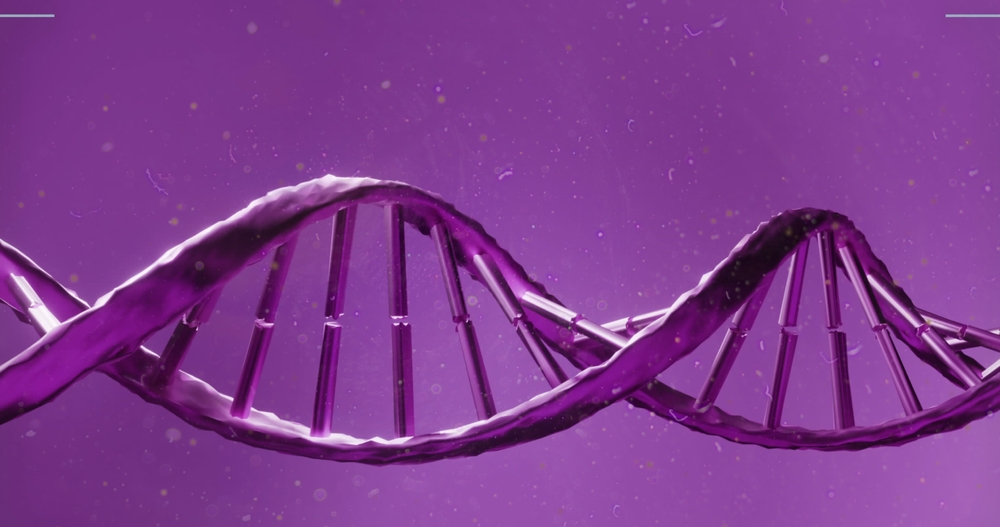
Mitochondria sit inside cells by the hundreds, sometimes thousands. Each one carries its own tiny strand of DNA, separate from the genetic material stored in the cell’s nucleus. When that mitochondrial DNA carries a mutation, it can impair the mitochondria’s ability to produce energy, and since almost every process in the human body depends on that energy supply, the effects can spread across multiple organ systems at once.
Children born with mitochondrial disorders can face a range of serious outcomes. Some experience muscle weakness and fatigue so severe that ordinary daily activity becomes impossible. Others develop neurological problems, hearing loss, or heart conditions that worsen progressively over time. Mitochondrial mutations also play a well-documented role in certain cancers and in many conditions associated with aging. Because these mutations pass only through the maternal line, they represent a distinct and traceable category of inherited disease that affects families across generations.
For all of this, medicine has had essentially no curative answer. Doctors can manage some symptoms, slow certain forms of decline, and provide supportive care to families navigating an extraordinarily difficult set of diagnoses. What they cannot do is fix the error at its source, because reaching mitochondrial DNA has, until very recently, been impossible for gene editing tools.
Why CRISPR Could Not Help
Gene editing transformed medicine over the past decade in ways few scientific developments have matched. CRISPR allowed researchers to cut out faulty sections of DNA and let cells repair themselves, opening treatment possibilities for conditions that had seemed permanently out of reach. Patients with mitochondrial diseases watched all of this progress from a distance, unable to benefit from it.
CRISPR works in the cell’s nucleus, where most human DNA lives. Mitochondria sit behind a double membrane that CRISPR cannot cross, leaving their DNA effectively sealed off from the editing revolution taking place elsewhere in the cell. For years, that barrier meant mitochondrial genetics was stuck in a pre-genetic engineering era while every other area of the field moved forward.
“Mitochondrial patients have not been able to benefit from the CRISPR revolution for so long, but recently the technology has come available with which we can finally repair mitochondrial mutations,” the study’s authors wrote.
That statement, from a paper published in PLOS Biology by the Dutch research team, carries the weight of everything that came before it. Behind those words are decades of patients and families who were told, in various ways, that the tools simply did not exist yet.
A Different Kind of Editor
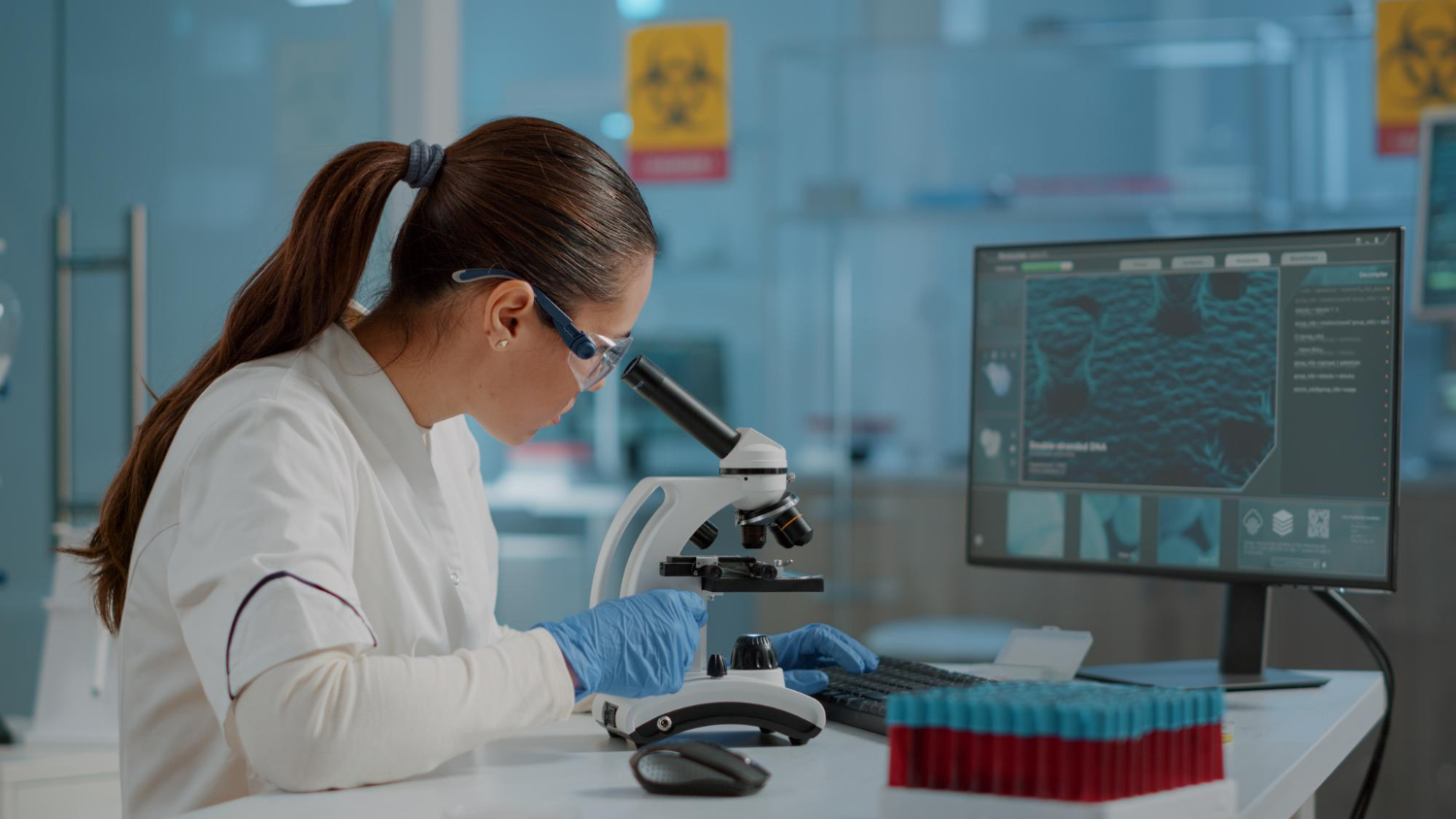
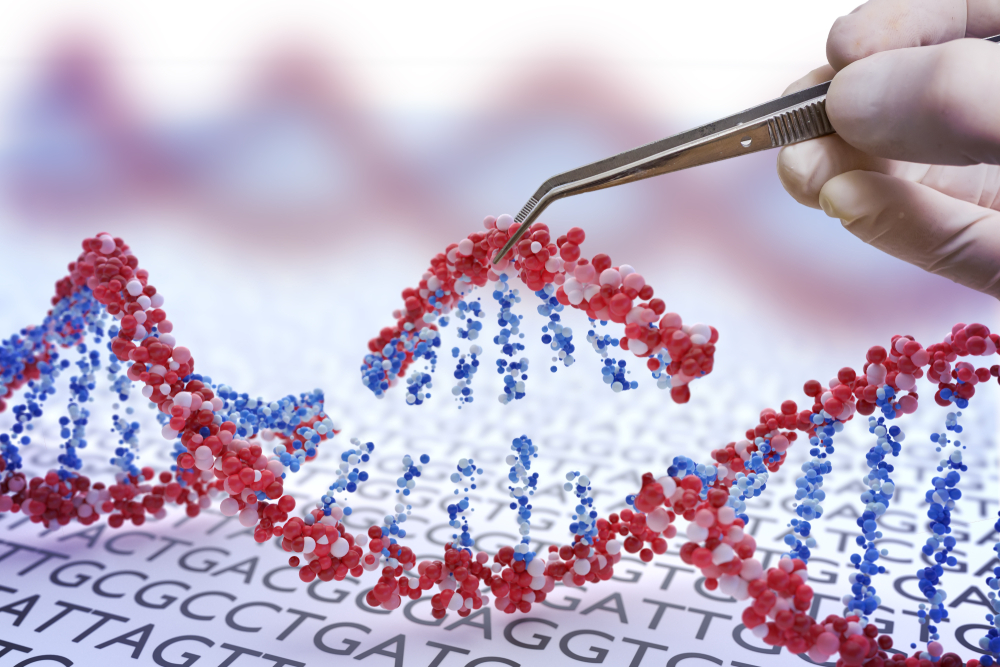
What the Dutch team used instead of CRISPR is a tool called a base editor, known as DdCBE. Where CRISPR works by cutting DNA at a targeted location, DdCBE works more like a precise chemical swap. Rather than breaking the DNA strand, it changes a single letter in the genetic code, converting one chemical base into another without any cutting involved whatsoever.
DdCBE finds its target using protein guides called TALEs, which are designed to recognise a specific sequence in the mitochondrial DNA and bring the editing machinery to exactly the right location. Because the tool does not cut the DNA strand, the risk of triggering unwanted repair processes that could introduce additional errors is much lower than with cutting-based approaches. Precision matters enormously in gene editing, and DdCBE’s mechanism offers a level of specificity that is particularly important when working inside mitochondria, where any editing error could affect energy production across large numbers of cells at once.
Researchers had known about base editing for some years, and earlier work showed it could introduce mutations into mitochondrial DNA in animal models. What had never been demonstrated before this study was whether it could actually correct a harmful mutation in cells taken from a real human patient and restore those cells to healthy function.
Building a Disease in a Lab Dish
Before attempting to fix anything, the researchers needed to prove they could reliably create a disease model using their tool. Working with human liver organoids, small, lab-grown structures that replicate some of the liver’s biological behaviour, they used DdCBE to introduce a specific harmful mutation into mitochondrial DNA.
Cells carrying roughly 24 percent of the mutated DNA showed a 23 percent reduction in energy production compared to unedited cells. That result confirmed two things: the editing tool worked as intended, and the organoid model responded in ways that matched what happens inside real patients. Across individual cells, editing efficiency varied considerably, ranging from no effect in some cells to an 80 percent edit rate in others. Rather than being a problem, that variability gave researchers a way to study how different levels of mutation affect disease severity, which is itself a meaningful research tool for understanding how mitochondrial conditions progress.
Fixing a Real Patient’s Cells
Demonstrating that a disease model could be built was one thing. Correcting an actual patient’s cells was another, and that is where the study’s most meaningful result emerged.
Skin cells donated by a patient with a mitochondrial disorder called Gitelman-like syndrome carried a mutation in a gene responsible for producing a molecule needed to build proteins inside mitochondria. Using DdCBE, the research team applied the base editor to those cells and corrected the mutation. After editing, the cells showed restored mitochondrial membrane potential, a measurable sign that the mitochondria were functioning properly again.
What happened next was perhaps the result researchers had hoped for but could not count on. Over 50 days of observation, the proportion of corrected DNA in the edited cells held steady and, in many cases, increased slightly over time. Corrected mitochondria were not being pushed out by uncorrected ones. For a treatment to work durably inside a patient’s body, edited cells need to persist rather than disappear, and this data suggested that they would.
“Our study thus demonstrates the potential of mitochondrial base editing to not only generate unique in vitro models to study these diseases, but also to functionally correct mitochondrial mutations in patient-derived cells for future therapeutic purposes,” the authors wrote.
Getting the Tool Inside Safely
A gene editing tool that works in a lab dish is not a treatment until there is a way to deliver it into a living body without causing harm along the way. That delivery problem has undermined more than a few promising therapies, which made the delivery component of this study particularly consequential to get right.
Traditional DNA-based delivery methods can cause immune reactions and are associated with cell toxicity. Researchers tested two alternatives. Delivering the base editor as mRNA, a set of instructions that cells read and then discard, increased editing efficiency and caused far less cell death than DNA delivery. Transfection efficiency with mRNA reached 96.6 percent in patient fibroblasts, compared to just 13.1 percent with standard DNA delivery.
Lipid nanoparticles, the tiny fat-based capsules used to deliver mRNA in COVID-19 vaccines, also performed well. Over 90 percent of patient cells received the editing tool when delivered this way, and the resulting corrections appeared at meaningful rates. Off-target edits, accidental changes to the wrong part of the genome, were minimal. Across nine sites in the nuclear DNA with high similarity to the editor’s target sequence, no consistent off-target editing appeared, which matters greatly for long-term patient safety.
What Still Needs to Happen
None of what the Dutch team demonstrated has been tested in a living person, and that gap between a lab result and a clinical treatment is where most promising science spends years before going anywhere. Animal studies come first, followed by safety trials, then efficacy trials, and all of that takes time that patients with active disease do not have in comfortable abundance.
Editing efficiency varied considerably from cell to cell, and researchers need to understand why before they can ensure that a treatment works reliably across the full range of cells that would need correcting in a patient’s body. Lipid nanoparticles, for all their promise as a delivery vehicle, tend to accumulate in the liver after intravenous injection, which is good news for liver-related mitochondrial conditions but limits their reach to other organs that mitochondrial disease also affects. Active organ-targeting strategies in the LNP field are advancing, but they remain an open question for now rather than a solved one.
Why Any of This Matters
Calling something a breakthrough deserves care, because the history of medicine is full of lab findings that did not survive the journey to patient care. What the Dutch study represents is something more specific: proof that a tool exists, that it can reach mitochondrial DNA, that it can correct a real patient’s mutation, and that the correction holds over time in a way that would matter clinically.
“The potential of mitochondrial base editing in disease modeling and potential therapeutic interventions makes it a promising avenue for future research and development in mitochondrial medicine,” the study’s authors noted.
For families living with mitochondrial disorders, the weight of that statement lies not in what it promises, but in what it confirms. A path exists. Researchers are on it, moving with tools that did not exist even a few years ago. For conditions that have had neither a reliable map nor a workable destination for as long as anyone has been looking, that is not a small development.
Source: Joore, I. P., Shehata, S., Muffels, I., Castro-Alpízar, J., Jiménez-Curiel, E., Nagyova, E., Levy, N., Tang, Z., Smit, K., Vermeij, W. P., Rodenburg, R., Schiffelers, R., Nieuwenhuis, E. E., Van Hasselt, P. M., Fuchs, S. A., & Koppens, M. a. J. (2025). Correction of pathogenic mitochondrial DNA in patient-derived disease models using mitochondrial base editors. PLoS Biology, 23(6), e3003207. https://doi.org/10.1371/journal.pbio.3003207