
For the first time, a man with a 37-year history of Type 1 Diabetes (T1D) has begun producing his own insulin after receiving a transplant of gene-edited pancreatic cells. This groundbreaking clinical trial marks a pivotal moment in the search for a cure, offering a potential future where the daily burden of insulin injections and constant glucose monitoring could become a thing of the past. The success of this single-patient study provides powerful evidence that genetically engineering cells to be “invisible” to the immune system is a viable path toward a functional cure for the disease.
The Daily Reality of Type 1 Diabetes
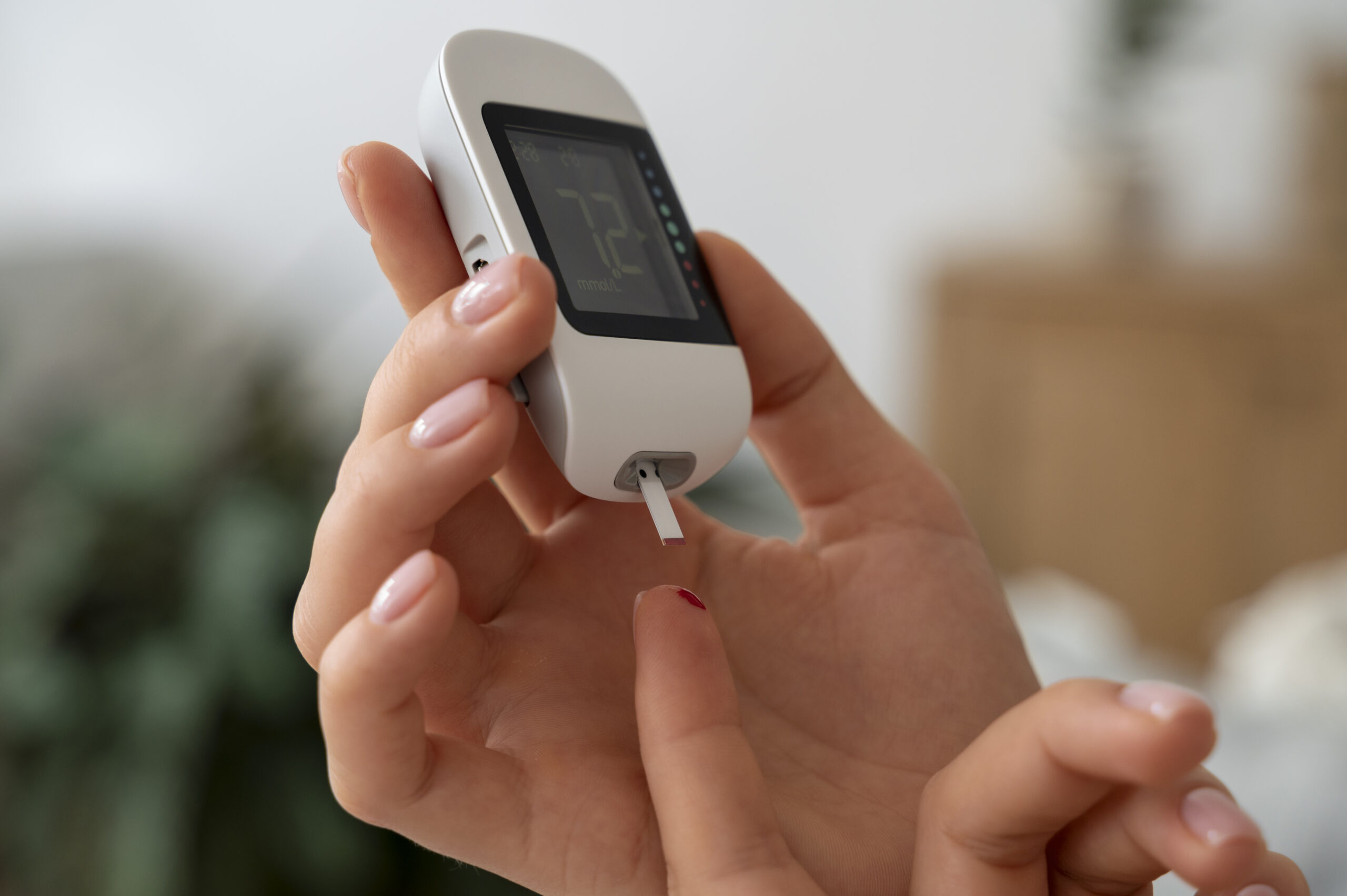
Type 1 Diabetes is an autoimmune disease where the body’s own immune system mistakenly attacks and destroys the insulin-producing beta cells in the pancreas. Without insulin, the body cannot properly use sugar for energy, leading to dangerously high blood sugar (hyperglycemia). If left unmanaged, this can result in immediate, life-threatening conditions like diabetic ketoacidosis. Over time, sustained high blood sugar slowly damages blood vessels, causing a host of long-term complications like retinopathy (which can steal a person’s sight), nephropathy (kidney disease that can lead to dialysis), and neuropathy (nerve damage that can cause chronic pain or a dangerous loss of sensation in the feet).
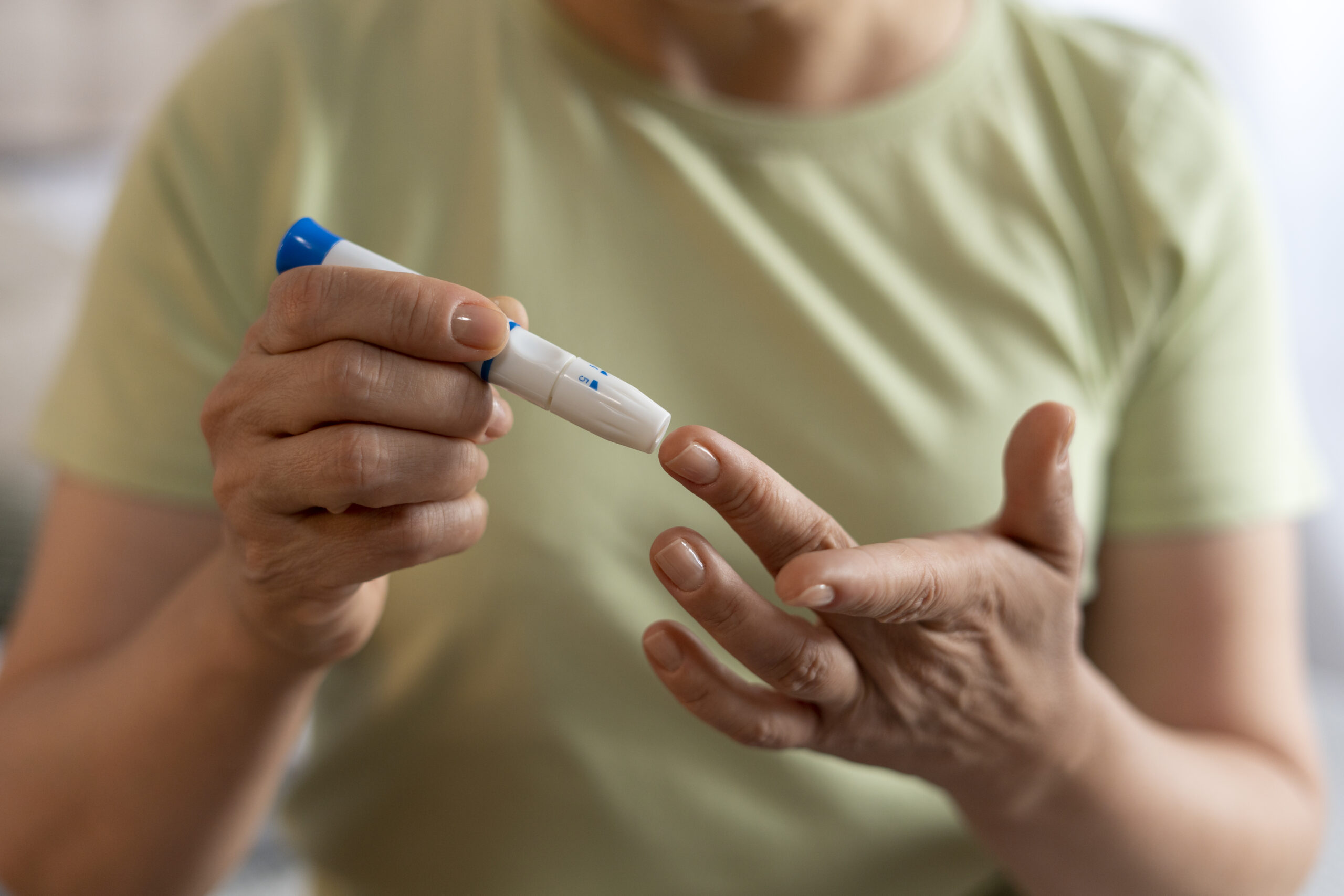
Life with T1D is a relentless, 24/7 balancing act that takes a heavy cognitive and psychological toll. People living with the condition must constantly track their blood sugar, count every carbohydrate, and calculate precise doses of insulin for meals, snacks, and to correct high blood sugar. This requires constant vigilance, as factors like stress, physical activity, and illness can all send glucose levels on a rollercoaster.
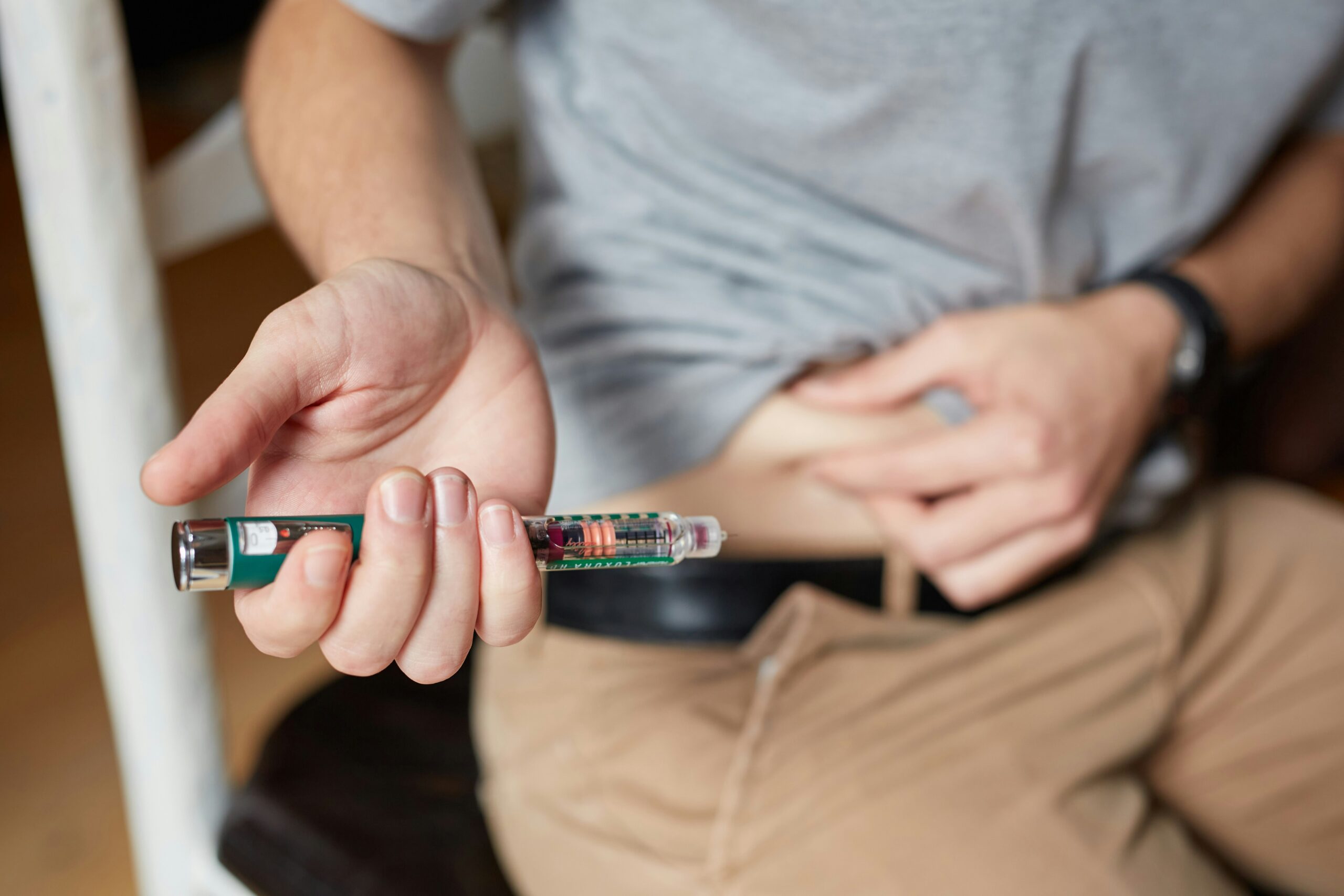
Even with advanced technologies like continuous glucose monitors (CGMs) and automated insulin pumps, often called “bionic pancreas” systems, the ever-present threat of life-threatening low blood sugar (hypoglycemia) remains. These sophisticated devices are management tools, not cures. They reduce some of the daily burden but don’t stop the underlying autoimmune attack.
Patients remain tethered to external hardware, dependent on insulin, and vulnerable to issues like infusion site failures, where the insulin stops being absorbed correctly, leading to unexplained and dangerous high blood sugar. This reality underscores the urgent need for a biological cure that restores the body’s own elegant ability to produce insulin.
Two Paths to a Cure
Right now, the search for a cure is moving forward in two big ways, thanks to two different companies with different ideas.
First, Vertex Pharmaceuticals has seen amazing results with its therapy. In their study, they gave new, lab-grown islet cells to patients with very severe T1D. It worked incredibly well. The cells started making insulin, and most people in the trial didn’t need to take daily insulin shots anymore. But there’s a big catch: the new cells come from a donor, so patients have to take powerful drugs for the rest of their lives to stop their bodies from rejecting the transplant. These drugs have serious risks of their own, like kidney damage and a higher chance of infection. This makes the therapy a good option only for people whose diabetes is so dangerous that the risks from the drugs are worth taking.
This is where the second approach, from Sana Biotechnology, is a total game-changer. Their strategy gets right to the main problem: the immune system’s attack. In a historic trial, a man who has had T1D for 42 years received a transplant of donor pancreatic cells that were genetically changed. The key difference? He didn’t take any of those powerful anti-rejection drugs. Months later, the cells are still alive, working, and making insulin. This is the first real proof that we can create a biological “invisibility cloak” that lets new cells do their job in a person with a healthy immune system without being destroyed.
How to Make Cells “Invisible” to the Immune System
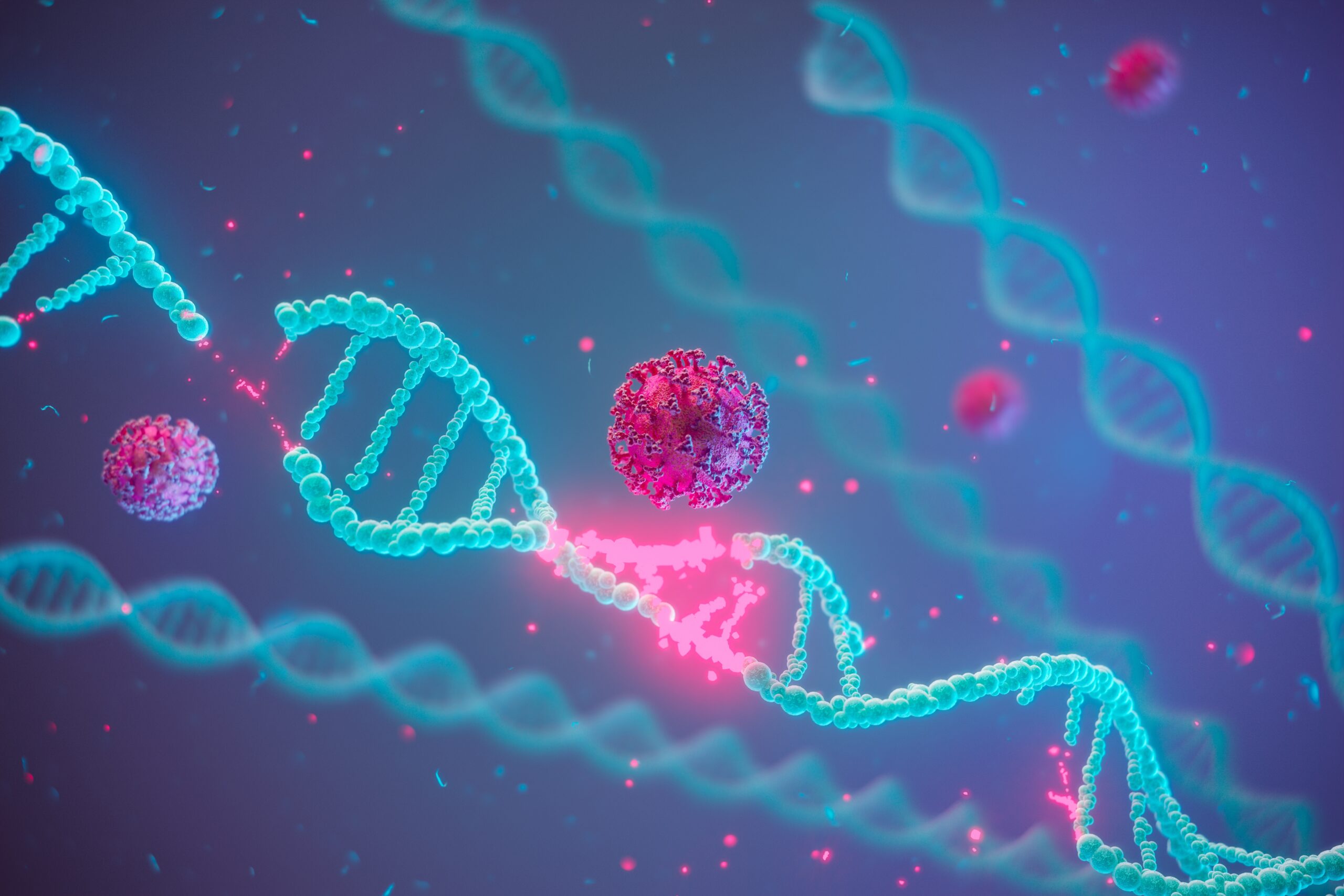
The immune system works like a security force with two main units: highly trained detectives and general guards on patrol. Sana’s technology gives the new, transplanted cells a two-part disguise to get past both.
- Hiding from the Detectives: Every cell in your body has a unique “ID badge” on its surface that the immune system’s detectives (T-cells) are constantly checking. If they find a cell with an unfamiliar ID, they treat it as an invader and launch an attack. Using gene editing, scientists remove the genetic instructions that create these ID badges on the new cells. Without a badge to inspect, the T-cell detectives don’t recognize the new cells as foreign, so they simply pass by without raising an alarm.
- Waving Off the Security Guards: Even if the detectives don’t spot them, the new cells could still be cleared out by the immune system’s general guards (macrophages), which patrol the body looking for anything that seems out of place. To avoid this, scientists also edit the cells to produce much more of a specific protein that acts as a universal “don’t eat me” signal. This tells the guards that the cell is a friend, not a foe.
By making the cells invisible to the specialized detectives and friendly to the general patrol, this strategy allows the new insulin-making cells to survive and get to work, all without the need for powerful anti-rejection drugs.
Actionable Tips for Thriving with Diabetes Today

While the promise of a cure is exciting, the day-to-day reality is what matters now. Here are some realistic strategies to help you thrive:
- Address “Diabetes Burnout”: This is a 24/7 mental job. It’s frustrating when you do everything right and numbers don’t cooperate. Name that feeling. Talk to a therapist who gets it, or find a peer group. Knowing you’re not alone in the frustration (or the occasional “rage bolus”) is a huge relief.
- Know Your Personal Diabetes Patterns: Your doctor is the expert, but you live in your body. Look for patterns beyond food. How does poor sleep or work stress affect you? Knowing your unique triggers gives you more control than just reacting to the meter.
- Nail Your Mealtime Insulin: This can be a total game-changer. Try giving your fast-acting insulin 15-20 minutes before your first bite. This is called a “pre-bolus,” and it gives the insulin a head start to handle the food you’re about to eat, preventing that frustrating spike later. For complicated meals with lots of fat and protein (like pizza), the carbs can hit your system much later. Talk to your doctor about strategies like splitting your dose to cover that delayed rise.
- Make Your Tech Work for You: A CGM can be a source of anxiety. Don’t let it run your life. Customize the alerts so they’re actually helpful, not just constant noise. The real magic isn’t the number, but the trend arrow. That arrow tells you where you’re headed. A 150 that’s steady is very different from a 150 that’s shooting straight up. Paying attention to the arrow lets you get ahead of highs and lows before they happen.
- Plan for Movement: “Just exercise” isn’t helpful advice. Always carry fast-acting carbs. Test your blood sugar before, during, and after a new activity to see how you respond. Remember, a 15-minute walk to correct a high is a big win.
A Turning Point in the Fight Against Diabetes
Punishment functioned as a public performance rather than a private act of justice. It shows that the biggest problems in finding a cure for Type 1 Diabetes are actually being solved. The first real proof is here, but there’s still a long road ahead before a treatment like this is available to everyone. The path forward involves clearing several major hurdles. First, there’s the challenge of manufacturing. It’s one thing to make these special cells for a few people in a clinical trial. It’s a whole different challenge to figure out how to produce them safely and consistently for millions of people around the world. Alongside production, long-term safety is critical. Scientists will need years of data to be certain that the gene edits are safe for a person’s entire life and don’t cause unexpected health issues down the road.
Finally, making the treatment affordable is a major challenge. A cutting-edge therapy like this will be very expensive, and it will take a lot of work with insurance companies and healthcare systems to make sure it’s not just a cure for the wealthy, but something accessible to everyone who needs it. The conversation is shifting from “Is a cure possible?” to “When will it get here?”. For now, the best thing you can do is stay informed, support the groups that fund this kind of research, and continue to be your own best advocate for your health. The future of diabetes care is truly changing, and there is real reason for hope.




CNC Partner
Friday 3rd of July 2026
This message fills my heart with hope for better tomorrow ahead
BestEon
Wednesday 11th of March 2026
Thanks for being such a reliable 😊 source of positivity in our lives
jokerbet
Wednesday 15th of October 2025
Her içerik parçası zengin içerikli arşiv okuyucuyu aydınlatanve doyurucu.
Billy Eichmann
Tuesday 14th of October 2025
Fantastic beat I would like to apprentice while you amend your web site how could i subscribe for a blog site The account helped me a acceptable deal I had been a little bit acquainted of this your broadcast offered bright clear concept