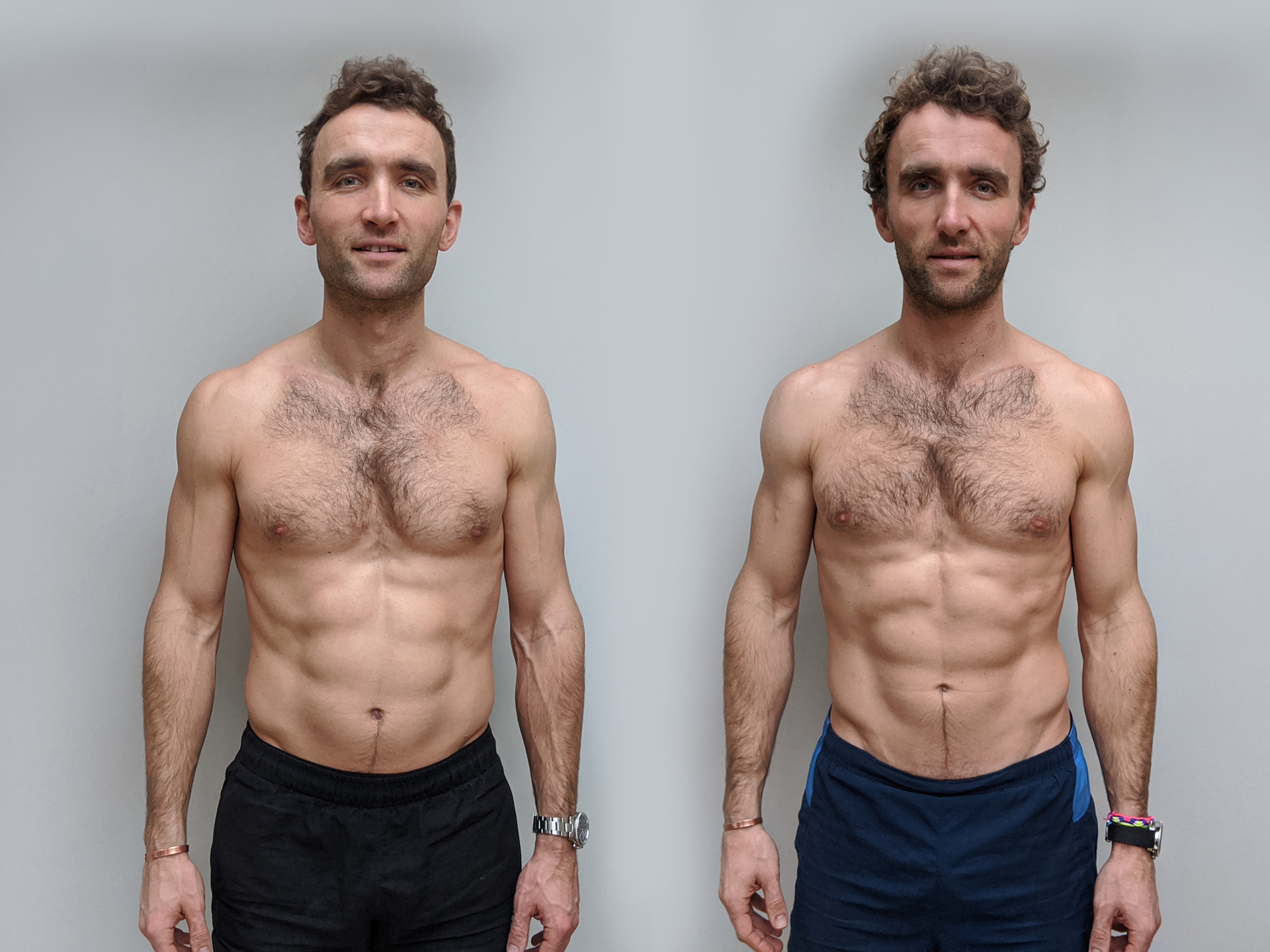
Can two people with the same genes react differently to food? Identical twins Hugo and Ross Turner wanted to find out. For twelve weeks, they lived, trained, and slept the same way, following identical routines, workouts, and rest periods. The only variable was what they ate. Hugo committed fully to a vegan lifestyle, relying on plants, legumes, and grains for nourishment. Ross maintained a diet that included meat, fish, and dairy, sticking closer to traditional eating patterns.
As the weeks unfolded, both noticed remarkable shifts, not only in their bodies but in their minds and moods. Hugo’s plant based diet seemed to bring a lighter feeling and more stable energy throughout the day, while Ross felt stronger and fuller but also experienced occasional sluggishness after heavier meals. The contrast between them became a live demonstration of how food fuels the body differently depending on its source.
Beyond these visible changes, the twins discovered something more profound. Their experiment showed that diet influences far more than weight or muscle mass. It shapes emotions, clarity, and the sense of balance that carries through daily life. Their shared genes made them the perfect mirror for observing how deeply food connects to well being and how personal that connection truly is.
The Study That Sparked Curiosity
The Turner twins’ nutrition experiment was supervised by researchers at King’s College London, a leading institution known for its studies on personalized nutrition. Each brother followed his assigned diet with precision, keeping detailed logs of every meal, workout, and rest period. They were monitored through medical assessments that measured cholesterol, blood sugar, body fat percentage, and changes in their gut microbiota.
The scientists wanted to explore more than just physical transformations. They were equally interested in the mental and emotional shifts that might emerge. Would a plant based diet enhance mood and focus? Would a meat inclusive diet provide better endurance and strength? These questions guided the research, giving a comprehensive view of how diet shapes daily life.
What made the study particularly intriguing was its combination of lab data and real world experiences. The twins documented how they felt after each week, emotionally, mentally, and physically, providing insight into how food choices affect stress levels, energy consistency, and even social behavior. The findings showed that even with identical DNA, each body responded uniquely to its nutritional environment, proving that food’s impact extends far beyond calories and nutrients.
Inside the Vegan Experience
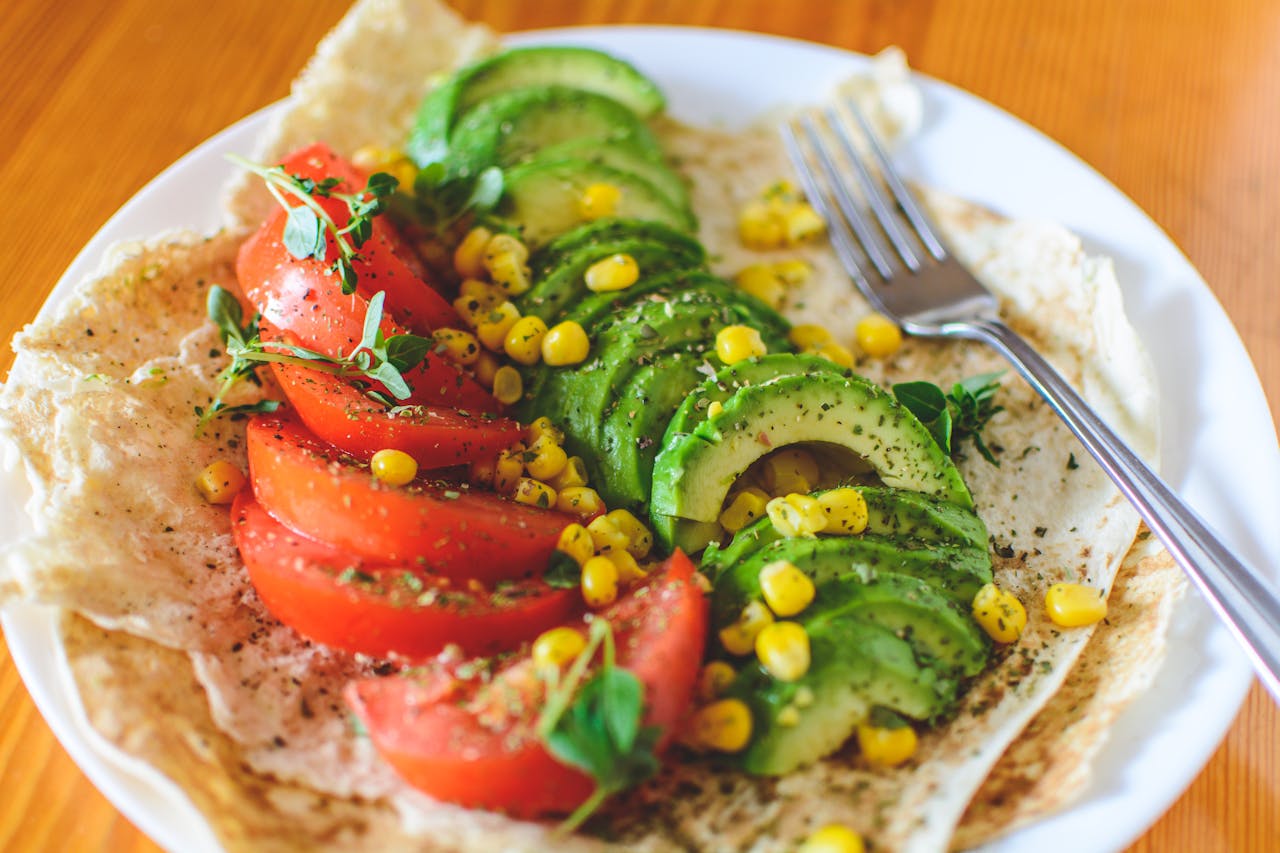
Hugo’s vegan journey began with curiosity and soon turned into a transformation. He relied on colorful fruits, grains, and legumes for nutrition, and within weeks, his digestion felt lighter and his sleep deeper. His daily energy became more consistent, and he noticed fewer mood swings. A high fiber diet kept his blood sugar stable, reducing the afternoon fatigue he used to experience.
However, going plant based required extra planning. He had to make sure he was getting enough vitamin B12, omega 3s, and iron, nutrients less common in plant foods. Once he included fortified foods and supplements, his focus sharpened even more. He also began incorporating fermented foods like kimchi and kombucha, which he said boosted both his gut comfort and his mental clarity.
Interestingly, Hugo also described a stronger emotional connection to food. Preparing meals became a mindful ritual that encouraged him to slow down, appreciate textures, and enjoy natural flavors. This awareness extended beyond the kitchen, leaving him feeling calmer and more centered.
Life on the Meat Diet
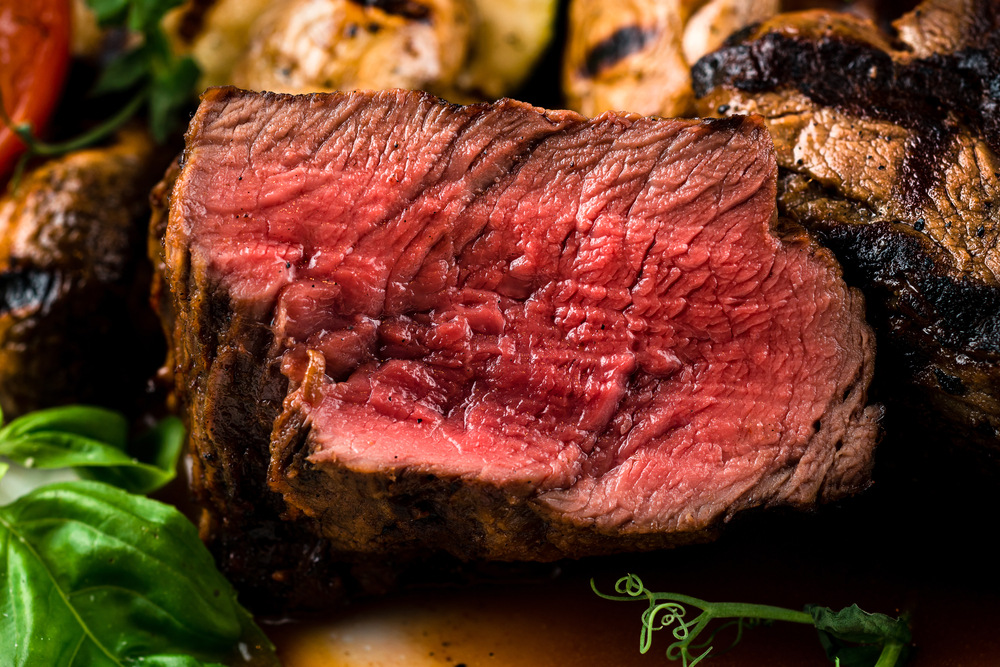
Ross, on the other hand, stayed with a traditional omnivorous diet. His protein intake was high, supporting his muscle recovery and endurance during workouts. He noticed that he stayed full longer after eating, thanks to the fats and proteins in meat and dairy.
But the benefits came with a few challenges. Ross occasionally felt sluggish after heavy meals and experienced uneven energy spikes throughout the day. He found that balancing meat with whole grains and vegetables improved his energy and focus. Hydration and fiber became just as important to him as protein.
Psychologically, Ross noticed that his motivation fluctuated more than his brother’s. High protein meals helped him stay driven, but overeating red meat left him tired and irritable. The experience helped him understand how food quality and portion size can shape both strength and mindset.
The Gut Microbiome Story
One of the most fascinating findings was how differently their guts reacted. Even with identical DNA, the twins developed distinct gut microbiomes. Hugo’s plant based diet encouraged greater bacterial diversity, linked to better digestion, stable mood, and stronger immunity. Ross’s gut microbes, adapted to protein and fat metabolism, were less diverse but more efficient at processing dense foods.
Science shows that the gut constantly communicates with the brain through hormones and the vagus nerve. A balanced microbiome produces neurotransmitters like serotonin, which influence sleep and happiness. This may explain why Hugo felt emotionally steady, while Ross’s mood shifted more with his meals.
The twins’ story reminds us that gut health is personal. Every meal we eat teaches our microbiome what to thrive on, and that, in turn, shapes our energy, emotions, and resilience.
The Emotional Intelligence of Eating
Through their shared experience, Hugo and Ross learned that food shapes both the body and the mind in constant dialogue. Each meal affected not just their physical energy but their emotional state. When Hugo filled his plate with colorful vegetables and grains, he reported feeling clearer and calmer, while Ross noticed that heavier meals sometimes made him more irritable or fatigued.
They both realized that food directly influences emotional intelligence, the ability to understand and manage feelings. A balanced diet seemed to enhance patience, focus, and adaptability, while overeating or relying on processed foods often clouded judgment and increased tension. These moments taught them that eating with awareness is an act of self care as much as it is one of sustenance.
This experiment supported a growing body of research showing that nutrient rich, whole foods can help reduce inflammation and stabilize the nervous system. Plant forward meals, in particular, encourage steady serotonin production, which contributes to improved mood and reduced anxiety.
Ultimately, the lesson centered on mindfulness rather than labels or dietary camps. Being conscious of how each meal affects your energy, emotions, and focus empowers you to make choices that align with your well being. Eating becomes not just a routine but a mindful practice that nurtures both the body and the mind.
What You Can Learn from the Twin Diet Challenge
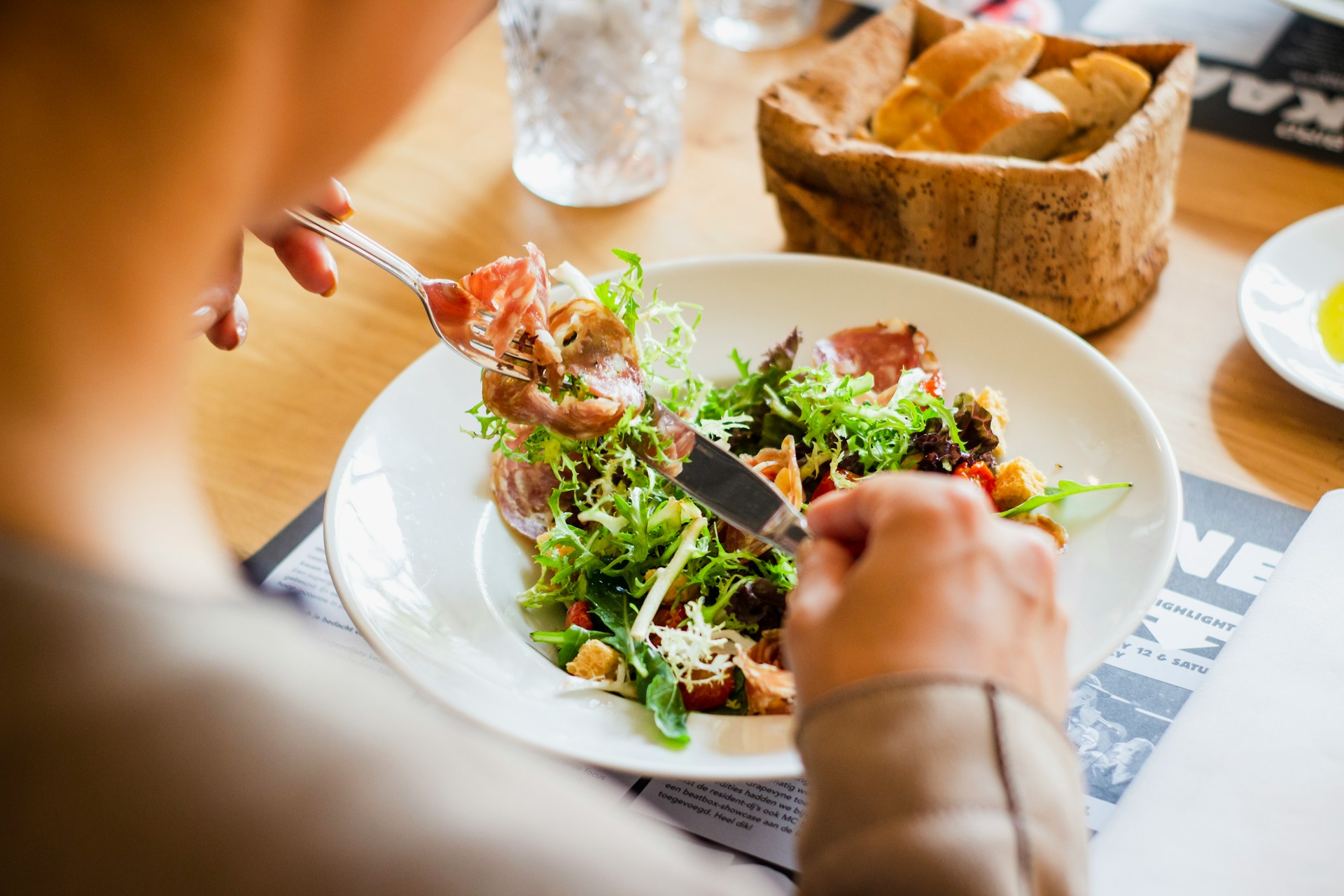
Whether you eat plants or animal products, balance matters. Whole foods, clean proteins, and hydration are the true building blocks of vitality. Listen to your body’s signals instead of following one size fits all advice.
Start by adding more color to your meals. The pigments in fruits and vegetables contain antioxidants that help fight fatigue and stress. If you eat meat, focus on lean options like poultry or fish and pair them with fiber rich sides. If you are plant based, combine grains and legumes for complete proteins and ensure a steady intake of vitamin B12 and omega-3s.
Lifestyle also plays a major role. Sleep, stress management, and movement directly influence digestion and mood. Even the way you eat, slowly and mindfully, can enhance nutrient absorption and satisfaction.
A Balanced Reflection
The Turner twins’ journey was never about competition or finding the right diet. It was an exploration of awareness, how the food we eat influences our physical vitality and mental state. Their story demonstrated that wellness is not a fixed path but an evolving relationship between nourishment, emotion, and intention.
The experiment revealed that even small dietary shifts can transform how we experience daily life. Choosing whole, nutrient rich foods brought Hugo a sense of calm energy, while Ross learned that moderation and balance in his meals enhanced his focus and performance. Both discovered that when we eat with mindfulness, our meals become an act of harmony rather than habit.
Ultimately, the key message is simple yet powerful: the best diet is the one that supports your body’s rhythm and your mind’s clarity. By staying curious about how food makes you feel, energized, heavy, focused, or calm, you create a more intuitive connection with yourself. Health, in its truest form, follows naturally when we listen to the body’s signals and honor them with thoughtful choices.