
A parasite linked to severe diarrhea has become the latest obsession on TikTok, where some users are joking that getting infected could be the fastest way to lose weight. Videos referencing Cyclospora have spread across the platform as outbreaks continue to make headlines, turning a serious public health concern into the internet’s newest viral trend.
Doctors say the joke has gone too far.
Medical experts are warning that Cyclospora is not a shortcut to a slimmer body. It is a parasitic infection that can leave people severely dehydrated, exhausted, and sick for weeks. While weight loss is one possible symptom, physicians say it comes at a dangerous cost that no one should deliberately pursue.
TikTok Turns A Dangerous Parasite Into A Viral Trend
The internet has a long history of glamorizing unhealthy weight loss methods, but Cyclospora may be one of the most alarming examples yet.
As cases continue to rise across the United States, particularly in New York City, videos have appeared across TikTok making light of the infection. Some creators joke about intentionally eating raw produce or exposing themselves to contaminated food after hearing reports that infected people had lost significant amounts of weight.
VICE reported that hashtags tied to the outbreak quickly spread through communities associated with “SkinnyTok,” a side of TikTok known for promoting extreme dieting and unhealthy body standards. Although TikTok banned the original SkinnyTok hashtag in 2025 following pressure from European regulators, many creators simply moved to alternative hashtags and coded language.
Some of the videos are clearly labeled as satire, while others blur the line between humor and genuine encouragement.
One Boston creator joked while preparing a large salad, “Me when I heard people are losing 15 to 20 pounds from the parasite. Summer isn’t over yet.”
Another TikTok user captioned a video, “Risking it all for the cyclospora because I simply cannot be bothered to change my diet.”
A third celebrated becoming “skinny for the summer” after mentioning cyclosporiasis, the illness caused by the parasite.
The posts attracted millions of views, helping push Cyclospora into mainstream conversation for reasons health officials never expected.
Doctors Say The Reality Is Much Worse Than Social Media Suggests

Medical professionals have responded quickly, warning that the illness behind the jokes is anything but funny.
Speaking to PIX11, certified gastroenterologist Dr. Rabia de Latour of NYU Langone explained that Cyclospora is “a fecal-oral parasite, meaning the water was contaminated in some capacity by stool, whether that’s poor hygiene or direct exposure.”
The parasite is commonly spread through fresh produce washed with contaminated water. During warmer months, exposure can also occur through contaminated recreational water, including swimming pools and water parks.
Although many healthy adults eventually recover, doctors stress that the infection often causes days or weeks of misery before symptoms finally improve.
According to Dr. de Latour, many people dramatically underestimate just how debilitating the illness can become.
“If you have severe diarrhea over the course of a week, you’re going to lose a lot of fluids,” she explained.
“The dehydration is contributing to some of the pounds you’re seeing come off and then also just feeling awful, not having an appetite, not eating. And those are two horrible ways to ‘lose’ weight. I would not recommend that as a potential way to do so.”
Her warning directly challenges the narrative circulating on social media that Cyclospora somehow offers a shortcut to rapid weight loss.
Why The Weight Loss Is Misleading
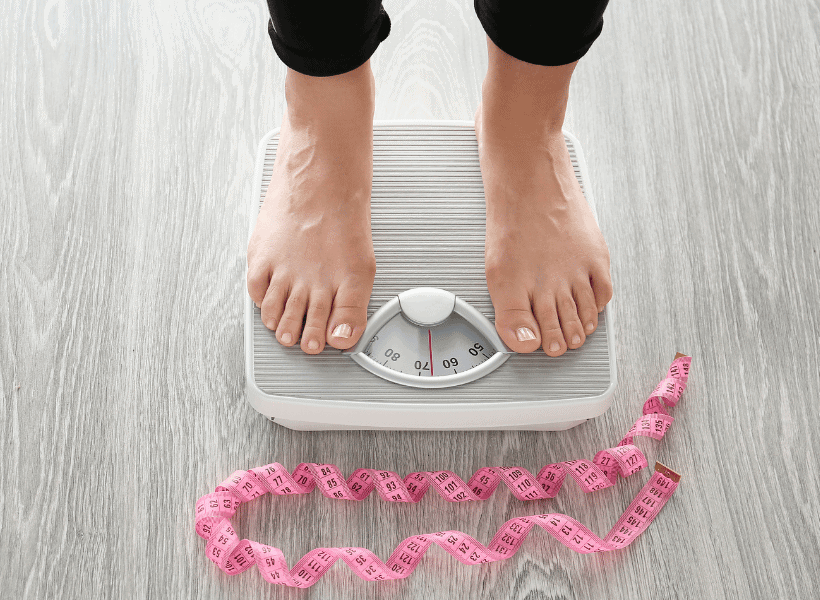
The appeal behind the trend appears simple.
People see reports of someone losing 10, 15, or even 20 pounds during an illness and assume the parasite somehow burns fat.
That is not what happens.
Experts say most of the weight lost during a Cyclospora infection comes from dehydration rather than fat reduction. Constant diarrhea causes the body to lose enormous amounts of water and electrolytes. At the same time, many patients lose their appetite, making it difficult to consume enough calories or nutrients.
Registered dietitian Bonnie Roney addressed the trend on TikTok after videos began circulating.
She explained that whatever the scale shows during a Cyclospora infection is “almost entirely water.”
She added that once diarrhea resolves, “that weight is likely to come back.”
The bigger concern, according to Roney, is the damage an untreated foodborne illness can leave behind. She warned that infections may have lasting effects on gut health and can even alter a person’s relationship with food long after recovery.
Instead of producing healthy weight loss, Cyclospora often leaves patients weak, dehydrated, and struggling to regain their normal digestive function.
What Exactly Is Cyclospora?
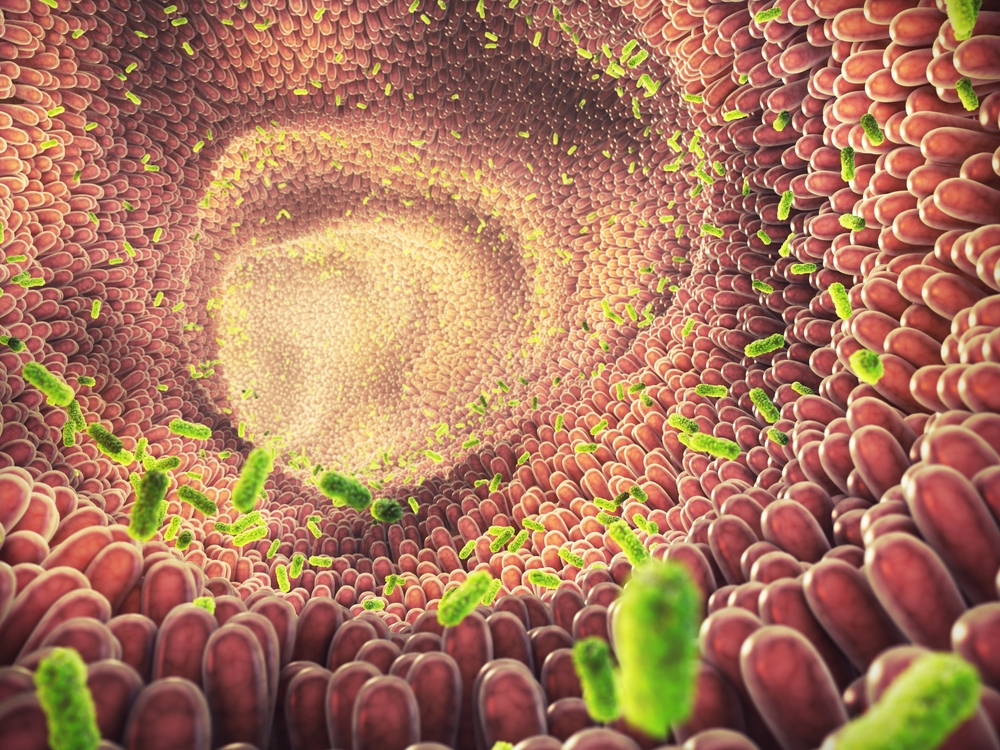
Cyclospora is a microscopic parasite that infects the small intestine.
The illness it causes is known as cyclosporiasis, a foodborne disease that has been linked to contaminated fruits, vegetables, and water supplies.
Unlike viruses that spread easily from one sick person to another, Cyclospora usually reaches people after food or water becomes contaminated with the parasite.
According to Dr. de Latour, contamination occurs when water has been exposed to human waste.
Once swallowed, the parasite begins multiplying inside the digestive tract, leading to symptoms that can become increasingly severe over several days.
Some infected people experience only mild illness.
Others become sick enough to require hospitalization.
Symptoms commonly include:
- Severe watery diarrhea
- Loss of appetite
- Weight loss
- Nausea
- Stomach cramping
- Bloating
- Fatigue
- General weakness
One reason doctors are particularly concerned is that symptoms often come and go.
Someone may feel slightly better before diarrhea suddenly returns days later, extending the illness for weeks or even longer without proper treatment.
The Outbreak Has Already Sent Hundreds Of People To The Hospital

The social media trend comes at a time when health officials are already working to contain a growing outbreak.
According to figures cited by VICE from the U.S. Centers for Disease Control and Prevention, 1,645 confirmed Cyclospora infections had been reported across 34 states since May 1. At least 141 people required hospitalization as investigators worked to identify the source of contamination.
Public health officials continue tracing cases connected to contaminated food products while reminding consumers that most infections are linked to produce rather than person-to-person contact.
Against that backdrop, infectious disease experts say seeing people intentionally joke about exposure is frustrating.
Community organizer and journalist @blackbeltbabe addressed the trend directly in a widely shared TikTok video.
“Cyclospora will make you shitty, not skinny,” she said before urging viewers to listen to infectious disease experts rather than viral posts.
She argued that anyone glamorizing the illness was ignoring the reality that many patients end up seriously ill instead of achieving the body transformation they imagined.
Doctors agree.
For them, the growing trend is another example of how social media can transform a genuine health emergency into entertainment, sometimes with dangerous consequences.
Who Faces The Greatest Risk From Cyclospora?

While many healthy adults recover with proper treatment, doctors say certain groups are far more vulnerable to serious complications.
Dr. Rabia de Latour warned that dehydration caused by prolonged diarrhea can become dangerous for people already managing chronic health conditions.
“This diarrhea causes a lot of fluid loss and can cause significant dehydration, which you have to be very careful with, especially if you have underlying medical conditions,” she said.
People living with heart failure, kidney disease, or those receiving dialysis face a higher risk because losing large amounts of fluid can quickly destabilize their condition. Older adults are also more likely to experience severe dehydration and may need medical treatment sooner than younger, healthier individuals.
Even for someone with no underlying medical issues, recovering from Cyclospora can take far longer than many expect.
Dr. de Latour said patients often describe the illness as exhausting, with symptoms lasting for weeks and sometimes more than a month. The infection frequently follows a relapsing pattern, meaning people may begin to feel better before the diarrhea suddenly returns.
“People who’ve had it will tell you they felt awful,” she said. “It’s pretty bad diarrhea. They wouldn’t wish it on their worst enemy.”
That reality stands in sharp contrast to the lighthearted tone of many videos circulating online.
How Social Media Continues To Fuel Dangerous Health Trends

Cyclospora is only the latest example of a broader problem.
Social media platforms have become fertile ground for health misinformation, where shock value and viral engagement often outweigh medical facts. Trends that begin as jokes can quickly evolve into behaviors that some users genuinely imitate, especially when they promise rapid physical transformation.
Weight loss content has been particularly susceptible to this cycle.
Over the past several years, platforms like TikTok have repeatedly faced criticism over videos promoting starvation diets, laxative abuse, unregulated supplements, and unrealistic body standards. Although companies have introduced moderation policies and removed certain hashtags, new communities often emerge under different names or coded language.
VICE noted that SkinnyTok, a network of creators known for glorifying extreme thinness, resurfaced shortly after TikTok banned the original hashtag in 2025. Instead of disappearing, many users simply adapted their language while continuing to share similar content.
Cyclospora became another topic folded into that culture.
The danger is that repeated jokes can normalize risky behavior, particularly among younger audiences already vulnerable to body image pressures. Even when creators label posts as satire, viewers may still absorb the underlying message that dramatic illness is an acceptable price for rapid weight loss.
Health experts worry that social media’s reward system encourages increasingly extreme content because controversial posts generate more views, comments, and shares.
Why Illness Is Never A Safe Weight Loss Strategy

Medical professionals emphasize that losing weight during an illness is fundamentally different from healthy fat loss.
Sustainable weight management happens gradually through balanced nutrition, regular physical activity, and long-term lifestyle habits. Weight lost during an infection reflects the body’s struggle to cope with disease rather than any meaningful improvement in health.
When Cyclospora causes severe diarrhea, the body rapidly loses water, electrolytes, and nutrients needed for normal function.
That fluid loss may temporarily lower the number on a scale, but it also places stress on the heart, kidneys, and digestive system. As hydration is restored and appetite returns, much of that weight typically comes back.
Registered dietitian Bonnie Roney also warned that the effects may extend beyond the initial illness.
Foodborne infections can disrupt the balance of bacteria in the digestive tract, interfere with nutrient absorption, and leave some people dealing with lingering gastrointestinal symptoms long after the parasite has been eliminated.
Without treatment, Cyclospora can follow a relapsing course that lasts several weeks or longer. Some patients also experience complications such as malabsorption, making it harder for the body to absorb essential vitamins and nutrients.
For anyone chasing rapid weight loss, experts say the physical consequences simply are not worth the risk.
Protecting Yourself During Cyclospora Season

Although social media has focused on the parasite for the wrong reasons, health officials continue stressing the importance of prevention.
Cyclospora infections are most commonly linked to fresh produce that has been washed or irrigated with contaminated water. Outbreaks tend to increase during warmer months, when imported fruits and vegetables become more common and outdoor activities increase exposure to recreational water.
While no prevention strategy eliminates risk entirely, experts recommend several practical steps:
- Wash fresh fruits and vegetables thoroughly before eating them.
- Practice good hand hygiene, especially before preparing meals.
- Be cautious when swimming in water that may be contaminated.
- Seek medical care if diarrhea becomes severe or lasts for several days.
- Stay hydrated if gastrointestinal symptoms develop.
People experiencing prolonged diarrhea should avoid assuming it is a routine stomach bug, particularly if symptoms continue returning after initially improving.
Early diagnosis can help shorten the illness and reduce the risk of complications.
A Viral Joke With Real-World Consequences
Cyclospora may have become the latest punchline on TikTok, but infectious disease specialists hope the trend fades as quickly as it appeared.
The outbreak itself is serious enough without people intentionally treating it as a shortcut to summer weight loss. Behind every viral joke is an infection capable of leaving patients bedridden, dehydrated, and sick for weeks.
The internet has a habit of turning almost anything into content, including public health emergencies. This time, doctors are asking people to ignore the algorithm and listen to the science.
Losing weight because your body is fighting off a parasite is not a wellness strategy. It is a warning sign that something has gone seriously wrong.


Huxley T. I. Stark
Sunday 9th of August 2026
Your writing is so inspiring and motivating I always leave your blog feeling more determined and resilient
Eliza Q. Duncan
Wednesday 29th of July 2026
I admire how this blog promotes kindness and compassion towards ourselves and others We could all use a little more of that in our lives