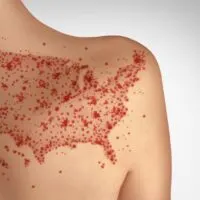
The United States has reached an alarming milestone that few public health experts expected to see again. By mid-July 2026, the country had recorded more than 2,295 confirmed measles cases, making it the highest annual total in 35 years. Even more concerning, this record has been broken with several months still remaining in the year, meaning the number is almost certain to continue climbing. For many Americans, measles feels like a disease from another era, one that had largely disappeared after decades of successful vaccination efforts. Its return on this scale raises important questions about what has changed and why outbreaks are becoming increasingly difficult to contain.
The resurgence is about far more than a single outbreak or one isolated community. Health officials are seeing multiple clusters emerge across different states, suggesting the country has entered a new phase in its battle against one of the world’s most contagious viruses. Researchers believe this trend reflects years of declining immunity in certain populations rather than a sudden shift over the past few months. As new infections continue to appear, understanding how measles spreads, why cases are increasing, and who remains most vulnerable can help explain why this decades-old disease has once again become a major public health concern.
Why the United States Is Seeing More Measles Than It Has in Decades
For years, measles cases in the United States were relatively uncommon. After the disease was declared eliminated in 2000, most infections were linked to international travel, with only limited local transmission. Public health departments were generally able to identify cases quickly, trace contacts, and stop outbreaks before they spread widely. That pattern has changed dramatically in 2026.
According to Johns Hopkins University’s U.S. measles tracker, the country surpassed last year’s total of 2,289 reported cases before July was even over. Epidemiologist William Moss of the Johns Hopkins Bloomberg School of Public Health says the unusually high numbers largely reflect several major outbreaks earlier in the year, particularly those reported in South Carolina and Utah. These outbreaks demonstrated how quickly measles can move through communities where enough people lack immunity, allowing chains of transmission to continue instead of ending after only a few cases.
The official numbers may also underestimate the true scale of the problem. Johns Hopkins compiles data directly from state and county health departments, while the Centers for Disease Control and Prevention updates its national totals weekly. Even with these reporting systems, experts believe some infections go undiagnosed or unreported, especially when individuals do not seek medical care or testing. As a result, the actual number of people infected could be considerably higher than current statistics suggest.
Perhaps the most troubling change is that outbreaks are no longer remaining confined to a handful of isolated communities. Instead, multiple states are experiencing sustained transmission at the same time, making it increasingly difficult for health officials to interrupt the spread before new cases emerge elsewhere.
Why Measles Is Considered One of the Most Contagious Diseases on Earth
Measles has earned its reputation as one of the world’s most contagious diseases because very few viruses spread as efficiently. Scientists use a measurement known as the basic reproduction number, or R₀, to estimate how many people one infected individual can pass a disease to in a population without immunity. Measles has an estimated reproduction number of up to 18, meaning a single infected person may spread the virus to as many as 18 others. By comparison, influenza typically infects about two people, while diseases such as mumps, smallpox, and even earlier variants of COVID-19 spread far less easily.
Several characteristics make measles especially difficult to contain. The virus travels through tiny respiratory droplets released when an infected person coughs, sneezes, or even breathes. These infectious particles can remain suspended in the air or linger on surfaces for as long as two hours after the infected person has left the area. This means someone can enter a room well after an infected individual has departed and still become infected if they are susceptible.
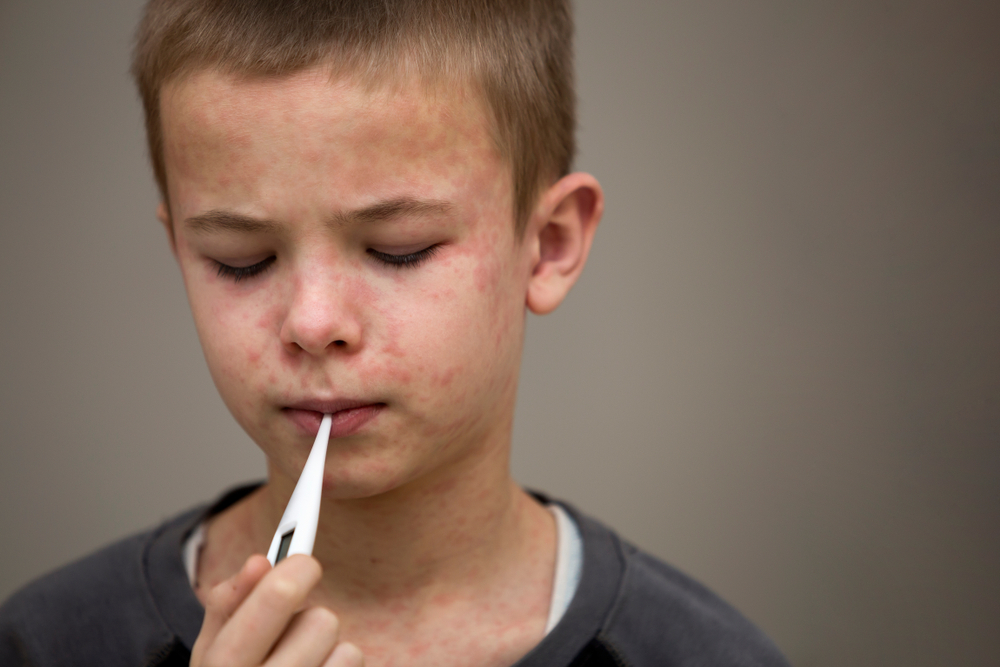
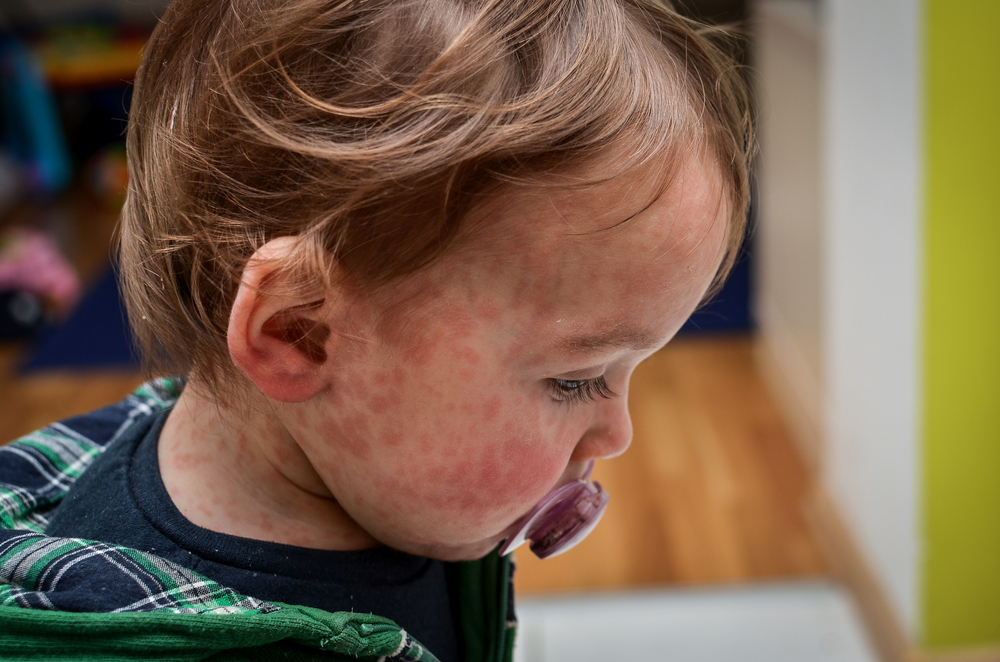
Another challenge is that people with measles become contagious before the classic rash develops. Early symptoms often resemble those of a common viral illness, including fever, cough, runny nose, and red, watery eyes. During this period, individuals may continue attending work, school, or public gatherings without realizing they are spreading the virus. By the time the distinctive rash appears, transmission may already have occurred among family members, classmates, coworkers, and other close contacts.
Because measles spreads so efficiently, even small reductions in community immunity can create conditions where outbreaks grow rapidly. Once enough susceptible individuals are present, the virus can move from one household to another with remarkable speed, allowing a single imported infection to trigger hundreds of additional cases.
How Declining Vaccination Rates Have Fueled the Resurgence
While the sharp rise in measles cases has drawn renewed attention to vaccination, infectious disease experts say the current situation did not develop overnight. Instead, it reflects years of gradually declining vaccination coverage in certain communities. Small decreases in immunization rates may seem insignificant at first, but for a virus as contagious as measles, they can create enough gaps in community protection for outbreaks to gain momentum.
The age distribution of reported cases tells an important story. According to the Centers for Disease Control and Prevention (CDC), only about one-fifth of infections have occurred in children younger than five years old. Roughly half have affected people between the ages of five and nineteen, while nearly one-third of reported cases have been adults. This suggests that immunity gaps have accumulated across multiple generations rather than appearing only among young children. Many of today’s infections involve individuals who were never vaccinated or whose vaccination status is unknown, pointing to long-standing vulnerabilities rather than a recent shift in behavior.
Data from the CDC further reinforces this pattern, showing that more than 90 percent of reported measles infections have occurred in people who were either unvaccinated or whose vaccination history could not be confirmed. Epidemiologists say this reflects years of under-vaccination within certain communities, allowing enough susceptible individuals to remain for the virus to spread once it is introduced. As vaccination coverage declines below the level needed to maintain herd immunity, outbreaks become increasingly difficult to stop because each infected person is more likely to encounter someone who lacks protection.
The growing number of cases has also placed added pressure on public health departments. Contact tracing, identifying exposed individuals, and containing outbreaks require significant resources and rapid coordination. At the same time, many physicians practicing today have rarely encountered measles during their careers because the disease had become so uncommon in the United States. This creates additional challenges in recognizing symptoms early enough to prevent further transmission.
Protecting Yourself and Your Community
Although measles is highly contagious, there are practical steps that individuals and families can take to reduce their risk of infection and help limit the spread during outbreaks. Public health experts emphasize that prevention is far more effective than attempting to manage the disease after exposure, particularly because measles can spread before an infected person realizes they are sick.
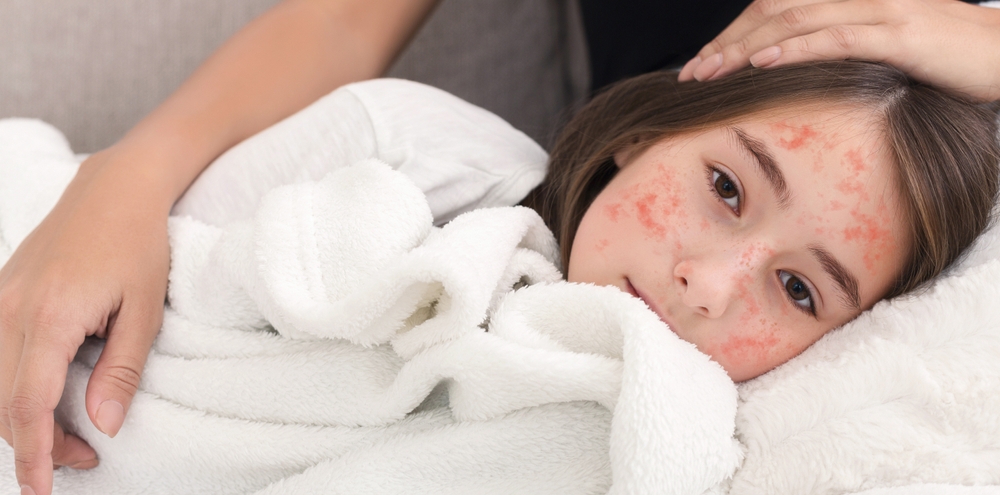
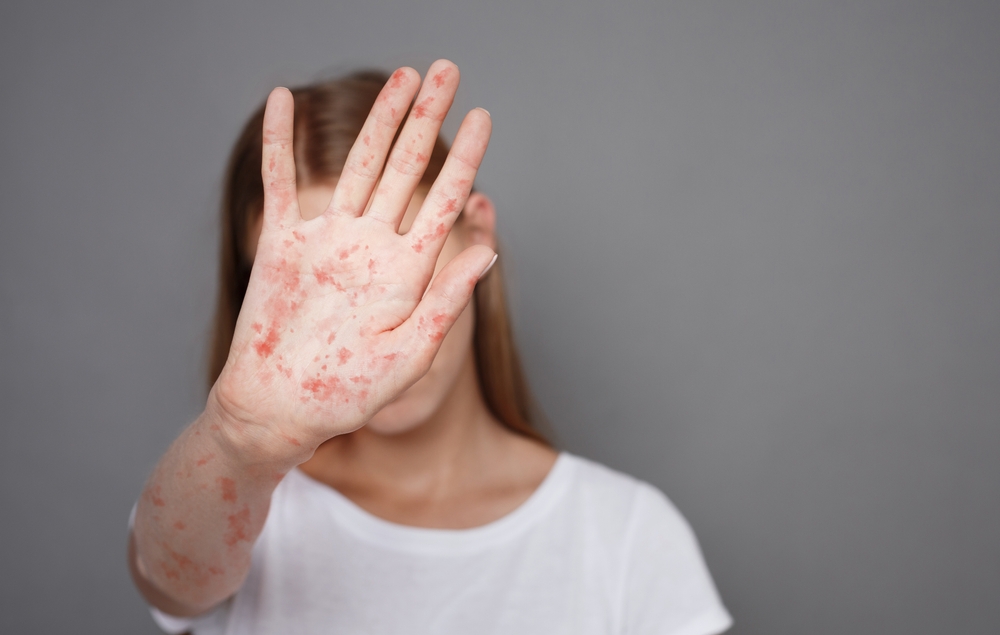
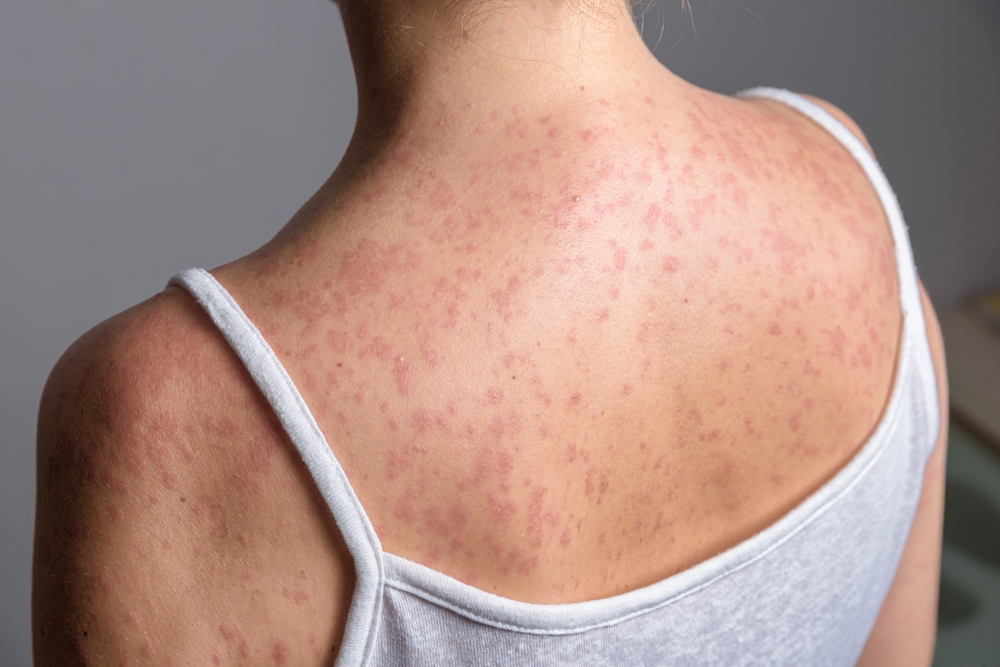
Staying informed about local outbreaks is one important step, especially if you live in or plan to travel to areas reporting active transmission. Health departments regularly provide updates about affected communities, potential exposure sites, and recommendations for people who may have come into contact with infected individuals. Recognizing the early symptoms, including fever, cough, runny nose, red eyes, and the later appearance of the characteristic rash, can also help people seek medical guidance promptly while avoiding unnecessary contact with others.
Supporting your immune system through healthy lifestyle habits remains an important part of overall wellness, even though these practices cannot prevent measles infection on their own. Eating a balanced diet rich in fruits, vegetables, whole grains, and lean proteins helps provide the nutrients your immune system needs to function effectively. Prioritizing adequate sleep, managing chronic stress, staying physically active, and practicing good hand hygiene all contribute to better overall health and may reduce the spread of many infectious illnesses. These habits should be viewed as complementary measures rather than substitutes for evidence-based public health recommendations.
For communities, maintaining high levels of immunity remains one of the most effective ways to interrupt transmission. Because measles spreads so easily, even small declines in community protection can allow outbreaks to expand rapidly. When fewer susceptible individuals are present, the virus has fewer opportunities to move from person to person, helping protect not only those with immunity but also individuals who cannot receive vaccines because of certain medical conditions.
A Wake-Up Call That Shouldn’t Be Ignored
The return of measles on this scale serves as a reminder that infectious diseases can quickly regain ground when conditions allow them to spread. After decades in which measles was rarely seen across much of the United States, the country is once again confronting sustained outbreaks that are affecting children, teenagers, and adults alike. Reaching the highest number of reported cases in 35 years with months still left in the year underscores how rapidly the public health landscape can change.
While experts expect additional cases to emerge throughout 2026, the current outbreak also provides an opportunity to strengthen awareness about one of history’s most contagious viruses. Understanding how measles spreads, recognizing its early symptoms, and supporting efforts to reduce transmission can help communities respond more effectively. Although today’s numbers are concerning, informed decisions, continued public health surveillance, and community cooperation remain essential tools for limiting future outbreaks and protecting those who are most vulnerable.