
It starts as an itch. A small, circular patch of reddened skin appears somewhere private, perhaps in the groin or on the inner thigh. Most people assume it will clear up on its own. Some reach for over-the-counter creams, expecting relief within days. But relief never comes. Instead, the rash grows angrier, spreads wider, and resists every treatment thrown at it.
Across Britain, hundreds of people have discovered that what looked like a minor skin irritation was something far more stubborn. A fungal infection that barely existed in the UK three years ago has now surged by almost 500 percent, leaving patients trapped in months-long battles with a condition their doctors struggle to treat.
A 500 Percent Surge in Three Years
It starts as an itch. A small, circular patch of reddened skin appears somewhere private, perhaps in the groin or on the inner thigh. Most people assume it will clear up on its own. Some reach for over-the-counter creams, expecting relief within days. But relief never comes. Instead, the rash grows angrier, spreads wider, and resists every treatment thrown at it.
Across Britain, hundreds of people have discovered that what looked like a minor skin irritation was something far more stubborn. A fungal infection that barely existed in the UK three years ago has now surged by almost 500 percent, leaving patients trapped in months-long battles with a condition their doctors struggle to treat.
What Exactly Is Trichophyton Indotineae?
Numbers presented at the ESCAIDE conference in Poland last week tell a troubling story. Before 2022, only 44 cases of Trichophyton indotineae had been recorded in the UK and Ireland. By March 2025, that figure had climbed to 258.
Professor Darius Armstrong-James, a fungal expert at Imperial College London, has watched these numbers rise with growing alarm. He described the situation as a significant and growing problem for British healthcare, expressing uncertainty about whether the infection might reach endemic or even pandemic levels. What concerns him most is how frequently new cases now appear at hospitals across the country.
UK Health Security Agency officials have confirmed they are monitoring the rise in antifungal-resistant T. indotineae. Andrew Borman from UKHSA urged clinicians to suspect the fungus in patients presenting with skin infections of the groin, buttocks, and thighs, particularly those with travel links to South Asia or when first-line antifungal treatments fail.
Red, Angry Rashes That Keep Spreading
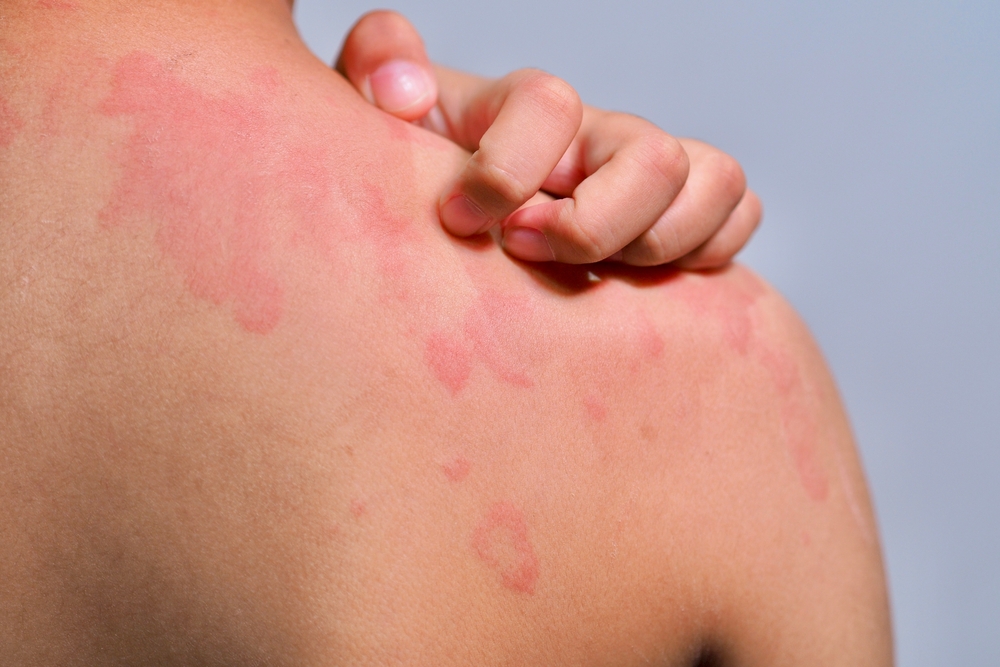
Symptoms begin in areas where skin touches skin and warmth lingers. Groin, thighs, and buttocks are primary targets. Patients notice circular lesions that itch intensely. Dr David Denning, an infectious diseases expert at the University of Manchester, described these rashes as “angry” and “formidable.”
Left untreated, the infection refuses to stay put. It migrates across the body, sometimes reaching the face. Skin becomes painful and inflamed. Secondary bacterial infections can take hold in damaged tissue. Permanent scarring remains a genuine risk for those who cannot access effective treatment quickly.
Unlike common ringworm, which fades within weeks of applying antifungal cream, T. indotineae digs in and fights back. Patients often watch in frustration as their condition worsens despite following medical advice.
Easily Mistaken for Common Skin Conditions
Diagnosis presents its own challenge. Without laboratory testing, T. indotineae can masquerade as something far less serious.
Professor Armstrong-James pointed to a common problem in clinical settings. “It could be easily mistaken for eczema or psoriasis if tests are not conducted,” he explained.
General practitioners, faced with what appears to be a routine skin complaint, may prescribe standard treatments and send patients home. Only when those treatments fail does suspicion grow. By then, weeks have passed, and the infection has had time to spread.
Molecular testing remains the only reliable way to confirm T. indotineae. Yet not every clinic has access to such diagnostics, creating delays that benefit the fungus and harm the patient.
Standard Medicines No Longer Work

Terbinafine sits at the front line of fungal treatment in Britain. Available on the NHS, it has cleared countless ringworm infections over the years. Against T. indotineae, it fails.
Research has traced this resistance to genetic changes in the fungus. Variations in squalene epoxidase, an enzyme targeted by terbinafine, render the drug ineffective. Laboratory studies confirm that many T. indotineae isolates shrug off terbinafine entirely.
Griseofulvin, another older antifungal, fares no better. Fluconazole and other triazole drugs show mixed results. Doctors find themselves running out of options, forced to turn to medications with serious drawbacks.
Antimicrobial resistance has long worried public health experts in the context of bacteria. Fungi, however, receive far less attention and research funding. Only four classes of antifungal medicines exist, and very few new drugs are in development. In 2022, the World Health Organization published a list of 19 fungal pathogens requiring urgent attention, warning that rising resistance carries major implications for human health.
Months of Hospital Treatment with Risky Drugs
When terbinafine fails, itraconazole becomes the fallback. Patients must take this medication for extended periods, often requiring hospital supervision lasting weeks or months.
Itraconazole carries risks that terbinafine does not. Liver damage sits high on the list of potential side effects. Heart problems can also occur. Absorption varies from person to person, making dosing unpredictable. Drug interactions complicate treatment for patients taking other medications.
Even with itraconazole, success is not guaranteed. Some T. indotineae strains have developed resistance to this drug as well, leaving doctors with even fewer choices.
NHS dermatology departments, already stretched thin, add another obstacle. Wait times to see a specialist exceed 18 weeks in some regions. Dr Denning noted the consequences of such delays. Patients remain infectious far longer than necessary, spreading the fungus to others while waiting for expert care.
How It Spreads Through Families and Households
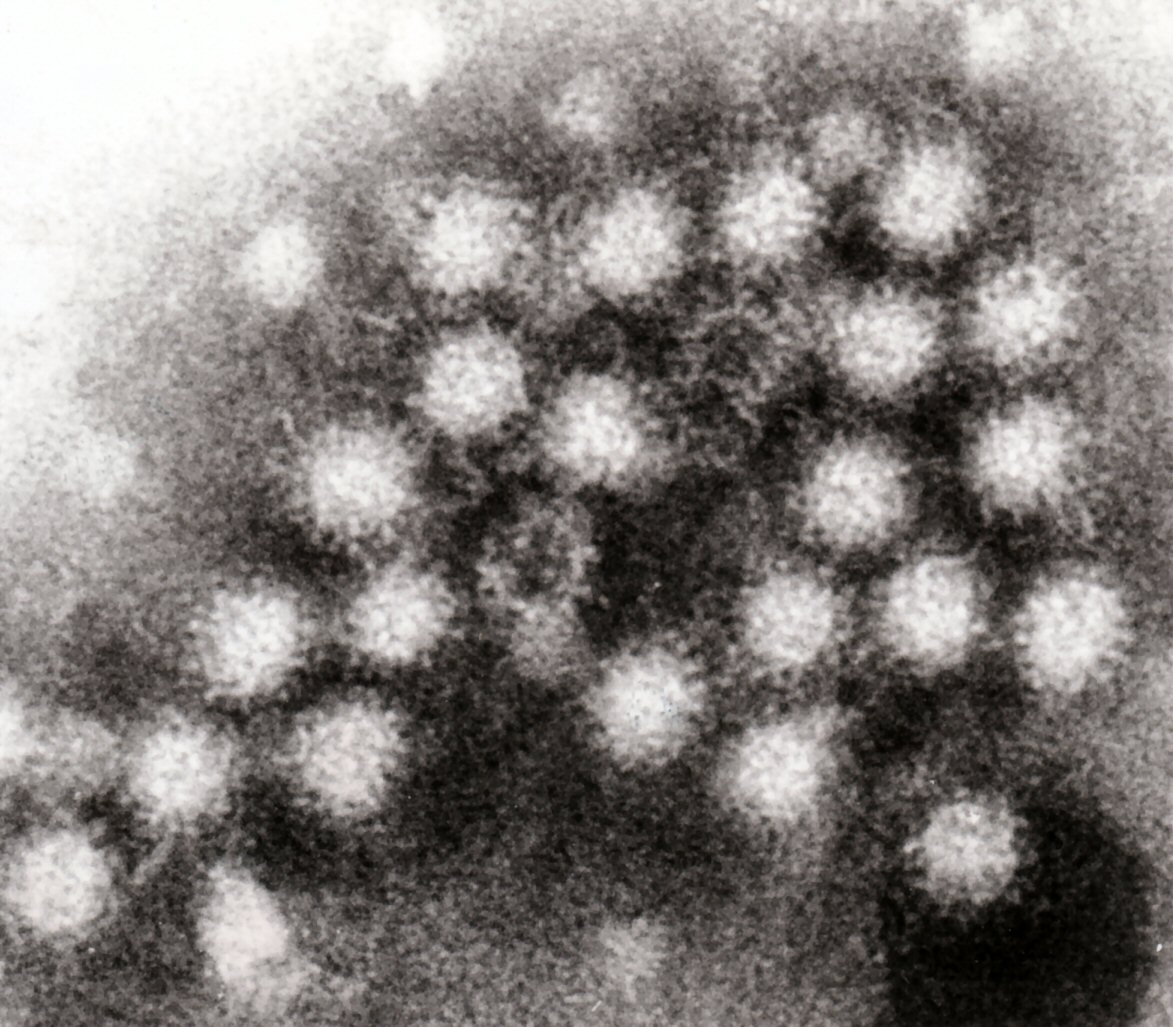
T. indotineae moves between people with alarming ease. Skin-to-skin contact provides the most direct route, but the fungus does not require it.
Towels harbour the organism. So do bedsheets, clothing, and shared gym equipment. Previous reports have linked some cases to sexual contact. Within households, one infection can quickly become several.
Professor Armstrong-James described a pattern his team has observed. “We’re seeing clusters. Once one person gets it, others follow,” he said.
Families face particular difficulty containing the spread. A parent contracts the infection and, despite precautions, passes it to children through shared bathroom items. Weeks of careful washing and isolation become necessary to break the cycle.
Who Is Getting Infected?
UKHSA data paint a picture of who currently carries the highest risk. Most confirmed UK cases have occurred in people of South Asian heritage, reflecting the infection’s origins on the Indian subcontinent.
Women aged 20 to 59 make up the primary demographic among patients. Yet the fungus does not discriminate by age. Records show the youngest confirmed case involved a two-year-old child.
Travel history once seemed like a reliable indicator. Patients with recent trips to high-prevalence regions, particularly South Asia, drew immediate suspicion. But 74 percent of those testing positive in Britain reported no recent international travel. Local transmission has taken root.
Dr Denning believes the infection will not remain confined to any single community. He predicted it won’t be long before T. indotineae seeps into the wider population.
Becoming Social Pariahs
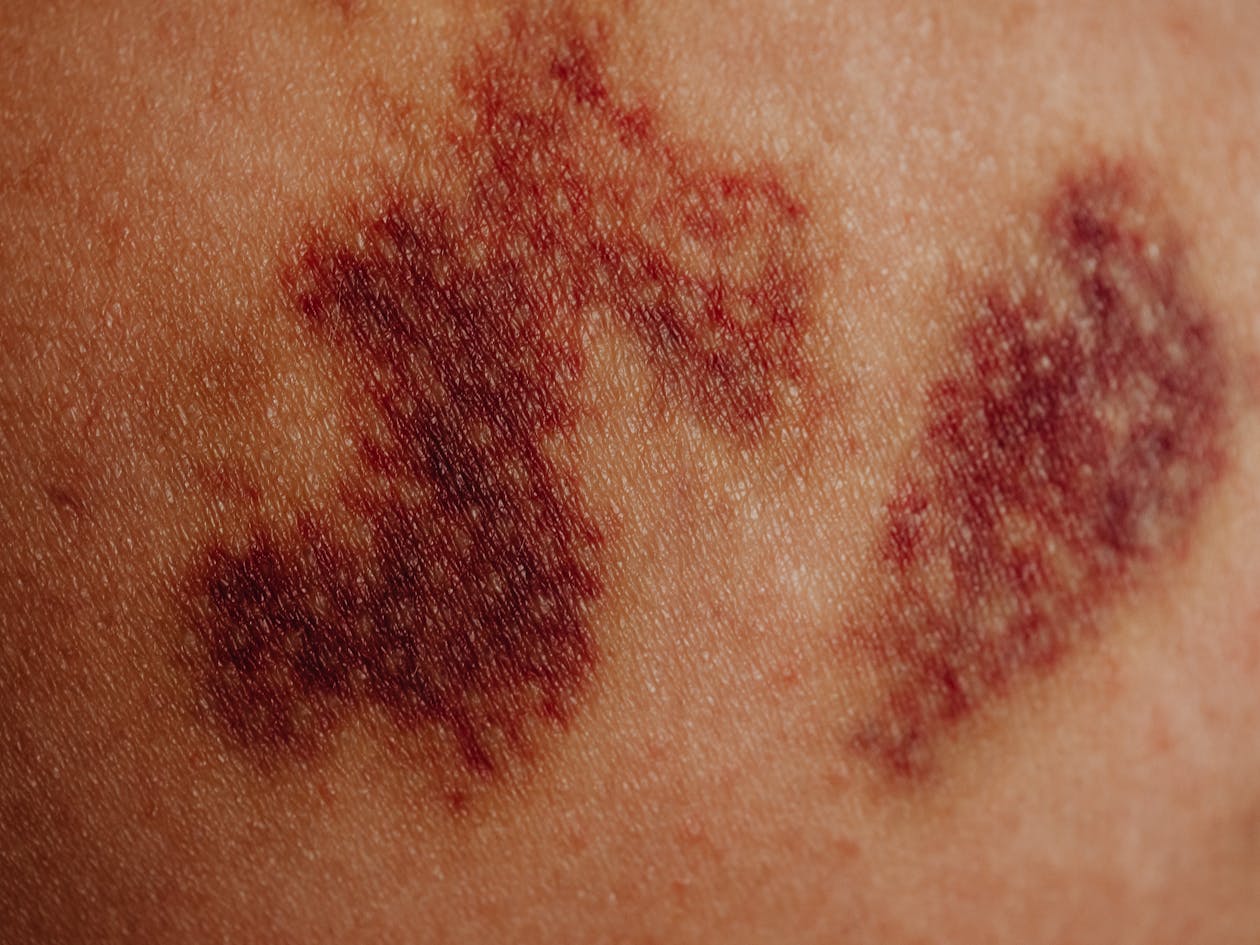
Physical symptoms tell only part of the story. For many sufferers, psychological damage runs just as deep.
Visible rashes in intimate areas create embarrassment and shame. Patients fear judgment from partners, colleagues, and friends. Some withdraw from social situations entirely, unable to face questions about their condition.
Dr Denning spoke to the isolation many patients experience. “Some people won’t feel like they can leave the house or go to work. They can become social pariahs,” he said.
Weeks turn into months as treatment drags on. Work suffers. Relationships strain. Mental health deteriorates alongside physical well-being. For a condition that poses no threat to life, T. indotineae extracts a heavy toll from those it infects.
Experts Warn It Will Reach the Wider Population
Scientists who study fungal diseases see T. indotineae as a preview of problems to come. Drug-resistant fungi are multiplying around the world, and healthcare systems remain poorly prepared.
Professor Armstrong-James expressed uncertainty about how far the infection might spread in Britain. Endemic status, where the fungus circulates permanently in the population, remains possible. Pandemic spread, while less likely, cannot be ruled out entirely.
Dr Denning took a broader view. “This is clearly going to become a big issue across the world,” he warned.
Other drug-resistant fungi have already gained footholds in British hospitals. Candidozyma auris, formerly known as Candida auris, spreads easily in healthcare settings and can prove deadly when it enters the bloodstream. Between 2013 and 2024, England recorded 637 cases, with 178 occurring in 2024 alone.
T. indotineae may not kill, but it shares something important with these more dangerous organisms. It resists the medicines designed to stop it, and it spreads faster than healthcare systems can respond.
Stopping the Spread
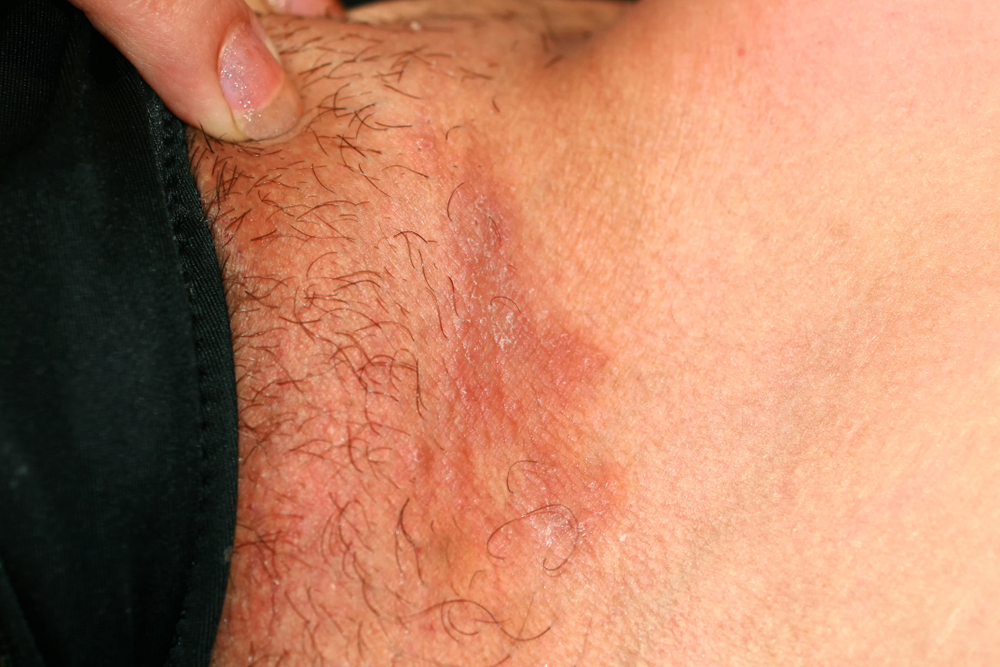
UKHSA officials have issued guidance for infected individuals and those caring for them. Limiting skin-to-skin contact until all lesions have completely healed remains essential. Sharing towels should stop immediately.
Contaminated fabrics require washing at high temperatures, followed by thorough drying before anyone else uses them. Gym-goers should wipe down equipment and avoid sitting directly on shared surfaces.
Clinicians have received their own instructions. Patients presenting with persistent or recurrent ringworm, particularly those who have failed standard treatment, should be considered potential T. indotineae cases. Early referral for molecular testing could speed diagnosis and contain further spread.
For now, Britain watches and waits as case numbers climb. A fungus that barely registered three years ago has become a growing concern for public health officials, dermatologists, and the hundreds of patients learning to live with an infection that refuses to go away.





John urban
Sunday 14th of December 2025
I caught this in the states last year. it was on my scapula region and spread to neck, was on my groin and testicles. It then started to peel. Scrotum looked...or felt like Prunes...then the skin started to shed. Doctor prescribed Doxycycline Mono 100mg for 7 days. Took two a day. cleared up but was a pain at first. freaked me out.