
What began as an emergency call for a three-year-old girl struggling to breathe ended in a criminal case that has shocked communities across New York. Investigators uncovered conditions that extended far beyond an untreated head lice infestation, revealing months of severe neglect that left the child with advanced anemia, severe dental decay, and no medical care during the final months of her life. The heartbreaking case has prompted renewed discussion about recognizing signs of neglect and ensuring children receive timely medical attention before common health issues become life-threatening.
Matthew and Samantha Dylewski have now been sentenced after pleading guilty to criminally negligent homicide in connection with the death of their daughter, Joycelynn. While untreated lice became one of the most widely discussed details of the investigation, authorities concluded that her death resulted from complications of “acute and chronic neglect.” Health experts say this distinction is important because head lice are generally treatable and rarely become dangerous unless they remain untreated for prolonged periods alongside serious neglect.
NY girl, 3, dies from lice infestation, severe neglect after hoarding parents subjected her to 'horrific' conditions https://t.co/SdIhS4npAm pic.twitter.com/XLQEnJyT39
— New York Post (@nypost) June 25, 2026
Parents Receive Maximum Sentence Under Plea Agreement
Emergency responders were called to the family’s home in Corinth, New York, in February 2025 after the three-year-old was reported to be having difficulty breathing. She was transported to Saratoga Hospital, where she later died. The investigation that followed revealed conditions prosecutors described as both disturbing and entirely preventable.
Matthew and Samantha Dylewski each pleaded guilty to criminally negligent homicide. Both received prison sentences of one and one-third to four years, the maximum allowed under their plea agreements. During sentencing, the court heard details about the child’s living conditions and the prolonged lack of medical care.
The judge described the family’s home as “deplorable and unsuitable for any child to be living in.” Addressing the father directly, the judge said, “Your entire job and it’s a gift to have a child. Your entire job was to keep her safe.”
Matthew Dylewski expressed remorse during the hearing, telling the court, “I wish it was me that died to this day.” The judge acknowledged the family’s loss while emphasizing that the tragedy could have been prevented.
Investigators Found Multiple Signs of Prolonged Neglect
Authorities determined Joycelynn had been living in unsanitary conditions for an extended period. Investigators reported that her hair was severely matted and that she had gone without medical care during the final 10 months of her life.
Officials also found a severe lice infestation that had gone untreated for weeks and possibly months. The prolonged infestation contributed to anemia, a condition that develops when the body lacks enough healthy red blood cells to carry adequate oxygen throughout the body.
Investigators further reported that the child’s teeth were severely decayed and that clonidine was found in her system despite not having been prescribed to her. Prosecutors also referenced text messages exchanged between the parents discussing giving her the medication.
Taken together, investigators concluded these findings reflected ongoing neglect rather than an isolated medical problem. The child’s death was ruled a homicide caused by complications of “acute and chronic neglect.”
Matthew and Samantha Dylewski were sentenced to the maximum prison term of 16 months to four years after their 3-year-old daughter died from a lice infestation. #DailyExpress https://t.co/oSIyaUtQ17 pic.twitter.com/CJtj6DFWlO
— Daily Express (@Daily_Express) June 25, 2026
Can Head Lice Become Dangerous?
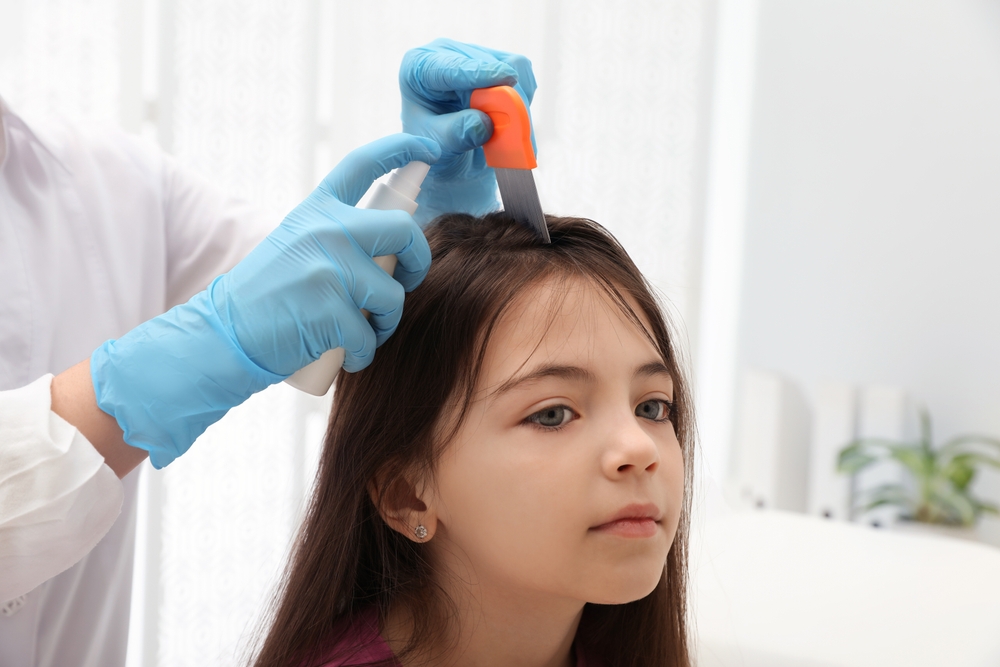
For most families, head lice are an unpleasant but manageable condition. They spread easily among children through close head-to-head contact and can usually be eliminated with prompt treatment, careful combing, and follow-up care.
In rare circumstances, however, an infestation that continues for many weeks or months without treatment may contribute to iron-deficiency anemia. Because lice feed on small amounts of blood from the scalp, an overwhelming infestation may gradually reduce iron stores in vulnerable children. Cases this severe are uncommon and are generally associated with significant neglect rather than routine lice infections.
Parents should never assume persistent itching is harmless. Ongoing scratching, scalp sores, visible lice or nits, unusual tiredness, pale skin, or symptoms that continue despite treatment all warrant medical evaluation. Early treatment almost always prevents serious complications.

Everyday Health Checks Can Make a Difference
Routine pediatric visits provide opportunities to identify concerns long before they become emergencies. Regular checkups allow healthcare providers to monitor growth, nutrition, dental health, and developmental milestones while helping parents address common childhood illnesses.
Families can also reduce the spread of lice by checking children’s hair after school outbreaks, avoiding the sharing of hats and hair accessories, washing bedding when an infestation is discovered, and following treatment instructions carefully until the infestation has been eliminated.
Just as important is seeking medical advice whenever a child develops symptoms that do not improve. Persistent health problems deserve attention, even when they initially appear minor.
Lawmakers Push for “Joycelynn’s Law”
The case has prompted renewed calls for stronger penalties in child neglect cases involving fatalities. New York lawmakers have proposed legislation known as “Joycelynn’s Law,” which would increase the maximum sentence for criminally negligent homicide involving a child to 20 years to life.
The proposal reflects growing concern that existing penalties do not adequately address deaths resulting from prolonged neglect. Full stay-away protection orders have also been issued for the couple’s four remaining children through June 2038.

Joycelynn’s death remains a devastating reminder that common childhood health problems are rarely dangerous when treated promptly. The tragedy unfolded because multiple serious medical needs went unaddressed for an extended period, underscoring the importance of routine healthcare, early intervention, and ensuring every child receives the basic care and protection they deserve.