
Type 2 diabetes has long been considered a lifelong condition, something to be managed rather than reversed. But recent research and clinical experience are changing that belief in a meaningful way. Many people are discovering that with the right lifestyle shifts, blood sugar levels can return to a healthy range, sometimes more quickly than expected. This growing body of evidence is encouraging both patients and practitioners to rethink what is truly possible when it comes to metabolic health.
This does not mean diabetes disappears overnight, nor does it suggest that everyone will have the same outcome or follow the same path. What it does mean is that your daily habits have a powerful influence on how your body handles blood sugar. Food choices, activity levels, sleep patterns, and stress all shape your metabolic health in ways that can either worsen or improve the condition. Even small, consistent changes can begin to shift your body toward better balance.
Doctors and researchers are now focusing more on the root causes of type 2 diabetes rather than just managing symptoms. Insulin resistance, excess fat storage, and chronic inflammation are at the center of the issue. When these underlying factors are addressed, the body often begins to restore its natural ability to regulate blood sugar. This approach looks beyond medication and considers the whole person, including lifestyle and environment.

What Does “Reversing Diabetes” Really Mean?
Reversing type 2 diabetes does not mean the condition is cured in the traditional sense or that it will never return. Instead, it refers to bringing blood sugar levels back into a normal or near normal range without the need for medication. This state is often called remission and is increasingly recognized in medical communities as an achievable goal for many individuals.
In remission, your body is better able to regulate glucose, often due to improved insulin sensitivity. This means your cells respond more effectively to insulin, allowing glucose to move out of the bloodstream and into cells where it can be used for energy. As a result, blood sugar levels remain stable without constant medical intervention.
However, remission requires ongoing effort and awareness. If previous habits return, blood sugar levels can rise again over time. This is why many health professionals emphasize long term lifestyle changes rather than short-term solutions. Sustainable habits are the foundation of maintaining remission and preventing relapse.
Understanding this definition is important because it sets realistic expectations. You are not chasing a one time solution or a quick fix. You are building a healthier internal environment that supports stable blood sugar over time. This mindset can make the journey feel more manageable and empowering.
Why Type 2 Diabetes Happens In The First Place
At the core of type 2 diabetes is insulin resistance. This occurs when your cells stop responding properly to insulin, the hormone responsible for regulating blood sugar. As a result, glucose builds up in the bloodstream instead of being used efficiently by the body’s cells. Over time, this imbalance can lead to consistently high blood sugar levels.
One of the main contributors to insulin resistance is excess body fat, particularly around the liver and pancreas. Fat accumulation in these organs interferes with their normal function, making it harder to control blood sugar levels effectively. This internal fat is often more harmful than fat stored elsewhere in the body.
Diet also plays a major role in the development of diabetes. Regular consumption of refined carbohydrates and sugary foods leads to repeated spikes in blood sugar and insulin. Over time, this pattern can wear down the body’s ability to respond effectively, increasing the risk of insulin resistance and metabolic dysfunction.
Inflammation and oxidative stress further complicate the picture. These processes damage cells and disrupt metabolic signaling, creating an environment where diabetes can develop and persist. Addressing these underlying issues is key to improving overall health and supporting reversal.

Can You Really Reverse It Faster Than You Think?
Some individuals experience significant improvements in blood sugar within weeks of making lifestyle changes, especially when those changes are consistent and targeted. This is especially true when the focus is on reducing insulin resistance and improving metabolic function through diet and activity.
Research shows that losing even a modest amount of weight can reduce fat in the liver and pancreas. This allows these organs to function more normally, which can lead to better blood sugar control in a relatively short period. For some people, these changes can be seen sooner than expected.
Very low-calorie diets and structured weight loss programs have shown promising results in clinical settings. These approaches can rapidly reduce internal fat and improve insulin sensitivity. However, they are not suitable for everyone and should always be supervised by a healthcare professional to ensure safety.
It is important to understand that “faster” does not mean instant or effortless. Progress depends on your starting point, consistency, and overall health. Still, the body often responds more quickly than many people expect when given the right conditions and support.
5 Natural Ways To Support Diabetes Reversal
1. Focus On Whole, Unprocessed Foods
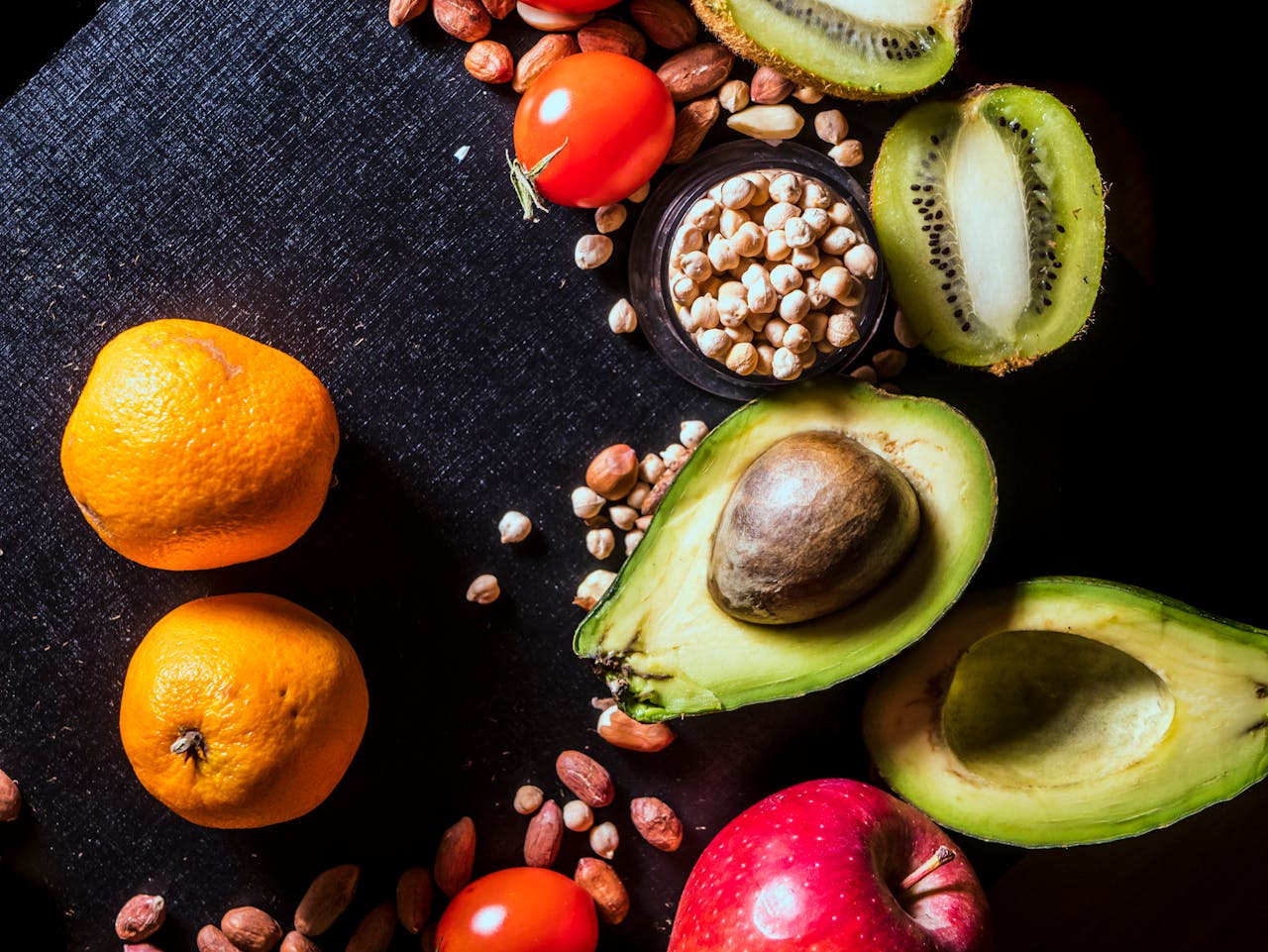
A diet built around whole foods provides your body with the nutrients it needs without causing extreme blood sugar spikes. Vegetables, fruits, whole grains, nuts, seeds, and legumes all contribute to better metabolic health and improved energy levels throughout the day.
Fiber is especially important because it slows the absorption of sugar into the bloodstream and supports a healthy gut microbiome. A balanced gut environment has been linked to improved insulin sensitivity and better overall metabolic function.
Replacing refined carbohydrates with complex ones can make a noticeable difference in how your body responds to food. Instead of white bread or sugary snacks, choose foods that digest more slowly and provide sustained energy over time.
Over time, these dietary changes help stabilize blood sugar levels and reduce the burden on your pancreas. This allows your body to function more efficiently and supports long-term health improvements.
2. Move Your Body Daily
Physical activity is one of the most effective ways to improve insulin sensitivity and support blood sugar control. When you exercise, your muscles use glucose for energy, which naturally lowers blood sugar levels and reduces insulin resistance.
Both aerobic exercise and strength training offer important benefits. Walking, cycling, and swimming improve cardiovascular health, while resistance training helps build muscle mass and strength.
More muscle means more capacity to store glucose, which supports better blood sugar regulation over time. Even short bouts of activity throughout the day can add up and make a difference in your overall health.
Consistency matters more than intensity when it comes to exercise. Finding activities you enjoy increases the likelihood that you will stick with them long term and continue to see benefits.
3. Prioritize Quality Sleep
Sleep is often overlooked in discussions about diabetes, yet it has a direct impact on blood sugar control and overall metabolic health. Poor sleep can increase insulin resistance and disrupt hormones that regulate appetite and energy balance.
When you are sleep deprived, your body produces more stress hormones, which can raise blood sugar levels and make it harder to maintain stability. Over time, this can contribute to worsening metabolic health.
Aim for seven to nine hours of restful sleep each night to support your body’s natural processes. Creating a calming bedtime routine can help signal to your body that it is time to relax and prepare for sleep.
Improving sleep quality may not seem like a major step, but it can have a meaningful effect on your overall health. Better sleep supports better decision-making, energy levels, and blood sugar control.

4. Manage Stress Effectively
Chronic stress keeps your body in a constant state of alert, which can negatively affect your health over time. This triggers the release of cortisol, a hormone that increases blood sugar levels and contributes to insulin resistance.
Over time, elevated cortisol can also contribute to weight gain, particularly around the abdomen. This further increases the risk of metabolic issues and makes diabetes more difficult to manage.
Practices such as meditation, deep breathing, and yoga can help calm the nervous system and reduce stress levels. Spending time in nature or engaging in relaxing activities can also support emotional well-being.
The goal is not to eliminate stress entirely but to build resilience so your body can recover more quickly. Managing stress effectively supports both your mental and physical health.
5. Support Your Gut Health
Your gut plays an important role in metabolic health and blood sugar regulation. The balance of bacteria in your digestive system influences how your body processes food and responds to insulin.
A diet rich in fiber and fermented foods supports beneficial bacteria and promotes a healthy gut environment. Foods like yogurt, kefir, sauerkraut, and kimchi can help maintain this balance.
Emerging research suggests that improving gut health may enhance insulin sensitivity and reduce inflammation. While this area continues to be studied, the connection is becoming increasingly clear.
Taking care of your gut is another way to support your body’s natural ability to regulate blood sugar. Small changes in your diet can lead to meaningful improvements over time.
A New Way Forward For Your Health
Reversing type 2 diabetes is not about perfection or extreme measures. It is about making consistent, meaningful changes that support your body over time and improve your overall quality of life.
You do not need to overhaul your entire lifestyle overnight to see results. Starting with small, manageable changes can build momentum and make the process feel more achievable.
The idea that diabetes can be reversed offers a renewed sense of possibility and motivation. With the right knowledge, tools, and support, you can take meaningful steps toward better health.
Your body has a remarkable ability to adapt and respond when given the right conditions. By focusing on nutrition, movement, sleep, and stress management, you can create a strong foundation for lasting wellness.
Sources
- Goyal, R., Singhal, M., & Jialal, I. (2023, June 23). Type 2 diabetes. StatPearls – NCBI Bookshelf. https://www.ncbi.nlm.nih.gov/books/NBK513253/
- Petersen, K. F., Dufour, S., Befroy, D., Lehrke, M., Hendler, R. E., & Shulman, G. I. (2005). Reversal of nonalcoholic hepatic steatosis, hepatic insulin resistance, and hyperglycemia by moderate weight reduction in patients with type 2 diabetes. Diabetes, 54(3), 603–608. https://doi.org/10.2337/diabetes.54.3.603