
Lupus is a complex autoimmune condition that has puzzled scientists and patients for decades. It affects millions of people worldwide and is known for causing the immune system to mistakenly attack healthy tissues. Symptoms can range from fatigue and joint pain to skin rashes and organ involvement, making daily life unpredictable and often overwhelming. While genetics and environmental triggers have long been suspected, a clear biological explanation has remained elusive for many years.
Recent research has begun to change that picture by drawing attention to a virus that most humans carry for life. Epstein Barr virus, commonly known as EBV, infects more than ninety five percent of adults globally. For most people, it stays dormant and causes few noticeable problems after the initial infection. New evidence now suggests that this quiet passenger in the body may play a direct role in triggering lupus in susceptible individuals.
This discovery is not about fear or alarm. Instead, it offers clarity and direction. Understanding how EBV interacts with the immune system, helps explain why lupus develops and why it behaves the way it does. It also opens the door to better prevention strategies, earlier diagnosis, and more supportive lifestyle approaches that focus on immune balance.
This article explores how EBV may be connected to lupus, what the science shows, and what this information means for your health. The focus remains on practical understanding, immune support, and steps that may help reduce risk while supporting overall wellbeing.

Understanding Lupus And The Immune System
Lupus is classified as an autoimmune disease, which means the immune system loses its ability to distinguish between foreign invaders and the body’s own cells. Instead of only attacking harmful bacteria and viruses, immune defenses begin targeting healthy tissues. This process leads to widespread inflammation that can affect the joints, skin, kidneys, heart, lungs, and brain.
The immune system normally relies on carefully regulated checkpoints. These controls ensure that immune cells shut down once a threat has been neutralized. In lupus, those checkpoints do not function properly. Immune cells remain active even when no danger is present, leading to chronic inflammation and tissue damage over time.
Genetics play a role in this malfunction. Certain genes influence how immune cells recognize proteins and how strongly they react. However, genes alone do not explain why lupus suddenly appears, often after years of good health. This has led scientists to search for environmental factors that may activate the disease.
Infections have long been suspected as possible triggers. When the immune system responds to a virus, it becomes highly active. In some people, that intense activation may disrupt immune tolerance. This is where Epstein Barr virus becomes especially relevant in the lupus conversation.
What Is Epstein Barr Virus And Why It Matters
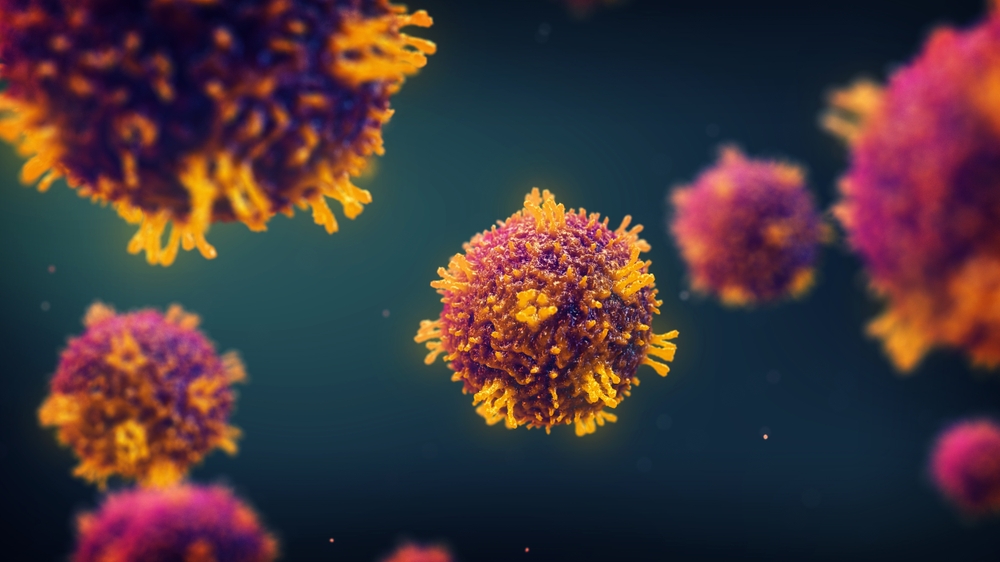
Epstein Barr virus is a member of the herpes virus family. It commonly spreads through saliva and often infects people during childhood or adolescence. Many people experience mild symptoms or none at all. Others develop infectious mononucleosis, which can cause fatigue, fever, and swollen glands.
After the initial infection, EBV never fully leaves the body. Instead, it remains dormant inside certain immune cells, particularly B cells. These cells are responsible for producing antibodies that help fight infections. EBV has evolved sophisticated ways to hide within these cells and reactivate under certain conditions.
For most individuals, the immune system keeps EBV under control. Problems arise when immune regulation is already fragile. Stress, hormonal changes, other infections, or genetic vulnerability can weaken immune balance and allow EBV to interfere more directly with immune signaling.
What makes EBV especially important is its ability to alter how immune cells behave. The virus can influence gene expression inside infected cells. This means it can turn certain immune responses on or off, sometimes in ways that resemble autoimmune activity.
How EBV May Trigger Lupus At The Molecular Level
Recent studies have identified a key mechanism linking EBV to lupus. Researchers found that a viral protein produced by EBV can bind to human DNA at sites associated with lupus risk genes. This interaction may switch on genes that promote autoimmune inflammation.
One important finding involves a viral protein called EBNA2. This protein can attach to regions of the genome that regulate immune activity. In people who carry genetic risk factors for lupus, EBNA2 appears more likely to activate harmful immune pathways.
This process helps explain why not everyone infected with EBV develops lupus. The virus alone is not enough. It interacts with existing genetic and immune vulnerabilities. When the right combination occurs, the immune system may shift into an autoimmune pattern that persists long after the viral activity quiets down.
This insight also explains why lupus often develops years after EBV infection. The virus remains dormant but continues influencing immune cells at a subtle level. Over time, immune tolerance may erode, eventually leading to disease onset.
Why This Discovery Changes How We View Lupus
For many years, lupus has been described as unpredictable and poorly understood. Patients are often told that the cause is unknown and that treatment focuses mainly on symptom control. The EBV connection provides a clearer narrative that many people find validating.
Knowing that a common virus may act as a trigger helps reduce stigma and self blame. Lupus is not caused by lifestyle failure or personal weakness. It is the result of complex biological interactions that are now becoming easier to explain.
This discovery also encourages a shift toward prevention and early intervention. If EBV plays a role in triggering lupus, then monitoring immune responses after infection may help identify higher risk individuals. This could lead to earlier lifestyle guidance and medical monitoring.
From a research standpoint, this finding encourages exploration of antiviral strategies and immune balancing approaches. It also supports further investigation into vaccines and therapies that may reduce EBV activity or its impact on immune regulation.

Supporting Immune Health If You Carry EBV
Since most people carry EBV, immune support becomes a practical focus rather than avoidance. The goal is not to eliminate the virus, which is currently not possible, but to support immune balance so the virus remains dormant and less disruptive.
Nutrition plays an important role in immune regulation. Diets rich in whole foods, colorful vegetables, healthy fats, and adequate protein provide the nutrients immune cells need to function properly. Antioxidants from fruits and vegetables help manage inflammation that can strain immune balance.
Stress management is another key factor. Chronic stress affects immune signaling and may encourage viral reactivation. Practices such as meditation, gentle movement, deep breathing, and adequate rest support nervous system regulation and immune resilience.
Sleep also matters more than many people realize. Poor sleep alters immune cell communication and increases inflammatory markers. Prioritizing consistent sleep routines supports both antiviral defense and autoimmune stability.
Listening To Your Body And Moving Forward
Scientific discoveries are most helpful when they translate into empowerment. Understanding the EBV lupus connection helps people make sense of their symptoms and their health journey. It provides context rather than fear.
If you experience persistent fatigue, joint pain, unexplained rashes, or immune symptoms, early evaluation matters. Paying attention to subtle changes allows for earlier support and monitoring when needed.
Supporting immune health is not about perfection. It is about consistency, self awareness, and informed choices that reduce unnecessary strain on the body. Small daily habits often create meaningful long term impact.
As research continues, the hope is not only better treatments but also clearer guidance for prevention and immune support. This growing understanding of lupus marks a meaningful step toward more compassionate and informed care.