
For millions of people living with autoimmune disease, treatment often means managing symptoms, reducing flare-ups, and hoping the next medication works a little better than the last one.
Now, researchers are talking about something much bigger. A cancer treatment once reserved for some of the sickest patients in the world is showing signs that it may be able to reset the immune system itself.
Why Autoimmune Diseases Have Been So Difficult to Treat
Autoimmune diseases happen when the immune system loses its ability to tell the difference between healthy tissue and dangerous threats. Instead of protecting the body, immune cells begin attacking it.
That attack can show up in very different ways depending on the condition. In rheumatoid arthritis, the immune system targets the joints. In lupus, it can affect the skin, kidneys, and organs. Multiple sclerosis damages nerve coverings. Type 1 diabetes destroys insulin-producing cells in the pancreas.
Researchers estimate that autoimmune diseases affect around one in 10 people worldwide. Many patients spend years cycling through medications, steroids, biologic drugs, and lifestyle changes just to keep symptoms under control.

For decades, most treatments have focused on suppression.
Doctors try to calm the immune system enough to reduce damage without shutting it down completely. Some medications work well for years. Others stop working overtime. Many come with difficult side effects, including infections, fatigue, weight changes, and long-term immune complications.
That is why recent CAR-T research has generated so much excitement inside the medical community.
Instead of simply lowering inflammation, scientists are testing whether they can eliminate the immune cells responsible for the disease in the first place.
The Cancer Treatment That Is Producing Surprising Results
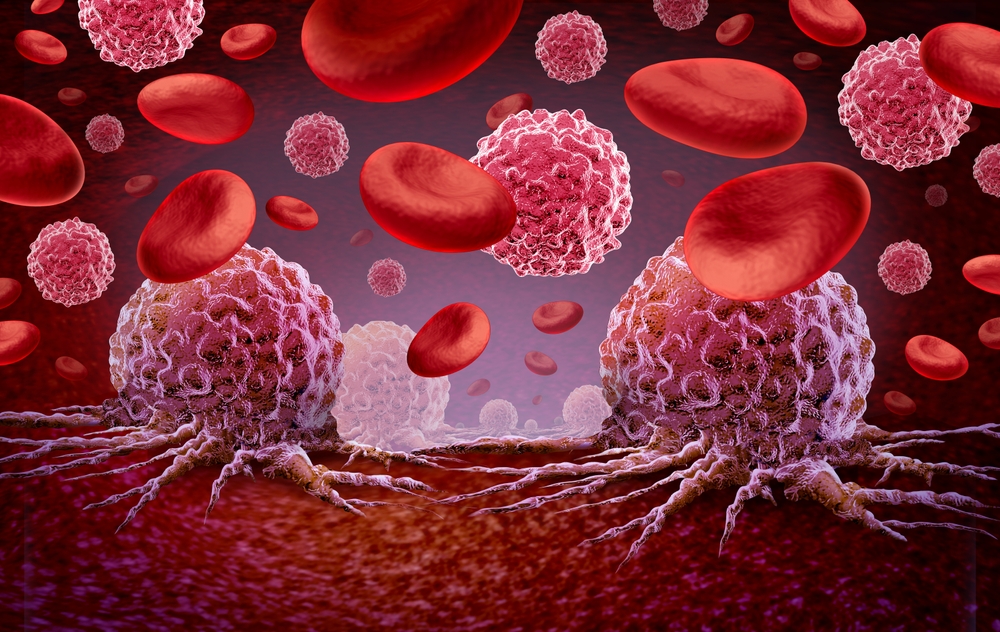
CAR-T cell therapy was originally designed to fight certain blood cancers.
The process is highly personalized. Doctors remove a patient’s T cells, which are immune cells that help identify threats inside the body. In a laboratory, scientists genetically modify those T cells so they can recognize a specific target. The cells are then infused back into the patient.
Once inside the body, the modified cells hunt down and destroy harmful immune cells.
The therapy has already transformed treatment for some leukemia and lymphoma patients. In cases where traditional cancer therapies failed, CAR-T has pushed certain patients into remission.
Researchers eventually realized that autoimmune disease shares some important similarities with cancer.
In autoimmune disorders, rogue immune cells continue behaving abnormally when they should have been eliminated during the body’s natural immune screening process. Scientists now believe some of those cells carry mutations that allow them to survive when they normally would not.
That raised a huge question.
If CAR-T therapy could eliminate cancerous immune cells, could it also eliminate the malfunctioning immune cells driving autoimmune disease?
At first, researchers were cautious.
CAR-T therapy can trigger serious side effects in cancer patients, including dangerous inflammatory reactions and neurological complications. It is also extremely expensive and technically complex.
But early autoimmune trials have produced outcomes that even experts describe as astonishing.
Fabian Müller, a hematologist-oncologist at the University Hospital of Erlangen in Germany, has been leading some of the most closely watched research.
In one recent case, a 47-year-old woman suffering from three severe autoimmune diseases had already gone through nine failed treatment attempts. Her immune system was destroying red blood cells and platelets while also increasing her risk of dangerous blood clots.
By the beginning of 2025, she had spent months in the hospital receiving multiple blood transfusions each day.
Then she received CAR-T therapy.
According to Müller’s team, the patient no longer needed blood transfusions within a week. Her blood markers rapidly improved. A year later, she remained in remission without additional treatment.
Müller told researchers, “The speed and depth of the response were remarkable.”
What Makes CAR-T Different From Traditional Autoimmune Treatments
Most autoimmune medications work like volume controls.
They turn the immune response down.
CAR-T therapy attempts something very different. Researchers describe it more like an immune system reset.
Many autoimmune diseases are driven by malfunctioning B cells, which produce harmful antibodies that attack healthy tissues.
CAR-T therapy targets those B cells directly.
After the problematic immune cells are eliminated, the body begins producing new immune cells again. Researchers hope those replacement cells behave normally and stop attacking healthy tissue.
That possibility has changed the entire conversation around autoimmune disease.
For years, remission meant symptoms became manageable for a period of time. Patients often still needed medication and regular monitoring.
Now scientists are cautiously discussing the possibility of long-term drug-free remission.
Some patients who received CAR-T therapy several years ago are still symptom-free.
One of Müller’s earliest lupus patients reportedly remains healthy more than five years after treatment. She completed her master’s degree and now works at the same hospital, running clinical trials.
Researchers still hesitate to use the word “cure.”
In cancer medicine, doctors often wait five years before using that language. Autoimmune CAR-T research is still very new.
Even so, the results have pushed pharmaceutical companies and research hospitals around the world to launch dozens of new clinical trials.
Scientists are now testing CAR-T approaches for:
- Lupus
- Multiple sclerosis
- Myasthenia gravis
- Rheumatoid arthritis
- Ulcerative colitis
- Systemic sclerosis
- Type 1 diabetes
- Severe blood-related autoimmune disorders
Not every disease may respond equally well.
Some autoimmune conditions involve different immune pathways that are harder to target safely. Researchers also still need to determine how long remission lasts and which patients are most likely to benefit.
Still, the pace of progress has surprised many experts.
Why Researchers Believe Timing Could Matter

One of the most important lessons emerging from CAR-T studies is that earlier intervention may lead to better outcomes.
Many autoimmune diseases slowly damage organs, joints, nerves, or tissues over time.
Even if the immune attack eventually stops, some of that damage cannot be reversed.
That is why researchers are increasingly interested in whether CAR-T therapy should be used before patients spend years cycling through medications that fail to control the disease.
Müller recently suggested that earlier treatment might help prevent permanent complications and improve long-term quality of life.
This matters because autoimmune disease often reshapes everyday life in ways people outside the condition rarely see.
Fatigue can become overwhelming.
Joint pain may limit mobility.
Simple routines like cooking, walking, working, or caring for children can suddenly become exhausting.
Many people also deal with the emotional weight of uncertainty.
Symptoms flare unexpectedly. Treatments stop working. Some patients spend years searching for a diagnosis.
That constant unpredictability can affect sleep, relationships, stress levels, and mental health.
Even though CAR-T therapy is still experimental for autoimmune disease, stories from patients entering remission are giving many families a sense of hope they have not felt in years.
The Discovery That Changed How Scientists View Autoimmune Disease

Part of the recent excitement comes from a broader shift in how researchers understand the immune system itself.
In 2025, the Nobel Prize in Physiology or Medicine was awarded to researchers Mary E. Brunkow, Fred Ramsdell, and Shimon Sakaguchi for discoveries related to peripheral immune tolerance.
Their work focused on regulatory T cells, often called Tregs.
These cells help keep the immune system balanced by telling immune responses when to stop.
Without that balance, the immune system can spiral into self-attack.
The research helped explain why autoimmune diseases happen and why certain immune cells fail to recognize healthy tissue correctly.
Scientists also identified the FOXP3 gene, which plays a major role in how regulatory T cells function.
Those discoveries are now shaping modern autoimmune therapies.
More than 200 clinical trials are exploring ways to improve immune tolerance and retrain immune responses.
That research is influencing multiple approaches beyond CAR-T.
Other Immune Reset Strategies Scientists Are Studying

CAR-T therapy is receiving enormous attention, but it is not the only strategy researchers are testing.
Stem cell transplantation has already shown promise in diseases like multiple sclerosis and systemic sclerosis.
The process attempts to rebuild the immune system after aggressive treatment removes malfunctioning immune cells.
Biologic medications continue evolving as well.
Newer biologics target specific inflammatory pathways more precisely than older immunosuppressants. For many patients, these medications can reduce flare-ups dramatically and improve daily functioning.
Researchers are also studying therapies that strengthen or expand regulatory T cells directly.
The long-term goal is not simply suppressing the immune system. Scientists want to restore balance so the body stops attacking itself naturally.
That shift represents one of the biggest changes in autoimmune research in decades.
The Challenges That Still Stand In The Way
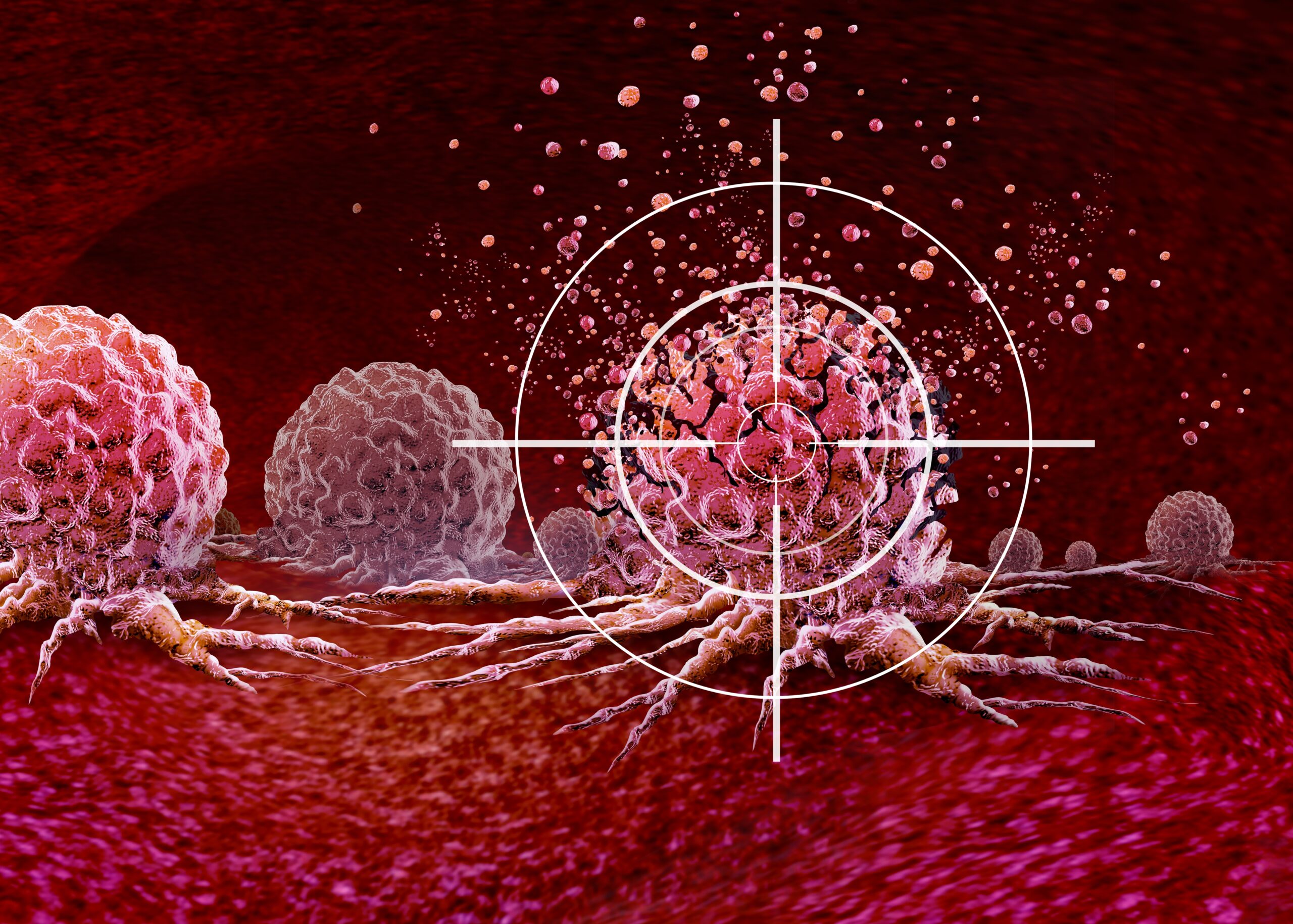
As hopeful as the early results appear, CAR-T therapy still faces major obstacles.
The first is cost.
Current CAR-T treatments for cancer can cost hundreds of thousands of dollars per patient.
Because the therapy is customized using a patient’s own immune cells, production is labor-intensive and highly specialized.
That limits access.
In countries like Germany, some patients with severe autoimmune disease can receive treatment through compassionate-use programs. In the United States, most access currently happens through clinical trials.
Researchers are trying to solve that problem.
One promising idea involves “off-the-shelf” CAR-T therapies made from donor cells rather than individual patient cells.
Another involves “in vivo” CAR-T therapy.
Instead of modifying immune cells in a lab, scientists would reprogram immune cells directly inside the patient’s body through injections.
If successful, those approaches could dramatically reduce costs and make treatment more widely available.
There are also safety questions that still need answers.
Although autoimmune patients appear to experience fewer severe side effects than cancer patients, researchers continue monitoring for long-term immune complications.
Some scientists worry that certain patients could relapse years later if new rogue immune cells eventually emerge.
Others point out that not all autoimmune diseases are driven by the same mechanisms.
Diseases involving malfunctioning T cells rather than B cells may prove harder to treat safely.
Researchers also stress that remission does not automatically reverse years of existing damage.
A patient whose joints, nerves, kidneys, or organs were already injured by chronic inflammation may still need ongoing care and rehabilitation.
That is why experts continue urging caution alongside optimism.
What This Could Mean For Everyday Patients

For many people living with autoimmune disease, the biggest takeaway is not that a universal cure suddenly exists.
It is that the entire direction of treatment may be changing.
For years, autoimmune care focused largely on symptom management.
Now, researchers are seriously exploring whether some diseases can be interrupted at their source.
That shift could eventually change how patients think about long-term health.
It may also encourage more personalized treatment strategies.
Autoimmune disease affects everyone differently.
Two people with the same diagnosis can experience completely different symptoms, triggers, and disease progression. Some patients respond well to biologics. Others struggle for years without finding effective control.
As researchers learn more about immune regulation, treatments may become far more individualized.
At the same time, lifestyle support still matters.
Even the most advanced therapies work best when people support overall health through sustainable habits.
Doctors continue emphasizing several foundational areas that can help patients manage inflammation and improve quality of life:
- Consistent sleep routines
- Gentle movement and strength training when possible
- Stress management practices
- Balanced nutrition focused on whole foods
- Regular medical follow-up
- Social support and mental health care
None of those habits replaces medical treatment.
But they can improve resilience, energy, mobility, and recovery during long-term disease management.
That message aligns closely with what many autoimmune patients already know from experience.
Health rarely improves through one dramatic overnight change.
More often, progress comes through a combination of medical care, supportive routines, persistence, and access to better treatment options over time.
A New Era Of Autoimmune Research Is Beginning
The excitement surrounding CAR-T therapy reflects something larger than a single breakthrough.
For the first time in decades, researchers believe they may be moving beyond temporary symptom control toward therapies that actually retrain the immune system.
That possibility still comes with uncertainty.
Long-term studies are needed. Costs must come down. Access remains limited. Researchers still have enormous questions to answer about durability, safety, and which diseases will respond best.
But the momentum is real.
Patients who once had no remaining treatment options are entering remission. Scientists who expected modest improvements are seeing immune systems behave in ways they did not fully anticipate.
For people living with autoimmune disease, this does not guarantee an immediate cure.
It does mean the future of treatment may look very different from the past.
And after decades of watching the immune system turn against the body, researchers are finally beginning to ask whether it can truly be taught to heal instead.




Ashley Gillean
Sunday 24th of May 2026
I would like to know if this could work for primary biliary cholangitis , I am diagnosed with this autoimmune liver disease