
When a mother in Bowling Green, Ohio, went to check on her daughter and a friend after what should have been an ordinary sleepover, she expected to find two groggy teenagers sleeping in. Instead, she walked into a scene that would become one of the most terrifying experiences of her life. Something was wrong with the girls. Something was very wrong.
What began as a routine Monday morning in the Gypsy Lane Estates neighborhood soon required emergency medical intervention, police involvement, and a frantic search for answers. By the time the dust settled, a mother who had never heard of a certain social media trend found herself at the center of a cautionary tale she now feels compelled to share with other parents.
Her daughter, age 13, and a 12-year-old friend had fallen victim to a dangerous online phenomenon that has already claimed the lives of two teenagers across the country. And the scariest part? Most parents have no idea it exists.
A Morning That Defied Explanation
Bowling Green Police received a call on Monday morning that would send first responders rushing to a residential address in the Gypsy Lane Estates community. Two minors had overdosed, and the situation was deteriorating.
Inside the home, a mother who has since chosen to remain anonymous was witnessing her daughter in a state she had never seen before. Attempts at conversation proved futile, as coherent speech had given way to something far more alarming.
“She was grabbing at things that weren’t there. She was seeing things, she was hallucinating,” the mother recounted to WTVG’s 13 Action News.
Both girls were experiencing severe symptoms that went far beyond anything a typical morning-after grogginess could explain. One of the teenagers had lost the ability to communicate in any meaningful way, her words coming out as incomprehensible sounds rather than sentences. Her body was failing her, too, with muscle weakness setting in so severely that standing became impossible.
Emergency services transported both children to a local hospital, where medical staff worked to stabilize them. In what can only be described as fortunate circumstances, given the severity of the situation, both girls were treated and later released. But the mystery of what had caused such a dramatic medical emergency remained unsolved, at least for the moment.
An Empty Box Tells a Disturbing Story
With her daughter receiving medical attention, the mother began searching the bedroom for clues. What she found in the trash can sent chills down her spine.
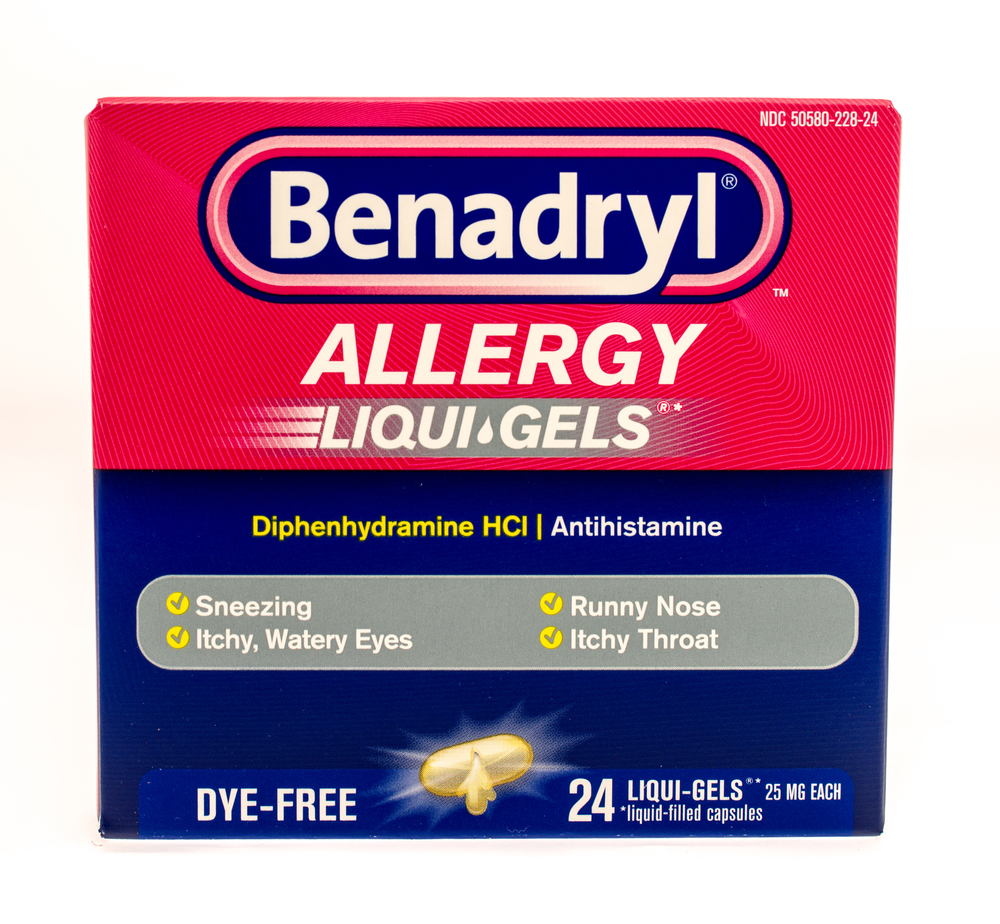
An empty package that had once contained 48 Benadryl tablets sat crumpled among the garbage. A quick count of what might remain elsewhere came up empty. All 48 pills were gone, consumed by two young girls who had no business taking anywhere near that amount.
When the mother learned the specifics, the numbers were staggering. Her daughter had ingested 28 tablets while her friend had taken 20. For perspective on just how dangerous these amounts are, consider that standard dosing guidelines recommend one tablet every four hours for anyone over the age of 12. Maximum safe intake for adults over 24 hours sits at 300 mg, which translates to 12 standard tablets. One girl had taken more than twice that amount in what investigators believe was a single sitting.
Further investigation revealed that the girls had purchased the medication themselves at a local Walmart just one day earlier. Two preteens had walked into a store, bought a bottle of antihistamines, and no alarm bells had sounded. Why would they? Benadryl sits on shelves alongside vitamins and bandages, a household staple that most people consider harmless.
Evidence Disappears in Real Time
First responders who arrived at the scene witnessed something troubling beyond the medical emergency itself. A medic observed one of the girls in the act of deleting photographs from her smartphone. Before the images could vanish, the medic caught a glimpse of what they contained.
Pictures showed a hand holding more than 20 pills, documentation of the dangerous act the girls had committed. Whether intended as proof of participation in a challenge or simply as photos to share with friends online, the images represented evidence of premeditation. Whatever drove these two young teenagers to swallow dozens of antihistamine tablets, it was not an accident.
Police reports confirmed the deleted photo observation, adding another layer to an already disturbing incident. Social media had played a role in this overdose, a role that parents across the country need to understand.
Inside a Dangerous Online Phenomenon

Social media platforms have given rise to countless trends over the years, some harmless and others decidedly not. Among the most dangerous to emerge in recent memory is something called the Benadryl Challenge, a trend that encourages young people to consume large quantities of the over-the-counter antihistamine diphenhydramine in pursuit of hallucinations.
Participants film themselves taking handfuls of pills and then document the hallucinatory effects that follow. Videos spread across platforms, inspiring others to attempt the same dangerous feat. What might seem like harmless teenage rebellion to some carries consequences that can be permanent.
Benadryl Challenge content first appeared online in 2023, prompting health officials and parents alike to sound alarms about its dangers. Like many viral trends, it faded from public consciousness for a time, only to resurface with tragic results. Two teenagers have died as a direct result of participating in this challenge, their lives cut short by a medication that sits in medicine cabinets across America.
Diphenhydramine, the active ingredient in Benadryl and numerous other over-the-counter products, works by blocking histamine receptors throughout the body. At normal doses, it relieves allergy symptoms and can cause drowsiness. At the doses young people are taking for this challenge, it becomes something else entirely.
What Happens When the Body Absorbs Too Much
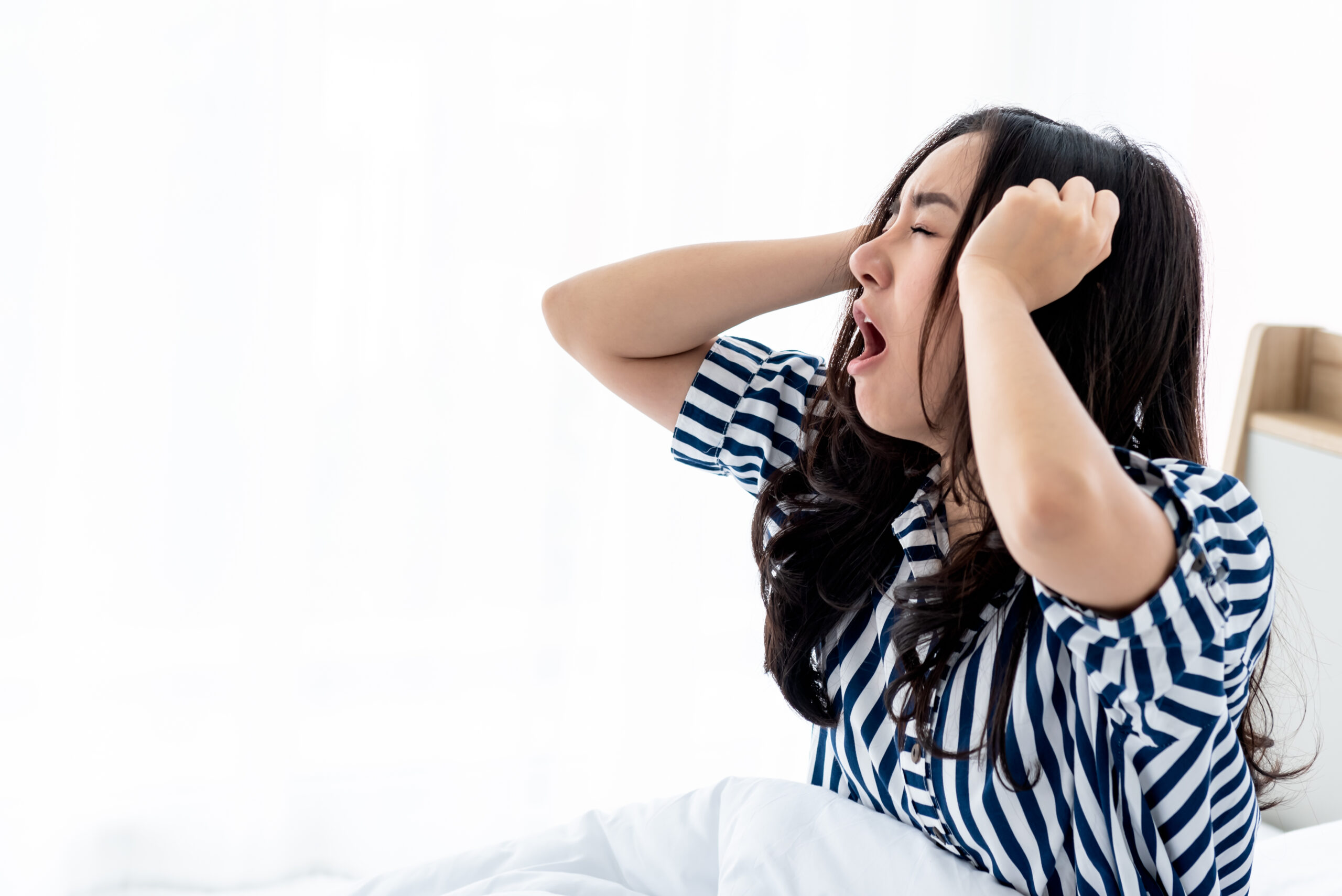
Medical professionals have documented a wide range of symptoms associated with diphenhydramine overdose, and the progression from mild to severe can happen with alarming speed.
Early symptoms include extreme drowsiness, dry mouth, flushing, nausea, and rapid heartbeat. As the amount of the drug in the system increases, more serious effects emerge. Confusion sets in, followed by the hallucinations that challenge participants seek. But the experience rarely stops there.
Severe overdose can cause delirium, seizures, and loss of consciousness. At very high doses, diphenhydramine affects cardiac function, leading to irregular heartbeats and dangerously low blood pressure. Breathing can slow to dangerous levels. In the most extreme cases, coma and death follow.
One documented case from medical literature paints a particularly grim picture. A 14-year-old girl was brought to an emergency room after overdosing on diphenhydramine while participating in a social media challenge. She received supportive care and spent seven days in a psychiatric facility following the incident. Eight months later, she was found dead in her home. An autopsy revealed diphenhydramine levels in her blood that measured 500 times higher than what would be considered therapeutic.
Histamine receptors exist throughout the central nervous system, which explains why excessive diphenhydramine can cause such profound neurological effects. When too much of the medication binds to these receptors in the brain and spinal cord, normal function becomes impossible.
A Hidden Danger in Plain Sight
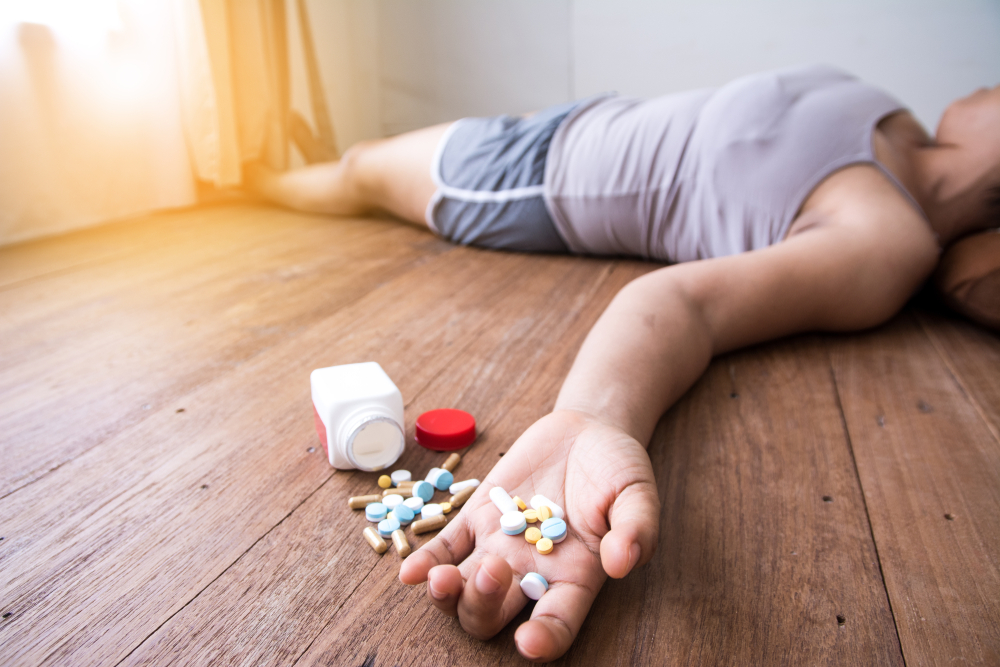
Part of what makes diphenhydramine overdose so insidious is how accessible the medication remains. Benadryl and its generic equivalents require no prescription and face few purchasing restrictions. Parents who would never dream of leaving opioids or other controlled substances within reach of their children might not think twice about an antihistamine in the medicine cabinet.
Compounding the problem is diphenhydramine’s presence in numerous combination products. Sleep aids like Unisom SleepGels and ZzzQuil contain the ingredient. Pain relievers such as Advil PM combine it with ibuprofen. Cold and sinus medications often include diphenhydramine as well. A teenager determined to accumulate a large quantity might find multiple sources throughout a single household.
Reading labels becomes essential for parents hoping to control access. Any product containing diphenhydramine in its active ingredients list deserves the same careful storage as prescription medications.
Experts Urge Parents to Take Action
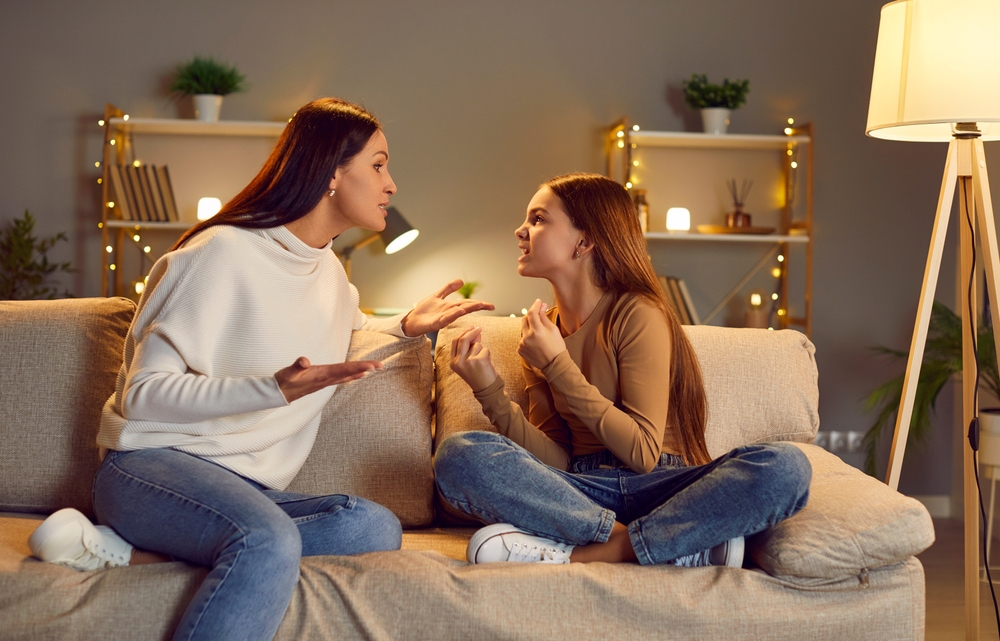
Officials with Wood County Alcohol, Drug Abuse and Mental Health Services Board have weighed in on the Bowling Green incident, offering guidance for families hoping to prevent similar emergencies.
Aimee Coe, director of clinical and prevention programs, emphasized communication as the first line of defense. “It’s really, really important that parents continue to talk to their kids about the dangers of taking on any of these challenges,” Coe told reporters.
Beyond conversation, practical steps can reduce the risk of overdose incidents. Coe recommended that families secure all medications, a category that extends beyond prescriptions to include everyday over-the-counter products. Proper disposal of unused or expired medications eliminates another potential source of danger.
Monitoring social media activity represents another avenue for parental involvement. Trends like the Benadryl Challenge spread through platforms that young people frequent, and awareness of what children are viewing online can provide early warning signs.
A Mother Shares Her Story
For the Bowling Green mother whose daughter overdosed, speaking publicly about the incident serves a purpose beyond processing trauma. She wants other parents to learn from what happened in her home.
Before Monday morning, she had never heard of the Benadryl Challenge. Like countless other parents, she had no reason to suspect that a common allergy medication could become a tool for dangerous teenage experimentation. Her daughter’s near-miss has changed that perspective forever.
“She wasn’t able to really talk at this point, it was all gibberish. Then she started to get really weak and fall backward and she wasn’t able to stand,” the mother recalled of those terrifying moments before emergency services arrived.
Her message to other parents is clear. Stay informed about the trends circulating on social media, even when they seem absurd or unlikely to affect your family. Monitor what your children are doing online and who they are communicating with. Talk openly about the dangers of viral challenges that promise thrills but deliver potentially fatal consequences.
Moving Forward with Vigilance
Both girls involved in the Bowling Green incident have been released from the hospital, their bodies having processed the massive doses of diphenhydramine without permanent physical damage. Whether lasting psychological effects will emerge remains to be seen.
What cannot be undone is the trauma experienced by the families involved, the fear that gripped a mother as she watched her daughter hallucinate and lose motor function, the panic of calling 911 without knowing whether help would arrive in time.
Across the country, other parents face the same potential scenario without knowing it. Their children may have already seen Benadryl Challenge content online. They may be curious about what hallucinations feel like or eager to prove their bravery to peers. A bottle of antihistamines sits within easy reach, purchased for legitimate purposes but now representing an unrecognized threat.
Prevention requires awareness, and awareness requires parents willing to share difficult stories. One Ohio mother has done exactly that, transforming a personal nightmare into a public warning. Whether her message reaches the right ears in time to prevent the next overdose remains an open question, one that every parent with a teenager and a medicine cabinet should be asking themselves right now.