
For almost three decades, the idea that childhood vaccines cause autism has lingered in the public imagination. It began with a single flawed study and evolved into a full cultural debate that has touched parents, policymakers, scientists, and online communities alike. For parents, the worry is not simply academic. When a child shows delays in communication or social development, caregivers naturally search for a cause, a pattern, a moment in time that might explain the shift. Vaccines, often given in the first years of life when developmental changes are most visible, became the unfortunate target of this search for meaning.
In the years since, scientists around the world have conducted enormous studies to investigate the question directly. Over and over, the results have been the same. Routine childhood vaccines have not been shown to cause autism. Yet the concern persists, and in 2025, it resurfaced strongly when federal agencies in the United States altered the language on their official vaccine and autism pages. What many interpreted as a reversal or revelation was, in reality, a shift in wording rather than new scientific evidence. That shift, however, traveled quickly through social media and reignited old fears.
Science seeks clarity, but parents seek protection. When we bring the two together, we can navigate this topic with both wisdom and calm.
How Scientists Investigate the Vaccine Autism Question
At the heart of the scientific process is the principle that claims require evidence. A link between two events never becomes a causal claim without rigorous testing. To investigate whether vaccines cause autism, researchers turn to large epidemiological studies that look at many thousands, even millions, of children. These studies compare autism rates among vaccinated and unvaccinated children, track exposure to vaccine ingredients, and examine timing, dose, and potential biological mechanisms. Several kinds of research methods have been used.
- Cohort studies that follow large populations of children over time to compare autism rates between vaccinated and unvaccinated groups.
- Case control studies that compare children with autism to children without autism to determine if vaccination history differs.
- Pharmacokinetic studies that analyze how the body processes ingredients like ethylmercury or aluminum, which help determine whether they accumulate or pose risk.
- Mechanistic studies that examine whether there is any plausible biological pathway by which vaccines could alter early neurodevelopment.
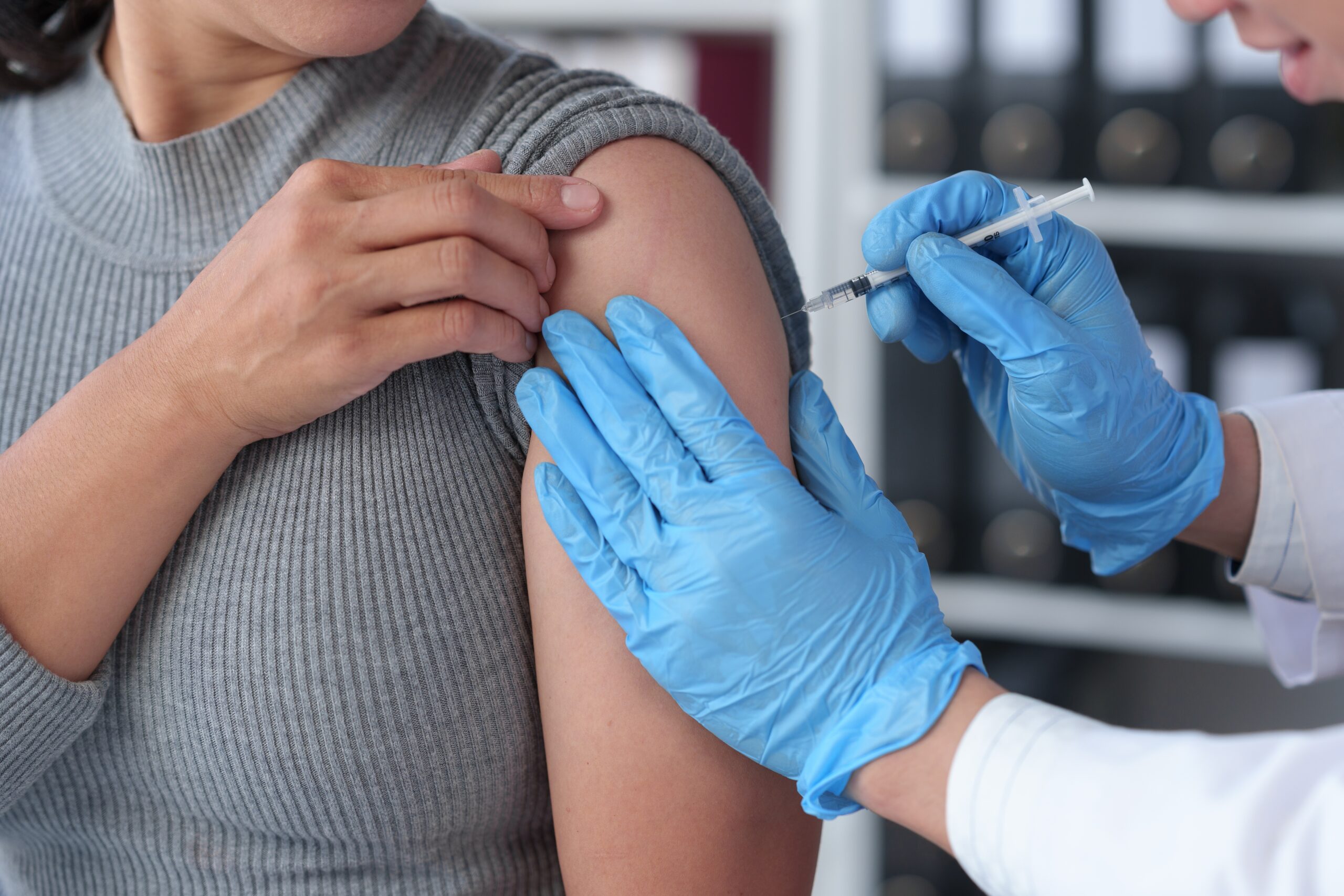
Science is not perfect, but it is powerful when different approaches point toward the same conclusion. In the case of vaccines and autism, this convergence of evidence has consistently shown no causal connection.
One of the clearest examples is a massive Danish study that followed more than 650,000 children. Researchers found no increased risk of autism among those who received the MMR vaccine compared with those who did not. Studies in the United States, the United Kingdom, Sweden, and Japan have found the same.
When independent research groups in multiple countries repeatedly reach the same conclusion, scientists consider the question strongly answered.
The Roots of the Controversy and Why It Stuck

Although the scientific answer is clear today, the roots of the controversy date back to 1998, when a small case series involving twelve children was published in the medical journal The Lancet. The paper suggested that several children developed autism soon after receiving the measles, mumps, and rubella vaccine. The problem was not just the tiny sample size or the flawed methods. It was later revealed that the data were manipulated, and several of the researchers involved faced ethical and professional consequences.
Even though The Lancet retracted the paper and follow-up investigations rejected its claims, the idea had already begun to spread. A story linking autism to vaccines had emotional power. It spoke to parents who had watched their children change and were searching desperately for reasons. It offered a narrative that felt simple, direct, and immediate. In contrast, the true causes of autism are far more complex. Autism development involves genetics, prenatal factors, and a wide range of subtle developmental processes that do not offer easy answers.
Once the initial idea entered the public consciousness, it proved difficult to uproot, even as scientific research steadily dismantled the claim. The false theory became part of a broader cultural conversation about toxins, immune burdens, and mistrust of institutions. A single study may have sparked the controversy, but the wider context helped it grow.
Thimerosal, Mercury Concerns, and What Research Actually Revealed
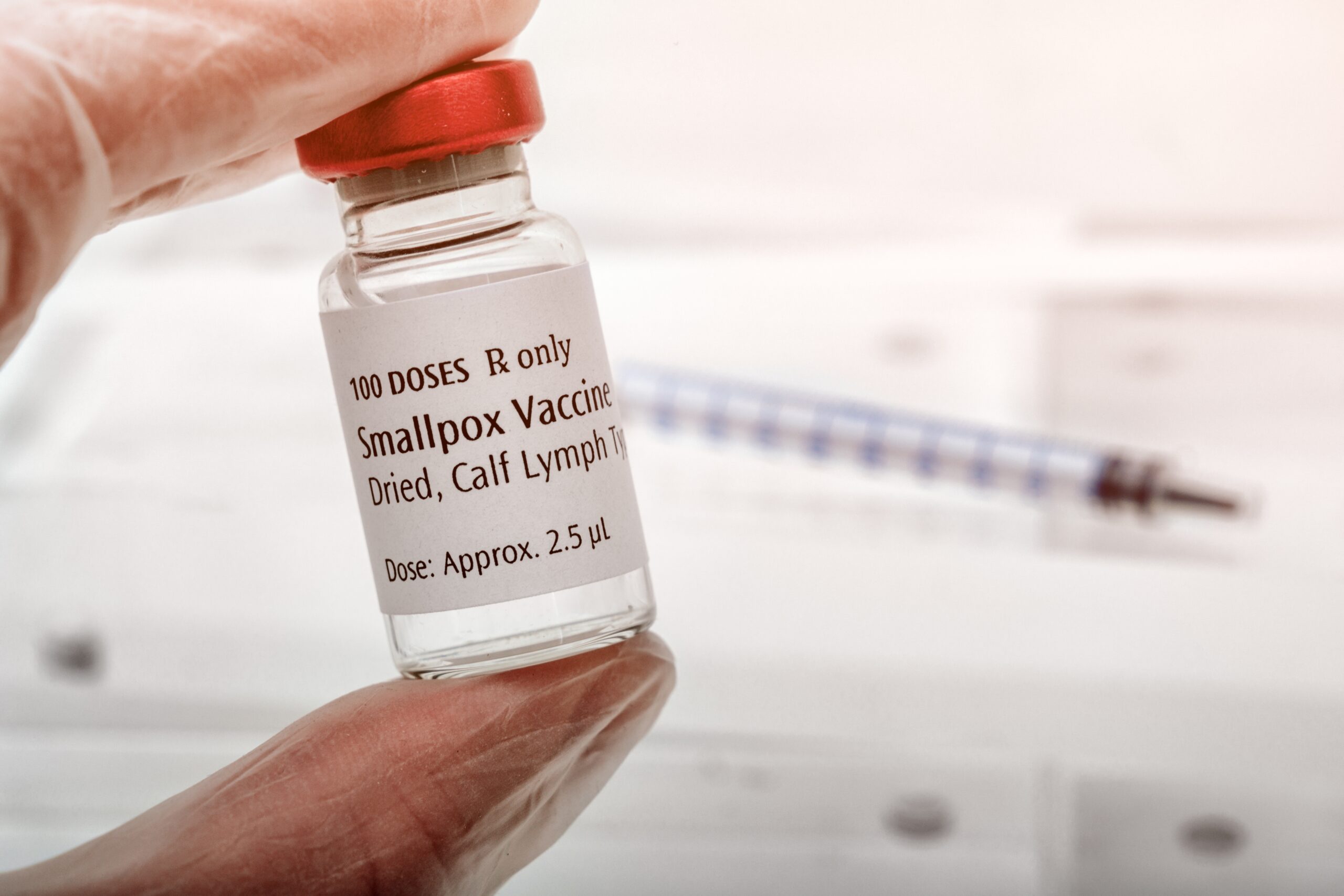
Another major wave of concern focused on thimerosal, a preservative containing ethylmercury that was used in some vaccines to prevent contamination in multi-dose vials. Mercury, as a concept, immediately alarms people. Methylmercury, the type found in certain fish, can accumulate in the body and cause harm at high levels. But ethylmercury is chemically different and clears the body much more quickly.
To ensure public confidence, thimerosal was removed from most childhood vaccines in the early 2000s, even though no evidence showed it caused harm. This created a natural test. If thimerosal were responsible for increasing autism diagnoses, then autism rates should have declined after its removal. They did not.
Autism diagnoses continued to rise in the years that followed. Meanwhile, studies measured ethylmercury levels in infants and found that it was excreted rapidly, leaving no opportunity for accumulation. Research teams in multiple countries examined autism rates before and after the removal of thimerosal and continued to find no link.
The thimerosal hypothesis, like the original MMR claim, fell apart when tested against real-world evidence.
Why Autism Diagnoses Increased Even as Vaccines Changed
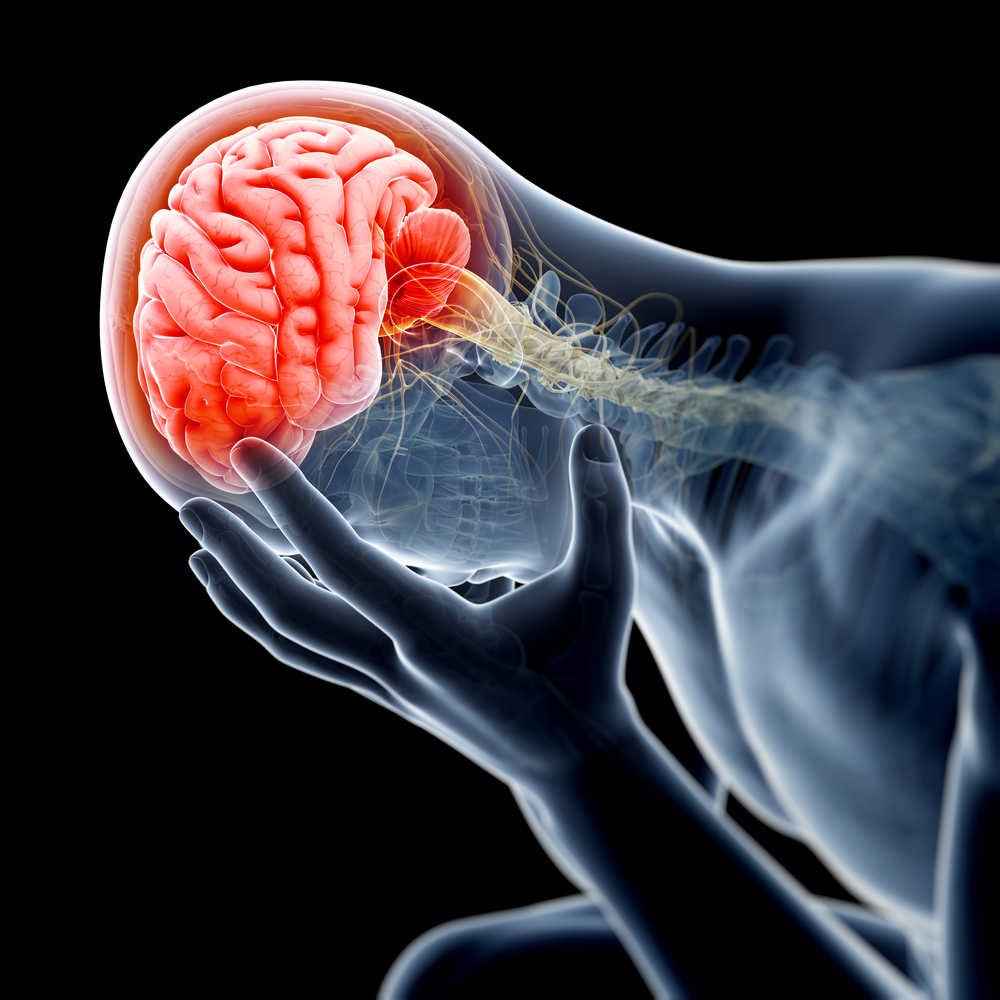
Part of the confusion arises from the rising number of autism diagnoses over the past several decades. When two trends appear to rise together, it is tempting to assume one causes the other. In reality, the increased autism prevalence has been linked to multiple factors.
- Diagnostic criteria broadened, allowing more children to be recognized.
- Greater awareness among educators, pediatricians, and parents led to more evaluations.
- Improved access to services brought families earlier to the diagnostic process.
- Shifts in reporting practices and health system monitoring increased the official counts.
Autism existed long before modern vaccines. It was simply misunderstood, misclassified, or unrecognized. As diagnostic tools improved, the numbers naturally rose. This rise reflects progress in understanding and identifying neurodevelopmental differences rather than an increase caused by an external factor like vaccination.
Aluminum Adjuvants and Questions About the Vaccine Schedule
Another question that appears regularly involves aluminum, which is used in some vaccines as an adjuvant to enhance the immune response. Aluminum is one of the most abundant metals in the environment and is present in food, water, breast milk, and formula. The amounts in vaccines are small compared to daily dietary exposure. Nevertheless, some groups have asked whether cumulative aluminum exposure from the early vaccine schedule could pose a risk.
Reviews of the available evidence have found no causal relationship between aluminum adjuvants and autism. Some agencies have recommended further research to examine extreme cases or specific biological susceptibilities, which is a normal scientific process. It is common across many health fields to call for additional study of certain pathways even when the existing evidence points strongly away from harm.
In evaluating these concerns, it is important to differentiate between the presence of uncertainty in small, highly specific areas and the broad, repeated findings that there is no general association between routine vaccines and autism.
The 2025 CDC Wording Shift and the Confusion That Followed
In 2025, the CDC revised the language on its vaccine and autism webpage. Rather than stating that vaccines do not cause autism, the page noted that the claim is not considered fully evidence-based because some infant vaccine components have not been studied with absolute finality. This shift was not based on new research. It was tied to broader policy, legal interpretations, and a push for additional assessment of autism causes.
Scientific and medical organizations rapidly expressed concern that the new wording could be misunderstood as an admission that a link exists. Because the wording emphasized uncertainty rather than the overwhelming weight of existing evidence, many parents interpreted it as a sign that science had reversed its position. In reality, the evidence did not change. What changed was an official communication strategy, one that leaned heavily on caution but lacked clarity.
The result was renewed public confusion, which spread quickly through social media. It is a reminder of how language, especially when coming from trusted institutions, influences public perception. Even a shift meant to encourage scientific precision can accidentally undermine confidence if not accompanied by clear explanation.
Vaccine Hesitancy and the Resurgence of Preventable Disease

The consequences of confusion extend beyond theoretical debates. When parents delay or avoid vaccination, communities become more vulnerable to highly contagious diseases such as measles and pertussis. Measles, once declared eliminated in the United States, has reappeared in outbreaks in recent years. In 2025, more than 2,000 confirmed measles cases were recorded.
Measles is not a mild illness. It can cause pneumonia, encephalitis, and death. Infants who are too young to be vaccinated rely on herd protection to avoid exposure. When vaccination rates fall in a community, measles can spread rapidly. This puts vulnerable children at risk, not because vaccines failed, but because vaccination coverage dropped.
The gap between scientific findings and public perception therefore, has real-world consequences. Protecting children requires understanding the evidence and maintaining public trust in the tools that keep communities safe.
How to Evaluate Claims in a World of Information Overload
The modern information landscape makes health decisions more challenging. Parents encounter countless claims from social media, blogs, influencers, and advocacy groups. Some are sincere but misinformed. Others are intentionally misleading. To navigate this landscape, here are simple questions to guide your thinking.
- Is the study large and well-controlled, or is it based on anecdotes or very small groups?
- Has the result been replicated by independent researchers?
- Does the study address confounding variables that might distort the results?
- Does a biologically plausible mechanism exist that has been demonstrated in research?
- Do established professional organizations agree with the interpretation?
When these filters are applied, the vaccine autism link does not hold up. The strongest studies, the ones with the reach and rigor to truly measure population-level risk, consistently show no causal association.

Compassion, Uncertainty, and the Search for Answers
It is important to acknowledge the emotional core of this issue. Parents searching for answers about their child’s autism are not acting out of malice or ignorance. They are trying to understand something deeply personal and often life-altering. Autism presents differently in every child. The early signs can be subtle or sudden. Parents sometimes describe a moment when they felt something shifted, and vaccination visits often coincide with those developmental windows.
Science does not diminish that experience. Instead, it seeks explanations that match what the evidence reveals. The continued research into autism causes has identified strong genetic components, prenatal factors, and complex interactions within early neural development. Autism is not caused by a single event but by a constellation of influences that begin long before a child receives their first vaccine.
Future research will continue to deepen our understanding of developmental pathways, environmental exposures, and genetic interactions. But based on decades of rigorous evidence, vaccines are not part of that causal story.
The Evidence Behind Vaccine Safety
Vaccines do not cause autism, according to the best available science. That conclusion has been tested repeatedly through large population studies, pharmacokinetic research, and mechanistic investigations. The 2025 wording changes on government websites created confusion, but they did not overturn this long-standing body of evidence. Autism is a complex neurodevelopmental condition shaped by genetics and early developmental factors rather than childhood immunization.
Vaccines remain one of the most effective tools we have to prevent serious infectious diseases. By choosing to vaccinate, parents protect not only their own children but the community as well. In a world full of conflicting narratives, clear evidence and open-hearted understanding are essential. The science is strong, and so is our capacity to approach the topic with calm, compassion, and clarity.