
Hydration has always seemed like one of those simple truths in health. You feel thirsty, you drink water. You feel dehydrated after a long day in the sun or an intense workout, you drink even more water. For decades, water has been held up as the unquestioned champion of hydration. It is clean, it is accessible, it is zero calorie, and it is essential for life. It is no wonder that most of us instinctively reach for it whenever our bodies signal thirst.
Yet science has a way of gently challenging our assumptions, inviting us to look deeper, question what we take for granted, and uncover layers of understanding beneath the surface. A surprising study from Scotland’s University of St. Andrews did exactly that. Researchers discovered that while water is good at quenching immediate thirst, it is not actually the most hydrating drink. Milk, oral rehydration solutions, and even orange juice rank higher in long term hydration efficiency. The reason has much less to do with the water content of the drink and more to do with how the body processes it.
This finding has rippled through the scientific community and captured public attention, not because it invalidates water, but because it challenges a belief so deeply woven into our physiology and our culture. And as with all scientific revelations, it opens a door to deeper exploration. Why would milk, of all things, keep us hydrated longer? How does the body decide what to keep and what to flush out? And what does this mean for our understanding of the connection between hydration, energy, and overall health?
These questions do not only sit in the realm of biology. They stretch into the deeper wisdom traditions that have long spoken of the body as an energy system that responds to subtle nuances in nutrition, minerals, and environmental conditions. When science reveals something unexpected, spirituality often quietly nods, recognizing patterns the ancients sensed long ago. Hydration, after all, is not just a physical act. It is a relationship we hold with our body and with the element of water itself.
The new study gives us a perfect bridge to explore hydration not only as a scientific concept but as a holistic process affecting our physical vitality, emotional stability, and energetic clarity. And as the climate warms, heat waves intensify, and more people experience dehydration-related stress, rethinking how we hydrate becomes more important than ever.
The Science Behind the Study
The University of St. Andrews research team set out to compare hydration responses to thirteen common beverages. Water, still and sparkling, served as the baseline. The researchers were not only measuring how quickly a drink could enter the bloodstream, but how long the body retained that fluid afterward. The results revealed that hydration efficiency is influenced by two main factors: the volume of the beverage consumed and the nutrient composition of the beverage.
Volume might seem trivial, yet it determines how quickly something leaves the stomach. Drinks that move rapidly into the bloodstream can quench thirst but are also excreted more quickly through urine. Water, especially plain water without added electrolytes, moves fast. It hydrates, then exits.
Nutrient composition is where things get more interesting. Drinks containing protein, sugars, or fats tend to empty from the stomach more slowly. This means the body absorbs the fluid in steadier waves instead of in a rapid flush. Sodium and potassium, well-known electrolytes, enhance the body’s ability to retain water. Sodium in particular acts like a kind of molecular sponge, signaling the body to hold onto fluid instead of releasing it quickly.
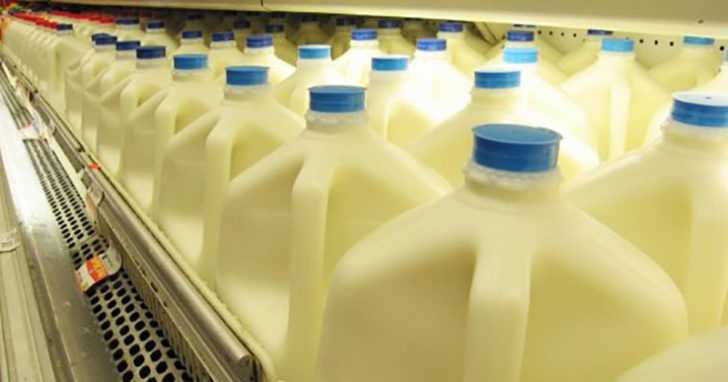
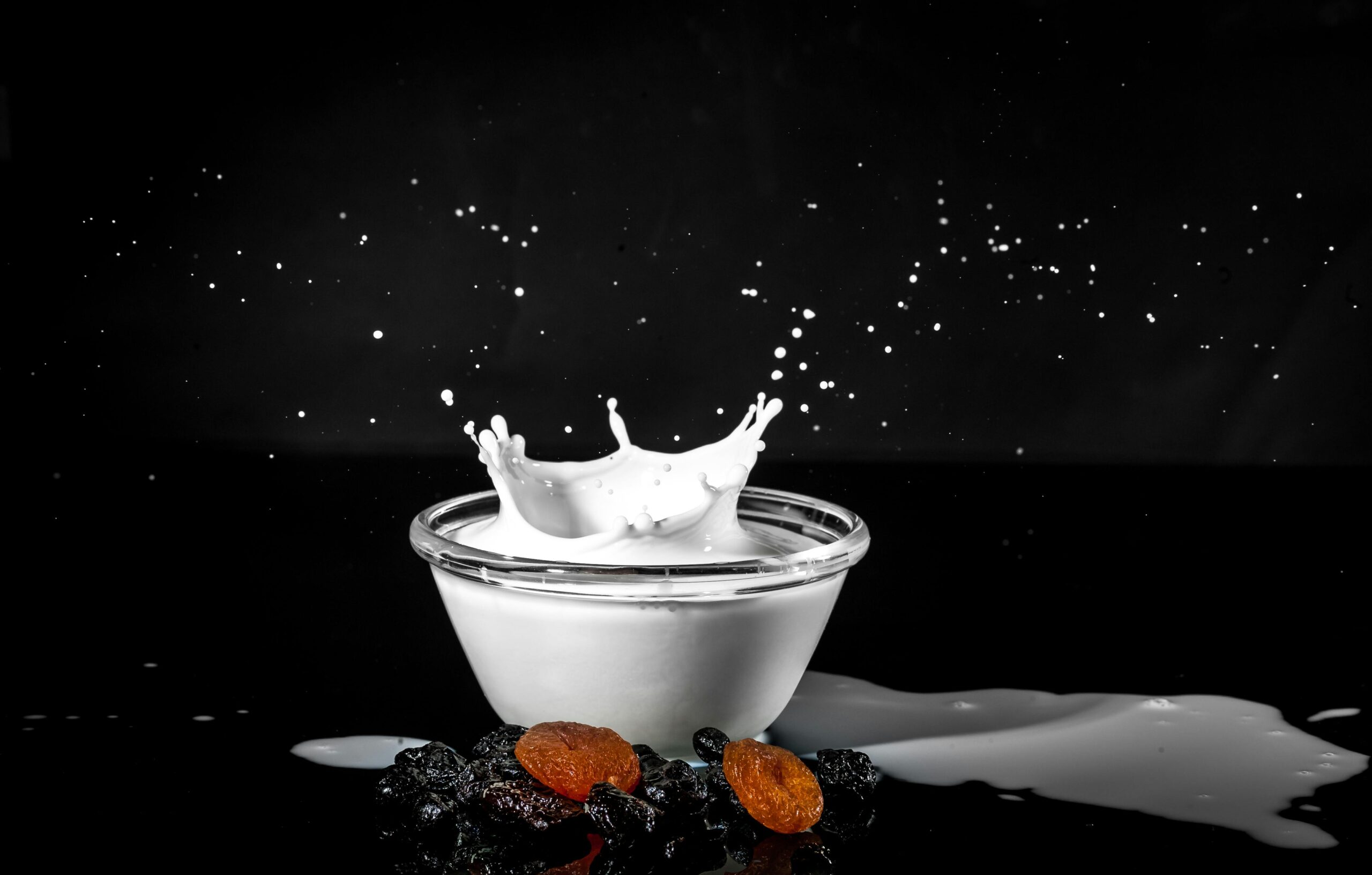
This is the physiological foundation behind milk outperforming water. Milk contains lactose, the natural sugar found in dairy, along with fat, protein, and sodium. These components work together to slow digestion, enhance absorption, and encourage fluid retention. Oral rehydration solutions mimic this effect, offering a scientific blend of salt, sugar, and potassium tailored for optimum absorption.
Interestingly, drinks we often assume are hydrating, such as fruit juice or soda, do not perform as well because of their high sugar concentration. Once these sugary beverages reach the small intestine, osmosis pulls water from the body into the intestine to dilute the sugar content. This process can temporarily reduce net hydration. So while water is excellent for immediate replenishment and detoxification, it is not the most efficient choice when long lasting hydration is needed.
Ranking the Most Hydrating Drinks
The study created a four hour hydration index comparing drinks from most to least hydrating. At the top were skim milk and oral rehydration solutions. Full fat milk ranked close behind, followed by orange juice, diet cola, and tea. Still and sparkling water ranked in the middle of the list. At the bottom were lager and coffee, although lightly caffeinated coffee still performed surprisingly close to water.
This ranking invites us to rethink our hydration habits, especially during heat waves, exercise, illness, or sustained physical exertion. It also reveals that hydration is not a one size fits all experience. The ideal drink depends on context. For everyday maintenance, water is perfect. For endurance or heat exposure, something with electrolytes or nutrient density may be more beneficial.
The body is dynamic, and so are its needs. This study simply reveals that the relationship between hydration and nourishment is more nuanced than we previously thought.
The Role of Sugar, Salt, Protein, and Fat in Hydration

To understand why water is not always the most hydrating choice, we need to explore how different nutrients influence the internal hydration process.
Sugar, when present in moderate amounts, helps the body absorb water more effectively. This is why hydration drinks often contain small amounts of glucose. However, high concentrations of sugar reverse this effect. They pull water into the intestines instead of encouraging absorption. This is why soda and fruit juice, despite containing plenty of water, are poor choices for hydration.
Salt, or sodium, is essential for fluid balance. It regulates osmosis across cell membranes and helps the body keep water where it is needed. Too much salt can cause bloating or water retention, but in measured quantities it supports healthy hydration.
Protein and fat both slow gastrointestinal emptying. They encourage the stomach to release fluids gradually, giving the body more time to integrate them. Milk is naturally balanced in this way, which explains its impressive hydration score.
Some people cannot tolerate milk due to lactose intolerance or dairy allergies. They are not excluded from these benefits. Coconut water, plant-based milks with added protein, broths, and oral rehydration solutions can offer similar steady hydration without dairy.
These nutrient interactions show how hydration is not just about the liquid itself, but also about the matrix in which that liquid is delivered.
Hydration, Heat, and Climate

The conversation around hydration becomes especially important in the context of intensifying global heat. Heat waves across the United States and many other regions are becoming more frequent and more severe. In these conditions, dehydration can set in quickly. It can affect cognitive function, cardiovascular stability, and electrolyte balance.
Health officials emphasize the importance of staying hydrated, yet many people assume that chugging water is enough. The St. Andrews study suggests that during extreme heat, water alone may not provide the sustained hydration the body needs. Drinks that help the body retain fluid can offer better protection during prolonged sweating or outdoor exposure.
This does not mean replacing water entirely. Instead, it suggests a more holistic approach to hydration when environmental conditions intensify. Adding electrolytes, consuming hydrating foods such as fruits and vegetables, or occasionally choosing milk or an electrolyte beverage can help keep the body in balance during punishing heat.
From a spiritual lens, this shift also reminds us that our relationship with nature is evolving. As climate patterns change, so must our daily habits and rituals. Hydration becomes not just a bodily need but a mindful practice connected to survival and adaptability.
Ancient Wisdom and Elemental Hydration
Interestingly, the new research echoes ideas found in ancient Ayurvedic and Traditional Chinese Medicine systems. These traditions acknowledge that water alone is not always the most balancing choice for the body. Warm broths, herbal teas, lightly sweetened drinks, and milk-based beverages are often recommended for deep hydration and energy restoration.
Ayurveda teaches that water without electrolytes or nutrients can move through the body too quickly. To support the digestive fire and nourish tissues, beverages should contain elements that ground the water and help it integrate. Milk is considered one of the most sattvic liquids in Ayurveda. It builds ojas, the subtle essence of vitality.
Traditional Chinese Medicine similarly differentiates between surface hydration and deep hydration. Warm liquids that include minerals or herbs are believed to reach deeper layers of the organ system. Cold water, although refreshing, is said to constrain energy and move quickly without nourishing the internal pathways.
Both traditions highlight a principle that modern science is now confirming. Hydration is not simply about drinking water. It is about creating a balanced internal environment that supports fluid absorption and energy regulation.
The St. Andrews study bridges ancient wisdom and contemporary science, showing that hydration is a multifaceted process influenced by biochemistry, diet, environment, and individual physiology.
Spiritual Symbolism of Water and Hydration

Water is one of the oldest spiritual symbols across cultures. In mythology, water represents life, intuition, emotional flow, rebirth, purification, and adaptability. The body, composed mostly of water, mirrors the natural world’s rivers, tides, and storms. When we hydrate, we are not only fueling biological processes. We are participating in a symbolic act of replenishment and renewal.
The idea that milk and nutrient rich beverages can deepen hydration also holds symbolic resonance. Milk historically represents nourishment, fertility, and mothering energy. Electrolyte-rich drinks echo the mineral rich waters of natural springs. Hydrating with these liquids can be seen not only as biological nourishment but as an energetic gesture of grounding and strengthening.
Just as the ancients understood, the quality of what we drink shapes the quality of our internal landscape. Hydration influences mood, clarity, intuition, and even spiritual attunement. When we are dehydrated, we can feel scattered, irritable, or disconnected. When hydrated deeply and properly, we feel stable, energized, and aligned.
The Myth of Water as the Only Hydrating Choice
The recent study does not aim to dethrone water but to nuance the conversation. Water is still essential. It supports detoxification, cell function, circulation, and temperature regulation. It is accessible and affordable. But it is not the only hydrating substance, nor is it always the most effective in every situation.
This revelation helps dismantle the myth that hydration equals water alone. The body is more complex than that. It responds to nourishment in layers. Different situations call for different types of hydration. There is value in understanding these subtleties instead of relying on a single approach for every circumstance.
In this way, the study opens up a more holistic and intuitive way of thinking about hydration. Instead of defaulting to water without thought, we can assess the moment, the environment, and our body’s cues. This mindful approach aligns beautifully with spiritual traditions that emphasize attunement to one’s inner wisdom.
Hydration Tips Based on the Study
The St. Andrews research offers several practical insights we can integrate into daily life.
- For everyday hydration, drinking water throughout the day is still ideal.
- For long lasting hydration, especially before physical activity, a glass of milk, coconut water, or an electrolyte drink may serve better.
- During intense heat or illness, oral rehydration solutions offer superior fluid retention.
- For those who avoid dairy, plant based milks with added electrolytes or protein can offer similar benefits.
- Limit high sugar drinks when hydration is the goal because they can be counterproductive.
- Recognize that hydration also comes from food. Many fruits and vegetables contain high water content along with beneficial electrolytes.
- Pay attention to the body’s signals. Thirst, fatigue, and brain fog can be subtle signs of dehydration.
The key is not to replace water, but to hydrate intelligently, using the right tools for the right circumstances.

A New Understanding of Hydration
The idea that water is not the most hydrating drink may feel surprising at first. It challenges a deeply ingrained belief. But in truth, it invites us into a richer understanding of how the body works. Hydration is not a simple yes or no equation. It is an interplay of absorption, retention, nutrients, minerals, and internal balance.
This study shows that the body thrives not only on pure water but on balanced nourishment that supports fluid integration. It speaks to the complexity of the human system, revealing that hydration is both scientific and holistic.
On a deeper level, this discovery reflects a broader principle. Life is rarely as simple as we assume it to be. What seems obvious often has layers. What we take for granted sometimes hides deeper truths. When we approach even the simplest aspects of existence with curiosity, we open ourselves to wonder and insight.
Hydration becomes not just a bodily function, but a metaphor for how we absorb life. What helps us stay grounded? What helps us retain energy instead of burning out? What nourishes us in a way that lasts rather than passing quickly through our experience?
The answers are rarely found in the simplest or most obvious choices. They are found in the subtle interplay of elements that support each other. Just as milk contains protein, sugar, fat, and minerals that work together to hydrate more deeply, our lives thrive on multidimensional nourishment.
The Hidden Science of How the Body Absorbs Fluids
The new study suggesting that water is not the most hydrating drink does not diminish water’s importance. Instead, it enriches our understanding of hydration and challenges us to think more holistically. Milk, electrolyte rich beverages, and nutrient balanced liquids can offer deeper hydration because they work with the body’s biological rhythms.
This discovery echoes ancient wisdom, aligns with modern nutritional science, and invites a spiritual appreciation for the complexities of the human body. Hydration is both biochemical and energetic. It supports physical vitality, emotional balance, and even spiritual clarity.
As we navigate a world of changing climates, intense heat waves, and growing stress demands, understanding how to hydrate deeply becomes increasingly important. Water remains a foundational source of life. Yet in certain contexts, other drinks surpass it in effectiveness.
In the end, the lesson is simple. Listen to your body. Understand your environment. Hydrate with intention. And remember that the deepest nourishment often comes from a blend of factors working together in harmony. Just like the element of water itself, hydration invites us to flow, adapt, and receive life in its fullest form.