It is often said that life can shift in an instant. For 26 year old Micheal J., that shift began quietly and almost unnoticeably. A wave of nausea here, a dizzy spell there, sensations that many of us might brush off as exhaustion or something we ate. Yet these subtle signs were the earliest warnings of a rare and aggressive brain cancer beginning to take hold deep within his brain stem.
His story, first shared through The Patient Story and echoed across other survivor accounts, has since resonated widely online. Not because it is sensational, but because it speaks to the fragility of our routines, the ease with which we overlook symptoms, and the remarkable resilience one man has chosen to show in the face of an inoperable diagnosis.
In this viral deep dive, we explore Micheal’s journey from the first signs that something was wrong to the emotional, medical and spiritual path he has taken since. His story sits at the intersection of personal courage, medical complexity, and the collective need for better understanding of brain tumor symptoms. Drawing from his interview, clinical explanations, and insights from other survivors, this article aims to paint a full picture of what early symptoms can look like, why they matter, and how one young man found hope in the middle of uncertainty.
The First Subtle Symptoms Micheal Noticed
Micheal’s earliest symptoms began during what should have been an ordinary family trip to Minneapolis. They spent time exploring the Mall of America and cheering at a hockey game. Nothing about the trip seemed unusual until he woke up one morning feeling suddenly and intensely nauseous.
He described the feeling as random waves of sickness that did not match anything he had eaten. For many people, nausea is associated with stomach issues or motion sickness, but in Micheal’s case, this symptom was tied to something far more complex occurring inside his brain. After returning home, the symptoms escalated. He discovered that lying flat triggered severe dizzy spells. The sensation was so intense it felt as if the entire world began spinning uncontrollably.
As a diesel mechanic, Micheal’s job required him to lie flat underneath trucks on a daily basis. Routine tasks transformed into moments of distress. Every time he rolled out from under a vehicle, he found himself heading straight for a trash can, overwhelmed and unable to steady himself. His local doctor initially suspected balance issues related to dislodged ear crystals, a common explanation for dizziness.
But by late February, new symptoms emerged that could not be easily explained. The right side of Micheal’s face began to weaken. He could no longer smile properly and found it difficult to blink on that side. These changes concerned his doctor, who referred him to an ENT specialist in South Dakota.
There, the ENT discovered eye nystagmus, a condition where the eyes make rapid, uncontrolled movements. When Micheal looked to either side, his eyes bounced involuntarily. The specialist suggested an MRI, but the scan did not happen until April. Those weeks of waiting meant the tumor had more time to progress silently.
The Diagnosis That Changed Everything

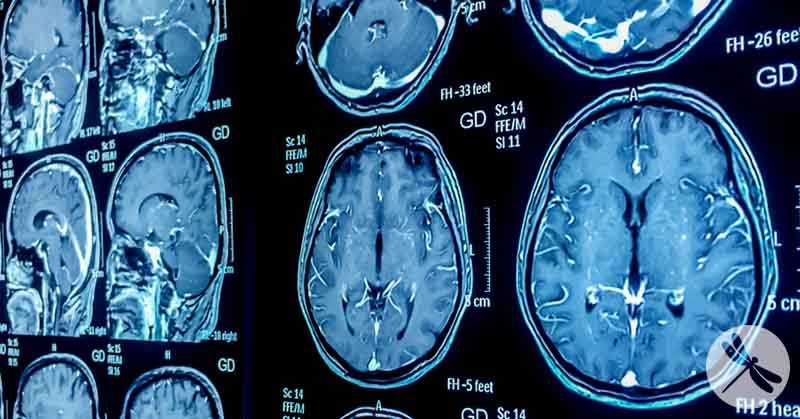
When Micheal finally had the imaging done, doctors discovered a mass, though they could not clearly identify its nature at first. Sioux City lacked a large neurosurgery department, so he was transferred to Mercy Hospital for further evaluation. A second MRI indicated a mass, prompting doctors to consider immediate surgery. However, uncertainty about the tumor’s exact location caused them to pause.
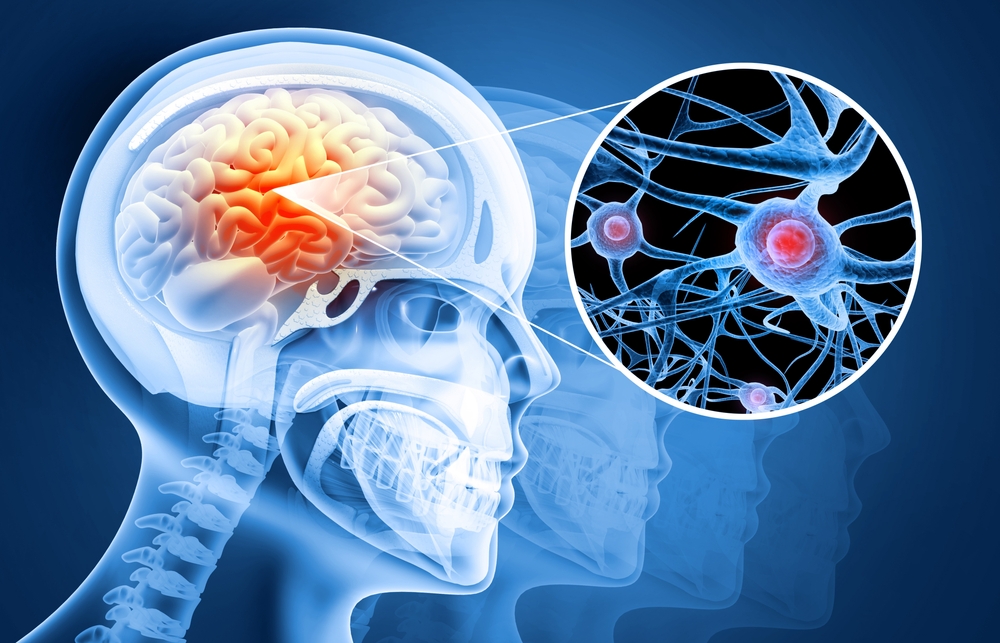
Micheal was sent to Omaha for a more advanced MRI. It was there that specialists discovered the true and devastating reality. The tumor was inside his brain stem. It was a diffuse midline glioma, or DMG, a rare and aggressive cancer that cannot be surgically removed because it blends seamlessly into healthy brain tissue.
Diffuse midline gliomas are known for being aggressive, grade 4 tumors with poor prognoses. They grow quickly and can affect essential bodily functions because of their location. The brain stem controls movement, breathing, balance, vision and many other vital functions. Removing the tumor is impossible because doing so would cause catastrophic damage.
When doctors shared the diagnosis with Micheal, he felt numb. Unable to process the information, he quietly removed the medical equipment attached to him. He told his mother he needed a walk and left the room with his wife and best friend. They went to a nearby church, and it was there, surrounded by family and faith, that the emotional weight finally crashed down on him.
Why Subtle Symptoms Matter More Than We Realize

Micheal’s story is not isolated. Many brain tumor symptoms begin mildly and progress unpredictably. According to clinical experts, the earliest signs can easily mimic everyday issues like migraines, vertigo, or stress.
Medical explanations show that brain tumors create symptoms based on both their size and their location. Tumors in less active areas of the brain can grow quietly for months, even years, before becoming noticeable. Symptoms like nausea, vertigo, double vision, or facial weakness may develop gradually and appear unrelated.
In Micheal’s case, his symptoms aligned closely with what specialists classify as focal symptoms. For brain stem tumors, signs may include dizziness, imbalance, facial paralysis, difficulty swallowing, or vision disturbances. These occur because the brain stem acts as a hub for many cranial nerves.
Interestingly, other survivors and experts have highlighted similar patterns. Some noticed headaches that felt distinctly different from normal migraines. Others experienced seizures, sudden weakness, odd tastes, or persistent changes in vision. What many had in common was this. The symptoms felt off compared to anything they had experienced before.
Doctors emphasize that new or unusual symptoms should not be ignored. A headache that feels different, persistent dizziness, or unexplained numbness can be signs of something more serious. While most of these symptoms do not lead to a brain tumor diagnosis, early screening can be life-saving.
A Mother’s Instinct and the Decision to Seek a Second Opinion

Following the devastating diagnosis in Omaha, Micheal and his family returned home to Sioux City. His mother refused to accept that there were no options. She contacted friends who had faced cancer themselves. All signs pointed toward the Mayo Clinic in Rochester, a major center for complex neurological cases.
The next day, she invited Micheal to breakfast at a local diner. Over eggs and conversation, she urged him to seek another opinion. Micheal agreed, and that same day, they drove more than four hours to Mayo’s emergency department.
Doctors at Mayo took his case seriously. The on duty neurosurgeon connected him directly with Dr. Parney, a leading expert in brain tumor care. Within days, Micheal was scheduled for a biopsy to determine the exact nature and aggressiveness of the tumor.
The biopsy came with risks. There was a small chance of severe complications, including facial paralysis or death. Micheal signed the consent forms, and two samples were taken. When he woke up, he immediately noticed changes. His jaw would barely move, part of his face was paralyzed, and his right eye would not fully close. His left arm had gone numb from the shoulder to the fingertips.
For many patients, biopsies are essential for accurate diagnosis and treatment planning. Yet they can come with their own life altering effects. Micheal was fortunate to retain mobility, speech, and swallowing abilities, but the lingering symptoms were a daily reminder of both the cancer and the procedure.
Choosing a Treatment Path Through a Clinical Trial

Traditional treatment for diffuse midline glioma often includes six weeks of continuous radiation. Yet this method can cause intense side effects, especially when targeting areas as delicate as the brain stem.
Micheal’s radiologist at Mayo laid out two options. He could pursue the standard six-week course or participate in a clinical trial that delivered radiation in shorter, two-week bursts. After each round, he would be monitored through MRIs. If the tumor grew or spread, another targeted round would follow.
For Micheal, this approach offered a chance for his body to recover between treatments. When his mother asked which option the radiologist would choose for his own child, he pointed to the clinical trial. It was a measured strategy meant to minimize neurological damage while still delivering essential treatment.
The first two week round came with intense side effects. Micheal felt pressure in his head, dizziness and persistent nausea. His hair thinned at the back of his head, where radiation beams were targeted. Yet over time, he began to regain some stability. His eye nystagmus improved. His dizzy spells decreased. And importantly, he remained mobile and independent.
The clinical trial also opened discussions about a potential pill based treatment, though eligibility would depend on further review and coordination between specialists.
The Emotional Weight of an Inoperable Diagnosis
One of the hardest parts of Micheal’s journey has been coming to terms with the fact that surgery is not an option. Many brain tumor survivors find comfort in knowing that a tumor can be removed. But diffuse midline gliomas lack clear borders, making surgical extraction impossible.
Micheal joined support groups online, where he met others with operable tumors. Hearing their stories brought mixed feelings. He felt happy for them, yet the contrast made his own situation feel heavier. The idea of having something inside his body that could not be cut out was deeply unsettling.
With time, prayer and support, he began moving toward acceptance. He reminded himself that his body had been his home for 26 years and that this tumor had only been there briefly. He took strength in imagining himself outliving the cancer. Yet acceptance does not mean resignation. It means finding a way to keep moving despite the unknowns.
How Cancer Reshaped His Outlook on Life
Micheal often reflects on how much his perspective has changed. Before his diagnosis, he was like many young adults. Caught in the rhythm of work, errands and routine. Life moved quickly and predictably.
Now he slows down intentionally. He takes walks around the truck lot at work each morning, noticing small details he used to overlook. He appreciates the simple act of being able to walk, see and feel the world around him.
Becoming a pilot had always been one of his dreams. The vision issues caused by the tumor put that goal on pause, but he refuses to let it vanish. He believes that when his vision stabilizes, he will pursue his license. In some ways, his aspirations have become even more important. The diagnosis forced him to prioritize what truly matters.
Cancer also transformed his understanding of hope. It used to be something he expressed casually. I hope this happens. I hope that works out. Now, hope is the driving force that gets him out of bed. It is the belief that there is still life to live, milestones to reach and memories to create.
He and his mother share dark humor as a way to cope. Joking about hoping to bury each other first is their way of confronting fear by turning toward it rather than away. Hope makes room for laughter even on difficult days.
Lessons From Micheal and Other Survivors
Micheal’s journey aligns with insights shared by other brain tumor survivors. Their stories reinforce several key lessons.
- Pay attention to symptoms that feel different from your usual patterns. A headache that lingers for days, sudden dizziness, persistent nausea or numbness should not be ignored.
- Seek a medical evaluation when something feels off. Early imaging can make a meaningful difference.
- Trust your instincts and advocate for yourself. Micheal’s mother pushed for a second opinion that led them to Mayo, where specialists confirmed the precise diagnosis.
- Support systems matter. Family, friends, faith and humor helped Micheal stay grounded.
- Hope is not naive. For many patients, hope is a form of strength that fuels perseverance.
Experts emphasize that symptoms alone cannot definitively diagnose a brain tumor. Many conditions can cause similar effects. But when symptoms are new, persistent or unusual, seeking medical attention is an essential step.

A Reflection on Resilience and What We Can Learn
Micheal’s story is a reminder that life can change quietly before it changes dramatically. Subtle symptoms can signal something serious, yet they are easy to brush aside. His willingness to share his experience brings awareness to countless readers who may not otherwise understand the early signs of brain tumors.
His journey is not defined by despair but by determination. He continues to work, walk, repair trucks, spend time with loved ones and dream about flying. The tumor in his brain stem is a part of his story, but it is not the end of it.
What stands out most is Micheal’s belief in looking forward. He chooses hope, even when the future is uncertain. His advice to others is simple. Do not take life for granted. Help people when you can. Be the best version of yourself.
These lessons are not just for those facing illness. They are for all of us, a call to slow down, pay attention, and truly value the ordinary moments that make up our days.
A Reminder We All Need
Micheal’s journey from subtle symptoms to a life-altering diagnosis reveals just how important it is to listen to our bodies. His story is both heartbreaking and inspiring, reminding us that resilience often grows in the spaces where fear and hope meet.
Through clinical trials, family support and a renewed outlook on life, Micheal has found strength in vulnerability and purpose in uncertainty. His willingness to share his experience helps others recognize early warning signs and encourages conversations about brain health.
In the end, Micheal’s message echoes loudly. Life is precious. Pay attention to the little things. Appreciate moments while you have them. And never underestimate the power of hope, even when the odds feel impossibly heavy.