Hair color has long been more than a cosmetic choice. For some, it’s an extension of identity, a creative flourish, or even a quiet act of reinvention before stepping into a new chapter of life. The ritual of visiting the salon or mixing a box of dye at home has become deeply ingrained in beauty culture. Yet, as style trends evolve and products flood the shelves, an important question lingers in the background: what are we really putting on our heads?
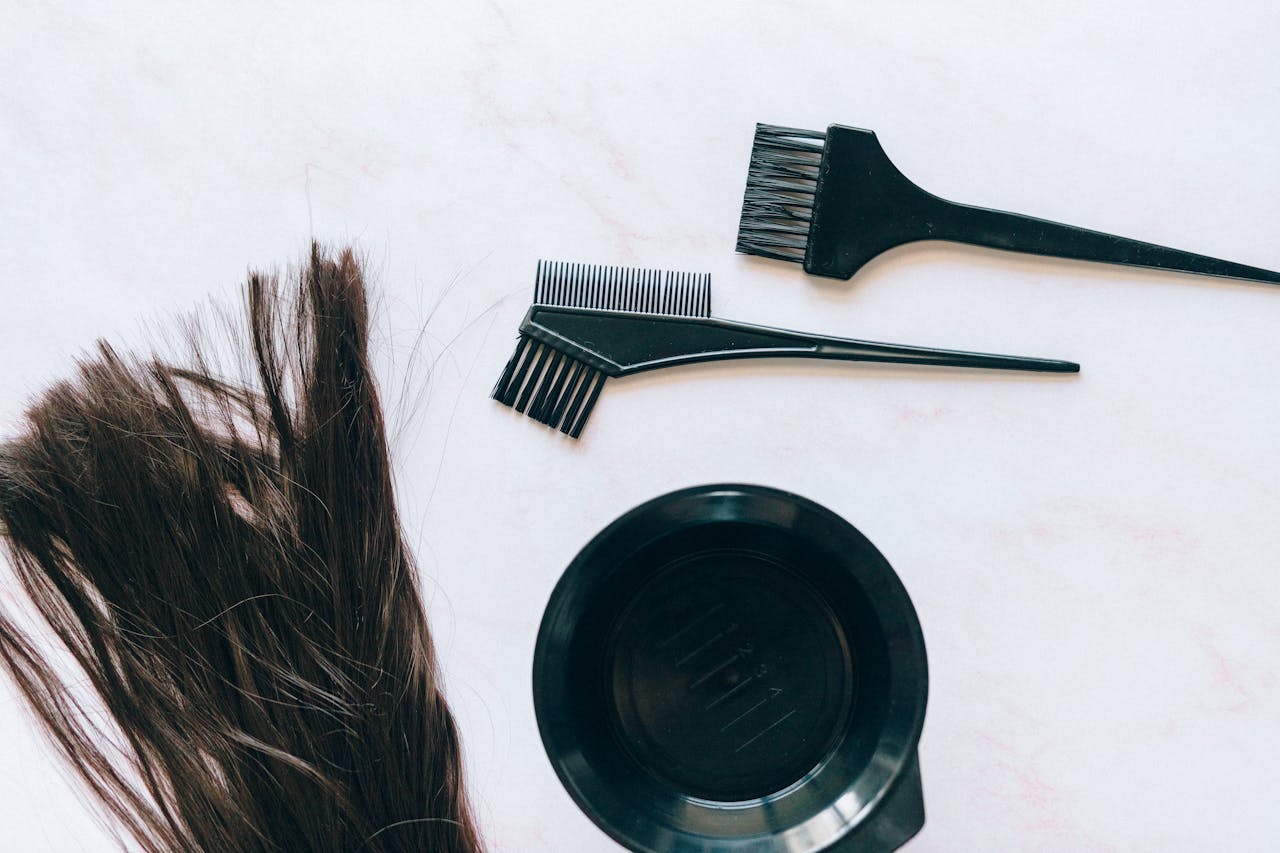
Researchers have been examining the health effects of hair dye and chemical straighteners for decades. While early studies produced mixed results, recent findings are drawing sharper lines of concern, particularly in relation to breast cancer risk. This shift has placed beauty rituals under a scientific lens, raising questions not only about personal health but also about the broader cultural reliance on chemical treatments to define appearance.
Why Scientists Began Questioning Hair Dye Safety
Concerns around hair dye are not entirely new. Decades ago, researchers noticed higher rates of bladder cancer among professional hairstylists who spent years applying permanent dyes in salons. As dermatologist David J. Goldberg noted, “Much of the research on hair dye has focused on its possible connection to bladder cancer, particularly among hairdressers exposed at work to permanent dyes made before the 1980s.
Those early observations reflected a workplace issue, but the scope of research has since widened. With hair coloring becoming a mainstream ritual across age groups and backgrounds, scientists have turned their attention to everyday users. Modern studies now focus less on occupational exposure and more on whether routine at-home applications could pose risks, especially for breast tissue, which is known to be sensitive to certain chemicals found in dyes and straighteners. This shift has pushed researchers to design larger, more diverse studies that look at real-world habits across different communities.
What New Research Is Revealing
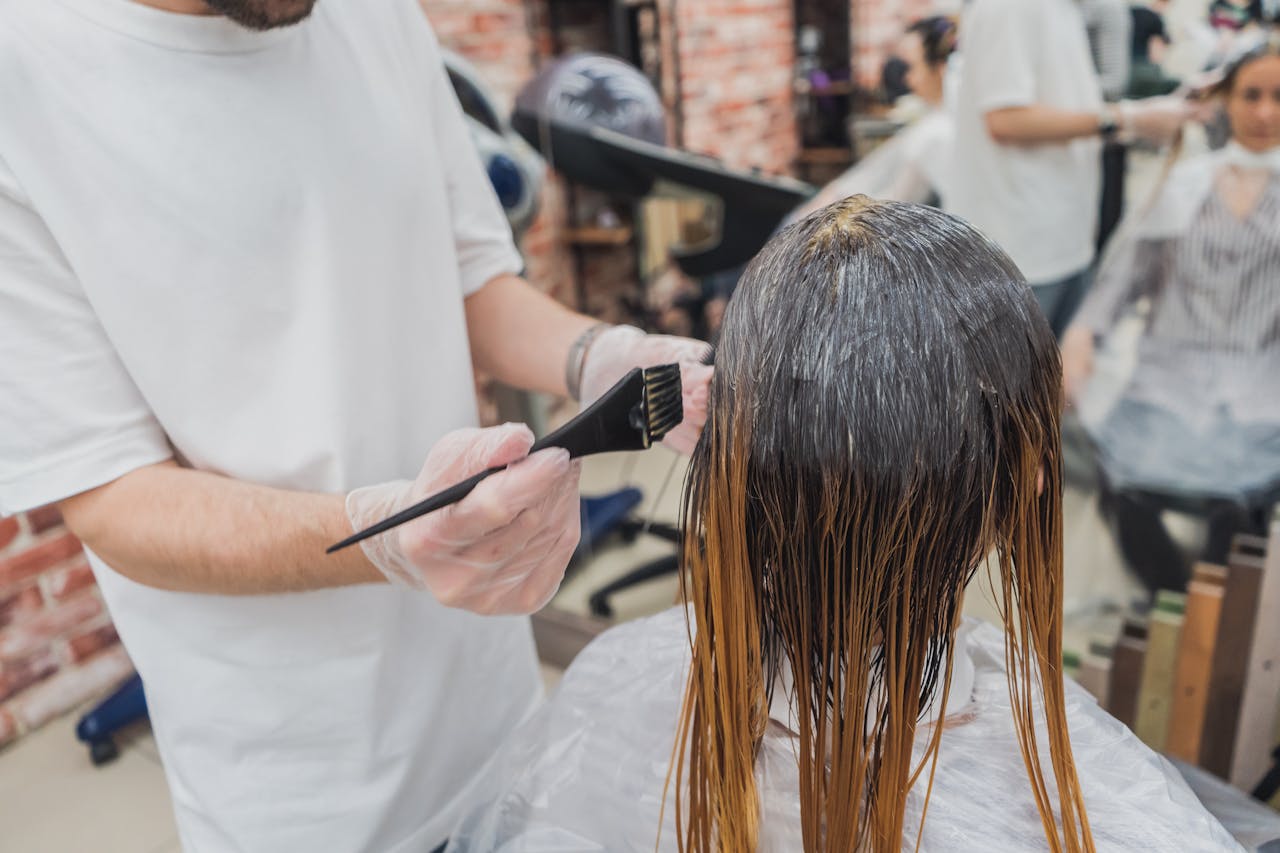
The turning point in this conversation came with the NIH Sister Study, a long-term project that tracked more than 46,000 women across the U.S. and Puerto Rico. The study revealed a concerning pattern: women who regularly used permanent hair dye were more likely to develop breast cancer than those who did not. For white women, coloring every five to eight weeks was linked to a modest increase in risk, around 8–9%. But for Black women, the risk was significantly higher, reaching about 60% under the same conditions.
The study also drew attention to chemical hair straighteners, which were tied to about a 30% increase in breast cancer risk for women who used them every five to eight weeks. In contrast, temporary dyes did not show the same associations, suggesting that the type and frequency of product use matter.
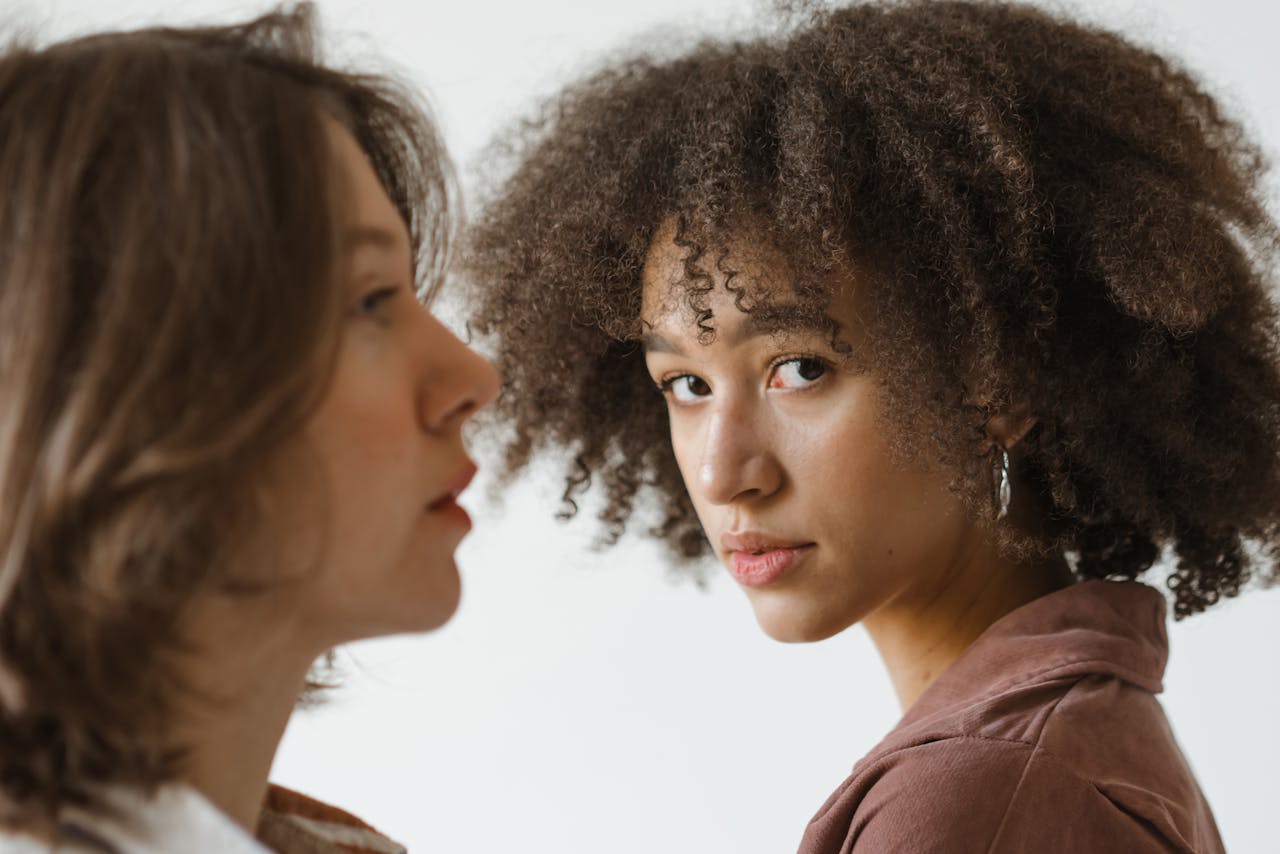
As study author Alexandra J. White, PhD of the National Institute of Environmental Health Sciences explained, “We found black women have a higher risk associated with the use of permanent hair dye compared to the risk for white women.” She also reminded readers that the absolute increase in risk is still relatively small in the broader picture: a woman’s average lifetime risk of breast cancer is about 13%. Regular permanent dye use might raise that to 14% for white women, while for Black women the same habit could push the risk closer to 21%.
Why the Risk Isn’t the Same for Everyone
The statistics from the Sister Study don’t tell a uniform story. While overall numbers point to an elevated risk, patterns vary sharply depending on race and product use. For example, hair straighteners were used by nearly 74% of Black women in the study, compared with about 10% of women overall, suggesting a much higher level of exposure in this group.
Interestingly, the type of dye also showed different associations. Among Black women, the risk increase was similar whether the dye was dark or light. For white women, however, the analysis found a stronger association with light-colored permanent dyes compared with darker shades.

Epidemiologist Mia M. Gaudet, PhD, emphasized why this study carries weight: “This study includes more than 4000 African American women who have been understudied in previous studies.” Dermatologist Nada Elbuluk, MD, added context, noting: “This link between permanent hair dye and breast cancer risk in Black women has been shown in other studies, too. Though it’s unclear what may be driving these racial and ethnic differences.”
The reasons behind these disparities are not yet clear. Researchers point to the types of products more frequently marketed to and used by Black women, such as chemical relaxers, straighteners, and certain leave-in treatments. Still, the evidence stops short of identifying which specific ingredients or practices are most responsible. What’s certain is that further research must continue to account for cultural hair practices if it’s going to give a complete picture of risk.
The Beauty Industry and Transparency
Discussions about hair dye safety go beyond scientific evidence. They depend on trust between consumers, researchers, and manufacturers. For decades, the cosmetics industry has operated under regulations that are far looser than those applied to pharmaceuticals. In the United States, companies are not required to prove a hair dye’s safety before putting it on the shelf, and formulations are often considered proprietary. That leaves consumers with limited visibility into what they are applying directly to their skin and scalp.
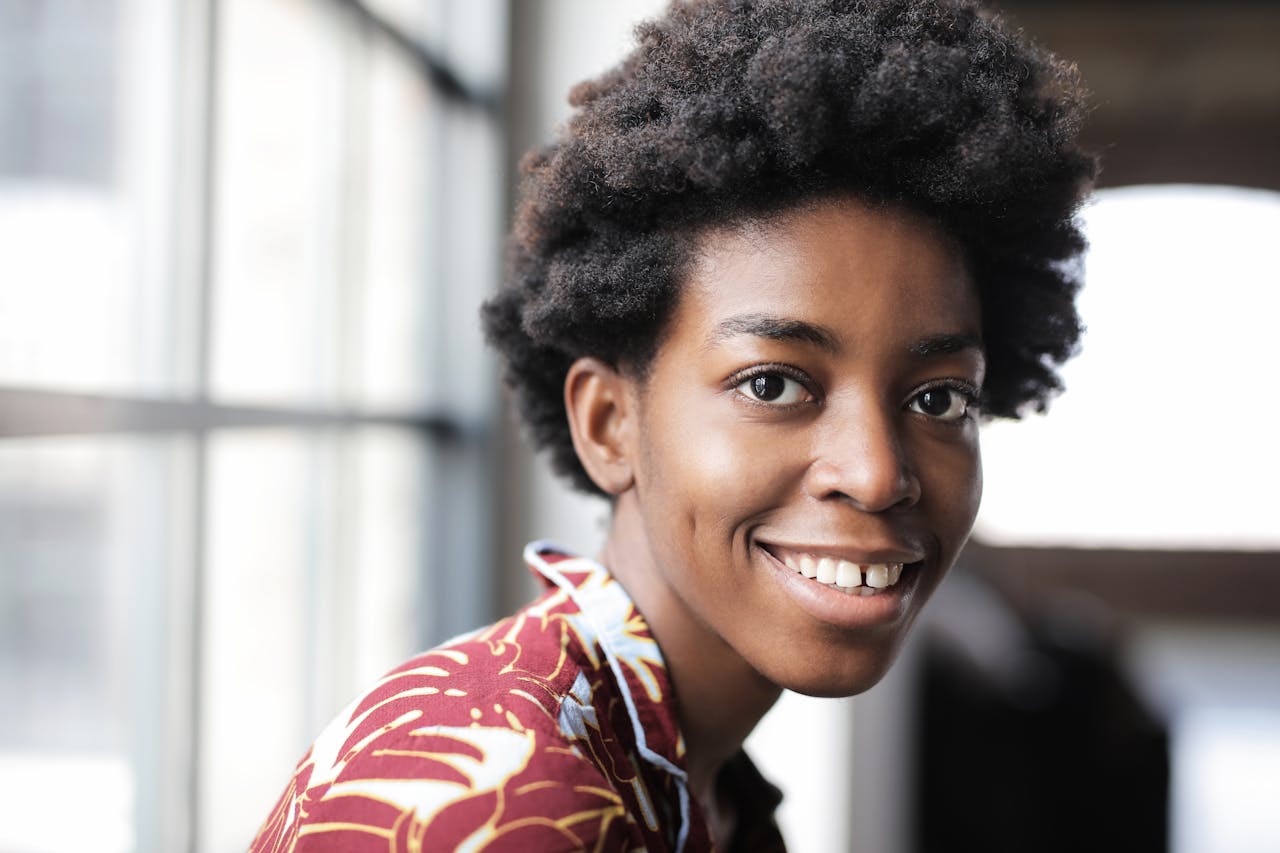
For many women, this lack of transparency creates a difficult choice. Beauty is tied to identity, confidence, and even professional presence, yet the products that enable these transformations may carry risks that aren’t fully understood. The tension is particularly relevant in an era where cultural conversations around natural hair, representation, and self-acceptance are growing louder.
The question, then, becomes less about whether to color and more about how the industry should evolve toward clearer labeling, more stringent safety testing, and products that honor both aesthetics and health. Until then, individuals are left navigating decisions with incomplete information, balancing personal expression against potential risk.
Redefining Beauty Beyond Chemicals
Hair color has long been tied to self-expression, but also to societal pressures. Gray coverage, polished tones, or perfectly straightened strands have often been marketed as a standard of beauty. Yet, with new research raising questions about safety, more people are reconsidering whether those standards are worth the potential cost.
In recent years, we’ve seen a visible shift. Celebrities embracing silver hair on the red carpet, cultural movements celebrating natural textures, and beauty campaigns spotlighting authenticity all reflect a broader change: beauty isn’t just about appearance, it’s about health, confidence, and choice.
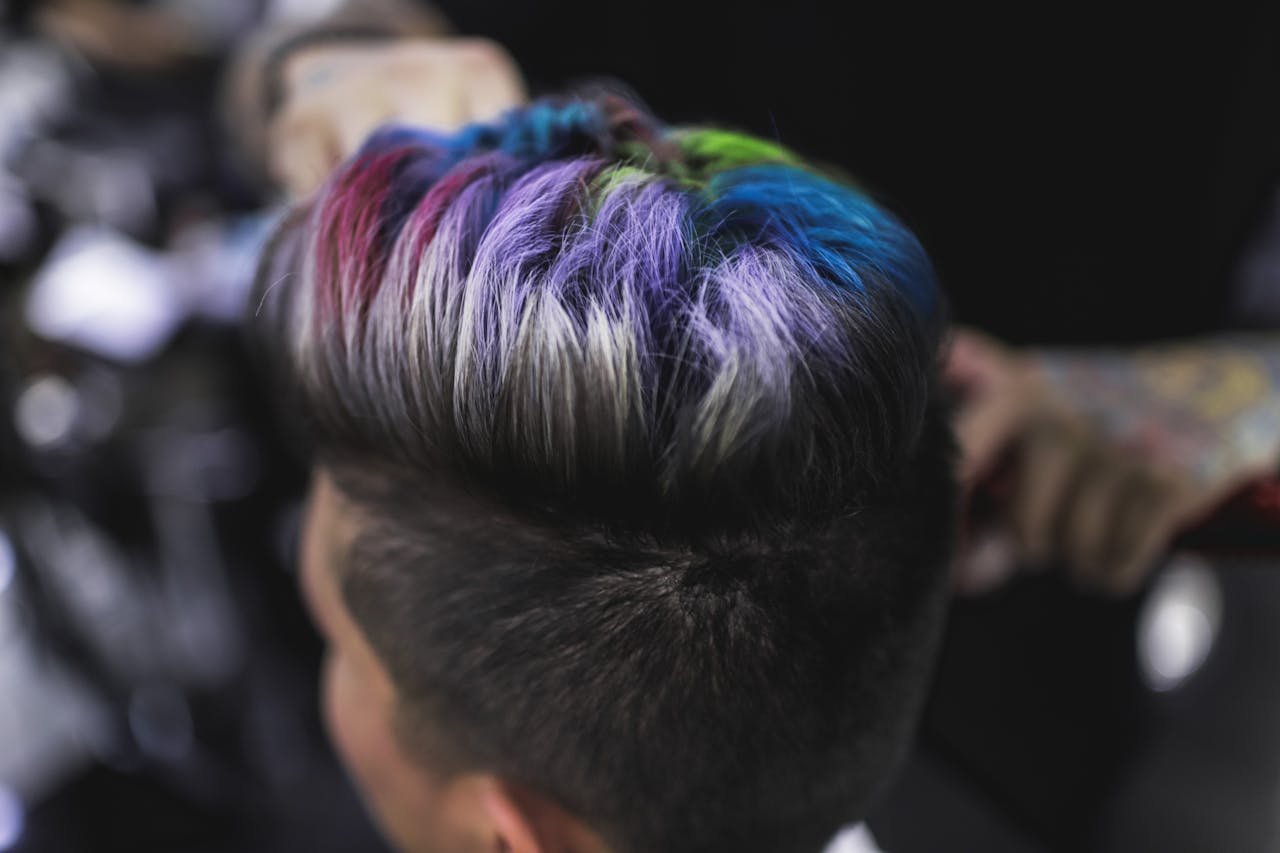
This reframing doesn’t mean abandoning hair dye altogether. For many, it’s still a meaningful form of creativity and identity. Instead, it opens space for a more inclusive definition of beauty, one that values personal well-being as much as personal style.
Innovation at the Crossroads of Beauty and Health
As consumer awareness grows, the beauty industry is facing mounting pressure to rethink its formulas. Demand for “clean” and plant-based cosmetics has surged, with hair dye now part of that broader conversation. Brands that once focused solely on color longevity and vibrancy are being asked to deliver products that minimize chemical exposure without sacrificing performance.
Some companies are responding by experimenting with natural pigments, ammonia-free blends, and even biotech solutions that aim to mimic traditional dyes without the same risks. While these alternatives are still a small segment of the market, their presence signals a shift: consumers are no longer willing to choose style at the expense of health.

Meaningful change happens when individuals make safer choices and industries take responsibility by developing products that meet today’s standards for safety, transparency, and inclusivity.
Smarter Choices for Everyday Hair Care
While researchers continue to study the long-term impact of dyes and straighteners, there are steps you can take now to reduce unnecessary exposure without giving up your personal style. These aren’t rigid rules, but thoughtful adjustments that can help you strike a balance between beauty and well-being:
- Look for transparency. Choose brands that disclose their ingredient lists openly. Products marketed as “ammonia-free” or “PPD-free” may be gentler options, though labels should always be read carefully.
- Stretch the timeline. Instead of coloring every month, consider extending to every six or eight weeks. Small gaps add up to significantly less chemical contact over time.
- Experiment with low-commitment color. Temporary sprays, rinses, and powders offer flexibility without long-lasting exposure. They’re particularly useful for covering gray in between appointments.
- Try natural pigments. Henna and other plant-based dyes don’t provide the same range of shades as permanent color but can still refresh your look in a safer way.
- Protect your scalp. A healthy scalp barrier can minimize absorption. Avoid coloring if your skin is irritated, and use gloves when applying dye at home.
- Consider professional guidance. A trusted stylist can recommend safer application methods and products tailored to your hair type, helping you achieve your look with less risk.
These approaches don’t demand abandoning hair dye altogether. They encourage a more mindful routine, one that values both appearance and long-term health.
Rethinking Beauty as a Whole
The conversation around hair dye isn’t simply about numbers on a study chart. It speaks to larger questions about how we define beauty, the pressures that shape personal choices, and the responsibility industries have toward the people who trust their products.
Yes, the science points to possible risks, especially with frequent use of permanent dyes and chemical straighteners, but it also points toward opportunity. There is room for innovation, transparency, and cultural change that honors both self-expression and health.
Ultimately, beauty should not come at the expense of well-being. Whether that means exploring plant-based alternatives, spacing out appointments, or embracing natural textures, the decisions you make around your hair can be both stylish and sustainable. And in that balance, there’s a reminder worth carrying forward: confidence shines brightest when it’s rooted in care for yourself, not just the mirror’s reflection.