
For most of human history, night was a period of natural darkness. The sun sank below the horizon, the stars emerged in a velvet sky, and the body followed an ancient script that had been written into our biology over millions of years. Today, however, very few of us ever experience a truly dark night. From glowing billboards to sky-brightening street lamps, modern lighting has transformed the night into a permanent twilight. We might consider this progress, but what if the light outside our windows is quietly influencing our brains in ways we never imagined?
Recent scientific research has uncovered a surprising connection between nighttime outdoor light pollution and the risk of Alzheimer’s disease. While scientists have long known that artificial light can disrupt sleep and circadian rhythms, this new body of evidence suggests something deeper. It appears that environmental light exposure at night could be a significant and modifiable risk factor for cognitive decline. Even more striking is the finding that younger adults may be especially vulnerable.
This new understanding challenges us to rethink the role that light plays not only in our daily lives but in our long-term health. It brings together neuroscience, environmental science and even subtle echoes of ancient wisdom that viewed darkness as a restorative and essential part of the natural cycle. The modern world has flooded the night with illumination, but the hidden costs of this shift are only now coming into focus. As we explore the science behind this issue, we also uncover an opportunity to harmonize our lifestyles with forces far older than civilization itself.
The Emerging Science of Light Pollution
Light pollution has increased dramatically in recent decades. Satellite observations show that artificial lighting on Earth has expanded by almost 50 percent over the past 25 years, and in many places the night sky brightens by nearly 10 percent annually. Close to 80 percent of the global population now lives under light-polluted skies. These illuminated environments are beautiful to look at from space, but at ground level they tell a story of constant overstimulation.
Scientists categorize nighttime light exposure through intensity measurements, often dividing regions into tiered groups from the darkest to the brightest. Using NASA satellite data, Medicare and CDC health records and advanced statistical analysis, researchers have examined how these lighting patterns align with the prevalence of Alzheimer’s disease. In study after study, the results have been consistent. The brighter the nighttime environment, the higher the prevalence of Alzheimer’s, especially among individuals under 65.
What makes these findings compelling is the breadth of data. Researchers mapped light levels across entire states and counties, then compared them with medical data drawn from millions of individuals. The trend remained clear regardless of age, sex or ethnicity with only a few exceptions where sample sizes were too small to draw strong conclusions. When examined year by year across a six-year period, the relationship persisted.
Although the studies cannot establish causation, the consistency of the association points toward a meaningful relationship between ambient nighttime light and cognitive health. When accounting for other known risk factors such as depression, obesity, chronic kidney disease and alcohol abuse, nighttime light often shows a stronger correlation with Alzheimer’s prevalence. Only metabolic and cardiovascular conditions such as diabetes, hypertension and stroke outpace light exposure as predictors of Alzheimer’s in older adults. For younger individuals, however, the pattern becomes even more striking.
A Surprising Vulnerability in People Under 65
One of the most unexpected discoveries in the recent research is that individuals under the age of 65 appear to be significantly more vulnerable to the effects of nighttime light pollution than older adults. For this group, exposure to bright ambient light at night has a stronger association with Alzheimer’s prevalence than any other risk factor measured in the studies.
This raises two questions. Why might younger adults be more susceptible, and what mechanisms could link nighttime light exposure to early cognitive changes?
There are several possibilities. One explanation points to genetics. Early onset Alzheimer’s is influenced by certain genotypes, including variations of the APOE gene, particularly the APOE4 variant. Some researchers speculate that individuals with genetic susceptibility may also be more sensitive to environmental stressors including disruptions to circadian rhythms. If light pollution intensifies those disruptions, then younger individuals carrying risk genes may be at greater risk earlier in life.
Another factor is lifestyle and environment. Younger adults are more likely to live in urban and suburban areas where nighttime illumination is intense and constant. They may work irregular hours, spend more evenings outdoors in well-lit environments or use electronic devices late into the night. Urban centers tend to have greater concentrations of particulate pollution as well, another factor that has been linked to cognitive decline. While the studies did not directly measure these confounders, researchers acknowledge that they may contribute.
The sensitivity of the brain to sleep disruption and circadian imbalance appears to peak in younger adulthood. This means environmental factors that interfere with nighttime biological rhythms can have a particularly strong impact. If the relationship between nighttime light and cognitive health is cumulative, then earlier life exposure becomes especially meaningful.
These patterns suggest that Alzheimer’s may not be solely a disease of aging but a long process influenced by young adulthood and the environments in which people spend those earlier years. This opens the door to a new perspective. Alzheimer’s risk may be shaped not just by genetics or late life choices but by the hidden rhythms of everyday living and the quality of the night itself.
The Biological Connection Between Light and the Brain
To understand how outdoor light at night can influence Alzheimer’s risk, we need to look at the neuroscience of sleep, circadian rhythms and cellular housekeeping systems in the brain. Although researchers are still exploring the exact pathways, there are several well-established mechanisms that explain why nighttime light exposure can interfere with brain health.
Circadian Rhythm Disruption
Circadian rhythms serve as the master clock of the body. They regulate sleep and wake cycles, hormone release, cellular regeneration, metabolic processes and even immune function. The primary cue that sets this clock is light. Daylight stimulates wakefulness, while darkness triggers the release of melatonin, a hormone essential for sleep and nighttime repair.
Artificial light at night confuses this system. The brain interprets light as daytime even when it is the middle of the night. This disrupts melatonin production and can alter the timing of biological rhythms. Chronic circadian disruption has been linked to inflammation, metabolic dysfunction and increased susceptibility to neurodegenerative conditions.
Sleep Quality and the Glymphatic System
Sleep plays a central role in clearing metabolic waste from the brain. During deep sleep, the glymphatic system a network of channels that acts like a cleansing river becomes more active. It washes away toxic proteins including beta amyloid which accumulates in the brains of individuals with Alzheimer’s disease.
When sleep is disrupted, shortened or fragmented, the glymphatic system becomes less efficient. Over time, this may contribute to the buildup of neurotoxic materials. Light exposure at night is known to reduce both the duration and quality of deep sleep, and this may be one of the pathways through which light pollution contributes to cognitive decline.
Inflammation and Immune Activation
Circadian disruption has downstream effects on inflammation. The brain contains specialized immune cells called microglia and astrocytes which regulate neural repair and protect against injury. When exposed to chronic stress including irregular light cues these cells become overactive. This can lead to inflammation in neural tissue and further disrupt the brain’s ability to clear beta amyloid and maintain healthy connections.
Genetic Interactions
Certain genotypes associated with Alzheimer’s may heighten sensitivity to circadian disruption. For example, carriers of APOE4 may exhibit stronger inflammatory responses or greater vulnerability to sleep disturbances. If these genetic profiles interact with environmental light exposure, the risk may be amplified. Researchers have suggested that younger adults might carry these genetic variants at higher rates in the populations studied, making them more susceptible to nighttime light.
Environmental Amplifiers
Areas with high light pollution are often also areas with increased air pollution, socioeconomic challenges and persistent noise. These factors also influence sleep and stress. While not directly measured in all studies, their presence may create synergistic effects that worsen cognitive risk.
In short, nighttime light pollution may not be simply an annoyance. It appears to be a powerful environmental signal capable of reshaping biological rhythms, affecting sleep-dependent cleansing processes and influencing inflammation and neural health over the long term.
Ancient and Spiritual Perspectives
While modern science provides the biological mechanisms, ancient traditions around the world also recognized the importance of darkness for healing and renewal. From a Spirit Science perspective, the research into light pollution and cognitive decline echoes timeless teachings about the rhythm of light and shadow.
In many esoteric traditions, nighttime represents a sacred interval of rest where the subtle energy systems of the body restore themselves. Darkness is associated with intuition, dream work and the replenishment of inner life. The pineal gland, sometimes referred to as the seat of spiritual perception, responds directly to light exposure. When exposed to artificial light after sunset, its function becomes altered, affecting melatonin production and perhaps even the energetic sensitivity described in ancient texts.
Shamanic cultures often speak of light pollution in spiritual terms. They view artificial brightness as a veil that separates humans from natural cycles. When nighttime never truly arrives, the body and mind lose an important anchor point in the flow of energy through the day. Even astrologically, nighttime corresponds to the lunar principle associated with rest, renewal and memory. Overwhelming the night with artificial illumination may symbolically work against these lunar functions.
These parallels do not replace scientific understanding but enrich it, offering a perspective that sees the human body as intertwined with the rhythms of nature. When we disrupt the darkness, we also disrupt the balance between technological progress and the ancient wisdom encoded within our biology.
Steps to Reduce Risk

The most encouraging aspect of this growing body of research is that light pollution is modifiable. Unlike genetic predispositions or certain environmental toxins, nighttime light exposure is something individuals can influence through straightforward lifestyle adjustments. Here are practical steps supported by researchers:
1. Enhance Bedroom Darkness
Blackout curtains are one of the most effective ways to block outdoor light. Combined with window seals or additional light-blocking panels, they can significantly reduce ambient illumination in sleeping spaces. For individuals living in brightly lit areas, an eye mask can offer an inexpensive alternative that provides immediate benefits.
2. Adjust Indoor Lighting in the Evening
Indoor light can be just as disruptive as outdoor illumination. Several strategies can help:
- Switch to warm-colored bulbs that emit less blue light.
- Install dimmer switches to gradually lower light as bedtime approaches.
- Use lamps or low-intensity lighting instead of bright overhead fixtures during nighttime hours.

3. Manage Screen Exposure
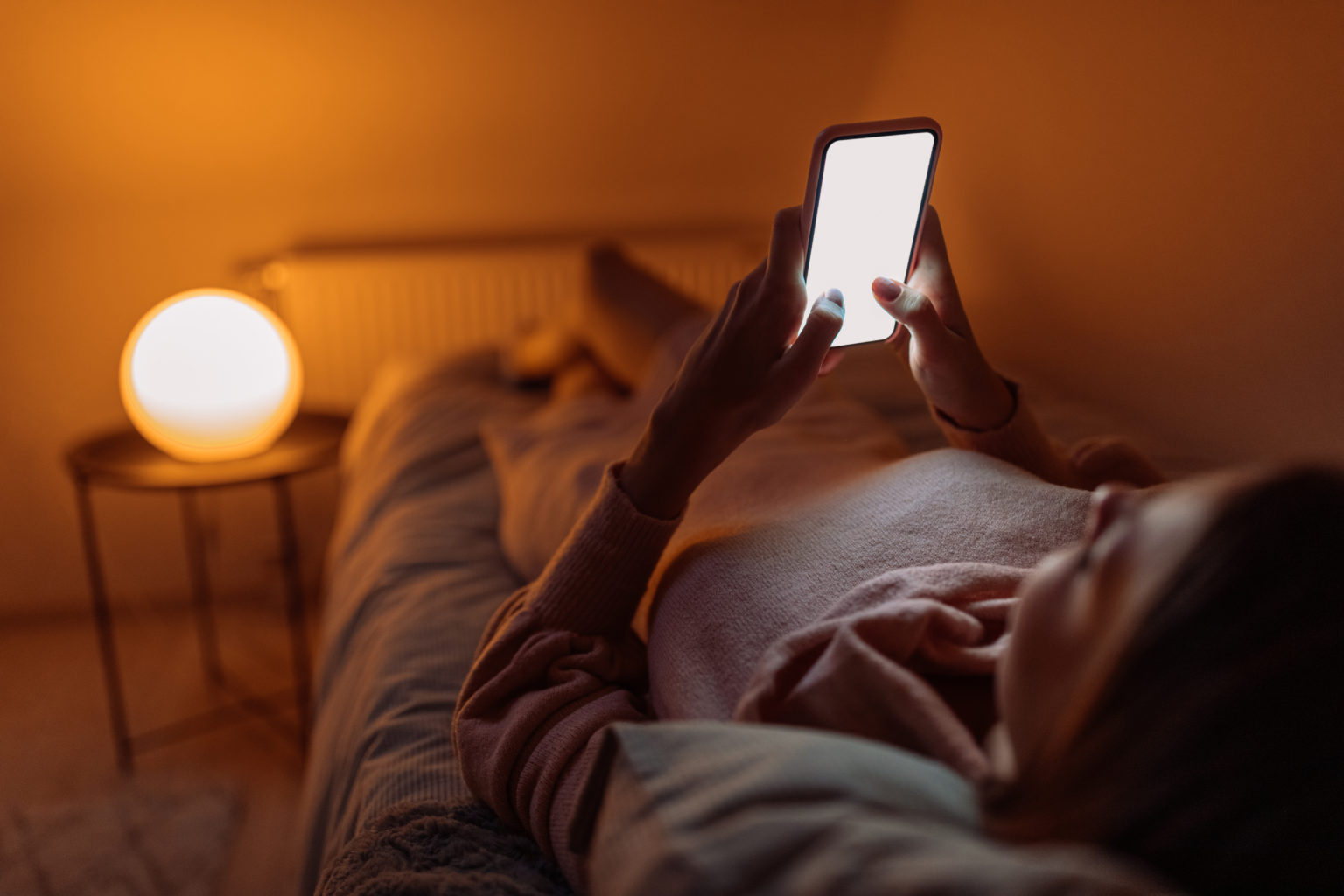
Blue light emitted from phones, tablets and televisions can have a particularly strong impact on sleep cycles. Blue light filters, nighttime color shift settings or simply reducing device use an hour before bed can lessen the effect.
4. Support Community and Policy Changes
Public policies around outdoor lighting can make a major difference. Some regions already limit streetlight intensity, require shielding to direct light downward or mandate the use of energy-efficient bulbs that reduce sky glow. Supporting these initiatives helps create healthier nighttime environments for entire communities.
5. Reconnect With Natural Darkness
Spending time in truly dark environments whether camping, visiting nature reserves or stargazing can help reset circadian rhythms. Returning the body to cycles of light and shadow can have a restorative effect both physically and mentally.
Toward a Healthier Relationship With the Night
The growing evidence linking nighttime light pollution to Alzheimer’s risk invites us to rethink our relationship with the modern world. The technologies we create often offer convenience and beauty, but they also reshape the landscape in ways that can have profound biological consequences. The night sky, once an expansive canvas for stars, has become a diffuse glow hovering over cities. In many ways, our brains are still adapted to the ancient world where darkness ruled half the day.
The science is telling us something subtle yet powerful. Darkness is not an absence. It is part of the balance that keeps the body healthy and the mind clear. When we flood the night with artificial light, we obscure a natural cycle that has guided life on Earth since the beginning. Neuroscience shows that this imbalance affects the brain at a cellular level. Spiritual traditions suggest that the loss of darkness also affects the rhythm of the soul.
Bringing light back into balance is not about removing all illumination. It is about creating harmony between the natural day-night cycle and the modern world. It is about shaping our environments so they support the brain’s healing processes instead of undermining them. And it is about choosing habits and technologies that honor our connection to the rhythms of life.
Nighttime outdoor light pollution may be a modern phenomenon, but the wisdom needed to address it is timeless. As we move forward, we have the opportunity not only to reduce the risk of Alzheimer’s disease but to rediscover the restorative power of the night itself.




足球贝贝
Monday 24th of November 2025
又到年底了,真快!