
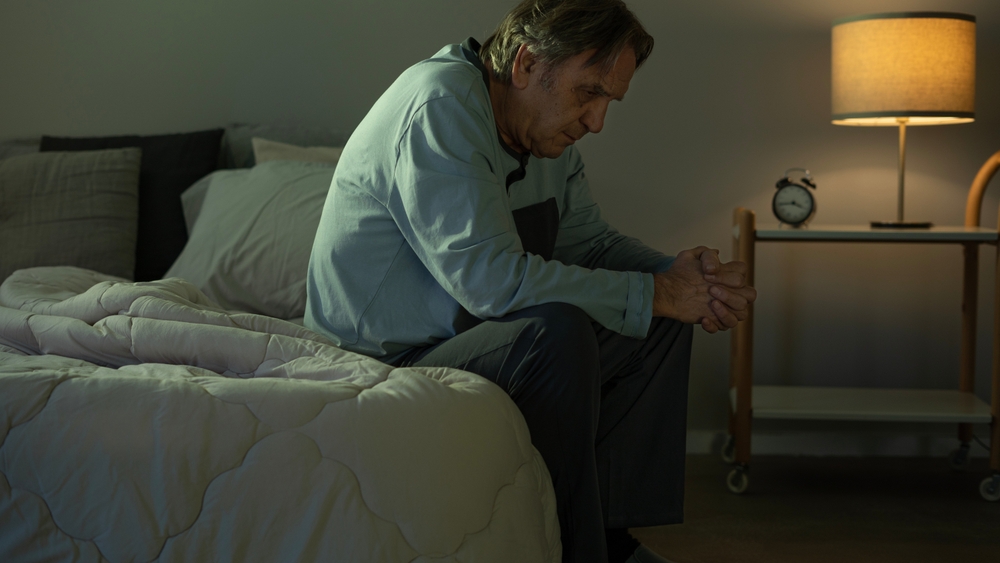
If you wake up at 3 a.m. and suddenly feel wide awake, your first instinct might be to panic. Modern sleep culture has convinced many people that healthy rest must happen in one uninterrupted eight-hour stretch, so waking in the middle of the night often feels like a sign that something is wrong. But history paints a very different picture of how humans once slept. Long before electric lights, smartphones, late-night television, and rigid work schedules shaped daily life, many people naturally slept in two separate phases. Nighttime was not treated as one long block of unconsciousness. Instead, it had structure, pauses, and moments of quiet wakefulness that people accepted as part of normal life.
Historical records from Europe, Asia, Africa, and the Middle East describe people going to sleep shortly after sunset, waking for an hour or two around midnight, then returning to bed until morning. This pattern became known as “first sleep” and “second sleep.” During the waking period between the two sleep phases, people prayed, reflected on dreams, checked the fire, talked with family members, or simply sat quietly in the darkness. Some used the time for reading and writing, while others viewed it as the ideal moment for intimacy. Researchers studying sleep today believe this older rhythm may explain why so many people still wake naturally during the night, especially during winter months or stressful periods. Instead of seeing midnight wakefulness as a flaw, scientists are beginning to reconsider whether segmented sleep may actually be closer to humanity’s original biological rhythm.
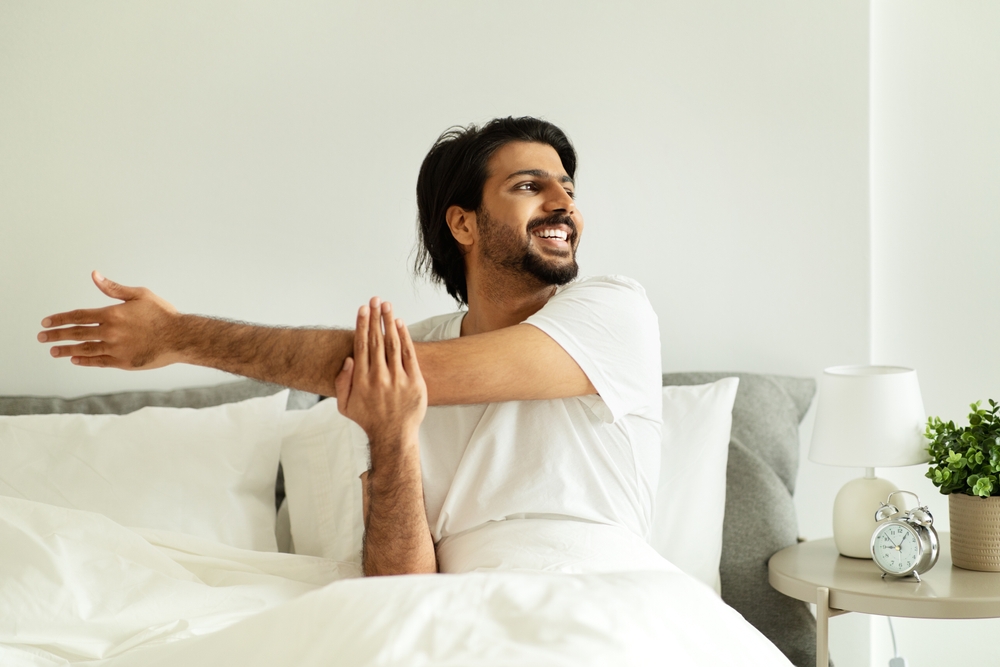
Humans Once Slept in Two Distinct Phases
For centuries, sleeping in two segments was ordinary. References to “first sleep” and “second sleep” appeared in literature, personal diaries, medical texts, and court records. Ancient Greek poet Homer and Roman poet Virgil both referred to nighttime waking periods, including the phrase “hour which terminates the first sleep.” These references were so common that people rarely bothered explaining them in detail because everyone understood what they meant. The middle portion of the night was considered useful and meaningful rather than inconvenient.
Without modern lighting, people’s routines followed the natural rise and fall of daylight. After sunset, darkness arrived quickly and often lasted much longer during the winter months. Going to bed early made practical sense, but sleeping continuously for ten or twelve hours was not always realistic. Many families woke naturally after several hours of rest. The quiet pause in the middle of the night created a psychological break that may have made long nights feel shorter and less mentally exhausting. Historians believe this waking period also changed how people experienced time because the night no longer felt like one endless stretch of darkness.
People used those hours in surprisingly productive ways. Some stayed in bed and reflected on dreams, which were often viewed as spiritually meaningful. Others got up to stir the fire, prepare food for the next day, tend animals, or visit neighbors quietly. In many households, these nighttime hours became a calm period free from the demands of daytime labor. Couples frequently used the interval for intimacy because they felt more rested after the first phase of sleep. The rhythm was deeply woven into daily life across cultures and social classes.

Artificial Light Changed Human Sleep Forever
The shift away from segmented sleep happened gradually over the last two centuries. Artificial lighting transformed how humans interacted with nighttime. Oil lamps extended evening activities first, followed by gas lamps and eventually, electric lights. People no longer needed to sleep shortly after sunset because darkness stopped controlling the limits of daily life. Evening hours became a time for work, entertainment, shopping, and socializing.
Bright light at night also altered human biology. Exposure to artificial light suppresses melatonin production, delaying the body’s natural preparation for sleep. Modern lighting, especially blue light from screens and LED bulbs, can confuse circadian rhythms by making the brain believe it is still daytime. Instead of naturally waking after several hours of sleep, many people began compressing rest into one shorter and more consolidated block that fit changing social schedules.
The Industrial Revolution accelerated these changes even further. Factory systems demanded strict work hours and predictable productivity. Sleeping in two phases no longer matched the growing pressure for standardized routines. Workers needed to wake at fixed times regardless of season or daylight patterns. Over time, uninterrupted sleep became associated with discipline, efficiency, and modern living. By the early 20th century, the idea of sleeping in one continuous eight-hour session had replaced the older rhythm almost entirely.
Even though culture changed, human biology may not have adapted as completely as people assume. Researchers studying sleep in controlled environments continue to find evidence that segmented sleep still exists beneath modern habits. When people are removed from artificial lighting and allowed to follow natural darkness, many drift back into two separate periods of sleep without being instructed to do so.
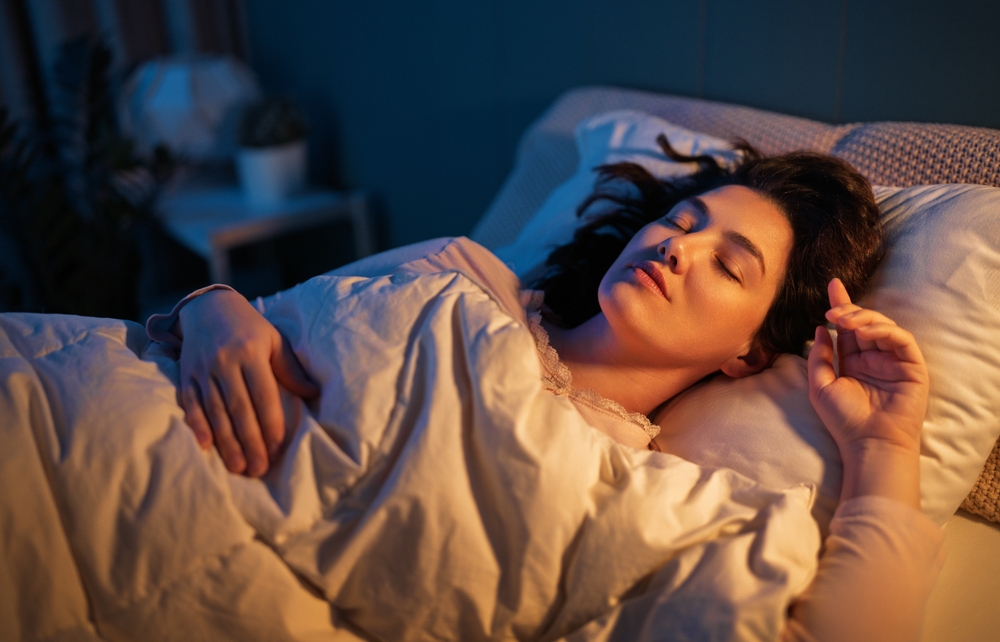
Research Suggests Segmented Sleep May Still Be Natural
Several sleep studies have explored what happens when modern distractions disappear. In laboratory experiments involving extended darkness and the removal of clocks or evening light exposure, participants often developed a sleep pattern that closely resembled historical accounts of first and second sleep. They slept for several hours, woke calmly in the middle of the night for a period of quiet wakefulness, then returned to sleep naturally.
A 2017 study involving a traditional agricultural community in Madagascar found that people without electricity still commonly slept in segments. Many woke around midnight before falling asleep again later. Researchers believe these findings suggest that consolidated sleep may be more connected to industrialized lifestyles than to ancient human biology.
Scientists have also explored how darkness changes a person’s sense of time. Researchers at Keele University examined how lighting conditions influence mood and time perception using immersive virtual reality scenes. Participants viewed clips with varying levels of light and judged how long the scenes lasted. People consistently felt that darker or evening scenes lasted longer than bright daytime scenes. The effect became even stronger among participants reporting low mood.
This connection between darkness, mood, and time perception may help explain why waking at night often feels emotionally intense. When someone lies awake in silence, attention shifts toward time itself. Minutes can feel stretched and heavy. Anxiety makes the experience even worse because the brain becomes hyper-focused on how long it has been awake. Historically, people expected this waking interval and used it intentionally, which may have reduced the stress surrounding nighttime awakenings.
Winter Darkness Can Intensify Sleep Disruptions
Winter often brings another layer of difficulty for sleep and mood. Morning sunlight plays a major role in regulating circadian rhythms because it signals the brain to suppress melatonin and increase alertness. During winter months, sunlight arrives later and appears weaker, making it harder for the body to maintain a stable sleep-wake cycle. Many people feel more fatigued, emotionally low, or mentally sluggish during darker seasons.
Researchers studying people in environments with limited natural light have observed striking changes in time perception and daily rhythms. In cave studies and isolation experiments, participants often lost track of time after spending weeks without daylight cues or clocks. Similar experiences occur in regions experiencing polar winters, where sunrise and sunset become less predictable or disappear for long stretches.
Interestingly, some populations appear better adapted to prolonged winter darkness. A 1993 study involving Icelandic populations and their descendants in Canada found unusually low rates of seasonal affective disorder. Researchers suggested that genetics may partly influence how different groups respond to reduced winter sunlight. Community structure and stable daily routines also appear to affect how well people cope with seasonal darkness.
These findings reveal how deeply human biology depends on light exposure. Modern indoor lifestyles often separate people from natural daylight while exposing them to excessive artificial light at night. This combination can confuse the body’s internal clock, making sleep feel less stable and restful throughout the year.
Waking at 3 A.M. Does Not Always Mean Insomnia
Sleep specialists often remind people that brief awakenings during the night are completely normal. Sleep naturally moves through cycles, including transitions involving REM sleep, the stage most strongly connected to vivid dreams. Many people wake briefly during these transitions without remembering it the next morning. Problems usually begin when fear and frustration take over.
Someone who wakes at 3 a.m. may immediately check the clock, calculate how many hours remain before morning, and start worrying about exhaustion the next day. This stress response increases alertness and makes falling back asleep more difficult. What could have been a calm and temporary waking period turns into an anxious experience that feels much longer than it actually is.
Researchers note that the brain’s perception of time changes depending on mood and attention. Anxiety, boredom, and darkness tend to stretch perceived time, while relaxation and engagement can make time feel shorter. Historically, people filled their nighttime waking intervals with quiet activities instead of lying in bed, catastrophizing about sleep loss. That shift in mindset alone may have changed how wakefulness felt emotionally.
This does not mean chronic insomnia should be ignored. Persistent sleep problems, loud snoring, breathing interruptions, severe daytime fatigue, or frequent nighttime awakenings can signal medical conditions such as sleep apnea or anxiety disorders. Still, understanding that nighttime waking has deep historical roots may help reduce unnecessary panic when it happens occasionally.
Maybe Modern Sleep Expectations Are Too Rigid
Modern society often treats sleep as something that should function perfectly every night, but human biology has never been completely predictable. The idea that everyone must sleep through the night in one uninterrupted block may reflect industrial schedules more than natural human rhythms. Historical evidence and modern research both suggest that segmented sleep once played a normal role in daily life for large parts of the world.
This does not mean everyone should suddenly force themselves into biphasic sleep. Many people sleep well in one continuous block and feel fully rested doing so. But for others, especially those who naturally wake during the night, understanding the history of human sleep may offer reassurance rather than fear. Midnight wakefulness may not always be a malfunction. In some cases, it may simply be an ancient rhythm quietly resurfacing beneath modern routines.
Reducing evening screen exposure, getting more morning sunlight, maintaining a consistent sleep schedule, and approaching nighttime waking with less anxiety may help support healthier rest overall. Sometimes the pressure to achieve “perfect sleep” creates more sleep problems than the waking itself. Human sleep has always been flexible, seasonal, and shaped by the environment. Remembering that may make those quiet 3 a.m. moments feel a little less alarming.




333985
Thursday 14th of May 2026
wish you all the best
free diamonds
Monday 11th of May 2026
hi, i was scrolling and this caught my attention. this filled in some gaps for me, without adding unnecessary stuff.