Your heart pounds. Breathing becomes shallow. Reality feels distant, like you’re watching yourself from outside your body. Panic attacks strike millions of people each year, often without warning and always without mercy. While deep breathing exercises and meditation apps have become standard recommendations, an unconventional tool has emerged from an unlikely source. What if the answer to your next panic attack sits in your pocket, wrapped in bright packaging, ready to deliver a jolt your brain can’t ignore?
Social media lit up in April 2021 when TikTok users began sharing their secret weapon against anxiety. No prescription required. No therapy appointment needed. Just intense, mouth-puckering sourness that pulls the mind away from terror and back to the present moment. Mental health professionals took notice, and what seemed like internet folklore began earning recognition as a legitimate grounding technique.
When Fear Takes Over Without Warning
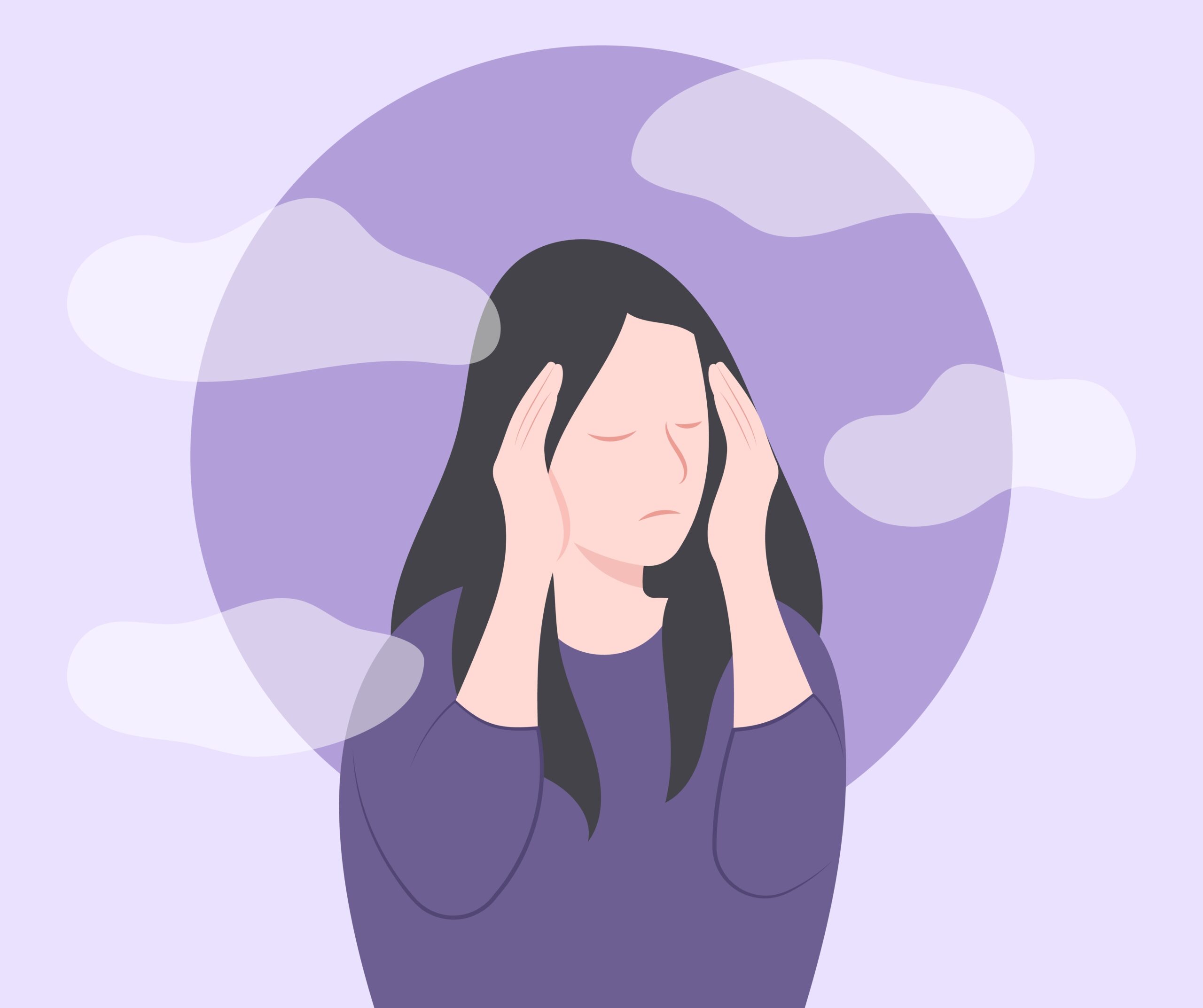
Panic attacks don’t ask permission. One moment you’re navigating your day, and the next, your body launches into survival mode. Your heart races as if fleeing danger. Sweat breaks out across your skin. Dizziness makes the room spin. Some people describe feeling detached from reality, as though they’re watching themselves from a distance. Others report an overwhelming fear of dying or losing control.
Symptoms typically peak within 10 minutes, though those minutes can feel like hours. Episodes might last anywhere from a few minutes to over half an hour. Between attacks, many people develop anticipatory anxiety, constantly fearing when the next one will strike. Life shrinks as people avoid situations where they’ve previously panicked, creating a cycle that feeds itself.
Medical experts define panic attacks as sudden episodes of intense fear that trigger severe physical reactions despite no real danger or apparent cause. While not life threatening, panic attacks leave lasting impacts on mental health and quality of life. People who experience them often feel trapped by their own nervous system.
How Your Brain Reacts to Extreme Sourness
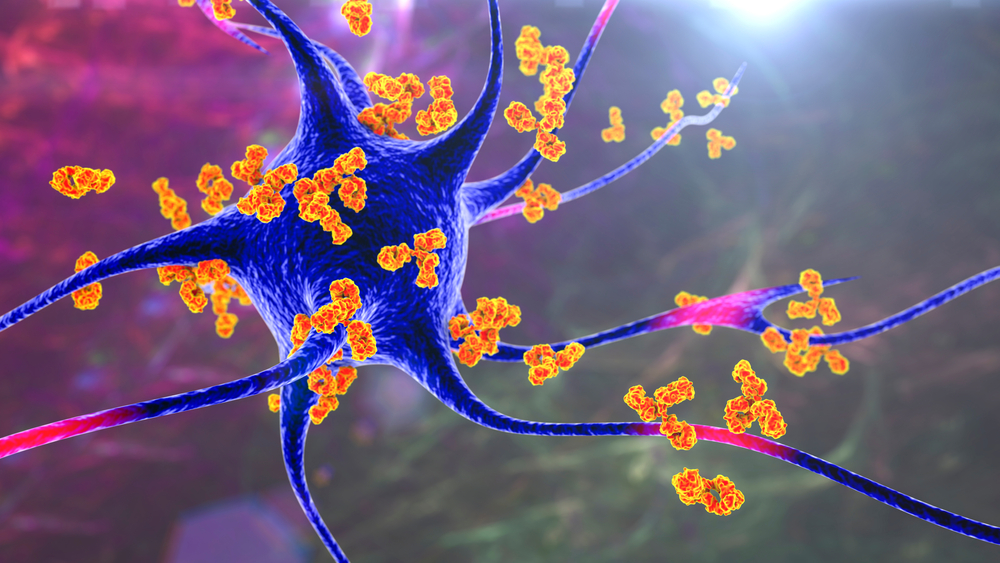
Toya Roberson-Moore, MD, associate medical director and psychiatrist at Pathlight Mood & Anxiety Center, explains the mechanism behind sour candy’s effectiveness. “Panic ensues when our amygdala triggers the fight or flight response. One way to dampen our amygdala’s response and mitigate panic is by turning our attention to the present moment through our senses, taste, smell, touch, sight, and hearing.”
Your amygdala acts as the brain’s alarm system, scanning for threats and launching emergency responses. During a panic attack, it creates a false alarm, flooding your system with stress hormones when no actual danger exists. Sour candy interrupts this process by creating such a powerful sensory experience that your brain must redirect its resources to process the intense taste.
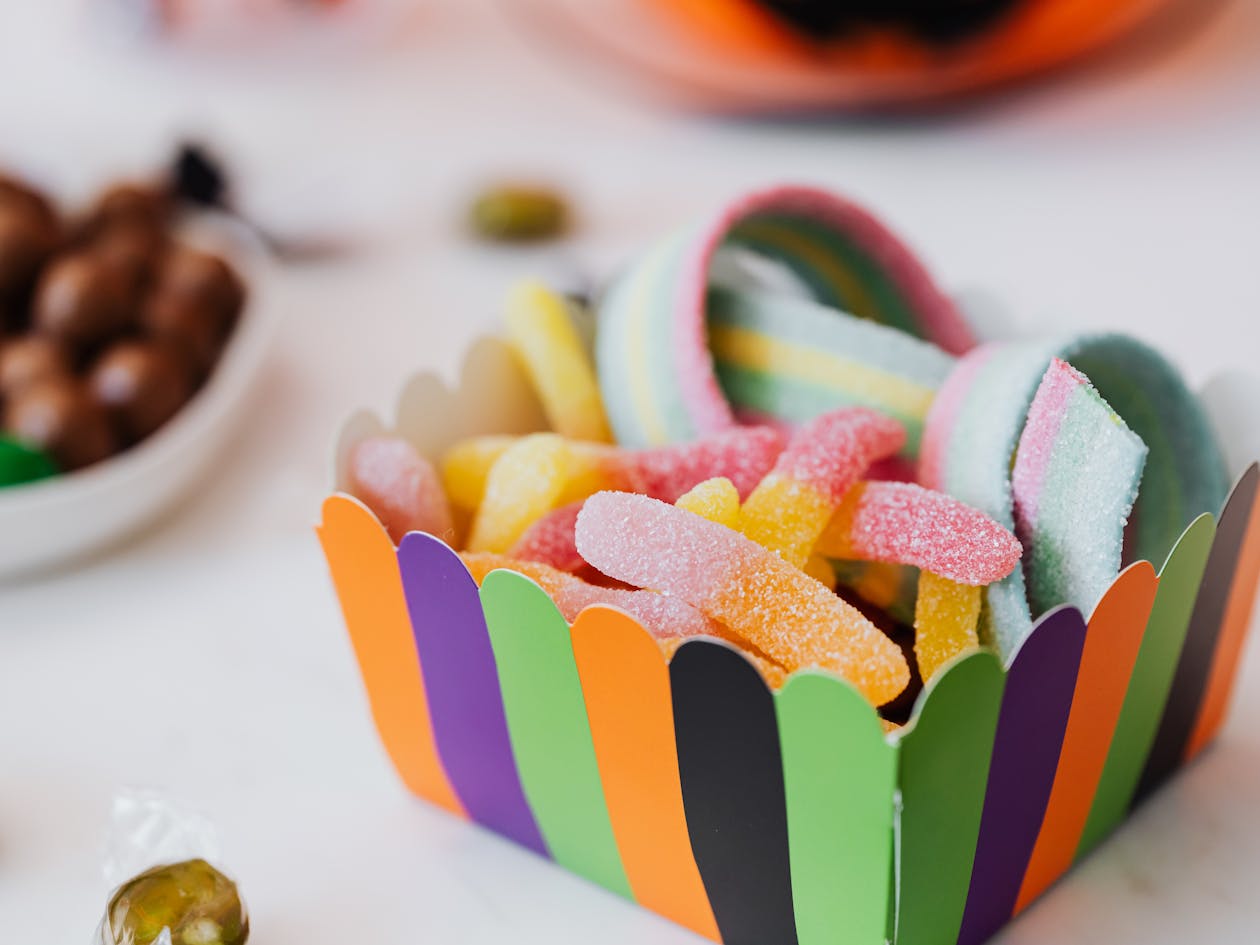
When you pop a Warhead or Sour Patch Kid into your mouth, the extreme sourness demands immediate attention. Your salivary glands activate. Your face contorts. Every taste bud fires signals to your brain, overwhelming the panic signals with something tangible and present. Dr. Roberson-Moore notes that sour candy “shifts our attention quickly to the sense of taste, intensely, which in turn dampens our amygdala and gives us better access to our frontal cerebral cortex.”
Essentially, the intense flavor yanks control away from your emotional brain and hands it back to your rational brain. Your thinking mind can then send messages to the feeling part that you’re not in actual danger. No bear is chasing you. No building is collapsing. You’re simply experiencing a panic attack, and it will pass.
Sensory Grounding Pulls You Back to Reality
Mental health professionals call this technique sensory grounding. Cognitive behavioral therapy research supports using strong sensory experiences to anchor people during moments of acute distress. Touch, sound, sight, smell, and taste all offer pathways back to the present moment when panic tries to sweep someone into catastrophic thinking.
John Delony, PhD, a mental health counselor, describes how sour candy can break the anxiety loop. “A piece of sour candy may be enough to jerk someone from the mindless looping of anxiety and bring them back to the present,” he explains. That sudden jolt creates a circuit breaker effect, stopping the spiral before it gains more momentum.
Sensory grounding works because panic attacks thrive on abstract fears about the future or past. Your mind races through worst-case scenarios. Your body reacts to imagined threats. Sour candy forces your attention to something concrete happening right now, in your mouth, impossible to ignore. You can’t think about dying while your entire face puckers from citric acid overload.
Many therapists now recommend keeping sour candy accessible in bags, pockets, or cars. No prescription needed. No side effects to manage. Just a cheap, fast-acting tool that works when panic strikes in the grocery store line or during a work meeting.
Making It Work Even Better
Sour candy becomes even more effective when combined with other grounding techniques. While the intense taste captures your attention, you can add layers of sensory input to strengthen the effect. Run your fingers over a textured object like a small rock or piece of fabric. Feel the different surfaces. Count the ridges or bumps.
Stretching provides another physical sensation to anchor you. Stand up and reach toward the ceiling, feeling your muscles extend. Roll your shoulders. Touch your toes. Movement reminds your body that you control it, not the panic.
Progressive muscle relaxation works well alongside sour candy. Tense your fists for five seconds, then release. Tense your shoulders, then let them drop. Work through different muscle groups, contracting and releasing. Each deliberate action reinforces your connection to the present moment.
People who successfully use sour candy during panic attacks often develop rituals around it. Opening the wrapper becomes a signal to their brain that relief is coming. Placing the candy on their tongue marks the beginning of the end of the attack. Building these associations strengthens the technique’s effectiveness over time.
When Quick Fixes Become Problems

Sour candy offers immediate relief, but relying on it exclusively creates risks. Dr. Roberson-Moore warns that “primarily using sugary foods like candy to reduce panic symptoms can develop into a maladaptive coping mechanism.” What starts as an emergency tool can become a crutch that prevents someone from developing healthier, more sustainable anxiety management skills.
Regular consumption brings health concerns beyond psychological dependency. Depending on how often panic attacks occur and how many candies someone eats per episode, added sugar intake can climb fast. Dietary guidelines recommend limiting added sugars to no more than 10% of daily calories. A handful of sour candies during multiple panic attacks per week pushes someone over that threshold.
Blood sugar spikes present another problem. Sour candy ranks as a high glycemic food, causing dramatic increases in blood glucose followed by crashes. Those crashes create symptoms that mirror anxiety itself. Shakiness, irritability, and rapid heart rate characterize both low blood sugar and anxiety attacks. Someone might eat candy to stop a panic attack, only to trigger anxiety symptoms an hour later when their blood sugar plummets.
Even more concerning, excessive sugar consumption affects brain chemistry in ways that worsen anxiety long-term. Eating too much sugar decreases production of brain-derived neurotrophic factor, a protein that helps reduce anxiety and panic. BDNF deficiency can make someone more vulnerable to future attacks, creating a vicious cycle where the solution becomes part of the problem.
Why Distraction Alone Isn’t Enough
Research on distraction techniques reveals an interesting pattern. Distraction helps most when combined with acceptance exercises and helps least when paired with avoidance. Someone who uses sour candy to momentarily ground themselves, then works through their anxiety with cognitive techniques, benefits far more than someone who uses candy to avoid confronting their panic disorder.
Mental health professionals view distraction as a bridge, not a destination. Sour candy can stop a panic attack in its tracks, buying time to employ more substantial coping mechanisms. But distraction without deeper work leaves the root causes untouched. Panic attacks will keep coming, potentially with increased frequency or intensity.
Cognitive behavioral therapy teaches people to identify when danger isn’t real and when anxiety isn’t needed. Learning these skills takes time and practice but produces lasting changes. People discover they can talk themselves down from panic by questioning catastrophic thoughts and recognizing physical sensations as uncomfortable but not dangerous.
Mindfulness-based meditation builds similar skills through different methods. Regular practice trains the mind to observe anxious thoughts without getting swept away by them. Instead of fighting panic or fleeing from it, people learn to sit with discomfort until it passes naturally.
Deep breathing, guided imagery, and progressive muscle relaxation all provide relaxation skills that work before panic takes hold. Developing these techniques when calm makes them accessible during crisis. Someone who practices deep breathing daily can drop into that pattern automatically when panic starts building.
Building a Real Toolkit for Panic

Physical exercise ranks among the most effective long-term anxiety treatments. Regular movement regulates stress hormones, improves sleep quality, and boosts mood-regulating neurotransmitters. People who exercise consistently often report fewer panic attacks and reduced anxiety between episodes.
Professional treatment offers the most reliable path to recovery from panic disorder. Therapists can assess individual situations and create customized treatment plans. Some people benefit most from talk therapy alone. Others need medication to stabilize their symptoms before therapy can work effectively. Many find that combining approaches produces the best results.
Medication options for panic disorder include antidepressants, anti-anxiety medications, and beta-blockers that reduce physical symptoms. Finding the right medication often requires trial and adjustment, but when it works, it can dramatically improve quality of life.
Support groups provide another valuable resource. Connecting with others who understand panic attacks reduces the isolation many people feel. Hearing how others cope and sharing your own experiences creates a sense of community that fights the shame often attached to anxiety disorders.
Keep It Handy, But Not as Your Only Option
Sour candy deserves a place in your panic attack toolkit. Its accessibility, affordability, and immediate effectiveness make it a useful emergency intervention. Keep some in your car. Stash a few pieces in your desk drawer. Drop a couple in your purse or pocket before heading into situations that typically trigger anxiety.
But don’t stop there. Schedule an appointment with a mental health professional who specializes in anxiety disorders. Start building a meditation practice. Begin exercising regularly. Learn deep breathing techniques and practice them daily. Develop a full arsenal of tools, so you’re never dependent on any single method.
Panic attacks feel overwhelming, but they’re treatable. Millions of people have learned to manage and even overcome panic disorder through consistent effort and proper support. Sour candy might help you through today’s attack. Professional treatment will help you build a life where attacks happen less often, feel less intense, and eventually fade into your past rather than dominating your present.