What if treating lung cancer one day felt less like enduring aggressive therapy and more like using a device that supports your breathing. That idea may sound distant, but researchers are now testing a gene therapy that is inhaled directly into the lungs. After early clinical results showed signs of tumor response in patients with advanced disease, the treatment received fast track status from the FDA, bringing it into sharper focus for the medical community.

This development is not just about a new drug. It raises bigger questions about how cancer care is evolving and how far immune based strategies can go. Before drawing conclusions, it is important to look closely at what the early data actually show, what fast track status really means, and how this approach could fit into the broader direction of modern oncology.
Reprogramming the Immune Response Inside the Lungs
Modern cancer research is increasingly focused on working with the immune system rather than overpowering it. This inhalable gene therapy reflects that shift by using a modified herpes virus as a delivery tool. The virus has been engineered to be harmless and unable to spread to other people, allowing it to function strictly as a carrier. In gene therapy research, viruses are often repurposed in this way because they are naturally capable of entering human cells. Scientists remove the components responsible for infection and preserve the structure that enables the virus to transport specific genetic instructions into targeted tissue.
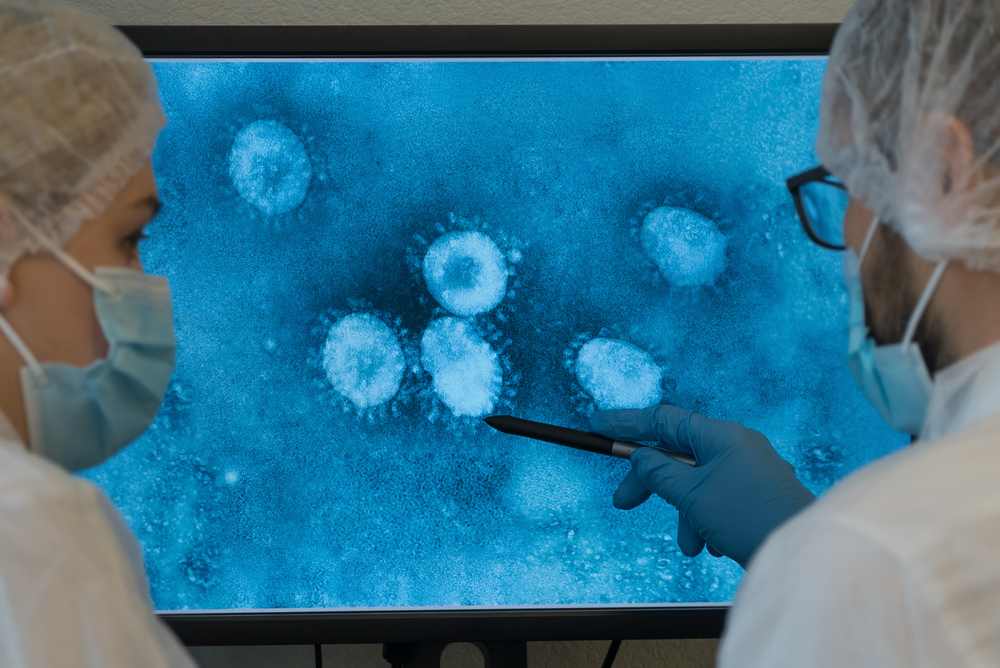
In this therapy, the virus delivers two genes into lung cells, one that codes for interleukin 2 and another that codes for interleukin 12. These proteins are already part of the body’s natural immune system. Interleukin 2 helps activate and expand immune cells such as T cells, which play a central role in identifying abnormal cells. Interleukin 12 supports immune signaling and strengthens the communication that allows immune defenses to recognize threats more effectively. By increasing production of these proteins directly within lung tissue, the therapy aims to reinforce immune activity where tumors are present.
Instead of introducing a drug that circulates widely through the body, this strategy focuses on adjusting immune signaling at the site of disease. The goal is to influence how lung tissue responds at a cellular level, creating conditions that may help the immune system remain engaged. This reflects a broader movement in oncology toward targeted and immune based treatments that aim for precision rather than broad chemical intervention.
When the Immune System Loses Its Edge
One of the reasons lung cancer can be difficult to control is that the immune system does not always stay fully active in the area where the tumor develops. Cancer cells can influence their surroundings in ways that reduce immune efficiency, limiting how well immune cells recognize and respond to abnormal growth. Over time, this creates an environment where immune defenses are present but less effective, which allows tumors to continue progressing.
Researchers have observed that “tumours often fight back and deplete interleukin-2 and interleukin-12, weakening the body’s ability to suppress their growth.” These signaling proteins are important for keeping immune cells activated and coordinated. Interleukin 2 supports the expansion of T cells, while interleukin 12 helps maintain communication within the immune response. When levels of these proteins drop, immune cells may struggle to maintain sustained activity against cancer cells, reducing the overall strength of the response.
This therapy is designed with that specific weakness in mind. Rather than focusing only on directly destroying tumor cells, it aims to restore production of these key immune signals inside lung tissue. By increasing their availability where they are needed most, the strategy seeks to improve the local immune conditions that influence tumor behavior. The underlying concept is that strengthening immune engagement within the lung environment may be just as important as targeting cancer cells themselves.
A Different Way to Receive Cancer Treatment
For many people, cancer treatment is associated with hospital stays, intravenous infusions, or invasive procedures. This investigational therapy takes a different route. Since 2024, Ma and his colleagues have been studying it in patients with advanced lung cancer who have exhausted other available options. At this stage of research, investigators are focused not only on whether the therapy shows biological activity, but also on whether it can be delivered safely and tolerated by individuals who may already be dealing with the physical strain of prior treatments.
The method of administration is central to this approach. As described, “a liquid containing the gene therapy is nebulised, meaning it is converted into a fine mist that people directly inhale into their lungs from a device.” By converting the therapy into an inhaled mist, researchers aim to deliver it directly to lung tissue through normal breathing. This reduces the need for the treatment to circulate through the entire body before reaching its target. It also builds on a delivery method that many patients are already familiar with from other respiratory therapies, which may make the process easier to integrate into clinical care.

Although inhalation may appear simpler than surgical or intravenous approaches, it still requires careful oversight. Dosing, safety monitoring, and follow up remain essential components of the trial process. The delivery system is not only a matter of convenience but part of the therapeutic design, shaping how the genetic material interacts with lung tissue. If larger studies confirm both benefit and safety, this approach could broaden how gene based treatments are administered in oncology.
Interpreting the First Human Data
When new therapies reach early human trials, the first question is simple: does the treatment show any measurable biological effect. In findings presented at an oncology meeting, Ma reported that the gene therapy reduced the size of lung tumours in three out of 11 people, and stopped them from growing any bigger in another five people. These results come from a small group, but they provide an initial look at how the therapy performs in patients with advanced lung cancer who had already exhausted other treatment options.
In early phase studies, researchers are not declaring cures. They are looking for signals that a therapy is doing what it was designed to do. Tumor shrinkage is one measurable outcome, while stabilization of tumor growth is another. For patients with limited alternatives, preventing further progression can be clinically meaningful, especially if it provides additional time to evaluate next steps in care. However, a group of 11 participants cannot determine how broadly the treatment will work or how durable the responses may be. Larger studies with extended follow up are required to understand consistency, long term benefit, and patient selection.
Safety is equally important at this stage. Some participants experienced side effects such as chills or vomiting, but no severe safety concerns were identified. Because this therapy influences immune signaling within lung tissue, careful monitoring is essential to detect potential immune related reactions over time. Early tolerability is encouraging, but only expanded trials can clarify the full safety profile and confirm whether the balance between benefit and risk remains acceptable as more patients receive the treatment.
Who Might Be Eligible for This Type of Treatment
As interest grows around new gene based therapies, it is important to understand that access is currently limited to carefully designed clinical trials. These studies follow strict eligibility criteria to protect patient safety and to ensure that researchers can accurately evaluate outcomes. Factors such as cancer stage, prior treatments, overall lung function, and general health status often determine whether someone qualifies. Advanced lung cancer patients who have already completed standard therapies are typically the focus in early phase trials like this one.

Participation in a clinical trial also involves structured monitoring. Patients may undergo regular imaging scans, blood tests, and follow up visits to assess both response and safety. This level of oversight is necessary because therapies that influence immune signaling can have effects that need close evaluation over time. Enrollment decisions are made collaboratively between patients and their oncology teams, weighing potential benefits against uncertainties.
For readers exploring emerging treatment options, the most practical step is a conversation with a treating physician. Oncologists can help identify active trials, explain eligibility requirements, and clarify what participation would involve. While this inhalable gene therapy is not yet part of routine care, understanding how clinical trials operate can help patients make informed decisions if similar innovations become available in the future.
Supporting Lung Health During Cancer Treatment
While new therapies are being studied, daily lung health still plays an important role in overall wellbeing. Patients undergoing cancer treatment often experience fatigue, shortness of breath, or reduced physical stamina. Maintaining as much lung function as possible can support quality of life and may help individuals better tolerate medical therapies. Simple strategies such as guided breathing exercises, light movement approved by a healthcare provider, and pulmonary rehabilitation programs can help maintain respiratory strength.
Nutrition and inflammation management are also relevant. A balanced diet that supports immune health, adequate hydration, and avoiding tobacco smoke or environmental pollutants can reduce additional strain on the lungs. Patients should discuss supplements or alternative therapies with their oncology team to prevent interactions with treatment. While supportive measures do not replace medical therapy, they can contribute to overall resilience during treatment.
Clear communication with healthcare providers is equally important. Reporting new symptoms early, attending scheduled follow ups, and asking about supportive care options can make a measurable difference in day to day comfort. Emerging treatments may shape the future of cancer care, but consistent attention to lung health and general wellness remains a practical and immediate way to support the body throughout the treatment journey.

Progress Worth Watching Closely
Inhalable gene therapy for lung cancer represents more than a technical milestone. It reflects a growing effort to work with the immune system in more precise and localized ways. Early results show measurable tumor responses in a small group of patients, and fast track status signals that regulators see potential. At the same time, this therapy remains in development, and larger trials will determine whether its benefits are consistent and durable enough to change standard care.
For readers following advancements in cancer treatment, the key is staying informed without jumping ahead of the evidence. Medical innovation moves forward through careful testing, transparent data, and patient participation in research. Developments like this are important to watch, not because they guarantee a breakthrough, but because they represent steady movement toward more targeted and individualized care.
Source:
- Gourd, E. (2026). FDA fast-tracks first inhalable gene therapy for lung cancer. The Lancet Oncology. https://doi.org/10.1016/s1470-2045(26)00083-5