
For many people, recovery from COVID was supposed to be a finish line. A negative test, a few weeks of rest, and life would return to normal. Yet for millions, normal never quite came back. The exhaustion lingered. Concentration slipped. Words disappeared mid sentence. Routine tasks felt heavier than they should. When medical tests returned within standard ranges, some were left questioning their own bodies. Was this stress. Was this burnout. Or was something quieter unfolding beneath the surface.

Now, researchers are beginning to uncover biological clues that may help explain why recovery has been so uneven. Recent studies have identified unusual microscopic structures in the blood of people living with Long COVID, findings that suggest measurable physical changes rather than vague aftereffects. The science is still developing, and caution is warranted. But the emerging evidence points toward something concrete and observable, inviting a deeper conversation about what prolonged post viral illness truly means and how it might eventually be treated.
The Clues Circulating Beneath the Surface
Recovery is often measured in milestones such as a negative test, the return of appetite, the first full night of sleep. Yet for many people living with Long COVID, those milestones arrived while something still felt off. Energy did not fully return. Mental clarity remained inconsistent. The body seemed functional, but not restored. To understand whether that experience reflected an underlying biological difference, researchers turned their attention to the bloodstream, where immune and vascular signals quietly record the aftermath of infection.
In a comparative study, scientists analyzed blood samples from 50 individuals with Long COVID and 38 healthy volunteers drawn from cohorts in France and South Africa. The inclusion of participants from two distinct populations strengthened the reliability of the results and reduced the likelihood that findings were limited to one clinical setting. Using imaging flow cytometry and fluorescence microscopy, techniques capable of detecting subtle structural features at the microscopic level, the team examined whether measurable differences existed between the groups.
Their focus centered on microclots, microscopic clot formations that can appear at low levels in healthy individuals but may become problematic when increased in number or size. The results were significant. Participants with Long COVID showed a 19.7 fold increase on the median in microclots compared with healthy controls, and those clots were larger. Because microclots affect capillaries, the smallest blood vessels responsible for oxygen and nutrient exchange, even widespread microscopic obstruction can influence tissue level function.

The study does not claim that microclots alone explain every symptom. What it does demonstrate is a consistent physiological distinction between those with persistent symptoms and those without. In a condition frequently described as difficult to measure, that distinction introduces observable biology into the discussion and provides a clearer direction for ongoing research.
When the Immune System’s Defense Lingers Too Long
Blood does more than transport oxygen and nutrients. It also carries evidence of how the immune system has responded to threat. In the case of Long COVID, researchers found that the story unfolding in the bloodstream extended beyond microclots. They identified elevated levels of neutrophil extracellular traps, commonly known as NETs, which are webs of DNA and enzymes released by neutrophils, a type of white blood cell. NETs serve a legitimate purpose in the body. They are part of the immune system’s frontline defense, designed to trap and neutralize invading pathogens before they can spread.
Under healthy conditions, NETs are tightly regulated. They are deployed when needed and dismantled once their job is done. Problems arise when this process becomes prolonged or excessive. Persisting NETs can contribute to inflammation and influence clot formation, creating a more reactive vascular environment. What stood out in this research was not merely that NET levels were elevated, but that these DNA webs appeared physically embedded within the microclots observed in Long COVID patients. While some interaction between NETs and clotting is biologically expected because the sticky structure of NETs can promote clot formation, the degree of association was significantly more pronounced in those experiencing prolonged symptoms.
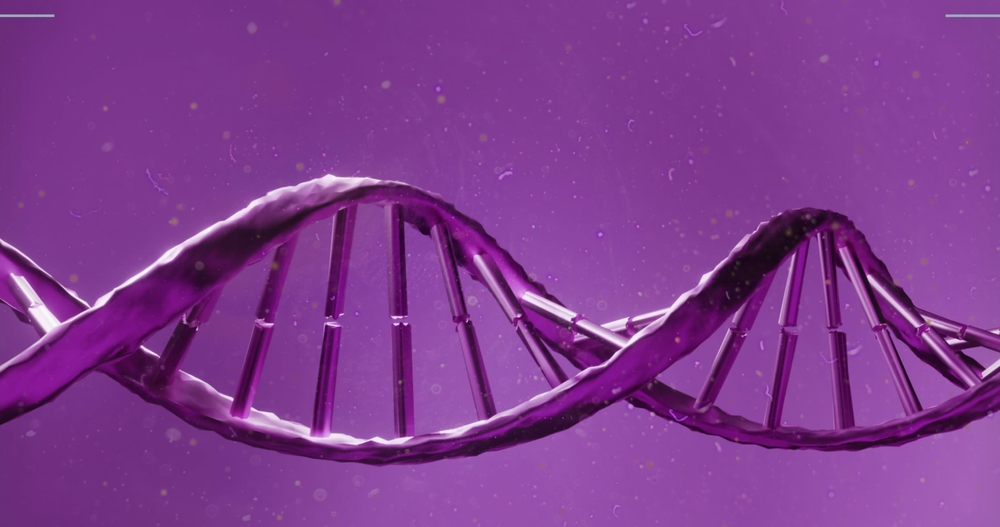
Geneticist Alain Thierry, who led the study, described the implication clearly in the published paper: “This finding suggests the existence of underlying physiological interactions between microclots and NETs that, when dysregulated, may become pathogenic.” The language is careful but important. It points to a system that may have shifted from short term protection to longer term imbalance. When immune mechanisms designed to defend the body remain active beyond their intended window, the boundary between healing and harm can become blurred, offering a plausible biological pathway for symptoms that persist well beyond the initial infection.
When the Body Struggles to Reset
Clotting is one of the body’s most carefully regulated survival mechanisms. When a blood vessel is injured, fibrinogen is converted into fibrin, forming a mesh that seals the breach and prevents excessive bleeding. Once the threat has passed, the body initiates fibrinolysis, a coordinated enzymatic process that dissolves the clot and restores normal circulation. In healthy conditions, this cycle of formation and removal is precise and temporary. The concern raised in Long COVID research is not simply that microclots appear more often, but that their internal structure may alter how efficiently this cleanup process occurs.
Investigations led by Dr. Etheresia Pretorius’s group suggest that the fibrin present in these microclots may adopt an amyloid form, a misfolded protein configuration known for its rigidity and resistance to breakdown. Amyloid structures are characterized by tightly folded protein arrangements that are less responsive to the enzymes typically responsible for dissolving clots. If fibrin assumes this architecture, the clot becomes structurally more stubborn. Evidence also indicates that components of SARS CoV 2 can interact directly with fibrinogen and fibrin, promoting amyloid like formations and delaying plasmin action, which plays a central role in fibrinolysis. Additionally, these microclots have been reported to trap alpha 2 antiplasmin, a natural inhibitor of clot degradation, further slowing the process of clearance.
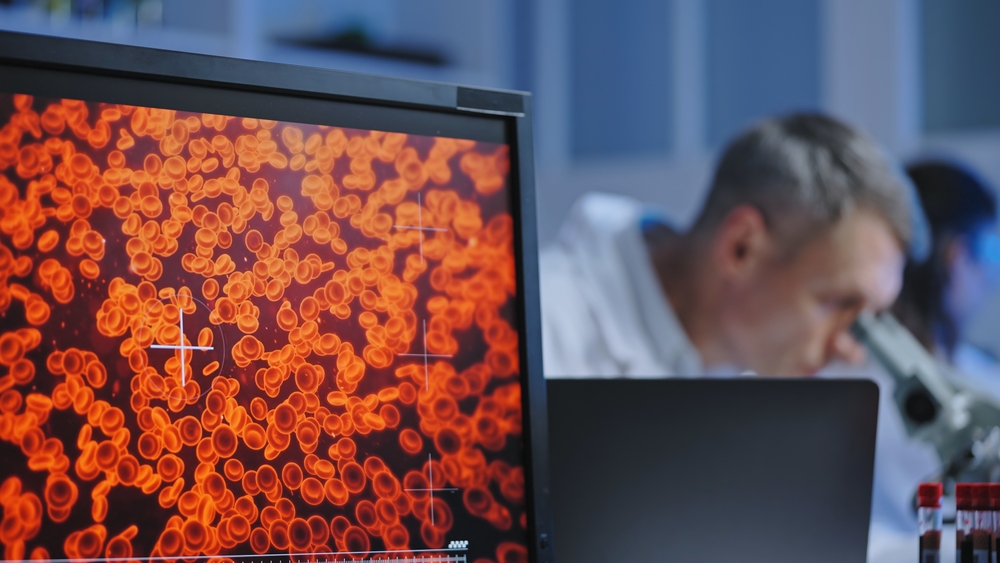
Taken together, these mechanisms suggest a multi layered resistance to breakdown, combining altered protein structure with interference in the enzymatic pathways designed to restore normal blood flow. The body may still remove these clots over time, but at a significantly slower pace than it would with typical fibrin clots. Such persistence offers a biologically plausible explanation for why symptoms might endure long after the initial viral infection has subsided, reflecting a system that has not yet fully returned to equilibrium.
Turning Patterns Into Proof
One of the enduring challenges of Long COVID has been the absence of a clear diagnostic marker. Symptoms are real and often debilitating, yet standard laboratory panels do not always provide definitive confirmation. In this study, researchers moved beyond simply describing biological differences and asked a practical question: could these blood patterns reliably distinguish people living with Long COVID from those who are healthy. To test that possibility, they anonymized the samples and applied an artificial intelligence system trained to analyze the microclot and NET related features without knowing which group each sample belonged to.
The results were striking. The system identified Long COVID patients with 91 percent accuracy, suggesting that the observed thromboinflammatory characteristics form a recognizable biological signature rather than random variation. For a condition frequently defined by exclusion and self reported symptoms, this level of classification introduces the possibility of a biomarker based diagnostic approach rooted in measurable physiology. The study authors summarized the significance directly, writing, “This study shows a robust association between biomarkers indicative of thromboinflammatory activity and long COVID.” They further noted, “The discovery of these biomarker linkages not only presents a possible novel diagnostic methodology but also novel therapeutic targets, offering prospects for future markedly improved clinical management.”

If these findings are replicated across larger and more diverse populations, the implications extend beyond diagnosis alone. A validated biomarker framework could help standardize clinical evaluation, guide patient stratification in research trials, and accelerate the development of targeted therapies, moving Long COVID toward a more objective and structured medical pathway.
Why Careful Science Matters Right Now
As interest in microclots and immune dysregulation grows, so does the risk of oversimplification. When emerging research offers a plausible biological explanation for persistent symptoms, it can quickly be interpreted as a confirmed cause or an immediate treatment pathway. Yet responsible reporting requires a distinction between promising evidence and settled science. The current findings establish measurable associations, but they do not yet define a single mechanism that explains every case of Long COVID, nor do they guarantee that targeting these pathways will resolve symptoms uniformly across patients.
Large scale replication remains essential. Studies must confirm whether these blood patterns hold across different age groups, levels of illness severity, vaccination status, and time since infection. Randomized controlled trials are also needed before clot targeting strategies can be widely recommended, particularly because anticoagulant and antiplatelet therapies carry known bleeding risks and require careful monitoring. Scientific progress depends not only on discovery but on validation, and validation requires patience.
This moment therefore calls for balance. The findings are meaningful because they introduce measurable biology into a condition that has often lacked it. At the same time, measured optimism protects patients from premature conclusions and unsupported interventions. In complex post viral conditions, clarity emerges through disciplined accumulation of evidence rather than rapid certainty, and that steady approach ultimately serves both science and those living with the illness.
Supporting Your Body While Research Continues
As research advances, foundational health practices remain the safest and most reliable way to support recovery. These strategies are not cures, but they align with established evidence on inflammation, circulation, and immune balance.

- Engage in Gentle, Physician Approved Movement
Light activity such as walking or stretching can support circulation and vascular health. For those experiencing post exertional symptom flare ups, pacing and structured rest are essential to avoid setbacks. - Adopt an Anti Inflammatory Eating Pattern
Whole foods rich in fiber, vegetables, fruits, and omega three fatty acids are associated with healthier inflammatory profiles. Stabilizing blood sugar and supporting metabolic health can reduce additional physiological strain. - Protect Sleep Quality
Consistent sleep supports immune regulation and inflammatory balance. Prioritizing regular sleep timing and minimizing nighttime disruptions reinforces recovery systems. - Maintain Hydration
Adequate fluid intake supports circulatory stability and may help individuals experiencing dizziness or orthostatic symptoms. - Consult Healthcare Professionals Before Medical Interventions
Proposed therapies targeting clotting pathways carry real risks and require medical supervision. Self directed treatment is not recommended.
These measures strengthen core biological systems while science continues to clarify more targeted treatment options.
When the Invisible Becomes Evidence
For years, many people living with Long COVID have navigated a landscape filled with uncertainty, where symptoms were undeniable but measurable explanations were limited. What this emerging research offers is not a final verdict, but something equally powerful: evidence that the body may carry a traceable imprint of prolonged illness. Microclots, immune activity, and thromboinflammatory patterns introduce biological structure to experiences that were often dismissed as vague or psychological. In doing so, the conversation shifts from disbelief to investigation, from ambiguity to measurable inquiry.

That shift matters. It reminds us that medicine evolves by refining what it can see and measure, and that today’s unanswered question can become tomorrow’s clinical framework. Long COVID remains complex and multifaceted, but the growing body of research signals that persistent symptoms deserve rigorous attention rather than quiet skepticism. When the invisible begins to take form under the lens of careful science, it does more than advance knowledge. It restores legitimacy to lived experience and moves the path toward understanding forward with clarity and purpose.
Source:
- Thierry, A. R., Usher, T., Sanchez, C., Turner, S., Venter, C., Pastor, B., Waters, M., Thompson, A., Mirandola, A., Pisareva, E., Prevostel, C., Laubscher, G. J., Kell, D. B., & Pretorius, E. (2025). Circulating microclots are structurally associated with neutrophil extracellular traps and their amounts are elevated in long COVID patients. Journal of Medical Virology, 97(10), e70613. https://doi.org/10.1002/jmv.70613

pHqghUme
Thursday 17th of September 2026
1