
Two-thirds of the world carries the herpes simplex virus type 1. Most people know it as the source of painful cold sores around the mouth. Few would imagine it could save lives.
Scientists at Keck Medicine of USC took HSV-1, stripped away its ability to cause disease, and transformed it into a weapon against advanced melanoma. When injected into tumors alongside an immunotherapy drug, this reengineered virus destroyed cancer that refused to respond to any other treatment.
Results from the IGNYTE clinical trial show something medicine has struggled to achieve: helping patients whose cancer keeps growing despite every available therapy. One in three participants saw their tumors shrink by at least 30 percent. Nearly one in six watched their tumors vanish completely.
Doctors injected the modified virus directly into some tumors. Yet cancer throughout patients’ bodies began dying, including tumors never touched by the needle. Melanoma hiding in lungs, livers, and lymph nodes shrank just as much as surface lesions that received direct injection.
RP1: Herpes Reengineered to Hunt Tumors, Not Cause Blisters
RP1 represents a new class of cancer drugs called oncolytic viruses. Scientists built it from a fresh clinical strain of HSV-1 selected for enhanced ability to kill human tumor cells. Genetic engineers deleted specific genes so RP1 cannot cause cold sores or herpes infections in patients.
Engineers added two important modifications. RP1 now produces granulocyte-macrophage colony-stimulating factor, which rallies immune cells to attack cancer. It also expresses a fusogenic protein from the gibbon ape leukemia virus that causes infected cancer cells to merge before dying.
When cancer cells fuse and burst, they release a flood of antigens that alert the immune system. White blood cells recognize these danger signals and begin hunting for similar cancer cells anywhere in the body.
HSV-1 evolved to invade human cells with ruthless efficiency. RP1 harnesses that invasion skill but redirects it exclusively toward cancer. Healthy cells remain untouched because the genetic modifications prevent RP1 from replicating in normal tissue.
When Standard Cancer Treatments Stop Working
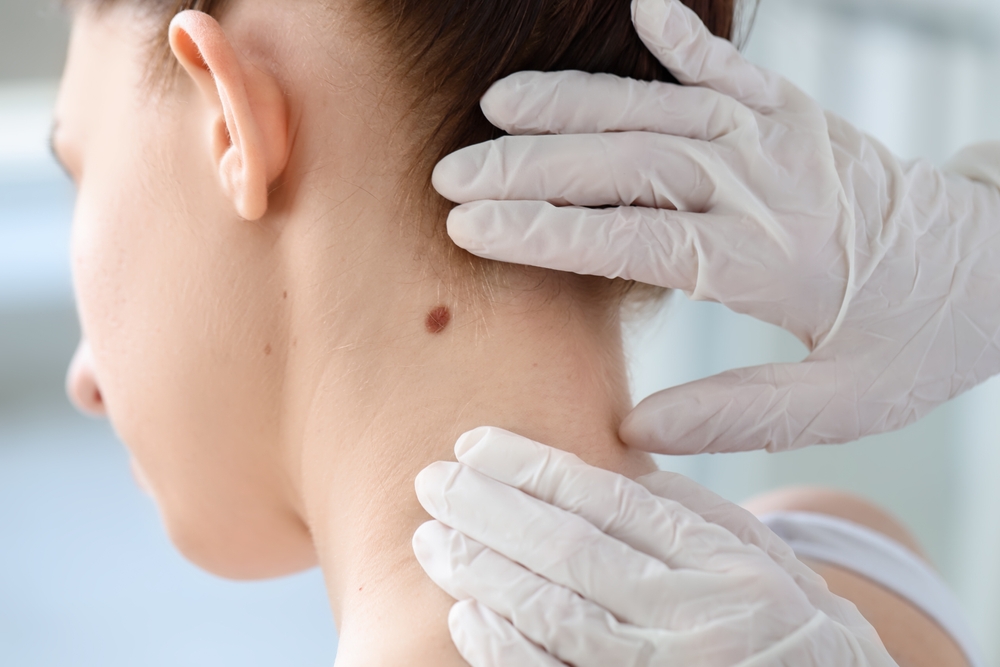
Melanoma ranks as the fifth most common cancer in adults. Immunotherapy revolutionized treatment over the past decade, using the body’s own immune system to fight malignant cells. Drugs called checkpoint inhibitors remove the brakes that cancer places on immune responses.
Anti-PD-1 therapy is effective for many patients initially. Cancer shrinks, blood markers improve, and people return to normal activities. Success can last for years.
But resistance develops. Between 30 and 50 percent of melanoma patients never respond to anti-PD-1 therapy at all. Another 25 percent respond at first, then watch helplessly as cancer starts growing again. Once melanoma learns to evade immunotherapy, it spreads through the body with few obstacles.
“These findings are very encouraging because melanoma is the fifth most common cancer for adults, and about half of all advanced melanoma cases cannot be managed with currently available immunotherapy treatments,” said Dr. Gino Kim In, a medical oncologist with Keck Medicine.
Median survival for untreatable advanced melanoma hovers around one year in real-world clinical practice. Available options carry severe side effects without guaranteeing benefit. Lifileucel, the only FDA-approved therapy after anti-PD-1 failure, causes grade 3 or 4 adverse events in nearly all patients and carries a 7.5 percent treatment-related mortality rate.
Injecting Modified Virus Directly Into Tumors

IGNYTE enrolled 140 patients whose advanced melanoma had confirmed progression despite at least eight weeks of anti-PD-1 treatment. Nearly half had stage IVM1b/c/d disease, meaning cancer had spread to distant organs. Two-thirds showed primary resistance, never responding to immunotherapy in the first place.
Patients needed at least one tumor measuring one centimeter or larger that doctors could inject with RP1. Some tumors sat on or just below the skin surface. Others hid deep in organs like lungs, livers, and lymph nodes.
Doctors administered an initial dose of RP1 at a concentration of 1 million plaque-forming units per milliliter. Two weeks later, patients received a higher concentration of 10 million plaque-forming units along with their first dose of nivolumab. Treatment continued every two weeks for up to eight cycles.
Researchers injected RP1 into multiple lesions per patient, up to a maximum volume of 10 milliliters per session. Different tumors could be targeted on different treatment days. Doctors used imaging guidance to reach deeper lesions while injecting superficial tumors directly.
Patients who responded to the combination therapy switched to nivolumab alone after eight cycles, receiving it every four weeks for up to two years.
One-Third Saw Major Tumor Shrinkage
After a median follow-up of 15.5 months, the confirmed objective response rate reached 32.9 percent by standard RECIST 1.1 criteria. Complete response rate hit 15 percent, with 21 patients experiencing total tumor disappearance.
Median duration of response stretched to 33.7 months. Among patients who responded, 69.5 percent maintained their responses for at least one year. Some responses continue today with no signs of cancer returning.
Median time to response was 4.5 months, meaning patients often waited several treatment cycles before seeing results. Doctors had to resist declaring treatment failure too soon.
Survival outcomes exceeded expectations for this patient population. One-year overall survival reached 75.3 percent. Two-year survival hit 63.3 percent. Median overall survival was not reached, meaning more than half of all patients remained alive at the end of data collection.
Responses occurred across subgroups regardless of prior treatments. Patients who had received both anti-PD-1 and anti-CTLA-4 therapy showed a 26.2 percent response rate. Those with primary resistance to immunotherapy responded 34.8 percent of the time. Even patients with PD-L1-negative tumors, typically associated with poor immunotherapy outcomes, achieved a 24.1 percent response rate.
Cancer Cells Exploding Throughout the Body, Not Just Where Injected
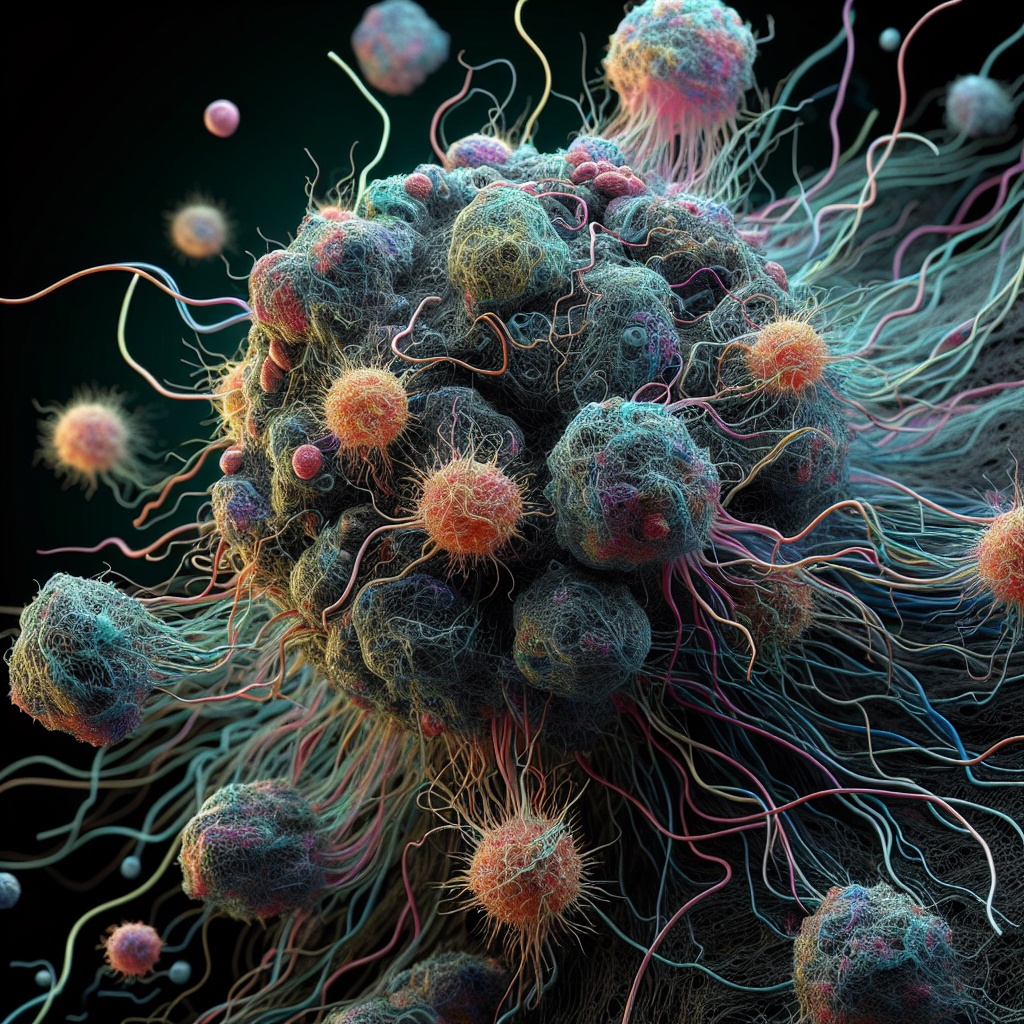
Researchers measured both injected and non-injected tumors throughout treatment. Among responding patients, 93.6 percent of injected lesions shrank by at least 30 percent. No surprise there.
But 79 percent of non-injected lesions also shrank by 30 percent or more. Cancer hiding in organs doctors never touched with needles died at similar rates to directly injected tumors.
Among 52 non-injected visceral tumors in responding patients, 96.2 percent showed some reduction from baseline. Nearly two-thirds shrank by 30 percent or more. Lung metastases, liver lesions, and lymph node tumors all responded despite never receiving direct RP1 injection.
Response rates remained similar whether doctors injected only superficial tumors (29.8 percent), only deep tumors (40.9 percent), or both types (42.9 percent). Location and injection method made little difference to outcomes.
“The survival rate of untreatable advanced melanoma is only a few years, so this new therapy offers hope to patients who may have run out of options to fight the cancer,” In said.
How Oncolytic Viruses Work
Viruses evolved one purpose: to invade cells and replicate. RP1 maintains that core function but targets exclusively cancer cells because of its genetic modifications.
After injection into a tumor, RP1 enters cancer cells and begins copying itself. Each infected cell produces thousands of new viral particles. Infected cells also start fusing with neighboring cancer cells because the gibbon ape leukemia virus protein RP1 carries.
Fusion creates giant multicellular masses that cannot survive. When these fused cells die, they rupture and spill their contents into the surrounding tissue. Dying cancer cells release tumor antigens, danger signals, and inflammatory molecules.
Immune cells patrolling nearby tissue detect these danger signals and converge on the dying tumor. Dendritic cells collect tumor antigens and carry them to lymph nodes, where they train T cells to recognize cancer. CD8+ T cells multiply and enter the bloodstream, searching for any cells displaying cancer antigens.
Because tumor antigens from the injected lesion match those on distant metastases, trained T cells can find and destroy cancer anywhere in the body. One injection educates the entire immune system about what cancer looks like.
Nivolumab’s Role: Teaching the Immune System to Join the Fight
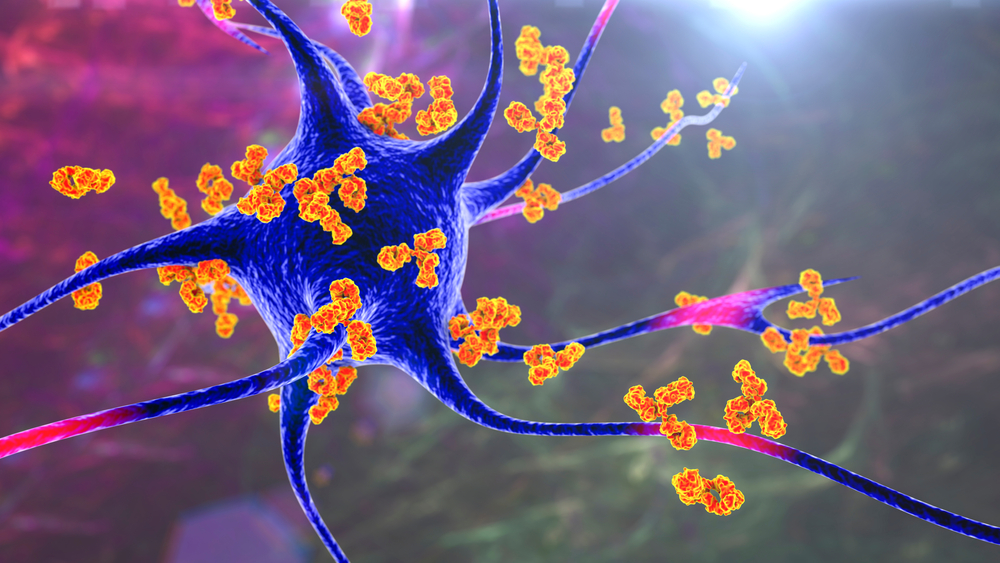
Cancer cells express PD-L1 proteins on their surfaces. When these proteins bind to PD-1 receptors on T cells, they send a “don’t attack me” signal that prevents immune destruction. Melanoma exploits this pathway to survive despite abnormal growth.
Nivolumab blocks PD-1 receptors on T cells, preventing cancer’s “don’t attack” signal from getting through. With brakes removed, T cells activated by RP1 can attack cancer more aggressively.
Combining RP1 with nivolumab creates synergy. RP1 generates tumor-specific immune responses, flooding the body with activated T cells primed to recognize melanoma. Nivolumab ensures those T cells can actually kill cancer when they find it.
Biomarker analysis confirmed broad immune activation in responding patients. CD8+ T cell infiltration increased in 47.4 percent of tumor samples. PD-L1 expression rose in 57.4 percent of samples, suggesting tumors tried to fight back, but nivolumab blocked their defense.
Gene expression analysis revealed 313 genes upregulated in responding patients compared to just five genes in non-responders. Upregulated genes included those for T cell function, B cell activity, natural killer cells, and cytokine signaling. An antiviral-type immune signature emerged among responders, absent in those whose cancer kept growing.
How RP1 Stacks Up Against Current Options for Treatment-Resistant Melanoma
When melanoma progresses on anti-PD-1 therapy, choices narrow fast. Continuing anti-PD-1 monotherapy yields responses in only 6 to 7 percent of patients. Switching to combination anti-PD-1 plus anti-CTLA-4 therapy works better but causes severe toxicity in 57 percent of patients.
Lifileucel became the first FDA-approved therapy specifically for melanoma after anti-PD-1 failure in 2024. Response rate reached 31.4 percent, similar to RP1 plus nivolumab’s 32.9 percent. But lifileucel caused grade 3 or 4 adverse events in nearly every patient and killed 7.5 percent of recipients.
BRAF/MEK inhibitors work only for 50 percent of melanoma patients with BRAF mutations. Responses often fade quickly, and combination therapy causes grade 3 or higher adverse events in up to 60 percent of patients.
RP1 plus nivolumab delivered comparable efficacy with far better tolerability. Safety profile overlapped with nivolumab monotherapy, showing no additive toxicity from combining treatments.
FDA Fast-Track Review and What Comes Next
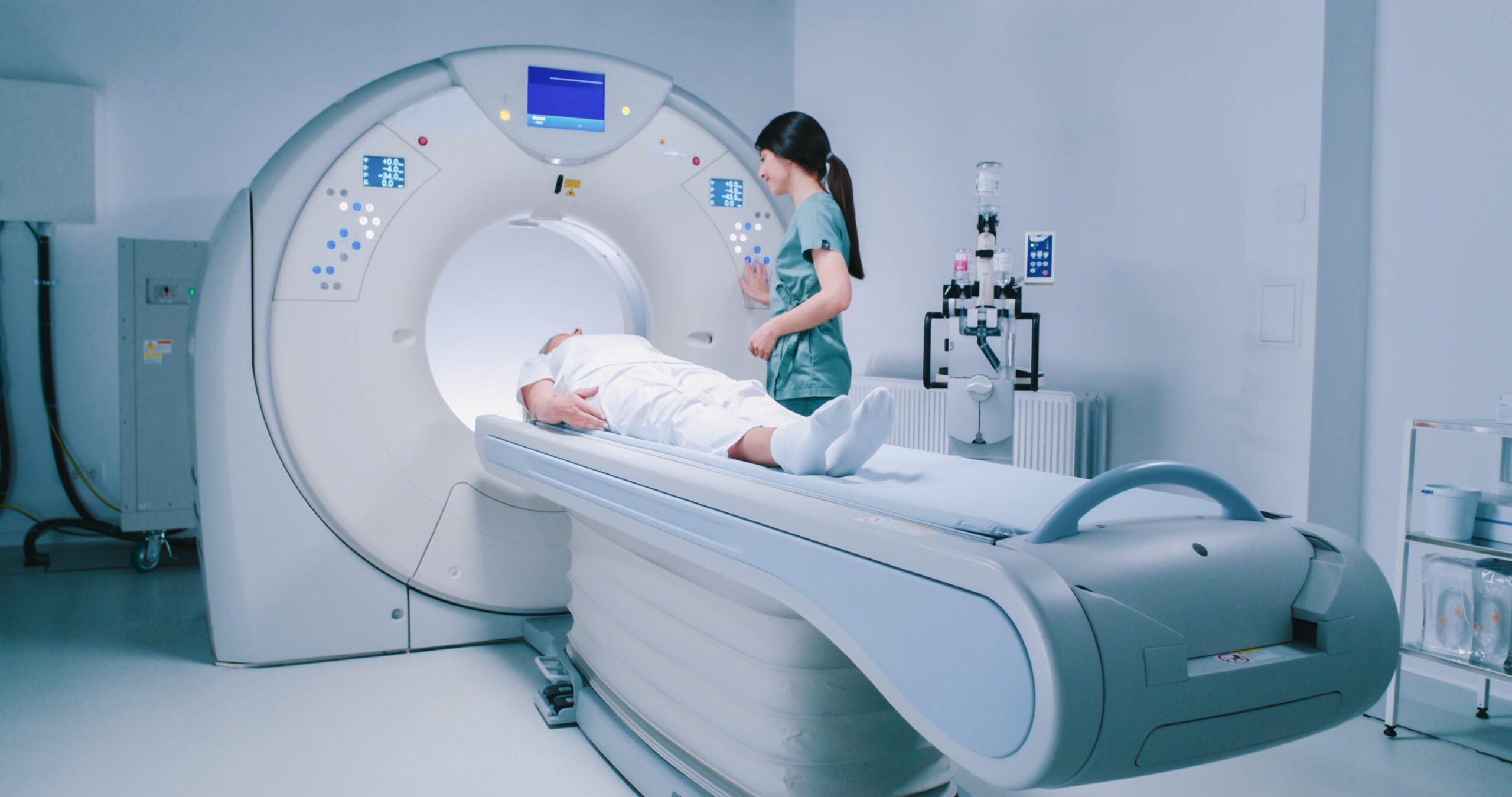
In January 2025, the FDA granted priority review to RP1 combined with nivolumab for advanced melanoma patients whose cancer progressed on anti-PD-1 therapy. Priority review shortens evaluation time from standard 10 months to just six months.
FDA set a target action date of July 22, 2025, for deciding whether to approve RP1 plus nivolumab. If approved, treatment could reach eligible patients within months.
IGNYTE-3, a phase 3 confirmatory trial, already began enrolling patients globally. More than 400 participants will receive either RP1 plus nivolumab or the physician’s choice of standard treatment in a randomized comparison.
“I believe that oncolytic viruses will open up an important new approach to fighting cancer in some patients in the near future,” In said.
Phase 3 results should arrive within two to three years, confirming whether IGNYTE findings hold up in a larger, more diverse population with direct head-to-head comparison against standard care.
Who Qualifies and How Patients Can Access This Treatment
Current trial enrollment requires confirmed melanoma progression while on anti-PD-1 therapy for at least eight weeks. Patients need at least one injectable tumor measuring one centimeter or larger.
Exclusion criteria include prior oncolytic virus therapy, current antiviral medication, or a history of serious complications from immunotherapy.
Keck Medicine continues enrolling patients in the phase 3 trial. Interested patients can contact Sandy Tran at [email protected] for screening and enrollment information.
Outside clinical trials, RP1 remains investigational. No patient can receive treatment unless the FDA grants approval or they enroll in an authorized study.
Replimune Group, Inc., manufactures RP1 and sponsors IGNYTE trials. If approved, insurance coverage and pricing details will emerge based on FDA labeling and negotiations with payers.
For now, patients with treatment-resistant melanoma watch and wait, hoping July 2025 brings good news. Meanwhile, researchers continue developing oncolytic viruses for breast, pancreatic, and brain cancers. HSV-1 may be just the beginning of viral cancer therapy.



Brad Stamm
Saturday 11th of October 2025
Where to Buy Adderall Online