
It sounds almost too simple to be true: a common, inexpensive fiber supplement that may help improve memory in older adults within a matter of months. Yet, a growing body of research is beginning to explore exactly that possibility.
For years, scientists have examined the intricate relationship between the gut and the brain, two systems once thought to operate largely independently. Today, that assumption has shifted dramatically. The so-called gut-brain axis is now understood as a complex, bidirectional communication network that may influence everything from mood to memory.

A recent study from King’s College London adds a compelling piece to this puzzle. It suggests that nourishing beneficial gut bacteria with specific types of fiber could support cognitive function in later life. While the findings are still emerging, they offer a meaningful glimpse into how everyday dietary choices might shape brain health.
The Gut-Brain Axis: A Communication Network We’re Only Beginning to Understand
The human digestive system hosts trillions of microorganisms collectively known as the gut microbiome. These microbes are not passive residents; they actively participate in digestion, immune regulation, and metabolic processes. What has become increasingly clear over the past decade is that their role extends beyond the gut itself, shaping how the brain develops, adapts, and responds to internal and external stressors.
Evidence for this connection has emerged from both human and animal research. Studies involving germ-free animals, which are raised without gut bacteria, show notable differences in stress responses, behavior, and even brain structure compared to those with a normal microbiome. When specific microbes are introduced, some of these changes can be reversed, suggesting a direct biological influence rather than a simple association. Human research has also found correlations between gut microbial patterns and conditions such as anxiety, depression, and cognitive decline, pointing to a broader regulatory role that extends into mental and neurological health. A review in Nature Reviews Gastroenterology & Hepatology notes that the gut microbiota plays a “key role in modulating brain development, function, and behavior.”
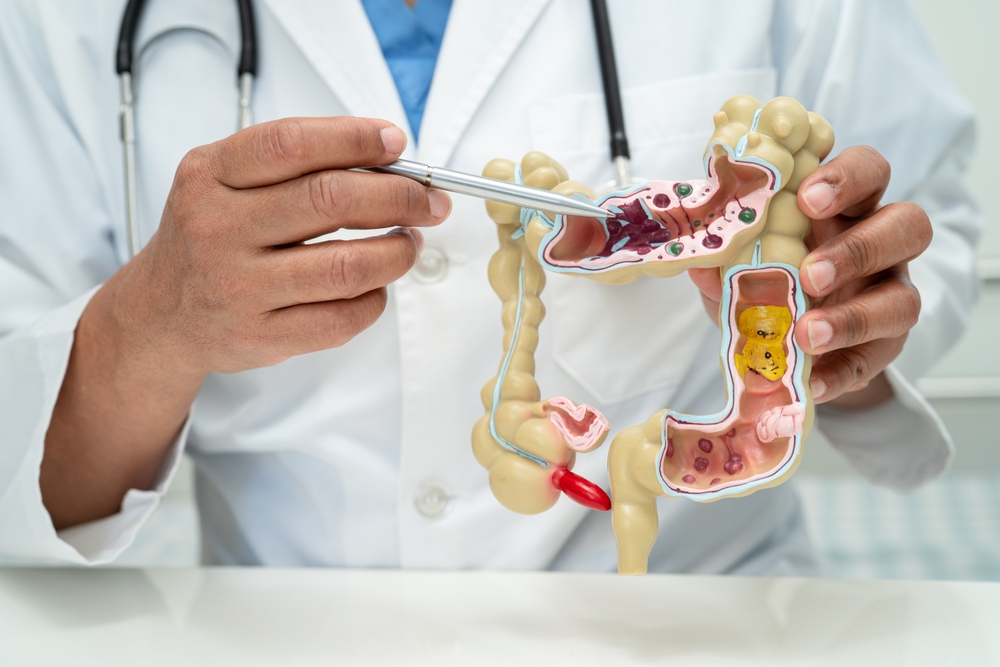
More recent clinical and neuroimaging studies suggest that this connection is not only biochemical but also functional. Variations in gut microbiota composition have been linked to differences in brain activity in regions involved in emotion, memory, and decision making. For instance, research published in Translational Psychiatry found associations between microbial profiles and neural responses to emotional stimuli. These findings indicate that the gut-brain relationship may influence how the brain processes information in real time, not just long-term health outcomes. Taken together, this body of work frames the gut microbiome as an active participant in cognitive and emotional regulation, setting the stage for interventions that aim to support brain function through targeted dietary strategies.
Inside the Study: Why Researchers Focused on Prebiotic Fibers
To examine whether targeted dietary inputs could influence cognitive outcomes, researchers at King’s College London designed a controlled intervention centered on older adults, a population in which subtle cognitive changes can begin to emerge even in otherwise healthy individuals. The study drew on a twin cohort, a methodological choice that strengthens reliability by helping control for genetic and early environmental factors. By comparing responses within twin pairs, researchers were better positioned to isolate the effects of the intervention itself rather than underlying biological differences. This design is often used in aging research to improve precision when sample sizes are modest.
The decision to focus specifically on inulin and fructooligosaccharides was grounded in prior clinical evidence showing that these fibers consistently and selectively stimulate beneficial bacterial activity without requiring major dietary changes. Unlike broader dietary interventions, which can be difficult to standardize across participants, purified prebiotic compounds allow for controlled dosing and clearer attribution of outcomes. Their stability, accessibility, and established safety profile also make them practical candidates for long-term use in aging populations. A systematic review in Nutrients highlights that prebiotic supplementation can reliably alter gut microbial composition in humans under controlled conditions.
Importantly, the study emphasized feasibility as much as biological effect. Participants were able to incorporate the supplement into their daily routines with minimal disruption, and adherence remained high throughout the twelve-week period. This aspect is critical in real-world applications, where even effective interventions can fail if they are difficult to maintain. By demonstrating that a simple, low-burden approach could be sustained over time, the researchers addressed a practical barrier that often limits the translation of clinical findings into everyday health strategies.
Memory Performance and the Biological Pathway Behind It
The most compelling outcome emerged in cognitive testing, where participants who consumed the prebiotic supplements showed stronger performance on memory assessments, particularly the Paired Associates Learning test. This task evaluates the ability to form new associations, such as linking objects to locations or names to faces, a function that is often affected early in Alzheimer’s disease. Findings from related clinical research further support these observations, including this indexed study on PubMed, which examines how modulation of the gut microbiota may influence cognitive outcomes. In parallel, King’s College London reported that “daily fibre supplement improves older brain in 12 weeks,” highlighting measurable improvements in memory-related tasks during the trial.

These improvements align with known biological processes that link gut activity to brain function. When gut bacteria ferment prebiotic fibers, they produce short chain fatty acids that can influence multiple systems involved in cognition. These compounds are associated with reduced inflammation, improved integrity of the blood brain barrier, and modulation of neurotransmitter activity, all of which are relevant to learning and memory. A review in Frontiers in Aging Neuroscience notes that these microbial metabolites may contribute to neuroprotection and cognitive function. While the study does not establish long term outcomes, it offers a biologically plausible explanation for how targeted dietary inputs could support memory related functions, particularly in the context of aging where these pathways may gradually become less efficient.
Aging, Individual Variation, and What Comes Next
As people age, both neurological function and microbial composition shift in ways that may subtly reinforce each other. Declines in microbial diversity and increased inflammatory activity have been observed alongside gradual changes in memory and learning capacity, prompting researchers to consider whether maintaining microbial balance could help support cognitive resilience. Prebiotic fibers are of particular interest in this context because they are accessible, relatively low-cost, and already widely used in dietary interventions. At the same time, individual variability remains a central consideration. Differences in diet, medication use, genetics, and lifestyle mean that responses to supplementation are unlikely to be uniform across populations, which limits the ability to generalize findings without further study.

Researchers emphasize that these early results should be interpreted as a starting point rather than a conclusion. Current priorities include expanding study populations, refining dosage strategies, and determining whether observed changes in controlled testing environments translate into meaningful differences in daily life. There is also growing interest in identifying which microbial metabolites are most strongly associated with cognitive outcomes, as well as how dietary approaches interact with other factors such as sleep quality, physical activity, and cognitive engagement. A review in Nature Aging highlights the importance of integrating lifestyle and biological data to better understand aging trajectories. Together, these directions reflect a broader shift toward precision approaches in aging research, where interventions are tailored not only to populations but to individual biological profiles.
Practical Takeaways for Everyday Life
For those interested in supporting both gut and brain health, current evidence suggests focusing on a set of consistent, evidence-informed habits that work together over time rather than relying on a single intervention.
- Fiber-rich foods: Regularly consuming foods such as onions, garlic, bananas, legumes, and whole grains helps provide natural prebiotic compounds that nourish beneficial gut bacteria. These foods also deliver additional nutrients like vitamins, minerals, and polyphenols that contribute to overall metabolic and cognitive health, making them a more comprehensive option than isolated supplements alone.
- Diverse diets: A varied diet supports a wider range of microbial species, which is associated with greater resilience in the gut ecosystem. Research consistently shows that dietary diversity, particularly from plant-based sources, is linked to a more stable microbiome that can better adapt to stressors and support long-term physiological balance.
- Consistent habits: The microbiome responds to long-term patterns rather than short bursts of change. Maintaining regular eating habits, balanced nutrition, and stable routines allows beneficial bacteria to establish and persist, which may be more impactful than temporary dietary shifts.
- Medical guidance: Individual responses to dietary changes and supplements can vary significantly depending on health status, medications, and existing conditions. Consulting a healthcare professional ensures that any new intervention is appropriate, particularly for older adults or those managing chronic conditions, and helps integrate dietary strategies into a broader, personalized approach to health.

Rethinking the Way We Care for the Brain
The connection between the gut and the brain is no longer a fringe concept; it is an evolving area of scientific inquiry with real-world implications.
This study adds to a growing body of evidence suggesting that the health of our microbiome may influence how we think, learn, and remember as we age.
At the same time, it serves as a reminder that science progresses incrementally. Early findings invite curiosity, not certainty.
Perhaps the most meaningful takeaway is this: caring for the brain may not begin in the mind alone, but in the everyday choices we make, on our plates, in our routines, and in how we understand the systems within us that are more connected than we ever imagined.