Imagine blowing a failing number on a breathalyzer after a lunch of pasta and fruit juice. For a rare group of people, this is not a nightmare or a desperate excuse, but a biological reality. While it sounds like an urban legend, medical literature has long documented cases of individuals becoming severely intoxicated without consuming a single drop of alcohol.
This condition challenges our fundamental understanding of metabolism and sobriety, revealing that for some, the brewery isn’t a place you visit but something you carry inside you.
How Can Bacteria Brew Alcohol Within Us
A 27-year-old man in China presented to doctors with severe liver inflammation and a baffling history of becoming intoxicated without touching a drop of alcohol. To reach his recorded blood alcohol level of 400 milligrams per decilitre, an average person would need to consume roughly a dozen shots of hard liquor. Yet, this patient achieved that state simply by consuming fruit juice and carbohydrates. His case serves as a stark example of auto-brewery syndrome (ABS), a rare condition where the digestive system effectively functions as a biological distillery.
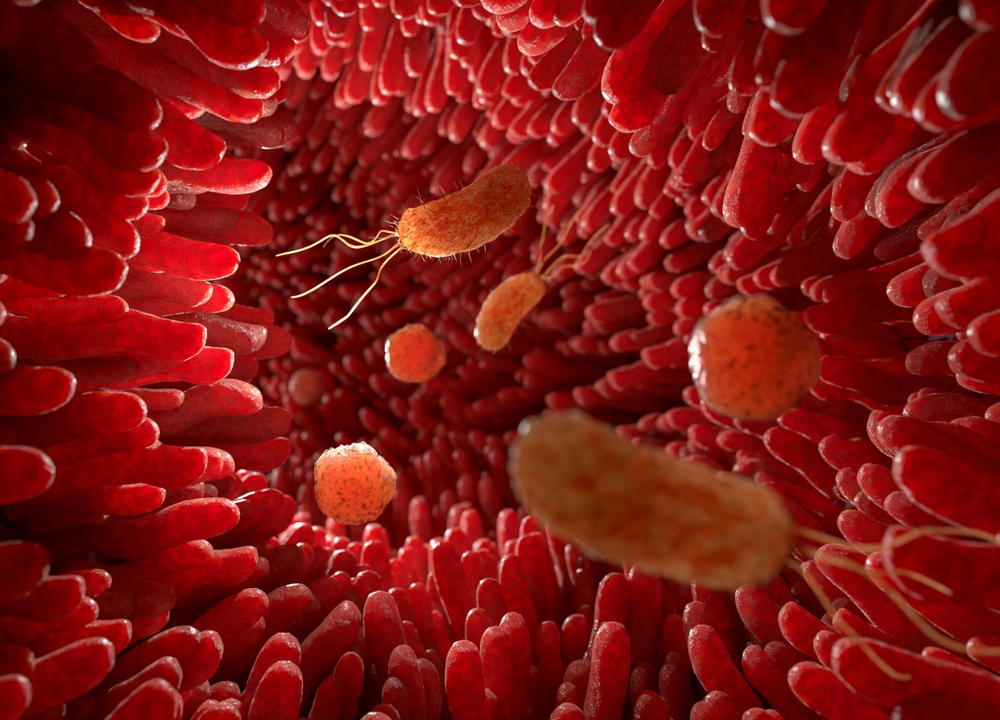
In patients with ABS, specific gut microbes ferment carbohydrates from food into significant amounts of ethanol. While healthy digestion produces negligible amounts of alcohol that the body easily metabolizes, these individuals generate enough to cause severe drunkenness and potential liver damage.
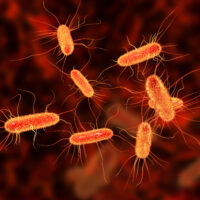
For decades, the medical community attributed this phenomenon primarily to Saccharomyces cerevisiae, or brewer’s yeast. However, the case of the young man in China led researchers to a different culprit. A pivotal 2019 study and subsequent research published in Nature Microbiology identified specific bacteria as major drivers. Researchers found that high alcohol-producing strains of Klebsiella pneumoniae and Escherichia coli (E. coli) are often the actual causes. In a comprehensive study of 22 ABS patients, gastroenterologist Bernd Schnabl confirmed that while household controls showed no alcohol production, patient stool samples actively fermented carbohydrates into ethanol. This evidence shifts the scientific consensus, proving that bacterial fermentation is a primary driver for many suffering from this debilitating condition.
Misunderstanding and Missed Diagnoses

Beyond the physical symptoms, Auto-brewery syndrome inflicts severe social and psychological damage. Patients often face accusations of closet alcoholism from friends, family, and employers. The consequences are tangible and devastating, ranging from job termination due to unexplained daytime drunkenness to legal battles over driving under the influence. Because the condition is invisible and mimics voluntary intoxication, the social stigma is profound.
Bernd Schnabl, a gastroenterologist at the University of California San Diego, highlights the isolation patients feel. “This disease is terrible on families,” Schnabl states. “Patients are not believed.” This disbelief extends to the medical office, where doctors frequently dismiss claims of sobriety as denial.
Confirming the diagnosis requires a counterintuitive approach. Doctors must administer a controlled dose of glucose (carbohydrates) to the patient and then monitor blood alcohol levels under strict supervision. If levels rise without alcohol consumption, the diagnosis is confirmed. However, because standard medical training rarely covers ABS and access to this specific testing protocol is limited, patients often suffer for years before finding answers. This delay leaves them vulnerable to both liver damage and the disintegration of their personal lives.
Evolving Treatments for ABS
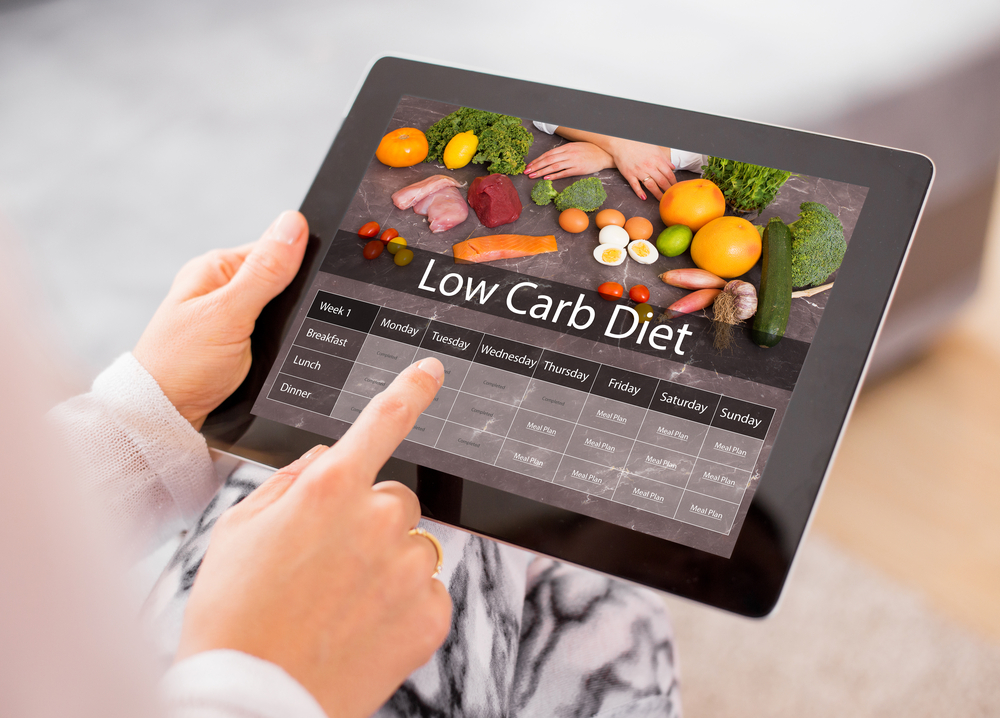
Current management of ABS typically relies on a combination of antibiotics, antifungals, and strict low-carbohydrate diets intended to starve the ethanol-producing microbes. While these interventions can be effective, they are not foolproof; many patients continue to struggle with symptom flare-ups for years despite adherence to these regimens.
When standard therapies fail, doctors may turn to a more drastic measure: fecal microbiota transplantation (FMT). This procedure involves transplanting stool from a healthy donor into the patient’s gut to reset the microbial balance. The results can be life-changing. In one documented case, a patient treated with FMT remained symptom-free for more than 16 months. “Our study demonstrates the potential for fecal transplantation,” says Elizabeth Hohmann of Mass General Brigham, emphasizing its value for those with few other options.
However, experts caution that FMT is not a perfect solution. Schnabl describes it as “a sledgehammer”, an aggressive approach that replaces the entire microbiome rather than fixing the specific issue. The future of treatment lies in precision. Researchers are now looking at the genetic clues within the bacteria to understand how they produce ethanol. The goal is to develop therapies that target these specific metabolic pathways, effectively shutting down the internal brewery without eradicating the entire community of gut bacteria.
The Link to Fatty Liver Disease
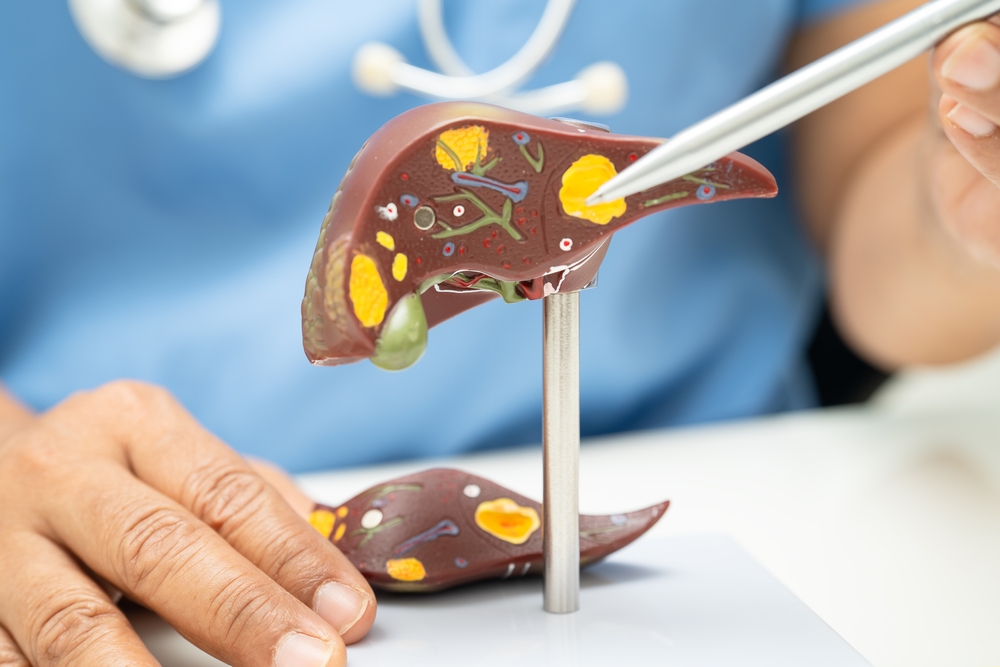
While ABS is incredibly rare, the bacteria driving it may be affecting a much wider population than previously thought. Researchers increasingly view ABS as the extreme end of a spectrum. On the other end lies a far more common condition: non-alcoholic fatty liver disease (NAFLD), also known as metabolic dysfunction-associated steatotic liver disease.
The same 2019 study that identified the bacterial culprits in ABS also linked high alcohol-producing strains of Klebsiella pneumoniae to fatty liver disease. When researchers analyzed the gut microbiome of patients with NAFLD, they found that 60 percent carried these potent ethanol-producing strains, compared to only 6 percent of healthy individuals. This suggests a silent mechanism of injury: even without causing visible intoxication, these microbes may be producing low levels of alcohol that chronically stress the liver.
“These bacteria damage your liver just like alcohol, except you don’t have a choice,” says microbiologist Jing Yuan. This discovery challenges the traditional understanding of liver disease in non-drinkers. It implies that for some individuals, the liver is constantly fighting a battle against an internal source of alcohol, leading to long-term scarring and damage indistinguishable from that seen in heavy drinkers.
Simple Steps to Keep Your Microbiome Balanced
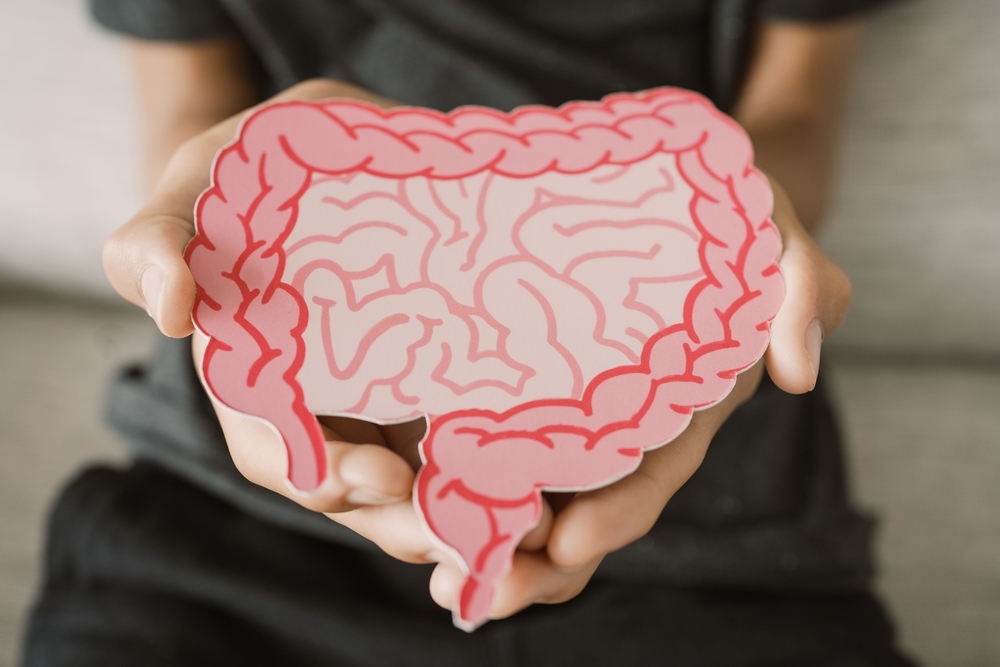
While most of us will never experience true Auto-brewery Syndrome, the discovery that common gut bacteria can produce damaging alcohol is a wake-up call. It highlights how our diet directly fuels our microbiome, for better or worse. Here are feasible ways to support a healthy gut and protect your liver without needing a medical degree:
- Cut the “Fuel” Source: Ethanol-producing bacteria thrive on refined carbohydrates. You don’t need to eliminate carbs entirely, but reducing sugary drinks, candy, and processed white flour helps starve these unhelpful microbes. Think of a lower-sugar diet as a shield for your liver, not just a weight-loss tool.
- Listen to Your Gut: Pay attention to how you feel after a heavy, carb-rich meal. While a “food coma” is common, feeling severe fatigue, significant bloating, or “brain fog” could be a sign your gut bacteria are struggling. If you consistently feel worse after eating pasta or sweets, it might be time to investigate your gut health.
- Crowd Out the Bad Guys: A diverse microbiome is a strong one. Instead of just focusing on restriction, focus on addition. Eating a wide variety of high-fiber foods like vegetables, legumes, and whole grains feeds beneficial bacteria, helping them outcompete the harmful strains naturally.
- Take “Fatty Liver” Seriously: If a doctor mentions you have early signs of fatty liver during a check-up, view it as a crucial turning point rather than a minor note. It may be a sign that your gut bacteria are actively stressing your liver. Prioritize dietary changes now to prevent long-term damage.
Why Your Inner Ecosystem Matters

Auto-brewery Syndrome might sound like a medical curiosity, but it offers a crucial lesson for everyone, not just those with the condition. It shatters the idea that we are completely in charge of our own biology. If gut bacteria have the power to turn a simple meal into intoxication and liver damage, they certainly have the power to influence our daily energy, mood, and long-term health.
You don’t need to fear your food, but you should respect what it does once it leaves your plate. Think of yourself less as a solitary individual and more as a landlord to trillions of microbial tenants. Every meal is a paycheck. You get to decide if you are paying the staff that keeps the building running smoothly, or funding the vandals who trash the place. Taking care of your gut isn’t just about avoiding bloating or following a wellness trend; it is about making sure the ecosystem inside you is working for you, not against you.