Cancer vaccines have always come with a frustrating catch. Unlike flu shots that work for millions of people, most cancer vaccines need to be custom-made for each patient. Doctors must extract tumor samples, analyze them, and build a vaccine tailored to that specific person’s cancer. By the time all that happens, months have passed, and the cancer has often mutated into something the vaccine can no longer recognize.
A research team at the University of Florida believes it has found a workaround. Their experimental mRNA vaccine does not target any specific cancer protein. Instead, it kicks the immune system into high gear, prompting the body to recognize and attack tumors on its own. Results from mouse studies, published July 18, 2025, in Nature Biomedical Engineering, showed such strong results that human trials have already begun.
Dr. Elias Sayour, a pediatric oncologist at UF Health who led the research, sees enormous potential in having a cancer vaccine ready to go the moment a patient needs it. Rather than waiting months for a personalized treatment, doctors could administer an off-the-shelf vaccine immediately, buying precious time and possibly stopping the cancer in its tracks.
How mRNA Became an Unlikely Cancer Fighter
Most people became familiar with mRNA technology during the COVID-19 pandemic. Vaccines from Pfizer and Moderna used messenger RNA to teach the body how to recognize and fight the coronavirus spike protein. Once cells read the mRNA instructions, they produce a harmless piece of the spike protein, training the immune system to attack the real virus if it ever shows up.
Sayour’s cancer vaccine uses similar technology but takes a completely different approach. Instead of teaching the immune system to spot a specific target, it simply sounds a general alarm. mRNA delivered through lipid nanoparticles triggers the body to ramp up production of type-I interferons, which are immune messengers that help spot and destroy cancerous cells.
Think of it like a neighborhood watch system. Rather than giving residents a photo of one specific burglar, you install floodlights and motion sensors that activate whenever anything suspicious happens. Cancer cells that were previously hiding in the shadows suddenly find themselves exposed.
Sayour described the vaccine as a kind of immune reset for patients whose bodies have stopped fighting their tumors. Cancer is remarkably good at hijacking the signals that would normally alert the immune system to its presence. By flooding the body with interferons, the vaccine essentially overrides those hijacked signals and forces the immune system back into action.
Why Personalized Cancer Vaccines Hit a Wall
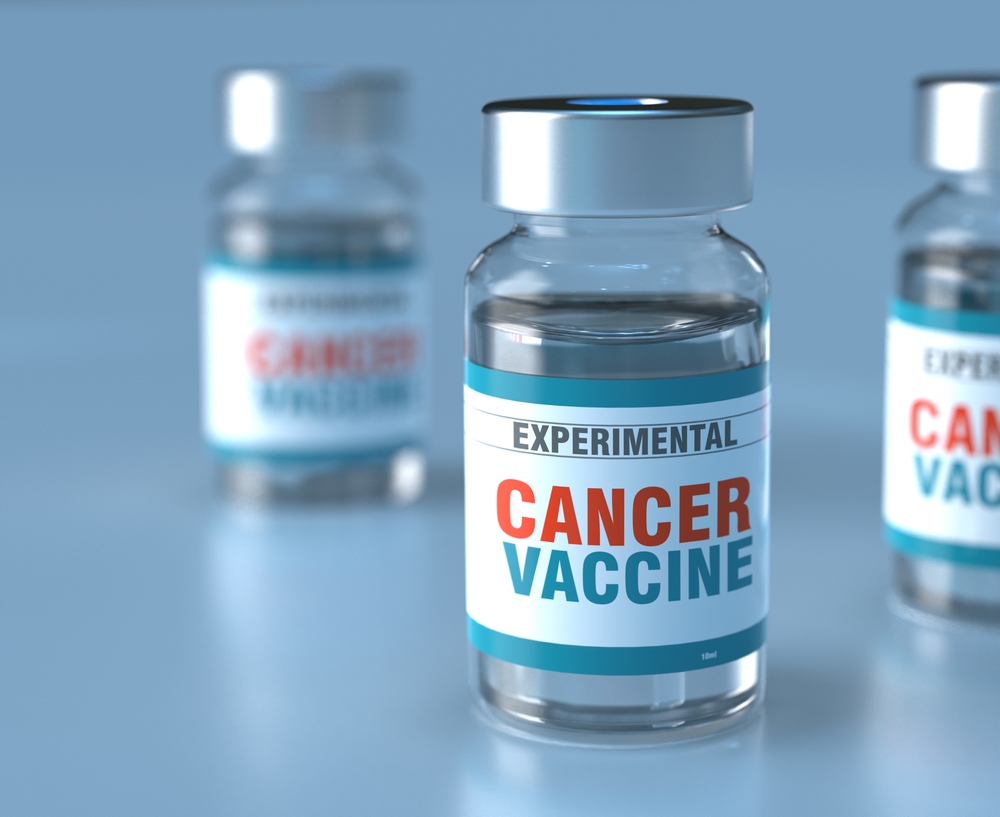
For years, researchers have pursued two main strategies in cancer vaccine development. One approach looks for proteins that appear across many different patients’ tumors, creating a one-size-fits-most solution. Another approach goes fully personalized, analyzing each patient’s unique tumor and building a vaccine specifically for them.
Both strategies have drawbacks. Common tumor proteins are hard to find, and when vaccines do target them, cancers often evolve to stop expressing those proteins. Personalized vaccines avoid that problem but create logistical nightmares instead.
“It can be months from the time you get a patient’s specimen to when they actually have a personalized therapy,” Sayour explained. During that window, patients must rely on other treatments while their cancer continues to grow and change. By the time their custom vaccine arrives, it may already be outdated.
Sayour and his colleagues wondered if they could sidestep the whole problem. What if a vaccine did not need to know anything about a patient’s specific tumor? What if it simply made the immune system aggressive enough to figure things out on its own?
Mice Showed Promise Against Stubborn Tumors
Testing their theory required starting with some of the toughest cases. Sayour’s team focused on solid tumors, which tend to resist immunotherapy far more than blood cancers do. In mice with melanoma, a type of skin cancer, they combined their mRNA vaccine with a common immunotherapy drug called a PD-1 inhibitor.
PD-1 inhibitors belong to a class of treatments called immune checkpoint inhibitors. Cancer cells often put the brakes on immune cells, preventing them from attacking. Checkpoint inhibitors release those brakes, letting immune cells do their job. But for many patients, checkpoint inhibitors alone are not enough. Their tumors have found ways to stay hidden even when the brakes come off.
When Sayour’s team paired their vaccine with a checkpoint inhibitor, treatment-resistant tumors started responding. Mice that had shown no improvement on checkpoint inhibitors alone suddenly began fighting off their cancers. Something about the vaccine was making previously unresponsive tumors vulnerable to treatment.
Even more surprisingly, the vaccine showed promise as a standalone treatment. In mouse models of glioma, an aggressive brain cancer, and pulmonary osteosarcoma, bone cancer that had spread to the lungs, the mRNA formulation produced beneficial effects without any additional drugs. Some mice saw their tumors disappear entirely.
Researchers observed that T cells, which had been sitting idle in the presence of cancer, suddenly started multiplying and attacking tumors when the vaccine was administered. Even immune responses seemingly unrelated to cancer could prompt these dormant T cells into action, as long as the vaccine generated a strong enough signal.
Cold Tumors Could Finally Become Targets
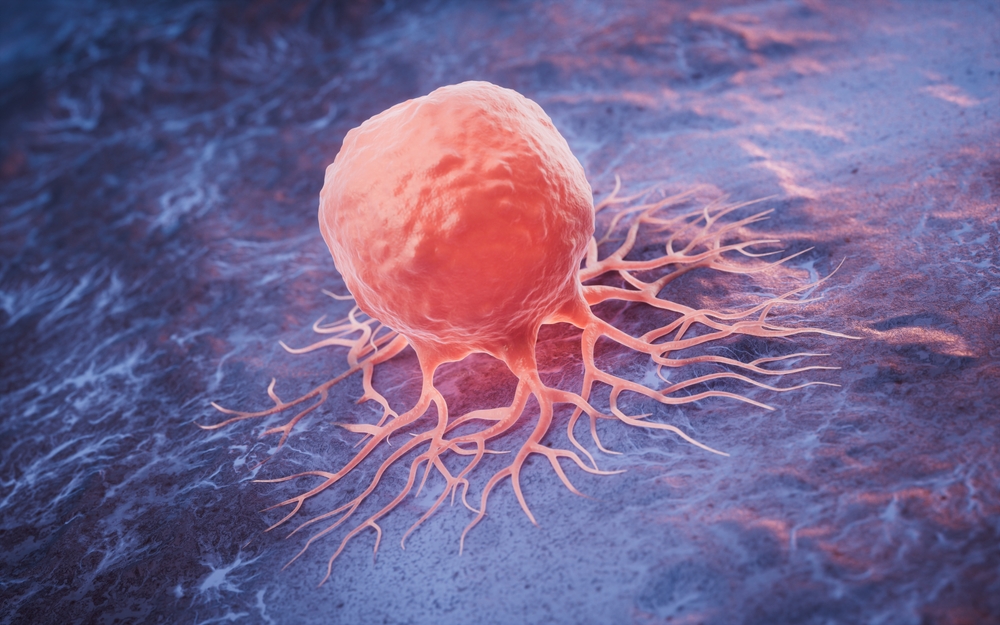
Some cancers are particularly good at evading the immune system. Oncologists often call these “cold” tumors because they fail to trigger the inflammatory response that helps the body recognize threats. Pancreatic cancer, ovarian cancer, and certain types of breast cancer fall into this category. Patients with cold tumors often see little benefit from immunotherapy, leaving them with fewer treatment options.
Diana Azzam, an associate professor and scientific director at the Center for Advancing Personalized Cancer Treatments at Florida International University, was not involved in Sayour’s study but reviewed its findings. She sees particular promise for patients with cold tumors.
“This approach could be especially helpful for ‘cold’ tumors — types of cancer that usually don’t trigger a strong immune response, like pancreatic, ovarian, and some types of breast cancer,” Azzam said. By boosting interferon signals throughout the body, the vaccine might force these hidden cancers out into the open where the immune system can finally attack them.
Cold tumors have long represented one of oncology’s most frustrating challenges. Patients often respond well to surgery or chemotherapy at first, only to see their cancers return in forms that resist further treatment. A vaccine that could make these tumors visible to the immune system would represent a major step forward.
Human Trials Are Now Underway
Promising mouse studies have a long history of failing to translate into human treatments. Biology that works perfectly in laboratory animals sometimes falls flat when applied to people. Sayour and his colleagues are now testing whether their findings will hold up in actual patients.
Current human trials at UF Health use a two-pronged approach. Patients first receive the off-the-shelf mRNA vaccine designed to activate their immune systems broadly. Once that treatment has had time to work, they receive a second, personalized vaccine tailored to their specific tumors.
Researchers are working with patients who have two types of recurrent cancers, specifically pediatric high-grade glioma and osteosarcoma. Both conditions carry grim prognoses and limited treatment options, making them ideal candidates for experimental therapies.
Sayour believes the combination approach offers the best of both worlds. Patients get immediate immune activation from the universal vaccine while their personalized treatment is being prepared. By the time the custom vaccine arrives, their immune systems are already primed and ready to act on the more specific targeting information.
What Still Needs to Happen Before Widespread Use

Mouse studies, even highly successful ones, represent just the first step in a long development process. Before any universal cancer vaccine reaches pharmacy shelves, researchers must answer several important questions.
Safety tops the list. Interferons trigger inflammation, which helps fight cancer but can also cause problems if it gets out of control. Doctors will need to confirm that the vaccine mounts a helpful immune response without sparking dangerous inflammation that persists long after treatment ends.
Consistency matters too. Laboratory mice live in controlled environments and have nearly identical genetics. Human patients come with wildly different immune systems, health histories, and tumor characteristics. A vaccine that works reliably in mice might show much more variable results in diverse human populations.
Long-term effectiveness remains unknown as well. Even if the vaccine helps patients initially, researchers need to determine whether the benefits last or whether cancers eventually find ways to evade the newly activated immune system.
A Third Path in Cancer Vaccine Development
Dr. Duane Mitchell, who directs the UF Clinical and Translational Science Institute and co-authored the study, sees the findings as potentially game-changing for oncology. Rather than chasing specific tumor targets or building expensive personalized treatments, researchers might be able to create vaccines that work for nearly everyone.
“It could potentially be a universal way of waking up a patient’s own immune response to cancer,” Mitchell said. “And that would be profound if generalizable to human studies.”
If human trials confirm what mouse studies have shown, cancer treatment could look very different in the coming years. Patients might receive an off-the-shelf vaccine at the first sign of disease, activating their immune systems while doctors plan more targeted approaches. Some patients might not need anything beyond the universal vaccine itself.
For now, Sayour’s team continues refining their formulations and monitoring early trial participants. Success is far from guaranteed, and years of additional research lie ahead. But for the first time, a universal cancer vaccine has moved from theoretical possibility to active human testing. Patients with few remaining options now have at least one more reason for hope.