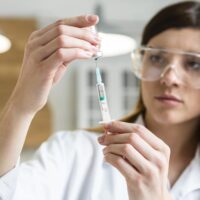
Antibiotic resistance has quietly become one of the most serious health threats of our time. Infections that were once simple to treat are now returning in more dangerous forms, often refusing to respond to the medicines doctors have relied on for decades. Scientists estimate that antimicrobial resistance contributes to millions of deaths globally each year, making it a growing concern not only for hospitals but for everyday wellness.
The discovery of a new antibiotic molecule by researchers in Europe has therefore drawn significant attention across the medical and scientific communities. This new molecule belongs to a completely new class of antibiotics designed to combat some of the most lethal drug resistant bacteria known today. Unlike many existing antibiotics, it appears capable of stopping bacteria without easily allowing them to develop resistance.
For people focused on long term health and natural resilience, this breakthrough offers renewed hope. Effective antibiotics remain essential for treating serious infections, supporting surgical care, and protecting vulnerable populations. Without them, even minor injuries or routine medical procedures can become risky.
This article explores what scientists have discovered, why superbugs are such a serious concern, and how this development could influence the future of health and wellness around the world.
Understanding Superbugs and Antibiotic Resistance
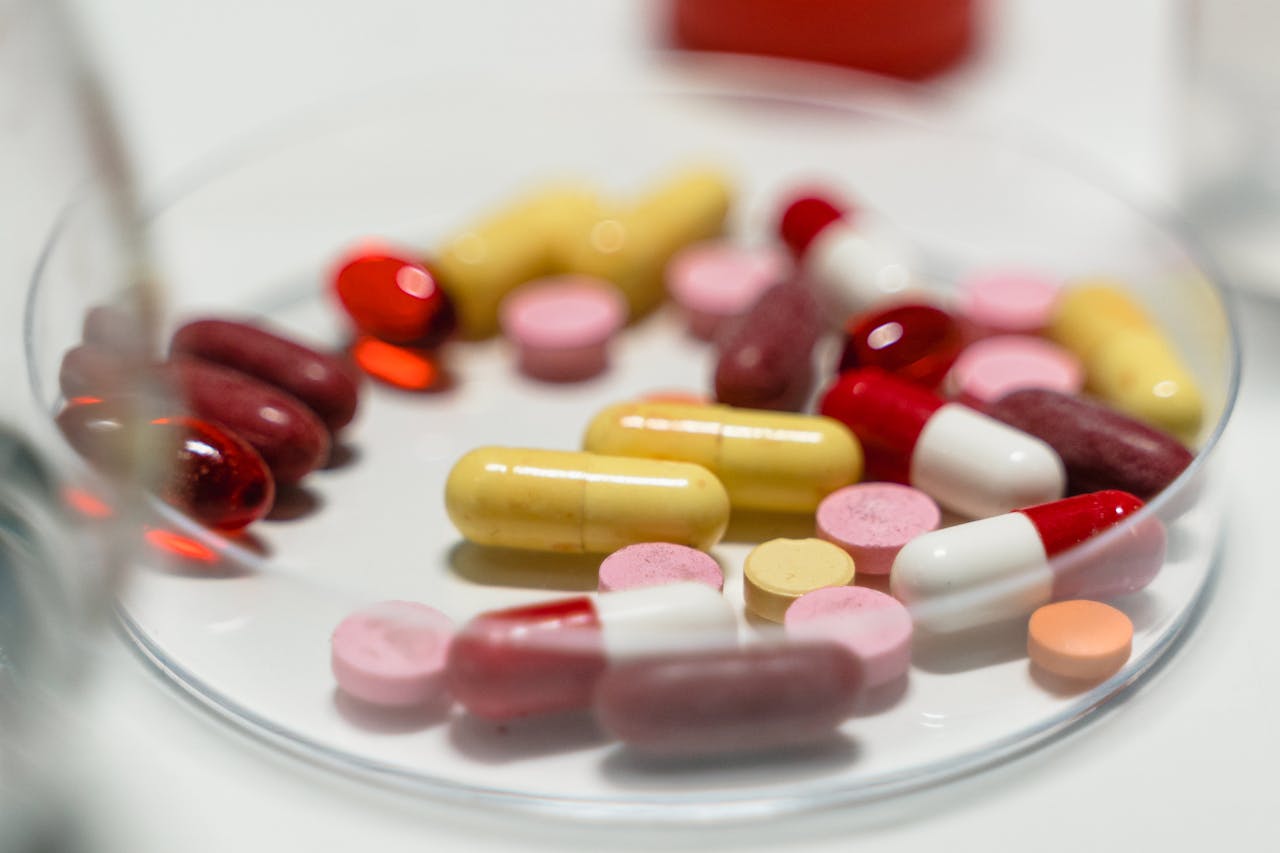
Superbugs are strains of bacteria that have adapted to survive exposure to multiple antibiotics. Over time, repeated and sometimes unnecessary use of antibiotics has allowed these bacteria to evolve defense mechanisms that render many drugs ineffective. This has created infections that are harder to treat and more likely to lead to complications.
Some of the most dangerous superbugs include methicillin-resistant Staphylococcus aureus, drug resistant Enterococcus, and certain strains of tuberculosis. These infections often spread in hospitals and care facilities but are increasingly appearing in community settings as well. For individuals, this can mean longer illness, increased medical costs, and a higher risk of severe outcomes.
From a wellness perspective, antibiotic resistance affects everyone. When antibiotics fail, the body must rely more heavily on its own immune defenses. While a strong immune system is essential, even healthy individuals can struggle against aggressive resistant infections.
This growing problem has made the search for new antibiotics urgent. Many pharmaceutical companies reduced antibiotic research in recent decades, making discoveries like this one especially significant for future health security.
How Scientists Discovered a New Antibiotic Class
The newly discovered antibiotic molecule emerged from years of advanced research focused on designing drugs that bacteria struggle to outsmart. Researchers used insights from naturally occurring antibiotics found in soil microbes and refined them using modern chemical techniques.
This new class of antibiotics works by targeting lipid II, a vital building block of bacterial cell walls. Lipid II is essential for bacterial survival and cannot easily mutate without weakening the bacteria itself. By focusing on this structure, the antibiotic leaves bacteria with very limited options for resistance.
Laboratory tests have shown strong effectiveness against several high priority pathogens identified by global health agencies. These include bacteria responsible for severe hospital acquired infections that no longer respond to standard treatments.
Another promising aspect of this discovery is its synthetic design. Scientists can potentially modify and optimize the molecule to improve safety, effectiveness, and scalability, increasing the chances that it could one day become a widely available treatment.
Why This Discovery Is Different From Past Antibiotics
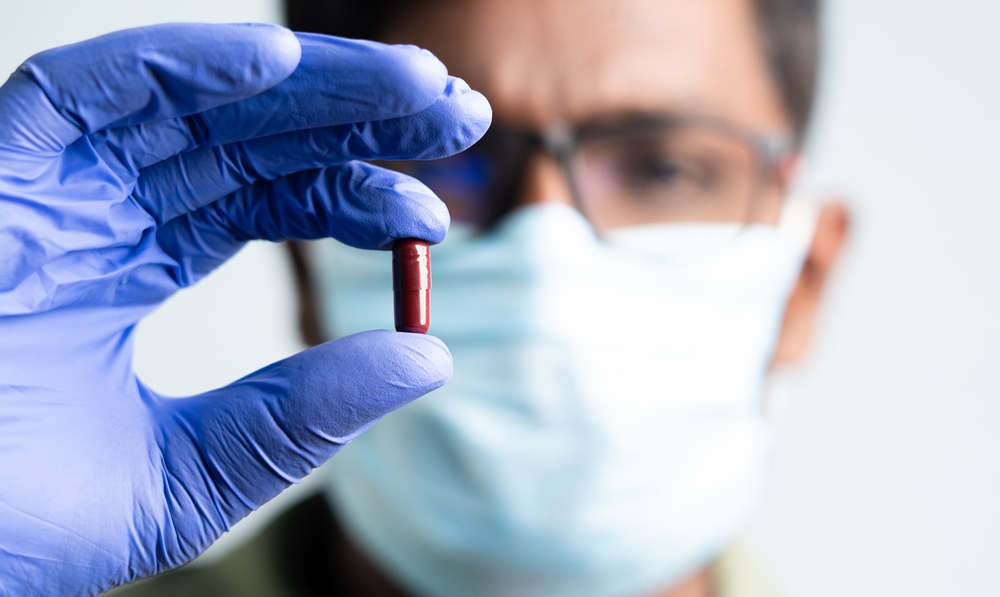
Many antibiotics introduced in recent decades are variations of older drugs that build upon existing chemical frameworks. While these medicines have saved countless lives, they often lose effectiveness quickly as bacteria adjust and find ways around them. This newly identified antibiotic class takes a different route, with a design that focuses on durability and long term effectiveness rather than short term gains.
By targeting structures that bacteria absolutely depend on for survival, the molecule limits the ability of microbes to adapt without harming themselves. Lipid II, the target of this antibiotic, is so essential that even small changes can weaken the bacteria. Early findings suggest that bacteria exposed to this compound struggle to evolve defenses, even after repeated contact over time.
This resistance limiting strategy could significantly extend the useful lifespan of the drug. That matters because developing a single new antibiotic often takes more than a decade. Fewer resistance issues may also lead to simpler treatment plans, fewer side effects, and reduced need for aggressive last resort medications.
For public health systems, these advantages could mean fewer severe infections, shorter hospital stays, and better recovery outcomes. At a population level, this supports broader wellness by reducing strain on healthcare services and improving infection control in both hospitals and communities.
What This Means for Everyday Health and Wellness
Although antibiotics are often associated with emergency care, they quietly support many aspects of everyday health. Reliable antibiotics protect people during surgeries, childbirth, dental procedures, cancer treatments, and ongoing management of chronic illnesses where infection risk is higher.
If this new antibiotic class proves safe and effective in humans, it could restore confidence in medical care that depends on infection prevention and treatment. This is especially relevant for older adults, people with compromised immune systems, and those undergoing complex medical procedures.
From a wellness standpoint, fewer drug resistant infections mean less disruption to daily routines and faster recovery when illness does occur. It may also reduce the need for prolonged or repeated antibiotic courses, which can disturb gut balance and overall well being.
While antibiotics should always be used responsibly, having dependable treatment options available supports a more balanced approach to health. Prevention, immune support, and effective medical care can work together rather than competing with one another.
Challenges Before This Antibiotic Reaches Patients
Despite its promise, the new antibiotic molecule must still pass through extensive testing before it can reach patients. Carefully designed clinical trials are required to confirm safety, appropriate dosing, and effectiveness in real world human populations.
Regulatory approval can take many years, and not all promising compounds succeed in later stages of development. Researchers must also confirm that the antibiotic can be produced consistently and at scale without losing its quality or effectiveness.
Another key challenge lies in responsible use. Even advanced antibiotics can lose their benefits if overused or prescribed unnecessarily. Ongoing education for healthcare providers and patients will remain essential to protect the long term value of any new treatment.
Even with these hurdles, experts view this discovery as a meaningful step toward rebuilding the antibiotic pipeline and addressing a long standing global health concern.
Supporting Antibiotics With Natural Wellness Practices
While science works toward new medical solutions, individuals can support their health by strengthening natural defenses. A balanced diet built around whole foods, consistent sleep, stress management, and regular physical activity all contribute to a stronger immune response.
Maintaining gut health is particularly important, as the gut microbiome influences immune function and recovery from illness. Limiting unnecessary antibiotic use helps protect beneficial bacteria and supports long term digestive balance.
Preventive practices such as proper hygiene, safe food handling, vaccination, and mindful travel habits further reduce infection risk. These everyday actions work alongside medical advances rather than replacing them.
Together, thoughtful lifestyle choices and scientific progress create a more sustainable approach to health that benefits both individuals and communities.
Looking Ahead: Hope for a Healthier Future
The discovery of a new antibiotic molecule capable of fighting deadly superbugs represents more than a laboratory achievement. It signals renewed commitment to protecting human health as bacteria continue to evolve.
As research progresses, this breakthrough offers cautious optimism for restoring effective infection treatment and easing the global burden of antimicrobial resistance. It also reinforces the value of pairing medical innovation with mindful wellness practices.
A future where infections are easier to treat supports not only longer lives but healthier ones as well. With continued research, responsible use, and holistic health strategies, this discovery could help shape a safer and more resilient healthcare landscape.