
Neurodevelopmental conditions such as autism and schizophrenia are often discussed years after symptoms emerge, when children struggle in school or adults experience changes in perception, thinking, or social connection. But a growing body of research is shifting that timeline dramatically earlier, back to the earliest weeks of life in the womb.
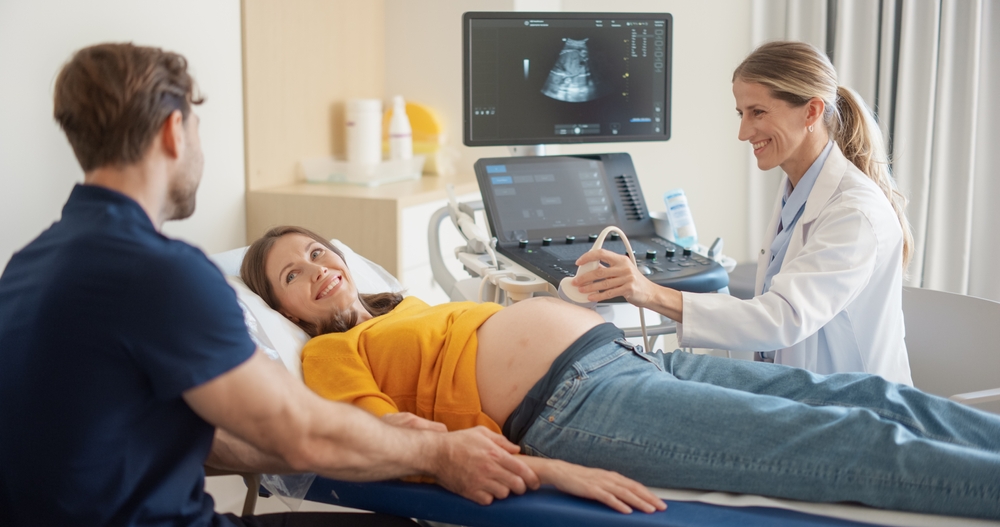
A large new study from researchers at the University of Exeter suggests that many of the biological processes linked to autism and schizophrenia begin before birth, during the most formative stages of brain development. By mapping chemical changes to DNA across nearly the entire human lifespan, scientists are uncovering clues about how early brain development may influence vulnerability to these complex conditions.
Rather than offering simple answers, this research invites a more nuanced and compassionate understanding of neurodevelopment, one that emphasizes biology without reducing individuals to diagnoses or genetic fate.
The Brain’s Earliest Construction Phase
Very early in pregnancy, the developing brain follows a tightly coordinated sequence of events that determines how different regions will form and connect. Long before thoughts, behaviors, or social traits can be observed, the cortex is already being organized in layers, with cells assigned specific roles based on timing and location. Small shifts during this period can have outsized effects because so many later steps depend on what happens first.
Rather than focusing on symptoms or diagnoses, this stage of development is about establishing basic architecture. Cells must know where to go, when to divide, and how to prepare for future communication with other parts of the brain. This process is guided by internal biological signals that act like instructions, ensuring that growth unfolds in the right order. When those instructions are altered, even subtly, the overall structure can still form but may function differently over time.
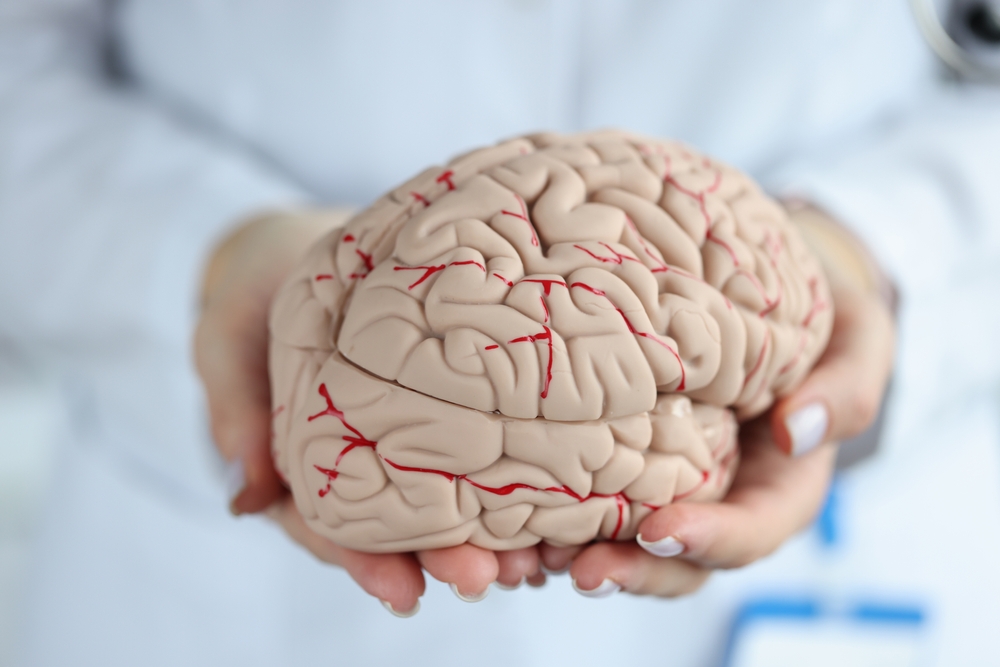
What makes the prenatal period especially important is that it is when these foundational decisions are made only once. Later life experiences can reshape how the brain uses its connections, but they do not fully rewrite the original layout established before birth. Understanding this early construction phase helps explain why researchers increasingly look to prenatal development when studying lifelong neurological differences, without assuming that early biology alone determines outcomes.
Why Epigenetics Matters for Autism and Schizophrenia
Genetic research has identified numerous variants associated with autism and schizophrenia, yet these variants alone do not account for why some individuals develop these conditions while others do not. Many of the same genetic markers are present in people with no clinical diagnosis, and outcomes can differ widely even among individuals with similar genetic profiles. This variability has led researchers to focus on epigenetics as a key factor in understanding how genetic risk is biologically expressed.
Epigenetics refers to regulatory processes that influence gene activity without altering the underlying DNA sequence. In the brain, these processes help determine when and where genes are active, supporting coordinated development across different stages of life. Rather than acting as on or off switches, epigenetic mechanisms fine tune gene expression, shaping how neural systems respond to developmental demands and later life experiences.
In the context of autism and schizophrenia, epigenetics provides a framework that moves beyond strictly inherited explanations. It allows researchers to examine how genetic susceptibility interacts with biological context over time, helping explain why traits associated with these conditions can emerge gradually and vary in intensity. This perspective also supports a non deterministic view of risk, recognizing that biological vulnerability does not equate to a fixed outcome.
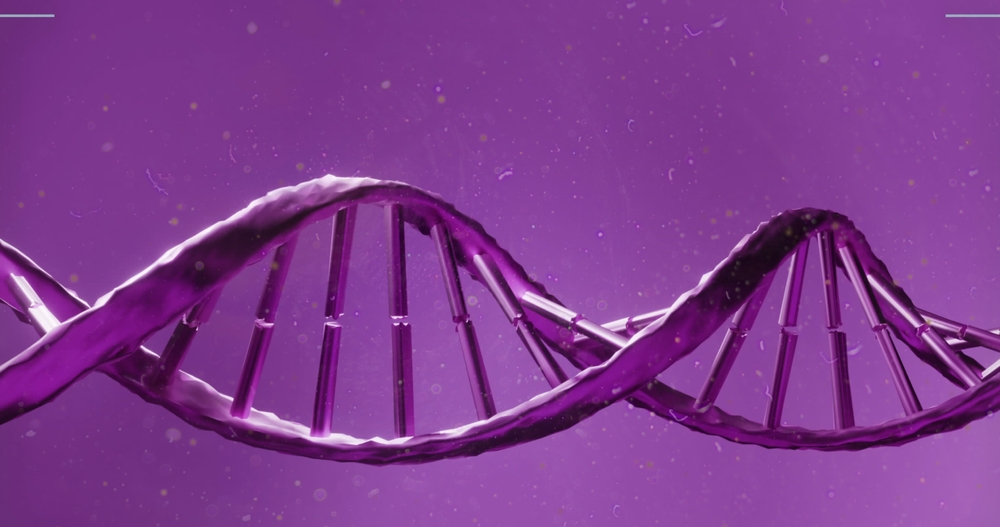
The University of Exeter study focuses on DNA methylation because it is one of the most extensively studied epigenetic markers in human brain tissue. By establishing reference patterns across development, this work enables future research to more precisely investigate how genetic risk may be regulated in the cortex, and how disruptions in these regulatory processes could contribute to neurodevelopmental differences.
What Prenatal Research Does and Does Not Mean
Findings that link prenatal brain development to later neurological differences can be easily misunderstood, particularly when they involve conditions that many families already navigate with uncertainty and concern. Researchers, therefore, stress the importance of interpreting these results with care and context, focusing on what the evidence actually supports rather than what it is sometimes assumed to imply.
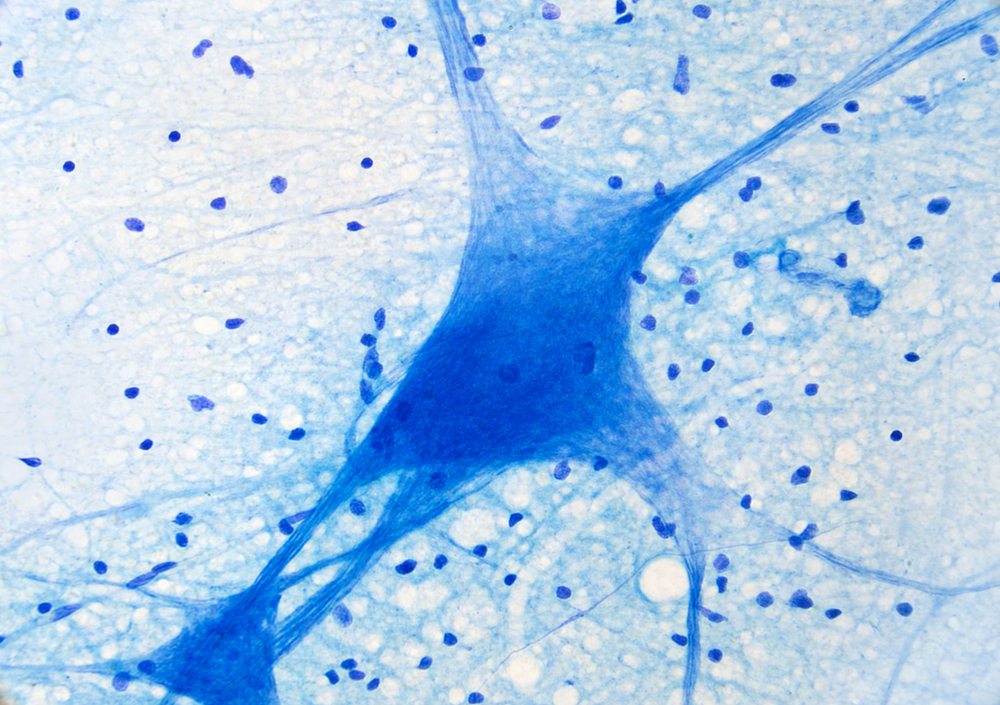
The research shows that early brain development plays a meaningful role in shaping later neurological outcomes, and that epigenetic patterns are closely connected to genes associated with autism and schizophrenia. Studying this early period provides valuable insight into biological vulnerability, helping scientists understand when and where developmental pathways may become more sensitive to disruption. These findings strengthen the view that neurodevelopmental conditions are rooted in processes that begin early, even if their features unfold gradually across life.
At the same time, the research does not suggest that early biology determines destiny. No single epigenetic pattern or developmental signature can predict whether an individual will develop autism or schizophrenia, and prenatal influences represent only one part of a much larger developmental picture. Factors such as environment, relationships, education, and social support continue to shape brain function and behavior long after birth.
Translating Science Into Compassionate Understanding
Research that highlights prenatal influences can raise difficult questions for parents and caregivers, particularly around responsibility and uncertainty. It is common to reflect on whether experiences during pregnancy might have lasting implications for a child’s future. Scientists and clinicians urge caution in how these findings are interpreted, emphasizing that they are not a measure of fault or control. Epigenetic patterns reflect biological sensitivity rather than predetermined outcomes, and the presence of risk factors does not mean that a condition will inevitably develop.

This understanding is reinforced by decades of developmental research showing that the brain remains responsive to experience well beyond birth. Early childhood, in particular, is marked by a high degree of plasticity, allowing development to be shaped by caregiving relationships, learning environments, and broader social context. From this perspective, prenatal biology sets conditions, not conclusions.
Evidence-based guidance, therefore, centers less on prediction and more on support. Consistent prenatal care supports overall fetal health, while minimizing prolonged stress during pregnancy is associated with more favorable developmental outcomes. After birth, responsive caregiving, early identification of developmental differences, and access to appropriate services can meaningfully influence quality of life over time. These approaches are not guarantees, but they reflect a broad scientific consensus that supportive environments play a central role in how early vulnerability and later resilience unfold.
Limits of Current Knowledge and Open Questions
While the Exeter study represents one of the most detailed examinations of brain development to date, it also highlights important gaps that remain in scientific understanding. Access to later stage fetal brain tissue is limited, which means some phases of development are still less well characterized than others. In addition, current technologies capture only certain types of chemical modifications to DNA, leaving other regulatory processes largely unexplored.
There are also unanswered questions about how findings from postmortem brain tissue translate to living developmental processes. Although large scale mapping studies are invaluable for identifying broad patterns, they cannot directly capture how individual brains adapt over time or respond to changing environments. This makes it difficult to draw conclusions about how early biological variation relates to later lived experience on an individual level.
Recognizing these limits is essential for responsible interpretation. Rather than closing the book on the origins of autism and schizophrenia, studies like this one help refine the questions that future research must address, including how different biological systems interact across development and why similar early patterns can lead to very different outcomes later in life.
Early Roots, Lifelong Possibilities
The growing evidence that autism and schizophrenia are shaped, in part, by prenatal brain development does not point to fixed outcomes or simple explanations. Instead, it highlights how early biological processes contribute to vulnerability in ways that unfold gradually and interact with life experiences over time. This research reframes neurodevelopmental conditions not as sudden disruptions, but as the result of complex developmental pathways that begin early and continue to evolve.
Understanding these early roots adds depth to how autism and schizophrenia are studied and discussed. It encourages a shift away from searching for single causes or definitive predictors, and toward recognizing variation as a natural part of human development. Prenatal biology helps set the conditions under which development occurs, but it does not dictate a person’s abilities, identity, or future.

Seen in this light, the value of this research lies not in prediction, but in perspective. By clarifying when and how the brain becomes sensitive to change, it supports more informed conversations about development, health, and support across the lifespan. Ultimately, acknowledging early influences while recognizing lifelong adaptability allows for a more accurate and humane understanding of neurodevelopment, one that respects both biological complexity and human possibility.