Mia Heller was not looking for a science fair project when she picked up her local newspaper a few years ago. She was just a teenager in Warrenton, Virginia, scanning headlines over breakfast. But one article stopped her cold. It reported that her neighborhood’s tap water was contaminated with PFAS chemicals and microplastic pollution, and that no government agency planned to spend a dime on fixing it.
For most people, a story like that fades from memory within a week. For Heller, it became the seed of an idea that would eventually land her on a global stage, earn recognition from the U.S. Patent and Trademark Office Society, and produce a prototype that outperforms many conventional water treatment methods. At 18, she has built something in her garage that billion-dollar utilities have yet to figure out. Her secret weapon? A magnetic liquid most people have never heard of.
A Local Water Crisis Hit Close to Home
Warrenton sits in Fauquier County, a quiet stretch of northern Virginia where horse farms and small-town life define daily routines. Water quality rarely makes for dinner-table conversation in places like it. Yet testing had revealed serious contamination levels, and the local government offered residents no path toward cleaner tap water. “It was up to people to provide their own filtration,” Heller told Smithsonian Magazine.
Her parents did what many concerned families would do. Shortly after the article ran, they purchased an advanced at-home water filtration system. On paper, it seemed like a reasonable solution. In practice, it became a burden.
Her Family’s Frustration With Existing Filters
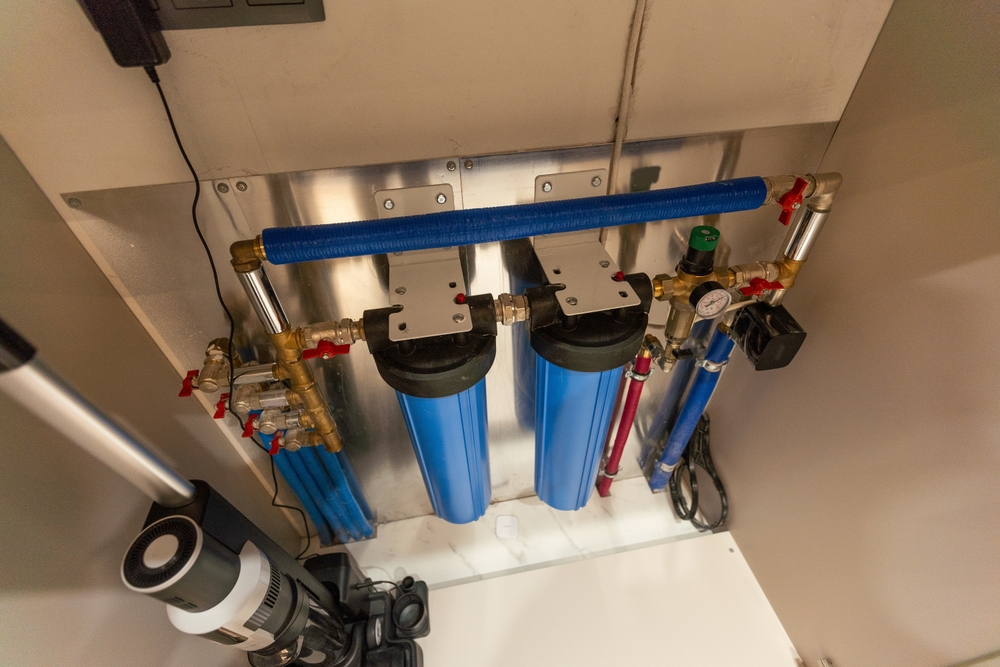
Most residential filtration systems rely on membrane filters, thin physical barriers designed to trap contaminants as water passes through. Membrane-based systems can be effective, but they carry a significant drawback. Over time, those membranes clog, degrade, and need replacing. For Heller’s family, replacement cycles came around far too often.
Heller watched her mother swap out membrane after membrane, each one adding cost and hassle to a system that was supposed to simplify their lives. What struck her was not just the inconvenience but the design flaw at the heart of it all. A filter built around a disposable component would always demand ongoing investment, both in money and in time.
“It inspired me to design a filter without the use of membranes, to decrease the costs and maintenance needs associated with water filtration,” Heller said.
She was still a high school student at Kettle Run High School, but she also spent half of each week taking advanced math, science, and technology classes at Mountain Vista Governor’s School. Between the two programs, she had enough scientific grounding to start asking serious questions about fluid dynamics, magnetic fields, and particle separation. What she lacked in formal engineering credentials, she made up for in stubbornness and garage space.
Microplastics Are Everywhere, and Growing
Before diving into Heller’s invention, it helps to understand why microplastics have become such a pressing public health concern.
According to the Environmental Protection Agency, microplastics measure between 1 nanometer and 5 millimeters in size. Some are manufactured at that scale for use in cosmetics and biomedical products. Others break down from larger plastic consumer goods over months and years of exposure to sunlight, water, and physical wear. Both types end up in water supplies, soil, air, and eventually in living organisms.
Matthew J. Campen, a toxicologist at the University of New Mexico in Albuquerque, has spent years studying how inhaled pollutant mixtures affect respiratory, cardiac, and vascular outcomes. His research on microplastics paints a sobering picture. “Micro- and nanoplastics are getting into our bodies,” Campen said.
A recent study found microplastics in 1,300 species, including humans. Researchers have detected these particles throughout the human body, from brain tissue to bone interiors, and in testes, semen, and the placenta of unborn fetuses. A 2025 University of New Mexico study that Campen co-authored found concentrations of microplastics in human brain tissue had jumped by 50 percent in less than a decade. Intake by organisms has increased sixfold since 1990, and global plastic production continues to climb.
Campen noted evidence suggesting possible links to cardiovascular and neurological disease, though he cautioned that those links are not yet conclusive. Other recent studies have connected microplastic exposure to cancers, respiratory and cardiac conditions, hormonal disruptions, and Alzheimer’s disease. None of these connections has been proven beyond doubt, but the volume of research pointing in that direction has grown difficult to ignore.
Against that backdrop, Heller’s question became simple. If the water coming out of her family’s tap carried these particles, and if the best available home filter required constant upkeep, could she build something better?
From Garage Tinkering to a Working Prototype
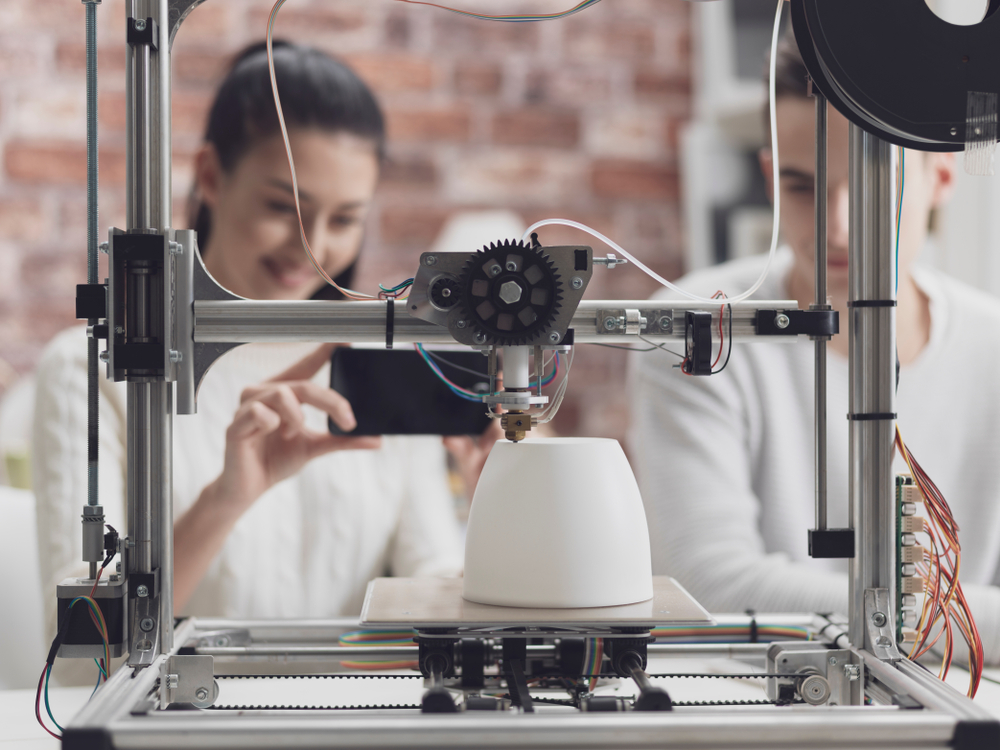
Heller first conceived her filtration concept in the spring of 2024, but real development began in the summer of 2025. Working out of her garage and kitchen, she had a functioning prototype by early January of that year. “It was essentially just a container,” she said.
Inside that container sat what she called a “spinning magnified vial.” Her approach centered on ferrofluid, a magnetic oil that binds to microplastic particles when introduced into contaminated water. In her early model, the ferrofluid did its job well. It was attached to the microplastics, and a magnet pulled the bound particles out of the water. Two steps, and the water came out cleaner.
But a problem remained. After each filtration cycle, the ferrofluid could not be recovered automatically. Someone had to intervene, clean it out, and reset the system. In other words, she had traded one maintenance headache for another. “But if I could create a system that was able to basically clean itself and reuse material,” Heller explained, “the maintenance needs could go down by a lot.”
She went back to the drawing board. One of her biggest challenges involved positioning the system’s internal units so that ferrofluid, which is thicker than water, could flow upward into the water chamber without clogging. She also needed the magnetic separation and ferrofluid recovery processes to operate in harmony rather than in opposition. Five iterations later, she had her answer.
How Ferrofluid Does What Membranes Can’t
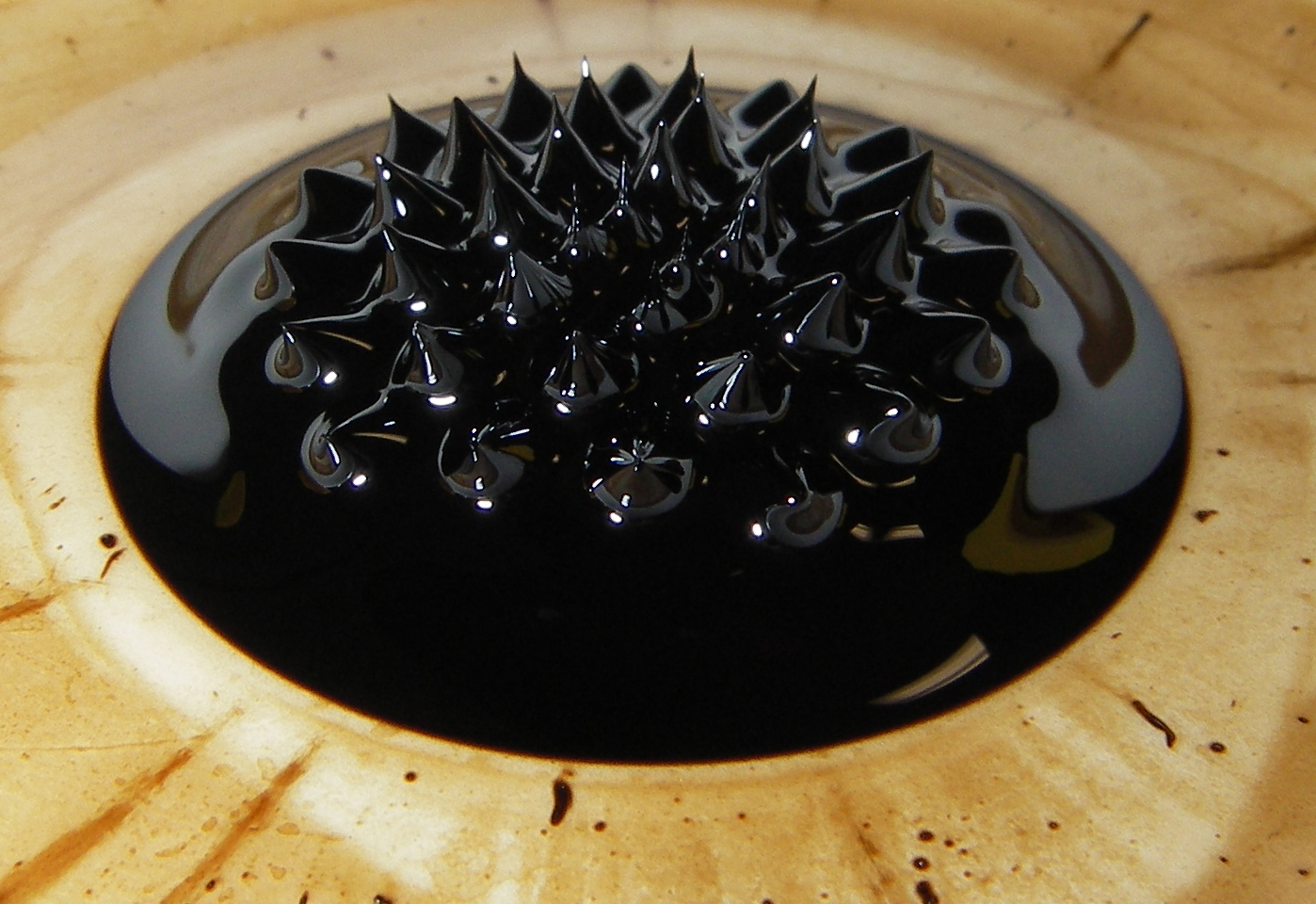
Heller’s current prototype, roughly the size of a standard bag of flour, consists of three modules. One unit, about a liter in volume, contains the contaminated water. A second stores the ferrofluid. All the real work happens in a much smaller third module, where a magnetic field pulls microplastics out of the water via the ferrofluid. Once separation is complete, the system recovers the ferrofluid and channels it back into its storage unit in a closed loop. No membrane. No disposable filter. No constant replacement cycles.
As a stand-alone device, comparable in concept to a Brita pitcher, the system filters about one liter of water per cycle. It requires no chemical treatments, and because the ferrofluid recycles itself, long-term operating costs stay low. “The result is an affordable, low-waste filtration system without the use of a solid membrane,” Heller said.
Putting It to a Real Test
Building a prototype is one thing. Proving it works is another. Heller developed her own turbidity sensor to measure the concentration of suspended solids in the filtered water. Using that sensor, she calculated both the weight-based percentage of microplastics removed and the amount of ferrofluid recovered after each cycle.
Her numbers were strong. According to her tests, the prototype removed 95.52 percent of microplastics from the water and recycled 87.15 percent of the ferrofluid. For comparison, conventional drinking-water treatment plants remove roughly 70 to over 90 percent of microplastic content. A device built by a teenager in a Virginia garage was performing at or above the level of industrial infrastructure.
Recognition on a Global Stage
Heller entered her prototype in the 2025 Regeneron International Science and Engineering Fair, considered the world’s largest global science competition for high school students. She advanced to the final status.
At the fair, the Patent and Trademark Office Society presented her with a special $500 award for her low-cost, efficient water filtration technology. While $500 may seem modest relative to the scale of her invention, the recognition placed her work in front of scientists, engineers, and patent professionals who understood what she had accomplished.
What Experts Think, and What Still Needs Answering
Campen reviewed Heller’s work with genuine enthusiasm. “She is doing something that has to be done,” he said, calling her filtration system a really great idea. He also pointed out that her current results represent a starting point, not a ceiling. With professional engineering resources and proper investment, those removal percentages could climb even higher.
Still, Campen raised questions that any responsible scientist would ask. First, does the extraction process capture microplastics in a form that allows safe disposal or destruction? A filtration system that removes contaminants from water but leaves behind secondary pollutant residue would create a new problem rather than solving the original one. Assuming the system handles disposal cleanly, Campen’s next question centers on scalability. Would Heller’s device work best in individual homes, or could a version of it operate at the municipal level inside water treatment plants?
An Under-the-Sink Future
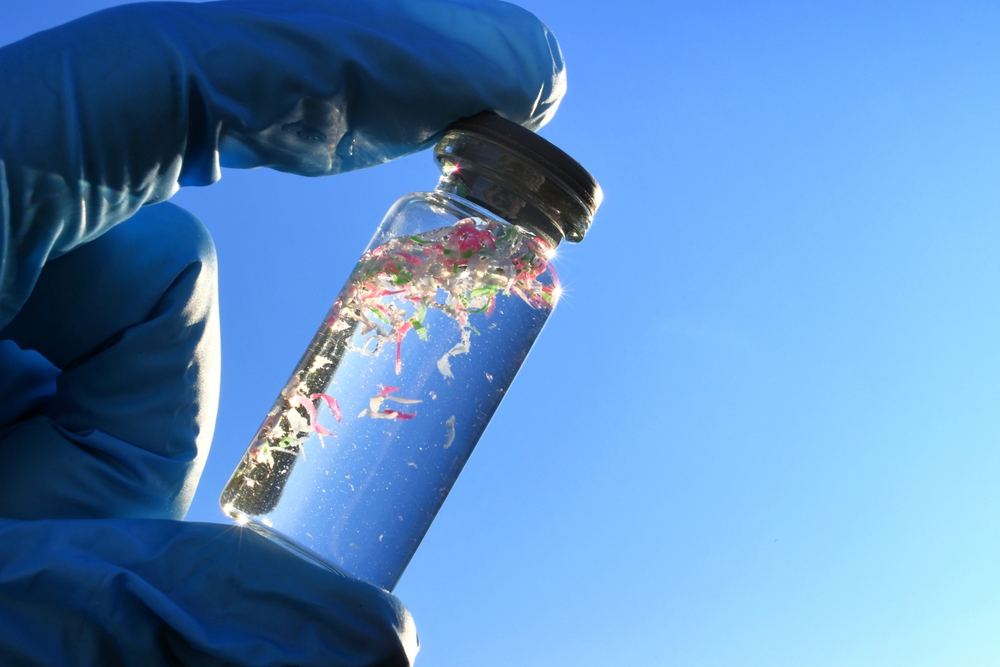
Heller has a clear answer on the scalability question, at least for now. “Because ferrofluid is currently expensive to produce at a large scale,” she said, “I see this as a system for individual home use.”
She envisions the device fitting beneath a standard kitchen sink, operating quietly and requiring minimal attention from the homeowner. Given that her prototype already recycles nearly 90 percent of its ferrofluid, the recurring cost of ownership could stay well below what membrane-based systems demand over time.
Her immediate next step is professional validation. She wants independent laboratories to confirm the results she produced at home, a process that would also help identify areas for refinement before any commercial launch. “I would love to eventually bring it out to market,” Heller said. “I think that would be something that would be really interesting.”
At 18, Heller has time, talent, and a working proof of concept. Whether her ferrofluid filter ends up under millions of kitchen sinks or inspires a new generation of membrane-free filtration research, she has already answered a question that too many adults left on the table. When no one else was going to fix the water, she walked into her garage and started building.