
When reaching for a plastic water bottle or heating a quick meal, few consider what might be left behind long after the convenience has passed. While the environmental toll of plastic pollution is widely recognized, a startling new wave of scientific research has turned the focus inward, uncovering an unsettling reality about human anatomy. Microscopic fragments of the very materials that define modern life are now slipping past the body’s most secure biological defenses and quietly taking up residence in the human brain—transforming a global ecological crisis into an intimate, highly personal health concern.
The Rising Tide of Microplastics in the Brain
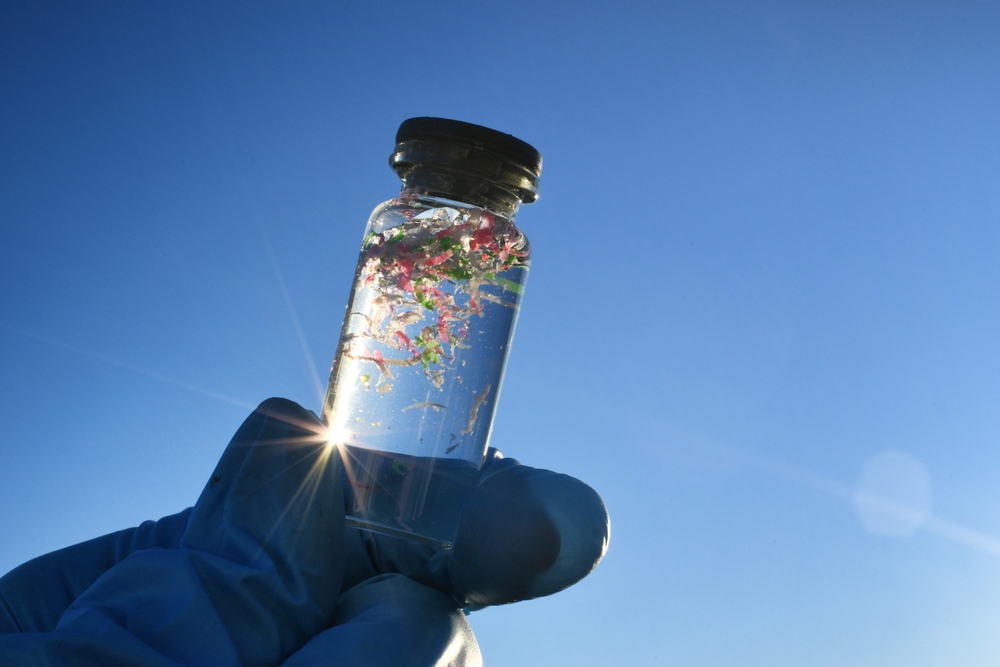
Plastic is everywhere in daily life, from grocery packaging to electronics. However, new research shows these materials are also steadily building up inside the human body, specifically in the brain.
A recent pre-print study led by Matthew Campen, a toxicologist at the University of New Mexico, examined tissues from autopsied bodies. The results were clear and concerning. Brain samples collected in early 2024 contained an average of 0.5 percent plastic by weight. When researchers compared these 91 brain samples to other vital organs like the liver and kidneys, they found that the brain held 10 to 30 times more plastic material.
The sheer volume of these particles surprised the research team. Campen noted the gravity of the findings, stating, “There’s much more plastic in our brains than I ever would have imagined or been comfortable with.”
What makes this discovery even more notable is how quickly the numbers are changing. The study found that the amount of plastic in the 2024 brain tissue was about 50 percent higher than in samples from just eight years prior, in 2016. This upward trend closely follows the rising levels of microplastics found in the global environment.
Researchers now describe the brain as one of the most heavily plastic-polluted tissues ever sampled. While scientists are still working to understand what this means for long-term health, the data shows that microscopic synthetic particles are finding a way into highly sensitive biological systems.
How Plastics Reach the Brain
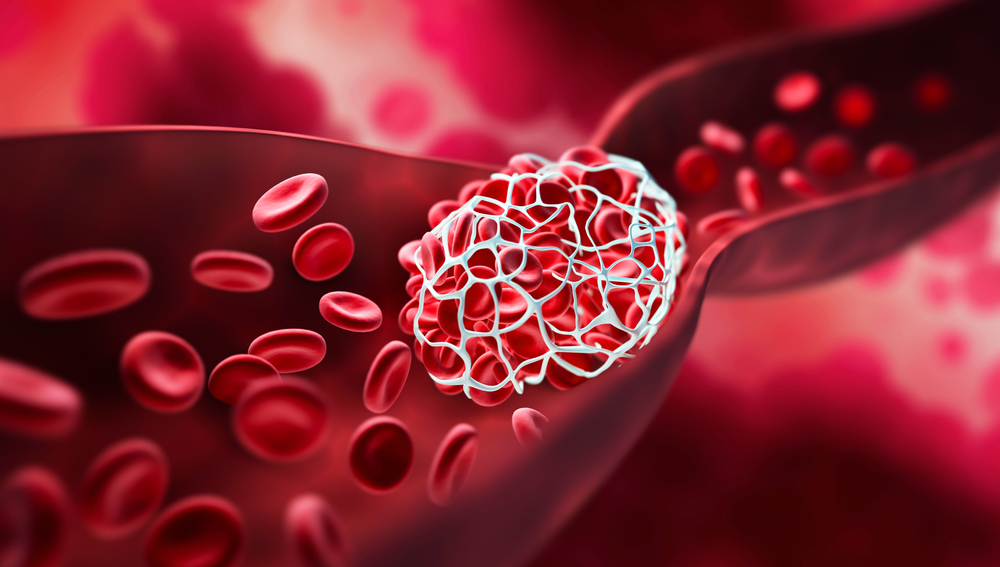
The body has a built-in defense system called the blood-brain barrier, which is designed to block harmful substances from reaching the central nervous system. However, scientists are discovering that microscopic plastics can slip past this protective shield.
This happens largely due to their incredibly small size. While microplastics can be as large as a pencil eraser, the particles reaching the brain are often nanoplastics. For scale, a human hair is about 80,000 nanometers wide. Nanoplastics are measured in billionths of a meter, making them small enough to enter individual cells.
Campen explains that these nanoplastics essentially hijack their way into the body. Because plastics have a natural affinity for fats, they easily attach to the dietary fats people consume. Since the human brain is about 60 percent fat, it is a prime destination for these particles as the body processes and distributes nutrients.
People encounter these particles through completely normal daily routines. Dr. Philip Landrigan, a pediatrician and biology professor at Boston College, notes that diet is the primary way plastics enter the body. However, inhalation is also a major factor. Particles become airborne from common sources like tires wearing down on highways or ocean waves, throwing microplastics into the air. Whether swallowed or inhaled, these nearly invisible fragments easily find a way inside.
The Body-Wide Impact of Microplastics

The accumulation of these particles extends far beyond neurological tissues. Recent studies have detected microscopic plastics in bone marrow, reproductive organs, human placentas, and the membranous lining of joints. In one Italian study, researchers found that patients with plastic particles in their carotid artery plaques were more than twice as likely to experience a heart attack, stroke, or death over the following 34 months.
The physical presence of these fragments is only part of the concern. Dr. Philip Landrigan describes microplastics as “Trojan horses” because they carry a multitude of chemicals used in plastic manufacturing. As nanoplastics invade individual cells, they can deposit endocrine disrupting chemicals, heavy metals, and phthalates directly into sensitive tissues. These substances are known to interfere with reproductive systems and have been linked to oxidative stress, cell damage, and inflammation.
Additionally, researchers noted a concerning observation regarding cognitive health. Brain samples from individuals who had died with dementia, including Alzheimer’s disease, contained up to ten times more plastic by weight than healthy samples.
Despite these correlations, the exact toxicological consequences in living humans remain a subject of intense study. The global scientific community emphasizes that while the potential health effects are highly concerning, the science is still evolving. Industry groups like the American Chemistry Council note that unvalidated measurement methods can sometimes lead to misleading outcomes. Furthermore, the Food and Drug Administration currently states that existing scientific evidence does not yet demonstrate that levels of microplastics found in food pose a definitive risk to human health.
Identifying the Plastics Inside Us
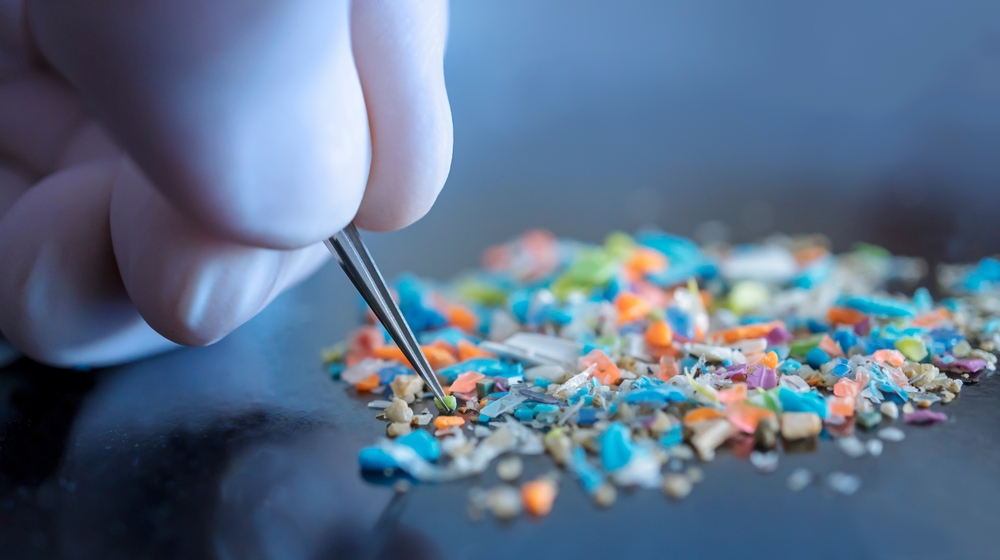
While the term “microplastics” covers a broad range of materials, researchers are pinpointing specific culprits accumulating in human tissue. The predominant type of plastic discovered in recent tissue samples, including the brain and reproductive organs, is polyethylene. This material is widely used in everyday items like grocery bags, packaging films, and water bottles. It is notoriously durable and not biodegradable, meaning it persists in the environment and, evidently, in the human body.
The issue with polyethylene goes beyond its physical presence. The production of various forms of this plastic, such as polyethylene terephthalate (PET), is a major contributor to environmental pollution. Industry data shows that manufacturing these plastics releases the solvent 1,4-dioxane into the surroundings. This chemical carries significant health risks. The US National Toxicity Program and the International Agency for Research on Cancer classify 1,4-dioxane as a possible human carcinogen.
Furthermore, a 2023 draft report from the Environmental Protection Agency highlighted that this solvent poses an unreasonable risk of injury to the health of plastics workers and communities where drinking water has been contaminated by factory discharges.
This interconnected web highlights how plastics present a hazard at every stage of their lifecycle, from creation to final product. Dr. Landrigan points out that while the full extent of the harm is not yet known, there are strong indications that these microscopic particles cause damage. Understanding exactly which types of plastics and associated chemicals are invading biological systems is a critical step in addressing the broader public health challenge.
How to Limit Microplastics in Your Daily Routine

While the scientific understanding of microplastics is still developing, experts recommend taking proactive steps to minimize daily exposure. Completely eliminating plastic from modern life is impossible, but reducing avoidable contact is a practical and protective measure:
- Rethink the microwave: Avoid heating food in plastic containers or wrappers. Heating accelerates the transfer of microplastics from the packaging directly into your meal. Transferring food to glass or ceramic plates before microwaving is a simple yet highly effective change.
- Swap your water bottle: A recent study revealed that a standard liter of bottled water can contain hundreds of thousands of plastic particles, the vast majority being nanoplastics. Switching to filtered tap water and using glass or stainless steel reusable bottles can drastically cut down this intake.
- Upgrade storage and shopping habits: Using cloth grocery bags instead of single use plastic bags, bringing stainless steel travel mugs to coffee shops, and opting for glass storage containers all contribute to a lower personal plastic footprint.
- Dust your home regularly: Airborne plastic particles often settle indoors. Regularly dusting the home, which traps these airborne particles, can be a highly beneficial habit.
These small, intentional habits empower individuals to protect their health while the global community works toward broader solutions for plastic pollution.
Source:
- Nihart, A. J., Garcia, M. A., Hayek, E. E., Liu, R., Olewine, M., Kingston, J. D., Castillo, E. F., Gullapalli, R. R., Howard, T., Bleske, B., Scott, J., Gonzalez-Estrella, J., Gross, J. M., Spilde, M., Adolphi, N. L., Gallego, D. F., Jarrell, H. S., Dvorscak, G., Zuluaga-Ruiz, M. E., . . . Campen, M. J. (2025b). Bioaccumulation of microplastics in decedent human brains. Nature Medicine, 31(4), 1114–1119. https://doi.org/10.1038/s41591-024-03453-1