Hospital patients trust intravenous infusions to deliver lifesaving fluids and medications. Doctors rely on IV bags to rehydrate the dehydrated, nourish the malnourished, and administer drugs to the critically ill. Millions of people receive IV treatments every year without questioning what flows through those clear plastic tubes.
Scientists just discovered something unsettling inside those bags. Researchers analyzing standard IV saline solutions found thousands of microscopic plastic particles floating in the filtered liquid. Not contaminants from external sources. Not accidental pollution during manufacturing. Particles are shed directly from the bags themselves into the fluids meant for injection.
Each 250-milliliter bag contains approximately 7,500 polypropylene microplastics. Ranging from 1 to 62 micrometers in size, these fragments are small enough to travel anywhere in the human body once injected. Blood carries them to the organs. Lungs trap them in narrow capillaries. Livers accumulate them in tissue.
Medical science spent decades warning about microplastic exposure through food, water, and air. Nobody thought to check the equipment pumping fluids straight into patients’ bloodstreams. Until now.
What Researchers Found Inside Standard Hospital IV Bags

Liwu Zhang and Ventsislav Kolev Valev led a research team investigating microplastic contamination in medical infusion bags. Published in the journal Environment & Health, their 2025 study analyzed two commercial brands of IV saline solution commonly used in hospitals worldwide.
Scientists emptied bags into glass containers at typical infusion rates of 40 to 60 drops per minute, mimicking real clinical conditions. After filtering the liquid to capture microscopic particles, researchers counted individual fragments and analyzed their composition using advanced detection methods.
Both brands contained polypropylene particles. The average concentration reached approximately 7,500 particles per liter of solution. Particle sizes spanned from 1 to 62 micrometers, with the vast majority measuring between 1 and 20 micrometers.
Brand 1 showed 52 percent of particles in the 1 to 10 micrometer range, 35 percent between 10 and 20 micrometers, and 7 percent in the 20 to 30 micrometer category. Brand 2 demonstrated a similar distribution: 68 percent of particles measured 1 to 10 micrometers, followed by 24 percent in the 10 to 20 micrometer range.
These measurements matter because particle size determines where microplastics travel and lodge inside the human body after injection.
Polypropylene Shedding: How Plastic Bags Contaminate Their Own Contents
IV bags are manufactured from polypropylene because of its transparency, chemical resistance, and sealing properties. Hospitals worldwide rely on polypropylene containers for their durability and compatibility with medical solutions.
But polypropylene degrades over time. Exposure to ultraviolet light catalyzes photo-oxidation, making plastic brittle. Temperature changes affect material stiffness. When the temperature rises from 23 to 40 degrees Celsius, polypropylene stiffness decreases by 20 percent.
Physical stress during manufacturing, shipping, and storage creates microscopic fractures in bag surfaces. Tiny fragments break away from the container walls and float into the saline solution inside. Chemical interactions between liquid and plastic accelerate degradation at the molecular level.
Polypropylene particles identified in the study match the composition of the bags themselves, confirming that containers shed microplastics directly into their contents. Solutions become contaminated before ever reaching a patient’s arm.
Measuring the Invisible: How Scientists Detected Microscopic Particles
Detecting microplastics requires sophisticated technology. Researchers employed Surface-Enhanced Raman Spectroscopy, an advanced technique combining Raman spectroscopy with plasmonic effects from metallic nanostructures.
Scientists created custom SERS substrates featuring inverted pyramid structures made of silicon and coated with gold. Each pit measured 1.5 by 1.5 micrometers. Surface plasmon resonance and lightning rod effects at pyramid edges concentrate electric fields, amplifying weak Raman signals from tiny plastic particles.
After filtering IV solutions, researchers concentrated the samples and deposited them onto SERS substrates. Scanning electron microscopy coupled with energy-dispersive spectroscopy confirmed particle composition and morphology. Carbon signatures matched polypropylene’s expected elemental makeup.
Scientists examined six random regions on each substrate, counting and measuring individual particles. Raman mapping confirmed polypropylene identification through characteristic spectral peaks at specific wavelengths. Statistical analysis extrapolated total particle counts across the entire sample.
Blank measurements ruled out contamination from laboratory sources. Researchers wore latex gloves and plastic-free fiber lab coats. Glass instruments underwent triple sonication with ultrapure water. Aluminum foil-covered containers to prevent airborne particle intrusion.
Size Matters: Particles Small Enough to Travel Anywhere in Your Body
Microplastic particles measuring 1 to 62 micrometers can access virtually any tissue in the human body. Blood vessels carry particles to distant organs. Capillary diameter determines where fragments lodge and accumulate.
Pulmonary capillaries measure 2 to 15 micrometers in diameter. Median particle size in this study reached 9.2 micrometers for brand 1 and 7.7 micrometers for brand 2. Most fragments fall within the size range that gets trapped in lung tissue.
Particles under 10 micrometers penetrate deeper into the body. About 60 percent of the detected microplastics measured between 1 and 10 micrometers. These fragments travel through narrow blood vessels, reaching organs that larger particles cannot access.
Shape also affects particle behavior. Electron microscopy revealed filamentous particles approximately 15 micrometers long, block-like fragments, and granular particles approaching 5 micrometers. Irregular shapes interact differently with blood vessel walls and organ tissues than spherical particles do.
From One Bag to Thousands of Particles: Calculating Exposure During Treatment

Medical treatments require varying amounts of IV fluid depending on condition severity and treatment duration. Researchers calculated microplastic exposure for common clinical scenarios.
Severe dehydration treatment involves replacing 4.2 to 5.6 liters of fluid for patients weighing 60 to 80 kilograms. Such treatment delivers between 31,500 and 42,000 microplastic particles directly into the bloodstream.
Hospitalized patients maintaining fluid balance require 13 to 16 bottles of 250-milliliter saline solution daily. Each patient receives 24,375 to 30,000 particles per day during standard hydration therapy.
Abdominal surgery patients receive approximately 7 liters of fluid on surgery day. Surgical patients face exposure to 52,500 polypropylene particles pumped into their blood during a single procedure.
Labor and delivery present another exposure scenario. Mothers receive about 240 milliliters per hour during an average labor lasting 4.1 hours. Each laboring mother gets approximately 7,380 particles during childbirth.
Emergencies involve rapid fluid administration. Correcting hypotensive shock requires at least 500 milliliters of fluid in 15 minutes, delivering 3,750 particles. Fluid resuscitation uses 0.5 to 1 liter in 30 minutes, administering up to 7,500 particles.
Where These Particles End Up Once Inside Your Blood
Microplastics injected into bloodstreams don’t disappear. Studies confirm their presence in multiple human organs and tissues.
Researchers examining 304 individuals found polyethylene in plaque removed from carotid arteries. Polymers appeared in 58.4 percent of patients. People with detected polymers faced over 4.5 times higher risk for fatal events during 34-month follow-up periods.
Scientists studying human thrombus examined 26 blood clots. Sixteen contained particles ranging from 2.1 to 26 micrometers, with 69 percent smaller than 10 micrometers. Polyethylene microplastics were confirmed among other particulate matter.
Animal studies reveal organ distribution patterns. Polystyrene microspheres 1.27 micrometers in diameter injected into rabbit bloodstreams accumulated mainly in the livers, with deposits also in the spleens and lungs. Particles measuring 15.8 micrometers lodged primarily in lungs, fewer in livers, and none in spleens.
Human liver tissue from cirrhosis patients contained microplastics from six different polymers. Particles ranged from 3 to 29.5 micrometers with a median of 9.8 micrometers. Healthy control patients showed no liver microplastic accumulation.
Human placentas prove permeable to polypropylene particles 5 to 10 micrometers in size, raising concerns about fetal exposure during pregnancy.
Why Particle Size Matches Capillary Diameter Perfectly
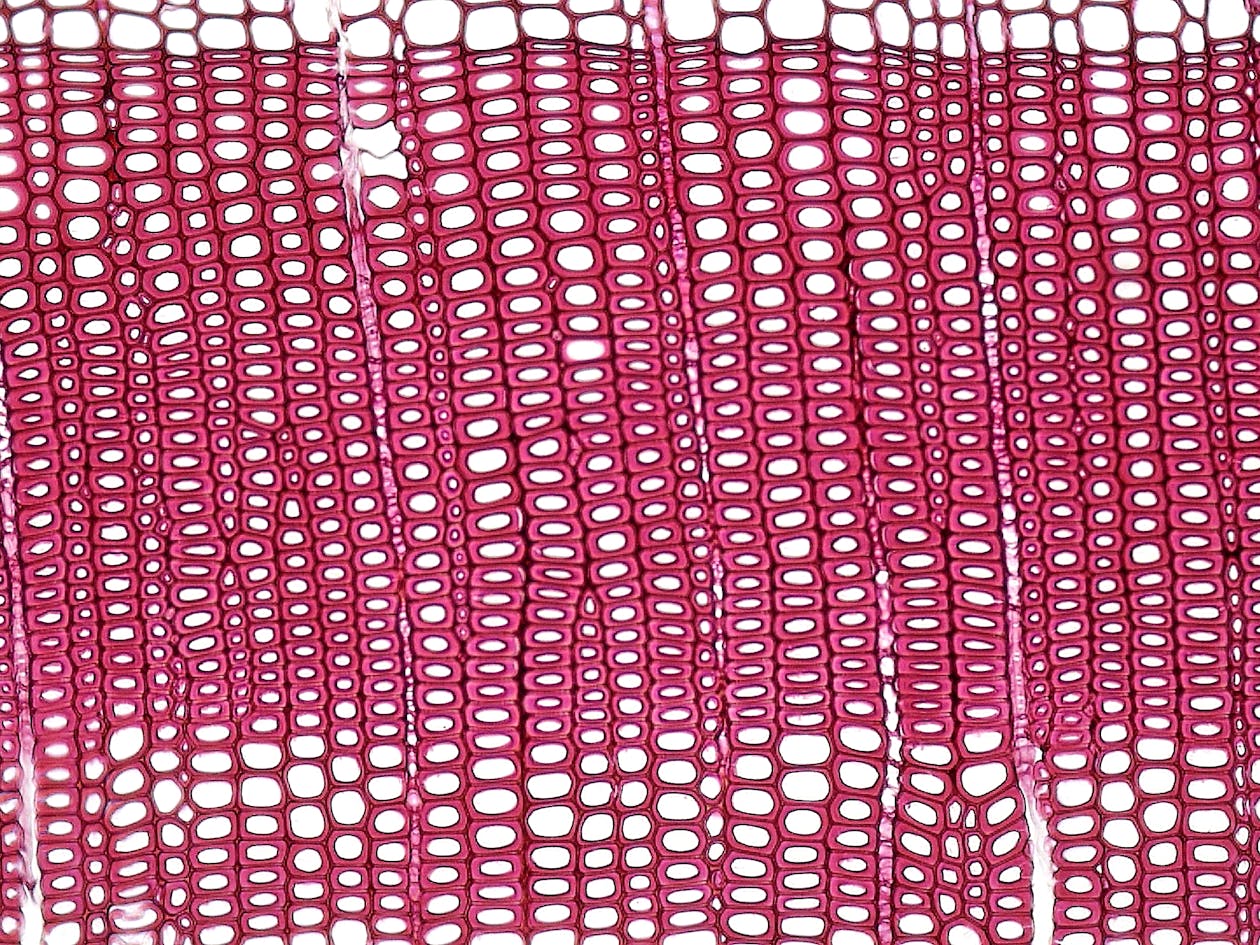
Lungs face particular vulnerability to intravenous microplastic administration. Pulmonary capillaries average 2 to 15 micrometers in diameter. Particles detected in IV bags measure predominantly within this exact range.
Blood flows from the heart directly to the lungs before circulating to other organs. Microplastics enter lung capillaries, where size creates physical obstruction problems. Particles too large to pass through narrow vessels become trapped, blocking blood flow.
One documented case involved a 26-year-old woman receiving total parenteral nutrition. She developed a fever reaching 38.9 degrees Celsius and shortness of breath with oxygen saturation dropping to 88 to 91 percent. Lung biopsy revealed widespread thromboses in artery branches, blood vessel damage, and granuloma formation.
Particulate matter ranging from 0.5 to 650 micrometers caused her respiratory complications. Discontinuing intravenous nutrition allowed full recovery, confirming infused particles as the cause.
Physical Damage: Inflammation, Blood Clots, and Organ Dysfunction
Microplastics trigger biological responses beyond simple physical obstruction. Particles induce inflammation, genotoxicity, apoptosis, and necrosis in affected tissues.
“In critically ill children, it has been reported that infused particles are associated with significant complications, such as inflammation or organ dysfunctions,” researchers noted.
Inflammatory responses occur when the immune systems recognize foreign particles. White blood cells attack microplastics, releasing chemical signals that damage surrounding healthy tissue. Chronic inflammation leads to fibrosis as damaged tissue scars.
Blood clotting represents another serious complication. Microplastics activate coagulation pathways, forming thrombi that block blood vessels. During cardiac surgery, infused particles can trigger organ malfunction through coagulation cascades.
Granulomas form when immune cells encapsulate foreign particles in fibrous tissue. While granulomas isolate contaminants, they also interfere with normal organ function by replacing healthy tissue with scar formations.
Why Current Systems Can’t Stop These Particles
Standard hospital filtration systems cannot remove microplastics from IV fluids. Researchers detected particles after solutions passed through 0.2-micrometer polycarbonate filters commonly used in clinical intravenous infusion.
Particles identified in the study had already survived filtering designed to remove contaminants. Current medical protocols provide no barrier against microplastic entry into patients’ bloodstreams.
The filter pore size determines which particles get captured. While 0.2-micrometer filters catch bacteria and large contaminants, most microplastics measure substantially larger and should theoretically be trapped. Yet thousands of particles pass through into filtered solutions.
Irregular particle shapes may allow fragments to squeeze through filter pores despite exceeding nominal size limits. Flexible polypropylene can deform under pressure, passing through openings that would block rigid particles of similar dimensions.
Solutions on the Table: Better Filters and Smarter Storage

Researchers recommend several measures to reduce microplastic contamination in IV fluids. Storage conditions significantly affect particle shedding rates.
“In summary, our findings highlight an aspect of plastic pollution that affects humans most directly, as [microplastics] are being injected into the bloodstream. This pathway was identified years before the landmark report on the effects of plastic pollution on marine life; yet, it has received much less attention,” the study authors wrote.
Protecting IV bags from ultraviolet light and heat exposure could minimize polypropylene degradation. Temperature-controlled storage facilities with light-blocking protocols would reduce particle formation.
Micrometer-level filtration systems installed directly before infusion could capture particles after they leave bags but before entering the patient’s bloodstream. Enhanced filtration adds cost and complexity but might eliminate microplastic exposure.
Alternative materials resistant to microplastic shedding could replace polypropylene for IV bag manufacturing. Glass containers avoid plastic degradation but add weight, fragility, and expense.
Optimized closed infusion systems minimize contamination from external sources while potentially reducing particle migration from container walls. Better quality control throughout manufacturing and supply chains could ensure compliance with stricter contamination standards.
What This Discovery Means for Medical Safety
Medical science spent decades perfecting intravenous therapy to save lives. Nobody suspected the delivery mechanism itself might introduce thousands of plastic particles directly into human circulation.
What this discovery provides is opportunity. Hospitals can implement better storage protocols immediately, protecting IV bags from heat and UV light that accelerate degradation. Manufacturers can develop enhanced filtration systems. Researchers can prioritize clinical studies measuring actual health impacts.
Unlike environmental contamination requiring global cooperation and decades of effort, this source operates within controlled medical systems where targeted interventions could work quickly. Alternative materials, improved manufacturing controls, and point-of-use filtration could eliminate this exposure pathway.
Identifying microplastic contamination doesn’t diminish medical achievements. Rather, it challenges healthcare to evolve once again, protecting patients from newly recognized risks while preserving proven treatment benefits. Knowledge empowers action. What happens next depends on how seriously medical communities take this discovery.