Bacon is often the centerpiece of a comforting breakfast, a food so beloved that we tend to overlook its questionable reputation. However, a major declaration by global health authorities suggested that this morning staple poses a risk far more serious than just high cholesterol.
While the headlines about cancer risks grabbed attention, the real story involves a decades-long battle over chemical additives and a food industry desperate to keep the truth hidden. Understanding the science behind that savory slice might make you reconsider what is actually on your fork.
The Hard Numbers on Processed Meat and Cancer Risk
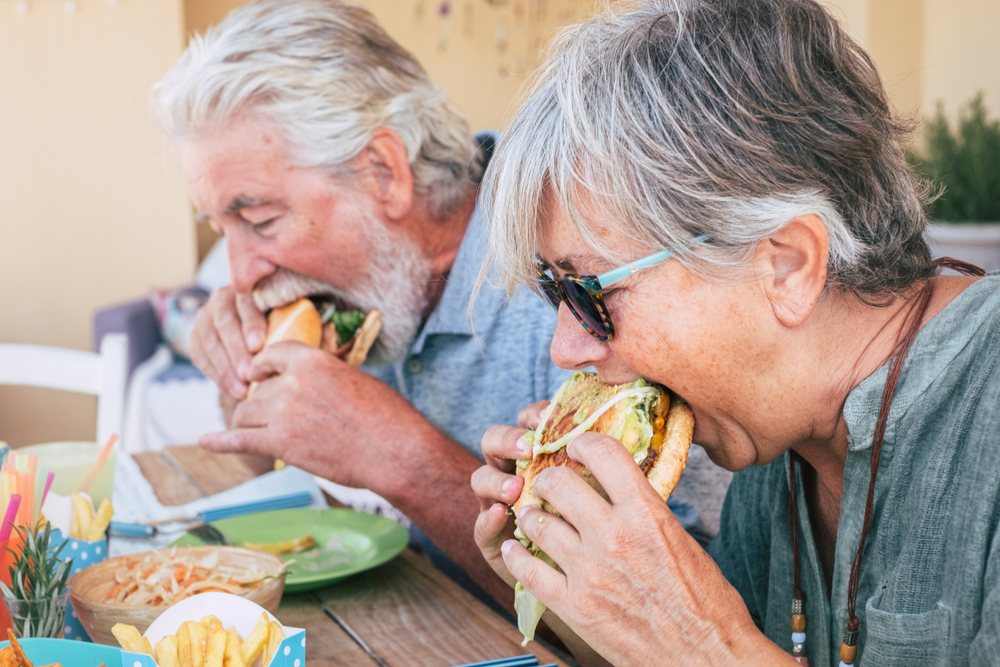
Bacon is often viewed as a simple, harmless pleasure, a staple of weekend breakfasts and comfort food. This perception changed drastically in October 2015 when the World Health Organization (WHO) officially classified processed meats like bacon, ham, and sausages as a Group 1 carcinogen. This was not a vague health scare; it was a definitive conclusion reached by 22 cancer experts from 10 countries after reviewing over 400 studies.
This classification places these popular meats in the same category as arsenic, asbestos, and tobacco. While that grouping is alarming, it requires context. Being in Group 1 means the evidence proving the link to cancer is strong, not that a bacon sandwich is as deadly as a cigarette. Smoking causes approximately 86% of lung cancers, whereas processed meats are linked to roughly 21% of bowel cancers. The danger is on a different scale, but the link is undeniably real.
The statistics provide a clear warning. The WHO advises that consuming just 50 grams of processed meat daily, roughly equivalent to two slices of bacon or one hot dog, increases the risk of bowel cancer by 18% over a lifetime. According to Cancer Research UK, if everyone in Britain stopped eating processed or red meat, there would be 8,800 fewer cancer cases annually. Consequently, the instruction to “eat less processed meat” has become one of the few indisputable pieces of evidence-based health advice.
How Nitrates Turn Meat Into a Carcinogen
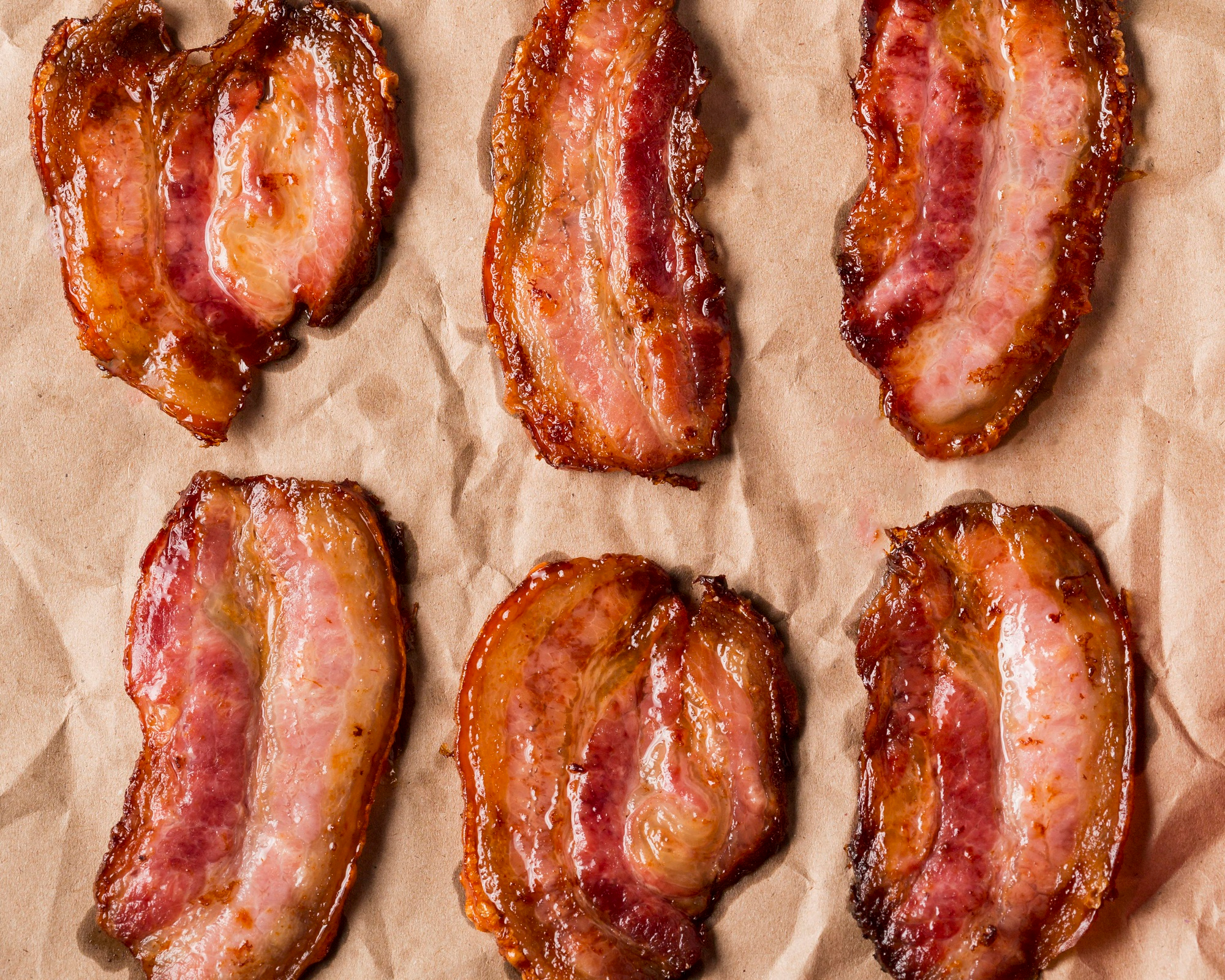
When you choose bacon or ham at the store, you likely look for a healthy, appetizing pink color. However, that specific hue is exactly what consumers should worry about. The pinkness is not the result of natural preservation; it is a sign that the meat has been treated with chemicals, specifically potassium nitrate and sodium nitrite. French journalist Guillaume Coudray suggests we should stop calling this “processed meat” and start calling it “nitro-meat” to accurately reflect what we are eating.
These additives are used to cure the meat, preserve it, and create that characteristic salty flavor. On their own, nitrates are found naturally in vegetables like spinach and celery. The meat industry often uses this fact to defend their products, arguing that if vegetables are safe, bacon must be too. However, the chemistry changes completely when these compounds are added to meat.
When nitrates interact with heme iron and amines found in red meat, they form N-nitroso compounds, most notably nitrosamines. These are the real danger. Nitrosamines are known carcinogens. When a person eats bacon, the gut receives a dose of these compounds, which damages the cells lining the bowel and can eventually lead to cancer.
This is not new science. Researchers have known since the 1950s that nitrosamines cause malignant tumors in animals. William Lijinsky, a cancer scientist, argued as far back as 1976 that we must assume these compounds are carcinogenic to humans as well. The danger lies specifically in this chemical reaction, differentiating a slice of nitrate-cured bacon from a fresh pork chop or a vegetable rich in natural nitrate
The Great Bacon Cover-Up
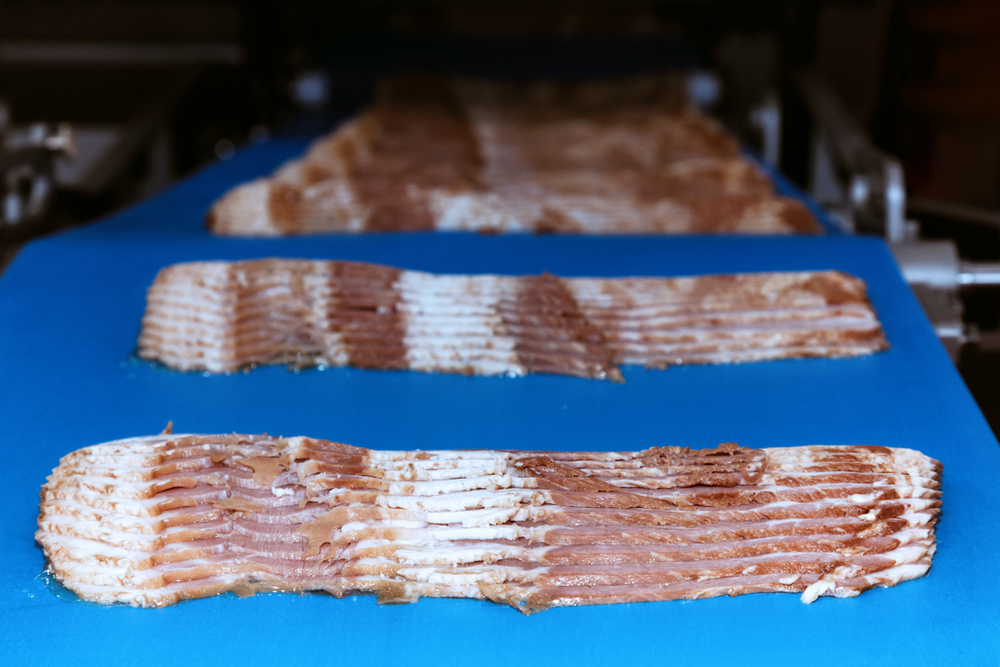
The meat industry has effectively dodged regulation for decades, specifically using a “botulism defense” to silence health concerns. During the 1970s, the US saw a “war on nitrates” where public health officials pushed to protect consumers. In 1973, Leo Freedman, a toxicologist for the FDA, publicly confirmed that nitrosamines are carcinogenic to humans.
To protect their product, the industry adopted a strategy that Marion Nestle, a professor of nutrition at New York University, describes as being “right out of the tobacco industry’s playbook.” Their main argument was that nitrates were necessary to prevent botulism, a potentially fatal toxin. Industry leaders argued that bacon actually saved lives by preventing food poisoning.
This defense worked to delay bans, but real-world evidence contradicts the necessity of these chemicals. For the past 25 years, Parma ham producers in Italy have used only salt to cure their meat, completely removing nitrates and nitrites. Despite this, there has not been a single reported case of botulism associated with it. In reality, most rare cases of botulism arise from improperly preserved vegetables, not cured meats. The botulism scare served as a successful smokescreen, allowing the industry to continue business as usual while casting doubt on the cancer risks.
The Trap of “Nitrate-Free” Labels and Genuine Alternatives
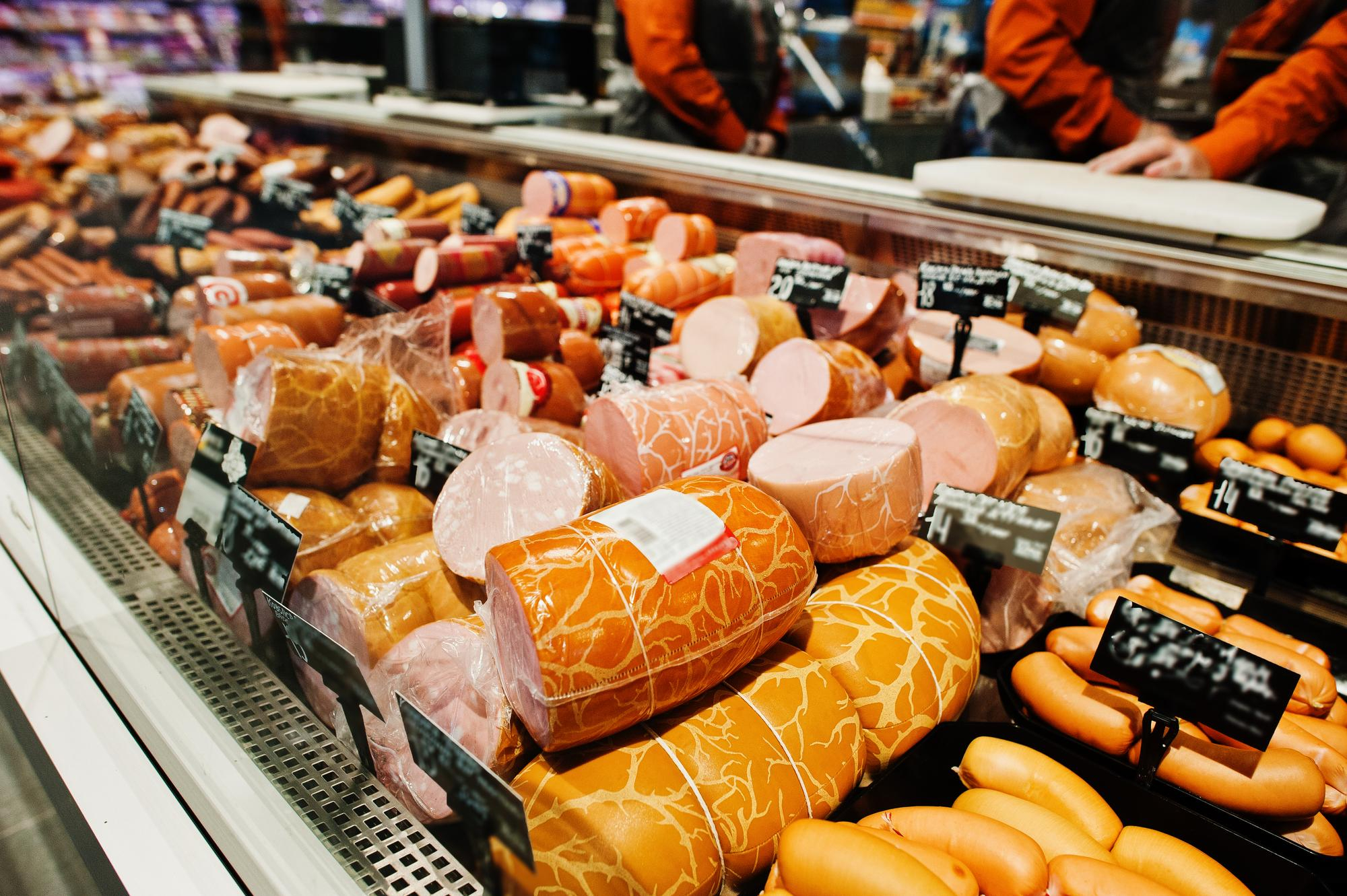
Shoppers trying to make healthier choices often face a confusing landscape of labels. Many products in the US marketed as “nitrate-free” or “uncured” are actually misleading. According to Jill Pell from the Institute of Health and Wellbeing, these products often replace synthetic nitrites with celery extract. While the source is natural, the chemical result is identical. The celery extract interacts with the meat to produce the same harmful N-nitroso compounds as standard bacon.
However, the technology to produce truly safer meat already exists. In 2009, Spanish food scientist Juan de Dios Hernandez Canovas discovered that specific fruit extracts could preserve the pink color of pork without triggering the creation of carcinogens. This breakthrough allows for the production of bacon that is genuinely free from nitrates and nitrites. Brands like Finnebrogue in the UK have successfully used this method to sell “Naked Bacon,” proving that carcinogenic additives are not essential for a viable product.
Consumers also need to distinguish between different types of breakfast meats. There is a common misconception that all sausages are processed meats. In reality, the average fresh sausage is made of minced meat, breadcrumbs, and spices, without the curing chemicals found in bacon. Experts at the National Cancer Institute confirm that fresh sausages are typically classified as red meat rather than processed meat. While red meat has its own health considerations, it does not carry the same high-level carcinogenic risk as nitrate-cured bacon and ham.
Smart Swaps and Shopping Tips

You do not need to become a vegan overnight to protect your health. Small, informed changes at the grocery store can significantly reduce your exposure to harmful chemicals while still allowing for an occasional indulgent breakfast.
- Check the Ingredients, Not the Slogan: Ignore the “all natural” or “farm fresh” labels on the front of the package. Turn the pack over. If you see specific words like “sodium nitrite” or “potassium nitrate,” put it back. Be careful with “uncured” bacon too. If the ingredients list “celery powder” or “celery juice,” it likely creates the same chemical reaction as the synthetic stuff.
- Swap Bacon for Fresh Sausage: Many people assume all breakfast meats are equal, but they are not. High quality fresh sausages are typically made of minced meat and spices, not cured with cancer causing chemicals. Swapping your daily bacon for a fresh pork sausage or fresh pork belly drastically lowers your intake of nitrates.
- Go Traditional with Ham: If you want a ham sandwich, look for Prosciutto di Parma or authentic Parma ham. By law, these products are cured using only salt and time. They offer that savory, salty flavor without the chemical additives found in standard deli meats.
- Watch Your Heat: When you do eat bacon, avoid cooking it until it is charred or black. Burning meat creates a different set of harmful compounds called heterocyclic amines. Cook it gently rather than blasting it to a crisp.
Finally, treat processed meat as a rare treat rather than a daily staple. Since the risk increases with the amount consumed, reducing frequency is the most practical step for most people.
The Final Verdict: Vote with Your Fork

We are sentimental about bacon in a way we never were about cigarettes. The smell evokes memories of family breakfasts and comfort. That emotional connection makes it easy to ignore the science and forgive the industry for pumping meat full of carcinogenic chemicals just to save a few cents on production. But nostalgia shouldn’t come at the cost of your long-term health.
The goal isn’t necessarily to never touch a slice of bacon again. For most people, total abstinence is unrealistic and miserable. The goal is to strip away the industry’s smokescreen and see these products for what they are: a processed indulgence that carries real risks, not a harmless daily staple.
You have the power to force a change. The meat industry argues that consumers want bright pink, nitrate-cured meat, but that is only because we haven’t demanded an alternative. If we stop buying the cheap, neon-pink stuff and start choosing fresh pork, authentic salt-cured ham, or genuinely nitrate-free options, manufacturers will listen. They follow the money.
Until safer options become the standard, treat processed meat with the same caution you would a sugary soda or a cocktail. Enjoy it on rare occasions if you must, but don’t let it be a fixture of your daily diet. Your health is worth more than a moment of salty satisfaction.