Breaking a bone means months of recovery. Surgery often requires slicing through tissue, drilling holes, and inserting metal plates and screws. Patients endure pain, risk infection, and face a second operation later to remove the hardware.
A Chinese research team just changed that equation. Scientists at Zhejiang University developed an injectable adhesive that bonds shattered bone fragments in three minutes. One injection through a small incision replaces hours of surgery and months of healing time. No metal plates. No screws. No second surgery to remove implants.
Early trials show patients walking out with fully stabilized fractures after a procedure shorter than a coffee break. Follow-up examinations three months later reveal complete healing without complications.
Doctors call the substance Bone-02. It works in conditions where traditional adhesives fail: wet, bloody environments inside the human body where bones move and tissues shift. Engineers spent years developing it after observing how marine life solves similar adhesion challenges underwater.
Injectable Adhesive That Bonds Shattered Bones on Contact
Lin Xianfeng leads the research team at Sir Run Run Shaw Hospital, affiliated with Zhejiang University in Hangzhou. An associate chief orthopedic surgeon, Lin watched countless procedures where skilled surgeons spent hours reconstructing fractured bones with imperfect results.
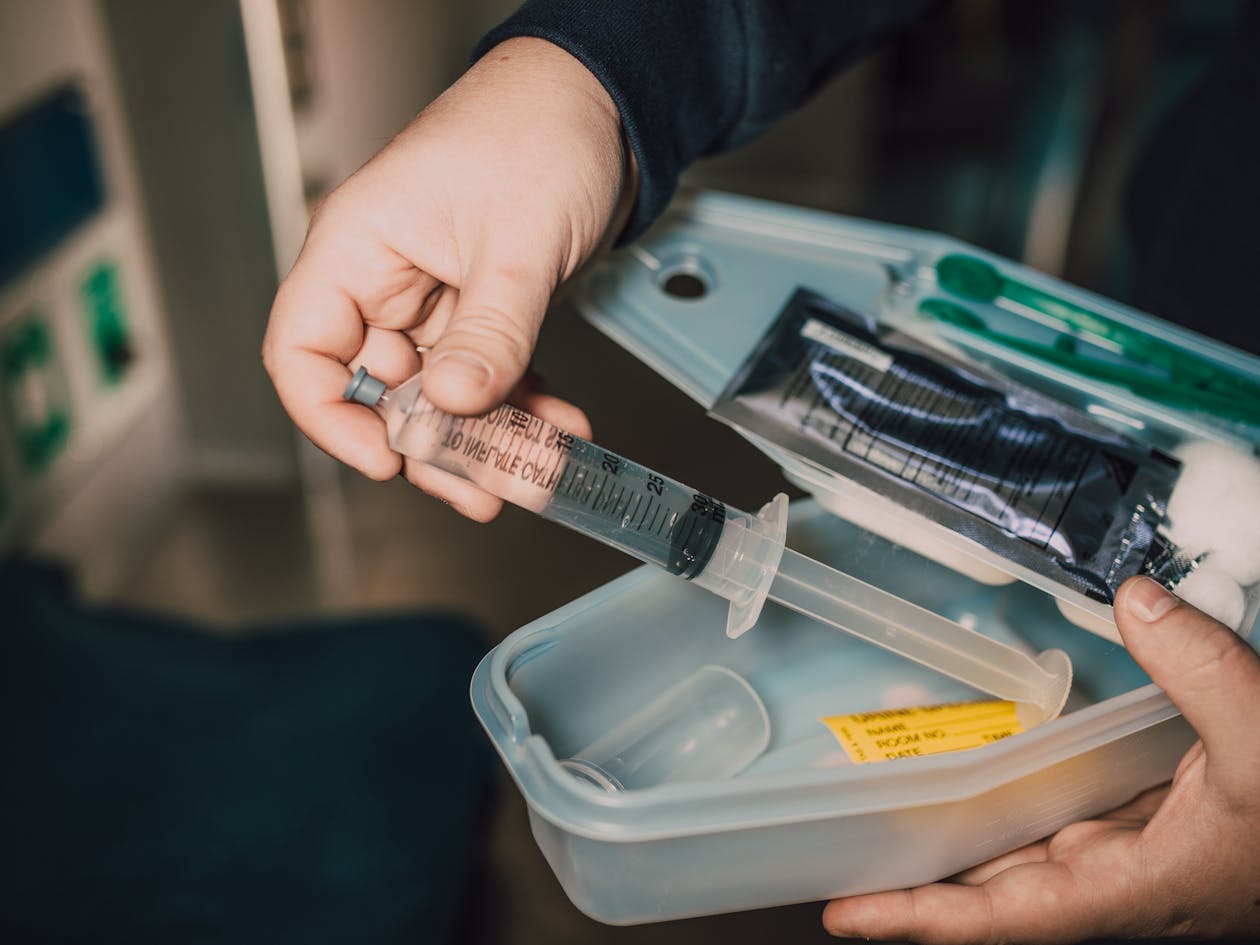
Bone-02 emerged from those frustrations. Lin and his team designed a bio-adhesive that mimics natural bonding mechanisms found in marine organisms. Delivered through injection, the glue penetrates fracture sites and hardens within two to three minutes.
“The adhesive can achieve precise fixation within two to three minutes, even in a blood-rich environment,” Lin explained.
Clinical trials demonstrate effectiveness across different fracture types. Wrist fractures, traditionally requiring extensive hardware, now receive treatment through 3-centimeter incisions. Complex breaks that would demand multiple plates and screws bond together with a single injection.
Laboratory testing confirmed that Bone-02’s mechanical properties match or exceed requirements for load-bearing fracture repair. Safety profiles show reduced infection rates compared to metal implant procedures. Biocompatibility testing reveals that the substance integrates with bone tissue without triggering rejection responses.
Why Traditional Fracture Surgery Takes So Long and Hurts So Much

Orthopedic surgery ranks among the most invasive medical procedures. Fixing a broken wrist requires cutting through skin, muscle, and connective tissue to expose the fracture site. Surgeons drill holes into bone fragments, insert metal plates, and secure everything with screws.
Recovery takes months. Patients endure pain from both the fracture and the surgical trauma. Physical therapy helps restore the range of motion lost during immobilization. Many people never regain full function.
Metal hardware creates additional problems. Plates and screws remain as permanent foreign objects unless removed. Some patients feel discomfort from implants, especially in cold weather. Athletes often request hardware removal to regain peak performance.
Removal surgery requires another round of anesthesia, incisions, and recovery time. Surgeons must extract screws without damaging the bone that has grown around them. Plate removal leaves holes that temporarily weaken the bone structure.
Infection risk accompanies every surgery. Metal implants can harbor bacteria that form biofilms, making infections difficult to treat. Some patients develop sensitivity reactions to surgical steel or titanium alloys.
Children face particular challenges. Growing bones require repeated surgeries to adjust or remove hardware as they develop. Each procedure carries risks and interrupts normal childhood activities.
Solving the Problem No Regular Glue Could Fix
Fracture sites present hostile conditions for adhesives. Blood continuously flows through broken bone ends. Synovial fluid lubricates joints near fracture locations. Muscles contract and relax, creating constant motion.
Commercial adhesives fail in these environments. Super glue dissolves in moisture. Epoxy resins cannot penetrate blood-soaked tissues. Medical adhesives designed for skin or soft tissue lack the strength to stabilize bone fragments under load-bearing stress.
Bone moves even when immobilized in casts. Walking creates forces that travel through the skeletal system. Breathing expands and contracts the ribcage. Simple movements like reaching or turning generate mechanical stress at fracture sites.
Temperature variations inside the body affect adhesive performance. Chemical environments shift as inflammation responses activate. PH levels fluctuate during healing. Any adhesive must maintain bond strength through all these changes.
Bone-02 solves these challenges through biomimicry. Rather than fighting against biological conditions, the glue works with them. Blood and moisture actually help activate the bonding mechanism instead of interfering with it.
How Oysters Clinging to a Bridge Sparked a Medical Revolution
Lin’s breakthrough came in 2016 while still a resident physician. Hours spent in operating rooms watching surgeons struggle with complex fractures convinced him that better solutions must exist. Nature had millions of years to develop adhesion strategies for wet, dynamic environments.
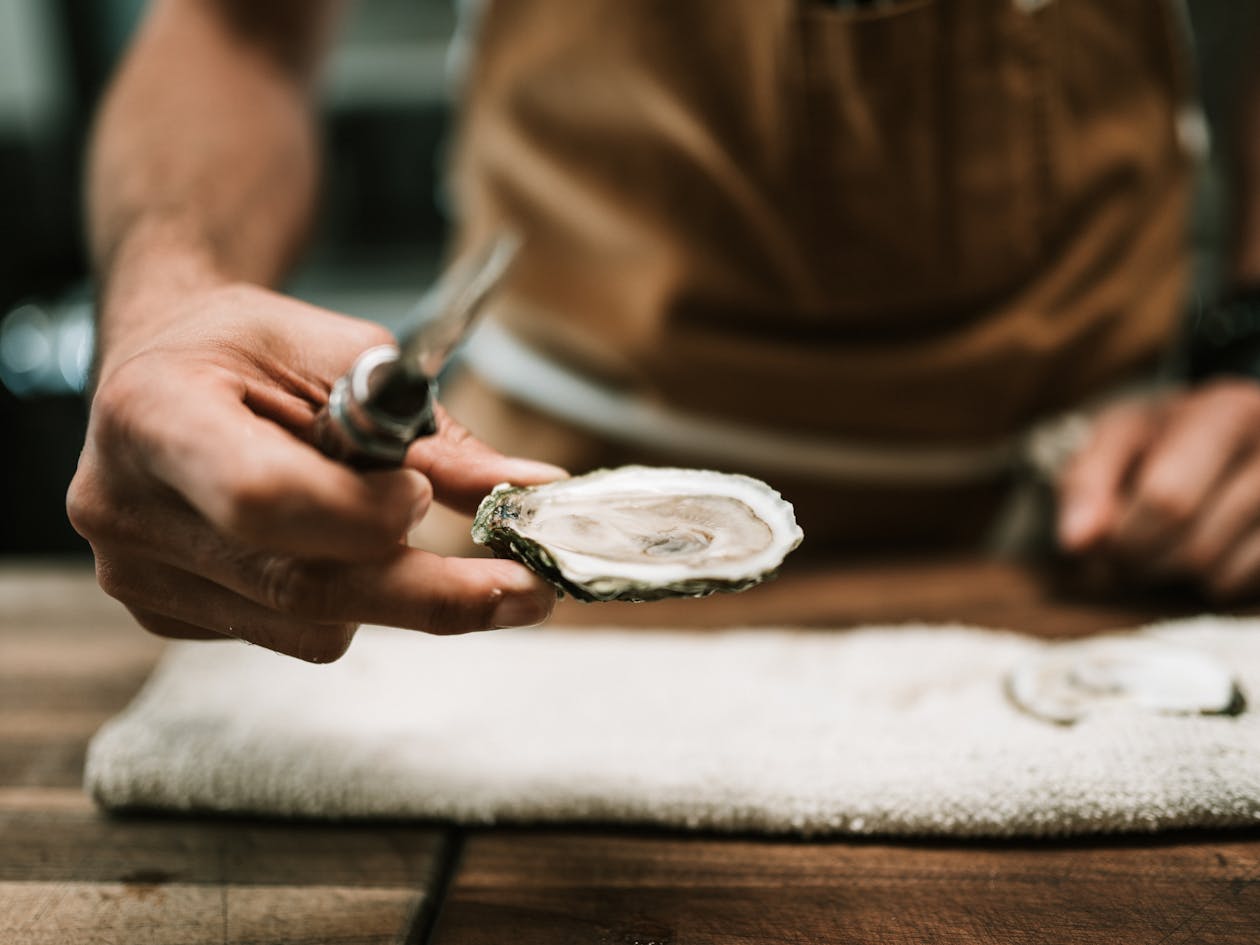
Walking near water one day, Lin noticed oysters attached firmly to a bridge piling underwater. Ocean waves crashed against them constantly. Tides shifted water levels twice daily. Salt water corroded metal and concrete. Yet oysters remained fixed in place through forces that would destroy human-made adhesives.
Oysters secrete a protein-rich bio-cement that forms chemical bonds with surfaces in conditions where regular glues fail. Unlike synthetic adhesives that require dry surfaces, oyster cement works specifically in wet, salty, turbulent water. Bio-cement creates tough bonds that resist both pressure and erosion.
Scientists studying oyster adhesion discovered the mollusk’s cement forms strong chemical interactions with surfaces and hardens rapidly. Proteins in the secretion cross-link with minerals and organic materials, creating a matrix stronger than many artificial compounds.
Lin recognized parallels between oyster habitats and fracture sites. Both environments feature constant moisture, salt (sodium in blood), movement, and mechanical stress. If oysters could stick to rocks underwater, similar chemistry might bond bones inside the human body.
His team spent years developing synthetic compounds that replicate oyster bio-cement properties. Engineers adjusted molecular structures to work with bone tissue instead of rock. Chemists modified hardening rates to match surgical timelines. Biomedical specialists ensured compatibility with human physiology.
Inside the Injection: Three Minutes From Broken to Bonded
Bone-02 treatment begins with a small incision, typically around 3 centimeters long. Surgeons locate the fracture site using imaging guidance. A needle delivers the adhesive directly between broken bone fragments.
Blood at the fracture site does not interfere. Bone-02 activates on contact with moisture, using blood and tissue fluids to trigger its bonding mechanism. Proteins in the glue interact with minerals in bone, creating chemical cross-links.
Hardening begins immediately. Within two to three minutes, the adhesive achieves structural stability sufficient to hold bone fragments in position. Surgeons can verify alignment before the glue fully sets, making adjustments if needed.
Once bonded, the fracture site becomes stable enough to support limited weight. Patients avoid the weeks of complete immobilization required after traditional surgery. Early mobilization helps maintain muscle strength and joint flexibility.
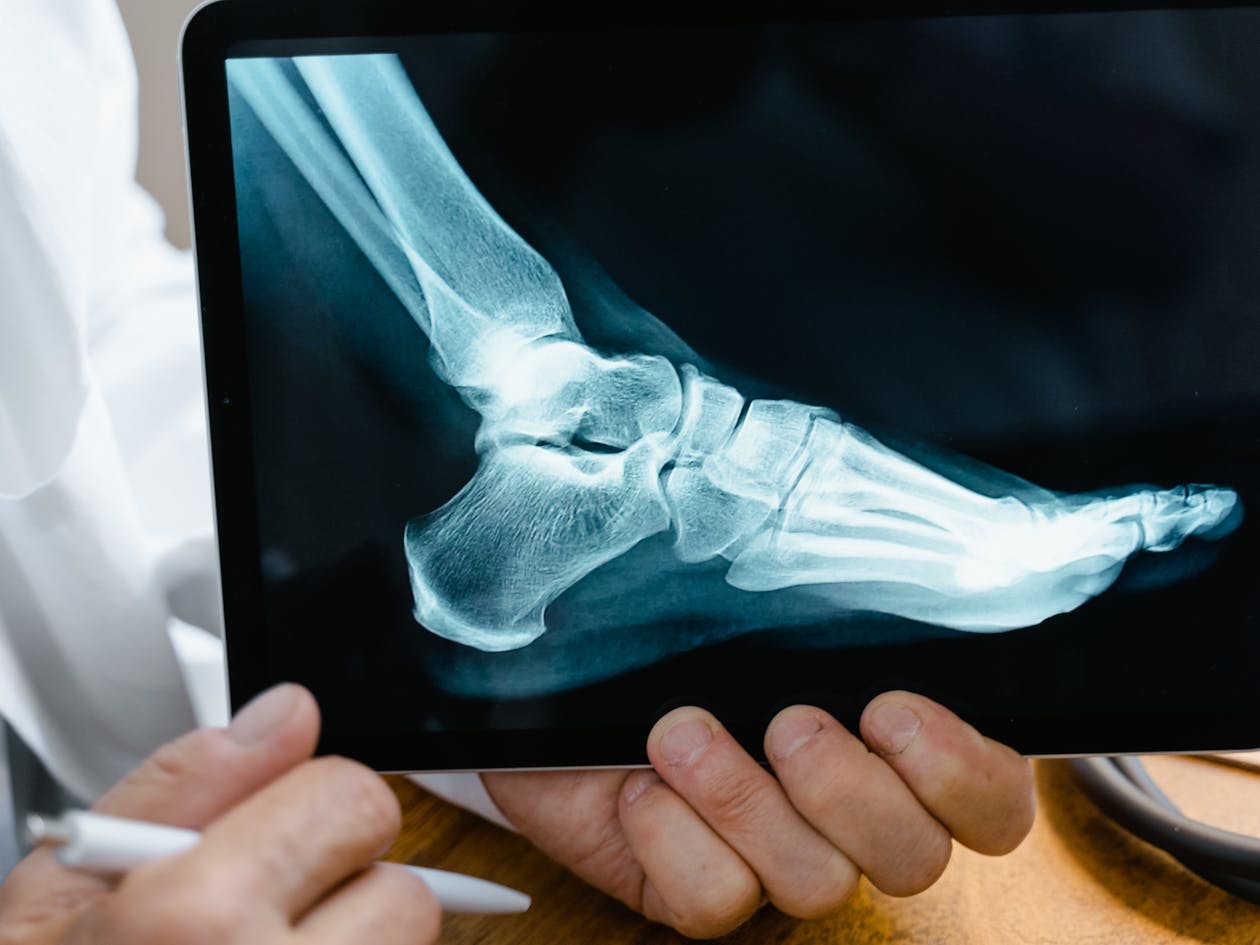
Imaging after treatment shows glue distribution through the fracture gap. Bone-02 fills spaces between fragments, creating a continuous matrix that transfers loads across the repair site. X-rays confirm proper alignment and bone apposition.
Wrist Fracture Healed Without Metal Hardware
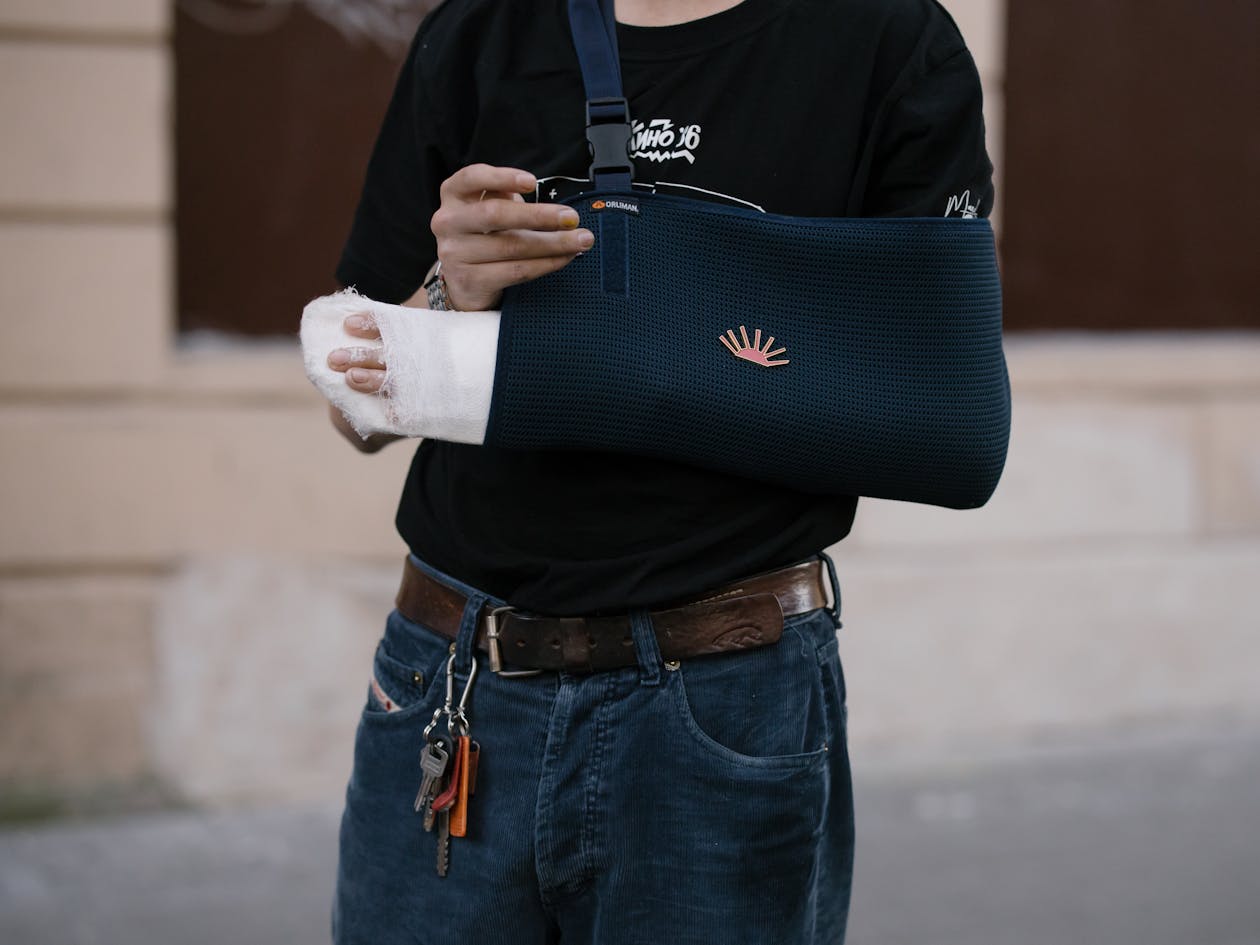
Clinical trials included a patient with a wrist fracture who received Bone-02 treatment through a single injection. Surgeons made a 3-centimeter incision, delivered the adhesive, and completed the procedure in under three minutes.
Traditional treatment for the same injury would have required a substantially larger incision to accommodate metal plates and screws. Surgery would have lasted over an hour. Recovery would have demanded months of limited use followed by a second operation to remove hardware.
Follow-up examination three months post-treatment showed complete fracture healing. X-rays revealed new bone growth bridging the fracture gap. Range of motion testing demonstrated full wrist function. Strength measurements matched the uninjured side.
Patients reported minimal pain during recovery. Most resumed normal activities within weeks rather than months. No complications arose from the adhesive itself. Bone absorption of Bone-02 occurred gradually as natural healing progressed.
The Numbers Behind the Bond: 400 Pounds of Holding Power
Laboratory testing measured Bone-02’s mechanical properties under controlled conditions. Maximum bonding force exceeded 400 pounds before failure, demonstrating strength sufficient for weight-bearing bones.
Shear strength reached approximately 0.5 megapascals. Shear forces try to slide bonded surfaces past each other, the kind of stress bones experience during twisting motions. Bone-02 resists these forces at levels comparable to some metals.
Compressive strength measured around 10 megapascals. Compression tries to crush materials, like forces experienced when standing or jumping. Bone withstands similar compressive loads during normal activities, so the glue must match natural bone strength.
These specifications suggest Bone-02 can potentially replace traditional metal implants for many fracture types. Engineers designed the adhesive to meet or exceed strength requirements for skeletal repair while adding benefits that metal cannot provide.
Lower Infection Rates and Fewer Complications Than Metal Implants
Early testing indicates Bone-02 produces fewer infections than metal plate procedures. Smaller incisions reduce bacterial entry points. Shorter surgery times limit tissue exposure. Absence of permanent foreign materials eliminates surfaces where bacteria can establish persistent colonies.
Metal implants can trigger foreign-body reactions where the immune systems attack the hardware as an invader. Inflammation around plates and screws sometimes persists for years. Bone-02 avoids these responses because the body recognizes its components as compatible with natural tissues.
Bone remodeling occurs more naturally around biodegradable adhesives. Metal plates shield bone from normal stress, sometimes leading to weakness from stress-shielding effects. Bone-02 transfers loads gradually as it degrades, allowing bone to strengthen through normal mechanical stimulation.
Where Patients Can Access This Treatment
Bone-02 remains in clinical trial phases. Sir Run Run Shaw Hospital in Hangzhou conducts ongoing studies to establish safety profiles across larger patient populations. Researchers continue gathering data on long-term outcomes and potential complications.
Regulatory approval processes require extensive documentation before widespread clinical use becomes possible. Chinese health authorities review trial results to determine if Bone-02 meets standards for medical devices and pharmaceutical products.
International adoption will require separate approval processes in other countries. Regulatory agencies in the United States, Europe, and elsewhere each demand independent validation studies before authorizing new medical treatments.
Commercial production scaling presents engineering challenges. Manufacturing bio-adhesives requires precise control over chemical composition and sterility. Quality assurance protocols must ensure batch-to-batch consistency for a product where small variations might affect clinical performance.
For now, Bone-02 represents a promising development rather than an available treatment. If ongoing trials confirm early success, oyster-inspired bone glue might become standard care within years. Broken bones that once meant months of disability could heal in minutes with a single injection.