For years, Huntington’s disease has been known as a devastating inherited disorder that gradually takes away movement, memory, and identity. It leaves both patients and their loved ones feeling powerless as each generation faces the same decline. Families have endured its legacy with only temporary relief from medications that manage symptoms without halting the disease itself. Now, a groundbreaking scientific discovery may have changed that narrative entirely.
In an unprecedented breakthrough, researchers have slowed the progression of Huntington’s disease using an experimental gene therapy called AMT-130. The treatment targets the defective gene responsible for producing toxic proteins that damage brain cells. In early trials, patients showed a 75 percent reduction in disease progression, with some experiencing improved motor function, sharper thinking, and emotional balance. These results mark the first time a therapy has interrupted the underlying mechanism driving Huntington’s.
The impact reaches far beyond numbers. For patients, this progress represents time regained, moments to walk without tremors, speak clearly, or connect with loved ones without confusion. Families, long accustomed to watching decline unfold, can now hold genuine hope for stability and dignity. This is more than a medical milestone; it’s a sign of how far science has come in blending technology with compassion.
A Turning Point in Huntington’s Treatment
Huntington’s disease occurs when a genetic mutation causes the body to produce an abnormal protein called huntingtin, which progressively destroys brain cells. Traditional treatments have always focused on managing tremors, mood changes, and stiffness, but never the root cause.
The new therapy changes that. Using advanced neurosurgical techniques, doctors deliver AMT-130 directly into the brain’s movement centers. This treatment silences the defective HTT gene, drastically reducing the production of toxic proteins that damage neurons.
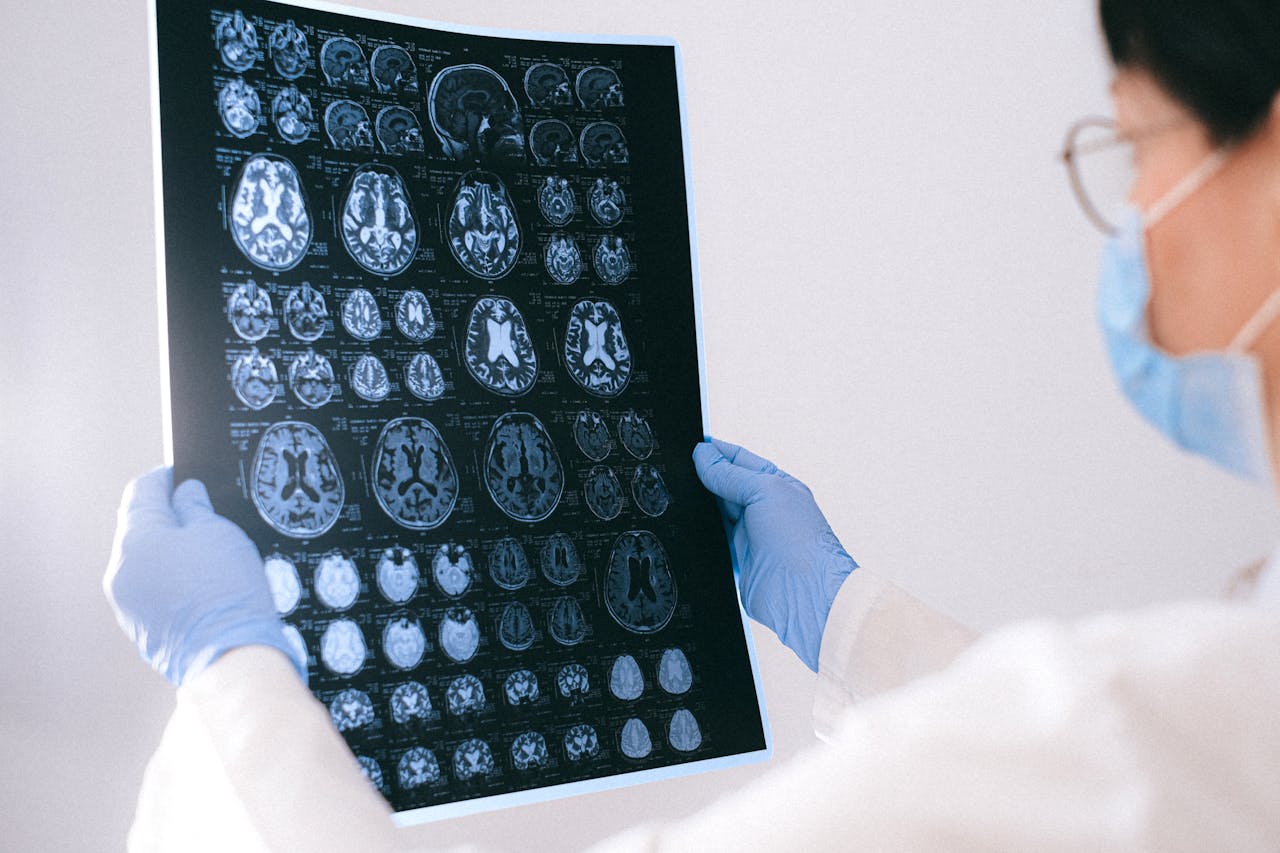
In early trials conducted in the United Kingdom, participants experienced slower degeneration and even improvements in motor control and clarity of thought. MRI scans confirmed that the areas of the brain responsible for coordination remained more stable compared to untreated patients. For those living with Huntington’s, even minor stabilization means regaining control over speech, walking, and independence.
Beyond these physical benefits, doctors observed that patients also showed emotional improvements, experiencing greater calmness, focus, and confidence in daily life. The therapy’s success offers a new sense of hope and underscores the importance of innovation in tackling rare neurological diseases. Each small victory represents a step toward reclaiming identity and independence for those who once believed no options existed.
Inside the Science of Gene Therapy
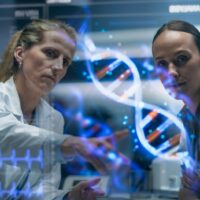
Gene therapy stands at the intersection of biology and innovation, offering a way to repair diseases that begin at the level of our DNA. Rather than masking symptoms, it works like a molecular rewrite, editing the body’s own instructions to restore health. For Huntington’s disease, this means turning off the faulty gene that produces harmful proteins, giving the brain a chance to heal itself.
AMT-130 employs a carefully engineered viral vector, essentially a delivery capsule, to transport corrective genetic code into targeted brain cells. Once inside, it neutralizes the toxic signal from the defective gene and curbs the overproduction of huntingtin protein. This helps neurons regain their balance, communication, and longevity. The therapy is designed to be long-lasting, with just a single administration potentially offering years of protection.
Early results from the trials reveal more than just scientific success. Patients report better focus, steadier movement, and renewed emotional well-being. Researchers also found biochemical signs of improved brain metabolism and reduced inflammation. These changes hint that gene therapy may do more than slow decline, it could initiate gradual recovery at the cellular level.
Although the research remains in its preliminary phase, the consistency of results across participants has inspired optimism among neurologists worldwide. This technique could pave the way for future therapies that target other genetic conditions, shifting the paradigm from treatment to transformation. For patients and their families, it signifies not only scientific progress but also a promise of restored normalcy and renewed hope.
Why This Discovery Could Reshape Medicine
The success of AMT-130 demonstrates that genetic correction can now be achieved safely and effectively in humans. This single breakthrough redefines what is possible in modern medicine, offering a pathway to treat complex neurodegenerative disorders like Alzheimer’s, Parkinson’s, and ALS that have resisted conventional therapies for decades.
In the future, genetic medicine may allow doctors to tailor treatments to each person’s unique DNA profile. Instead of waiting for symptoms to appear, therapies could be designed to prevent disease altogether. This evolution from reactive medicine to proactive healing marks one of the most significant transitions in medical history.
As exciting as this progress is, it also brings new challenges. Questions surrounding affordability, global accessibility, and genetic data privacy will need to be addressed to ensure that the benefits of such therapies reach all communities, not just a privileged few. Researchers and policymakers are calling for ethical frameworks that balance innovation with fairness and transparency.
Despite these considerations, the momentum is undeniable. Science is entering an era where precision medicine and human compassion walk hand in hand, offering a future where prevention and cure may one day be the same thing.
Beyond the Lab: How to Support Brain Health Naturally
While gene therapy could transform the future, there are many ways to protect and strengthen your brain today. Lifestyle plays a powerful role in supporting cognitive health and slowing neurological aging.
Your everyday habits influence how your brain grows, repairs, and communicates. Simple changes: what you eat, how you rest, and how you manage stress, can help your brain stay sharper for longer.

These practices also support emotional balance and resilience, making a real difference in overall well-being. Here are natural strategies to help your brain thrive:
- Eat for Your Brain: Choose foods rich in omega-3 fatty acids such as salmon, chia seeds, and walnuts. These healthy fats, combined with colorful fruits and vegetables, help protect neurons and reduce inflammation.
- Keep Moving: Regular exercise improves circulation and releases brain-derived neurotrophic factor (BDNF), a compound that supports the growth and health of brain cells. Activities like walking, swimming, or yoga keep both the body and mind active.
- Balance the Gut-Brain Connection: A well-balanced gut microbiome promotes mental clarity and mood stability. Include fermented foods such as kefir, sauerkraut, and kombucha to improve digestion and overall brain communication.
- Manage Stress Mindfully: Chronic stress speeds up brain aging. Try mindfulness practices like deep breathing, journaling, or spending time in nature to relax your mind and strengthen resilience.
- Prioritize Sleep: Restful sleep allows the brain to detoxify and store new memories. Aim for seven to nine hours each night to maintain focus, energy, and emotional balance.
The Promise of a Genetic Revolution
The success of Huntington’s gene therapy stands as both a medical milestone and a message of hope. It proves that conditions once seen as unchangeable can be challenged through the power of scientific innovation, empathy, and relentless human curiosity. This milestone represents a bridge between possibility and reality, showing that even the most complex genetic conditions can be addressed at their root.
As gene therapy continues to evolve, its potential extends beyond Huntington’s disease. Scientists envision treatments that could prevent neurological decline, repair damaged tissue, or even enhance natural healing responses before illness begins. This work goes beyond curing disease, aiming to redefine health at its most fundamental level.
For now, each step forward serves as a reminder that the future of healing is not about quick fixes but about rewriting the story of disease itself. Continued research, ethical collaboration, and compassionate medical innovation will be key to ensuring this technology benefits everyone. The journey is just beginning, yet with every discovery, we move closer to a world where inherited illness no longer defines destiny and where health is written not by chance, but by choice.