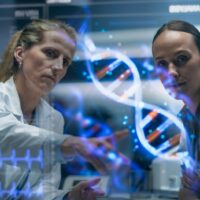
For decades, the words “spinal cord injury” have carried an unforgiving finality. Doctors delivered devastating news with heavy hearts, explaining that damaged neural pathways would never heal. Families braced themselves for wheelchairs, permanent disability, and shattered dreams. But in laboratories across Shanghai and Suzhou, scientists refused to accept this medical reality.
Something extraordinary happened in May when regulatory authorities made an unprecedented decision. Both the FDA and China’s National Medical Products Administration simultaneously approved a clinical trial that medical experts had been anticipating for years. What they authorized represents the first attempt to actually reverse paralysis using technology that transforms ordinary adult cells into hope.
Hidden within this breakthrough lies a scientific achievement that challenges everything medicine has believed about the human nervous system’s capacity for repair. The trial about to begin could rewrite textbooks and, more importantly, rewrite the futures of millions of people whose lives changed in an instant.
Historic Medical Breakthrough Approved by Global Regulators
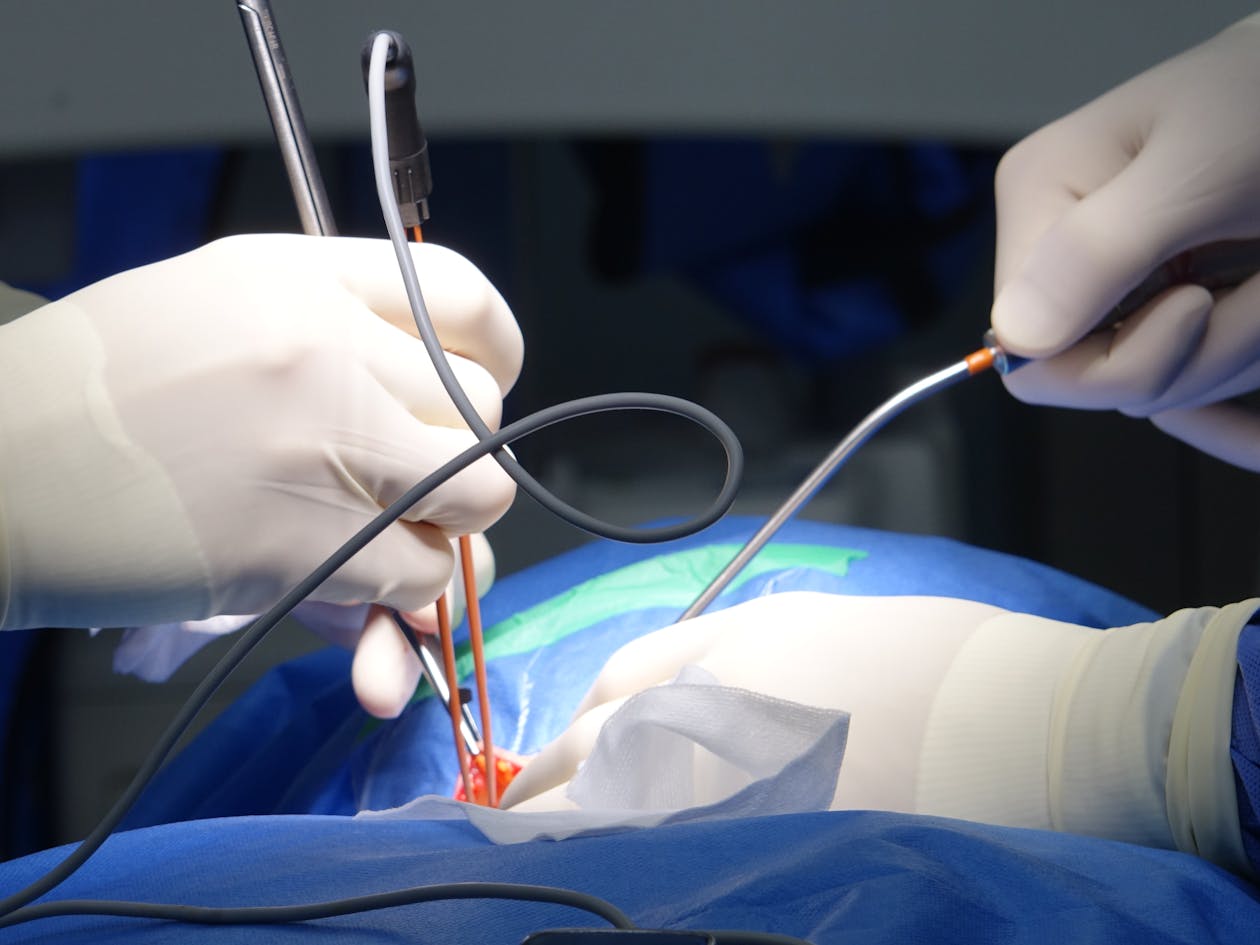
XellSmart Biopharmaceutical achieved something remarkable when it received simultaneous approval from both the United States and Chinese health authorities for its groundbreaking spinal cord injury treatment. This dual regulatory approval represents an extremely rare occurrence in biotechnology development.
The approved Phase I clinical trial will test XS228, described as the world’s first registrational clinical trial of an off-the-shelf, allogeneic, iPSC-derived, subtype-specific, regenerative neural cell therapy for spinal cord injury. The terminology may sound complex, but it represents years of scientific innovation.
The Third Affiliated Hospital of Sun Yat-sen University will lead the clinical trial, bringing together internationally recognized expertise in spinal cord injury treatment and research. This institution has established itself as a leader in treating these complex neurological conditions.
Regulatory approval from both the FDA and China’s NMPA signals confidence from major health authorities in the therapy’s potential safety and efficacy. Such approvals require extensive preclinical data demonstrating promising results in laboratory and animal studies.
The trial authorization marks the culmination of over four years of rigorous development and preclinical research, representing a significant milestone in regenerative medicine approaches to previously untreatable conditions.
Millions Living with Devastating Spinal Cord Injuries
Spinal cord injury affects more than 15 million people worldwide, creating a global health crisis that touches families across every demographic and economic background. These injuries typically strike young and middle-aged adults during their most productive years.
Traffic accidents represent the leading cause of spinal cord injuries, followed by sports-related trauma, workplace incidents, and serious falls. The sudden nature of these injuries transforms lives instantaneously, often leaving victims with partial or complete paralysis.
“Each year, China and the US report approximately 100,000 and 18,000 new cases of acute or subacute SCI, equivalent to nearly 10 and two new cases every hour, respectively,” according to XellSmart’s research data. These statistics represent individual tragedies multiplied thousands of times annually.
Current medical interventions focus primarily on preventing further damage through surgical stabilization of the spine, followed by extensive rehabilitation programs. While these approaches can improve quality of life, they cannot restore lost neurological function.
The limited regenerative capacity of the central nervous system has made spinal cord repair one of medicine’s greatest challenges, leaving patients and families to adapt to permanent disabilities rather than pursuing curative treatments.
Revolutionary iPSC Technology Creates Hope from Adult Cells

XS228 therapy utilizes induced pluripotent stem cells (iPSCs), a revolutionary technology that can reprogram ordinary adult cells back into a stem cell-like state. Scientists typically start with skin cells from healthy donors, transforming them through carefully controlled laboratory processes.
These reprogrammed cells can then be guided to become neural progenitor cells, which eventually develop into the specific types of motor neurons lost in spinal cord injuries. This process allows scientists to create precisely the cellular components needed for neural repair.
The therapy’s “off-the-shelf” design eliminates the need for patient-specific cell harvesting and matching. Cells derived from healthy donors can potentially be used across multiple patients, dramatically simplifying treatment logistics and reducing costs.
“XellSmart aims to redefine possibilities for SCI recovery, bringing a new hope to patients,” the company stated about their therapeutic approach. This standardized approach could enable rapid treatment deployment when injuries occur.
Manufacturing scalability becomes possible because the same cell lines can be produced in large quantities and stored until needed, unlike personalized treatments that require individual cell harvesting and processing.
Animal Studies Show Promising Recovery Results
Preclinical testing in animal models demonstrated that XS228 cells successfully integrated into damaged spinal cord tissue and began forming new neural connections. These laboratory studies provided the foundation for regulatory approval to proceed with human trials.
Treated animals showed signs of regaining movement control, with new axons growing from the transplanted cells and connecting to existing nerve tissue. This neural integration represents the biological basis for potential functional recovery in human patients.
The subtype-specific nature of XS228 cells means they are designed to become the exact types of neurons typically lost in spinal cord injuries, rather than generic neural cells that might not provide appropriate functional restoration.
Laboratory studies also examined immune responses to ensure the transplanted cells would not trigger dangerous rejection reactions when implanted into recipients with different genetic backgrounds.
Clinical Trial Tests Safety and Effectiveness in Humans
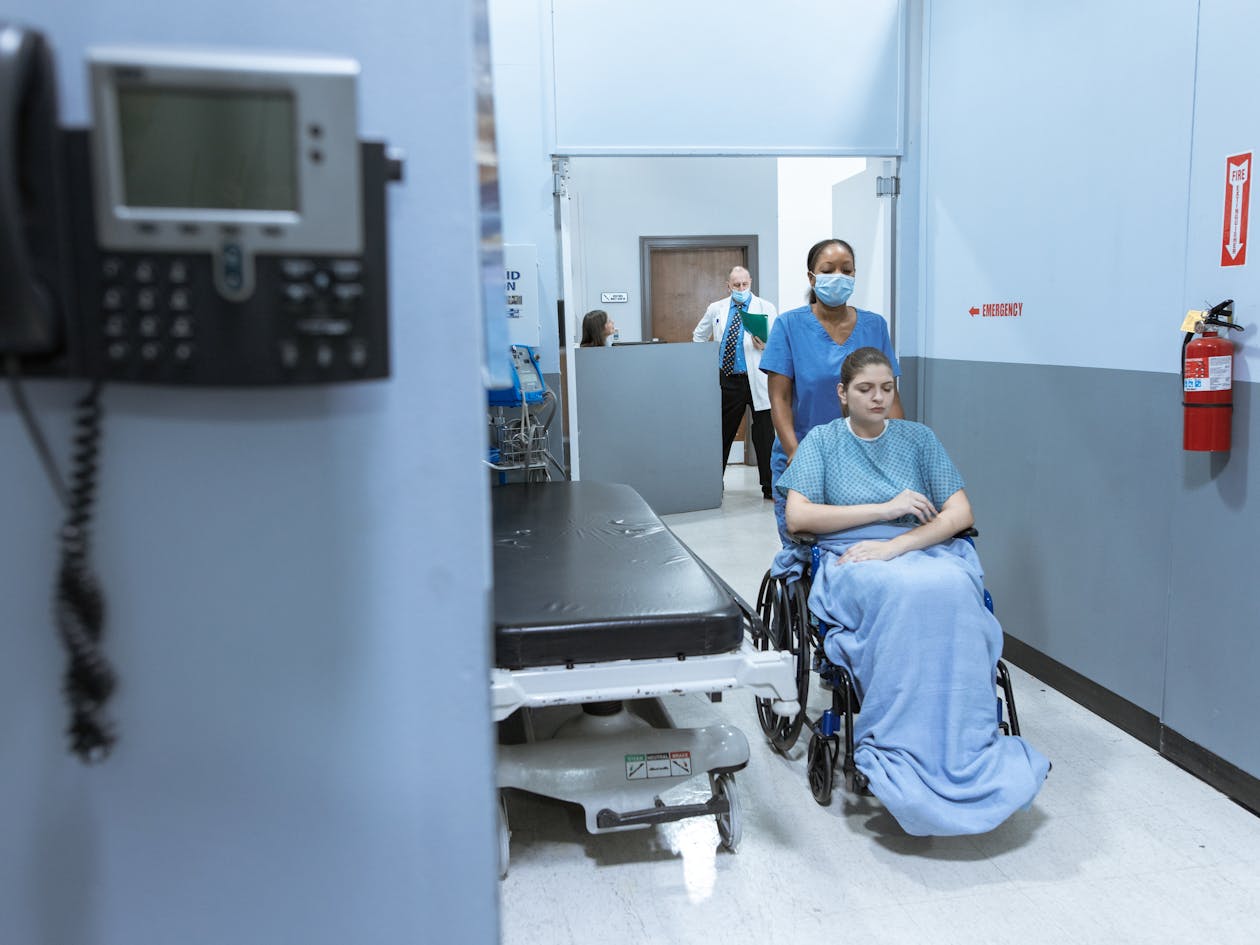
The Phase I trial will initially enroll approximately 60 patients who have suffered spinal cord injuries within weeks of trial enrollment. The timing of this recent injury is critical because earlier intervention may provide better opportunities for neural repair.
Study participants will be randomly assigned to receive either the XS228 treatment or placebo injections, following standard clinical trial protocols that prevent bias in outcome assessment. Neither patients nor evaluating physicians will know which treatment each participant receives.
Over six months, medical teams will carefully monitor participants for movement improvements, sensation recovery, and overall functional capacity changes. Safety assessments will track immune responses, cell survival, and any unexpected side effects.
As with all first-in-human trials, safety represents the primary objective. Researchers must demonstrate that transplanted cells behave as expected without causing harmful immune reactions or other complications.
Successful Phase I results would enable progression to larger Phase II studies involving more patients and longer follow-up periods, potentially beginning around 2028 if current timelines proceed as planned.
XellSmart Leads Global Cell Therapy Revolution
XellSmart has established itself as a pioneer in iPSC-derived cell therapies for central nervous system diseases, with seven approved clinical trials spanning multiple neurological conditions. This comprehensive portfolio demonstrates the company’s broad expertise in regenerative medicine.
Beyond spinal cord injury, XellSmart is simultaneously testing treatments for Parkinson’s disease and amyotrophic lateral sclerosis (ALS). Early results from these trials have shown promising safety profiles and preliminary efficacy signals.
The company operates a dedicated manufacturing facility exceeding 5,000 square meters, equipped with clinical-grade production capabilities and quality control systems. This infrastructure enables consistent production of therapeutic cell batches.
Multiple rounds of financing from prominent venture capital firms, including Sequoia Capital China and Qiming Venture Partners, provide the resources necessary for extensive clinical development programs.
In 2023, XellSmart became the first Chinese company to receive FDA approval for an iPSC-derived cell therapy, along with global orphan drug designation for its ALS treatment.
Previous Spinal Cord Repair Attempts Failed to Reach Humans
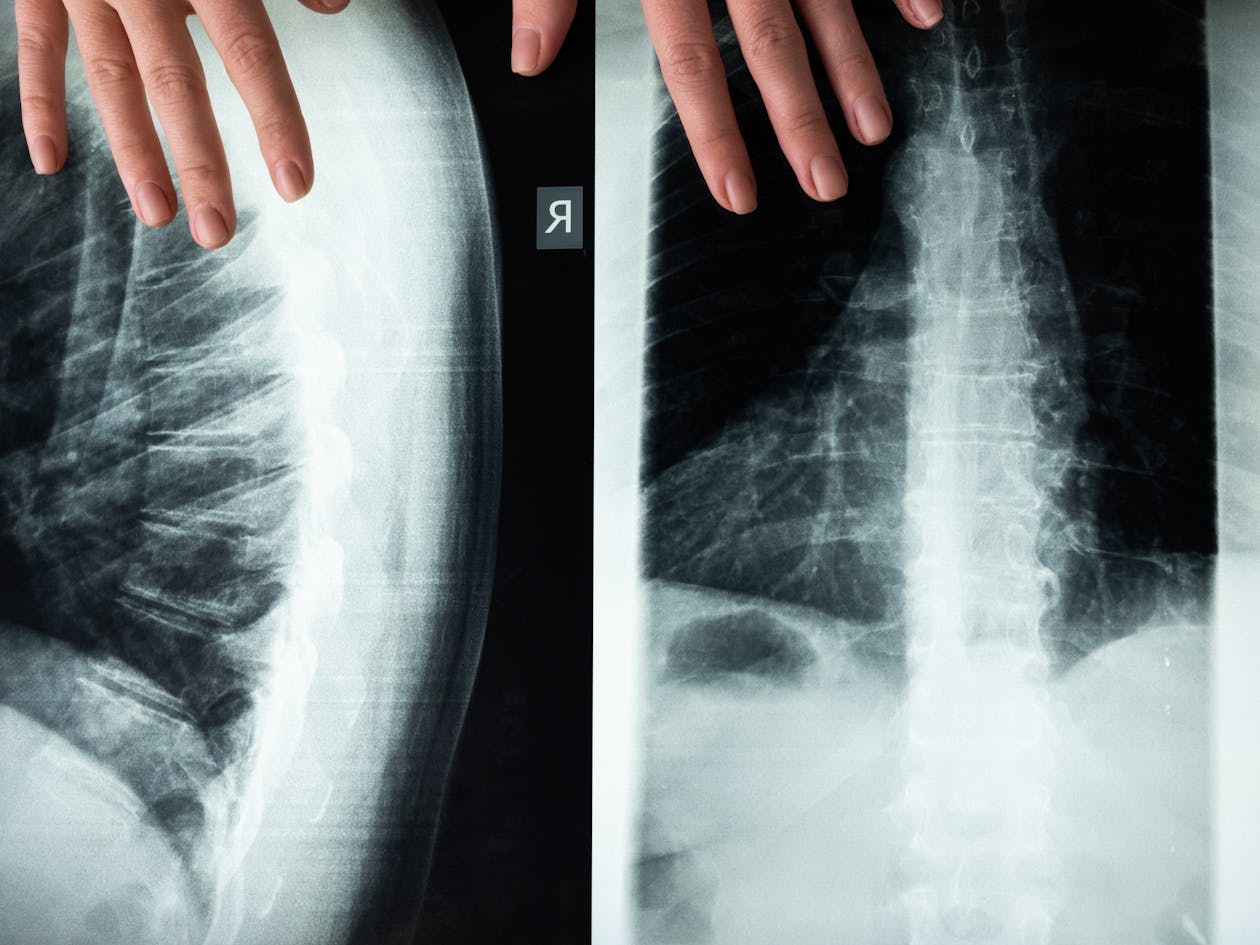
For decades, researchers have pursued various approaches to spinal cord repair, including stem cell transplantation, gene therapy, electrical stimulation, and biomaterial scaffolds. Most of these efforts encountered obstacles that prevented progression to human testing.
Earlier stem cell approaches often used less specific cell types that could not precisely replace the neurons lost in spinal injuries. Some attempts relied on embryonic stem cells, which created ethical controversies and supply limitations.
Gene therapy approaches faced challenges in delivering therapeutic genes to the right locations within damaged spinal cords, while electrical stimulation methods provided temporary improvements without addressing underlying tissue damage.
XS228 represents a new generation of cell therapy that uses subtype-specific neural progenitors designed to become the exact types of neurons needed for functional recovery. This precision approach addresses limitations of previous treatments.
The company’s success in reaching human trials reflects advances in iPSC technology, manufacturing processes, and regulatory pathways that were not available to earlier research efforts.
Off-the-Shelf Manufacturing Enables Broad Access
The allogeneic approach used in XS228 therapy means cells derived from healthy donors can be used across multiple patients without requiring individual cell harvesting. This standardization dramatically simplifies treatment logistics and reduces costs.
Well-researched cell subtyping minimizes rejection risks, eliminating the need for perfect immune matching between donors and recipients. Patients can receive treatment immediately when needed rather than waiting for personalized cell preparation.
Manufacturing scalability becomes possible because the same cell lines can be produced in large quantities and distributed to medical centers worldwide. This approach contrasts with autologous treatments that require individual processing.
If clinical trials succeed, the therapy could potentially be mass-produced and made widely available within five to seven years. Off-the-shelf availability would enable immediate treatment following spinal injuries when timing is critical.
Cost reductions from standardized manufacturing could make the therapy accessible to broader patient populations, rather than limiting treatment to wealthy individuals who can afford personalized cell preparations.
Trial Timeline Spans Multiple Years of Testing

Phase I safety testing is expected to be completed by next year, providing initial data about whether XS228 can be safely administered to humans with spinal cord injuries. These results will determine whether larger trials can proceed.
Phase II studies with expanded patient populations could begin around 2028, assuming positive Phase I outcomes. Phase II trials typically involve hundreds of patients and focus on demonstrating therapeutic efficacy.
Multiple phases of clinical testing are required before potential regulatory approval for commercial use. The entire development process typically requires five to seven years from first human trials to market availability.
Setbacks remain possible at any stage, as cell-based therapies face numerous technical challenges, including manufacturing consistency, delivery methods, and long-term safety monitoring.
Researchers maintain cautious optimism while acknowledging that many promising treatments fail during clinical development despite encouraging preclinical results.
Central Nervous System Regeneration Represents New Frontier
The limited natural regenerative capacity of the central nervous system has historically made nerve repair extremely difficult compared to other tissues that can heal naturally after injury.
XS228 represents part of a broader revolution in regenerative medicine, where scientists are exploring how iPSCs can be transformed into various cell types, including retinal cells for blindness treatment and heart cells for cardiac repair.
Successful spinal cord repair would demonstrate that even the most challenging neural injuries can potentially be reversed through advanced cell therapy approaches.
The spinal cord represents one of medicine’s greatest challenges because it serves as the critical communication pathway between the brain and the rest of the body, making functional restoration essential for mobility recovery.
Breakthrough treatments for spinal cord injury could provide templates for addressing other central nervous system conditions, including stroke, traumatic brain injury, and neurodegenerative diseases.
Economic and Social Impact of Spinal Cord Injuries
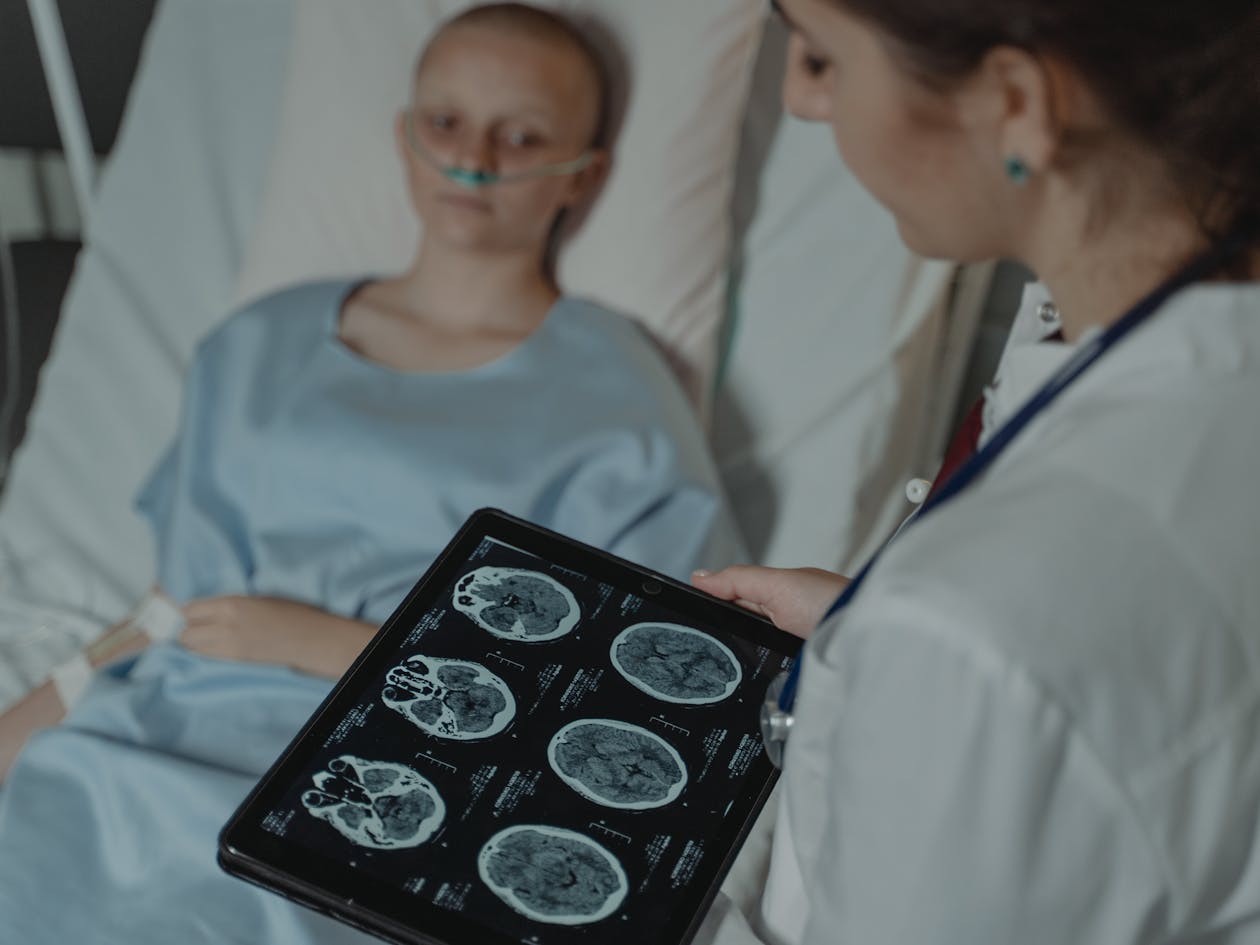
Lifetime healthcare costs for spinal cord injury patients can exceed one million dollars per person in developed countries, creating enormous financial burdens for families and healthcare systems.
Beyond direct medical expenses, spinal cord injuries create substantial indirect costs through lost productivity, disability payments, and ongoing caregiving needs that often span decades.
Employment challenges and social integration difficulties compound the economic impact, as many patients struggle to maintain careers and participate fully in community activities.
Mental health impacts frequently accompany physical disabilities, requiring additional psychological support and treatment that add to the overall cost burden.
Successful cell therapy treatments could potentially reduce long-term care costs by restoring functional capacity and enabling greater independence for people with spinal cord injuries.
The Fight to Walk Again
XellSmart’s XS228 trial offers a glimmer of hope for over 15 million people with spinal cord injuries. By 2026, Phase I will show if lab-grown neural cells are safe for humans. If successful, larger trials could start by 2028, potentially bringing treatment to patients within five to seven years.
Progress won’t come easily. Developing cell therapies requires extreme precision, but the hope of restoring movement continues to drive scientists onward. This trial could redefine recovery, not just for spinal injuries but for other nerve-related conditions like stroke or Parkinson’s. Imagine a world where paralysis isn’t permanent. Follow XellSmart’s updates on grok.com or x.com to track this journey and share this story to spread hope. Together, we can cheer on a future where spinal cord injuries no longer steal dreams.