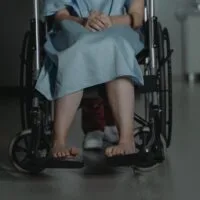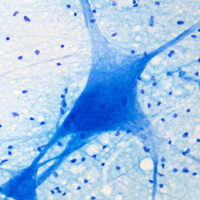
A devastating spinal cord injury has long been viewed as a life sentence, cutting off movement and independence in an instant. Yet a quiet scientific discovery is beginning to challenge that belief.
Researchers have identified a naturally occurring protein that appears capable of rebuilding damaged nerve connections, sparking unexpected signs of recovery in patients once told improvement was impossible. While still in early testing, these developments are raising a powerful question: what if paralysis is no longer permanent?
A Historic Milestone in Spinal Cord Regeneration
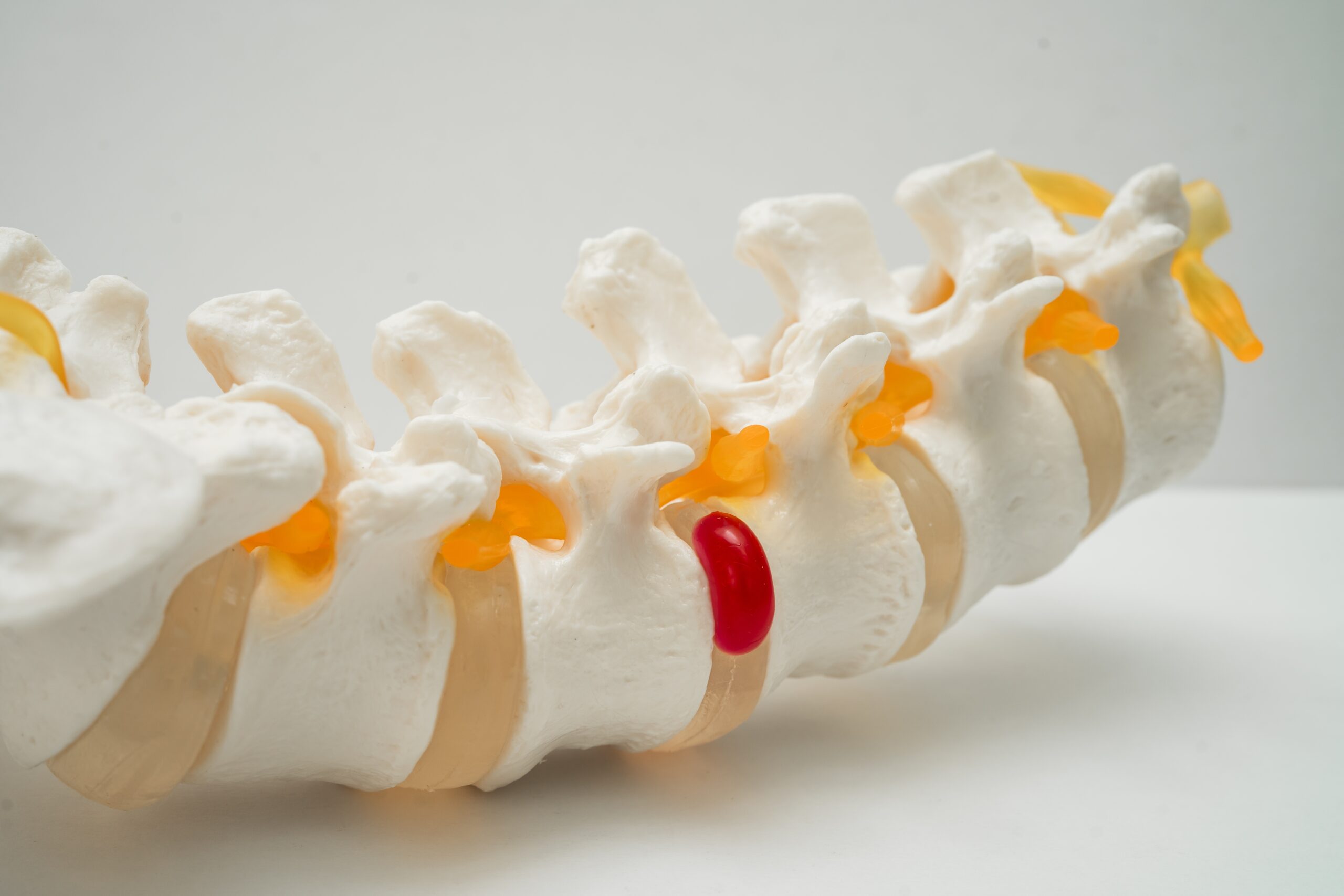
Spinal cord injuries have long been considered permanent conditions, often resulting in the partial or total loss of limb mobility. However, a groundbreaking discovery out of Brazil offers concrete hope for reversing these severe injuries. Researchers at the Federal University of Rio de Janeiro have unveiled a potential treatment using polylaminin, a protein naturally extracted from the human placenta.
This medical advancement is the culmination of over 20 years of dedicated research coordinated by the Carlos Chagas Filho Foundation for Research Support of the State of Rio de Janeiro. Backed by a $5.6 million investment from Cristália Laboratory, the project introduces a lab-produced medication designed to stimulate damaged nerves and forge new neural pathways.
Currently, the medical field lacks treatments capable of truly repairing spinal cord damage. When applied directly to an injured area, polylaminin acts as a restorative biological matrix. It essentially creates a physical mesh that helps reestablish vital communication between nerve cells, aiming to return movement and independence to patients.
Biologist and lead researcher Tatiana Sampaio explains the logic behind this profound approach. “We are simply imitating nature, since this protein is naturally produced by the body during the development of the nervous system,” she states. The research team selected polylaminin because it is highly cost-effective, easy to produce, and offers a safer, more predictable cellular reaction compared to complex stem cell therapies.
Early Trials Show Breakthrough Results
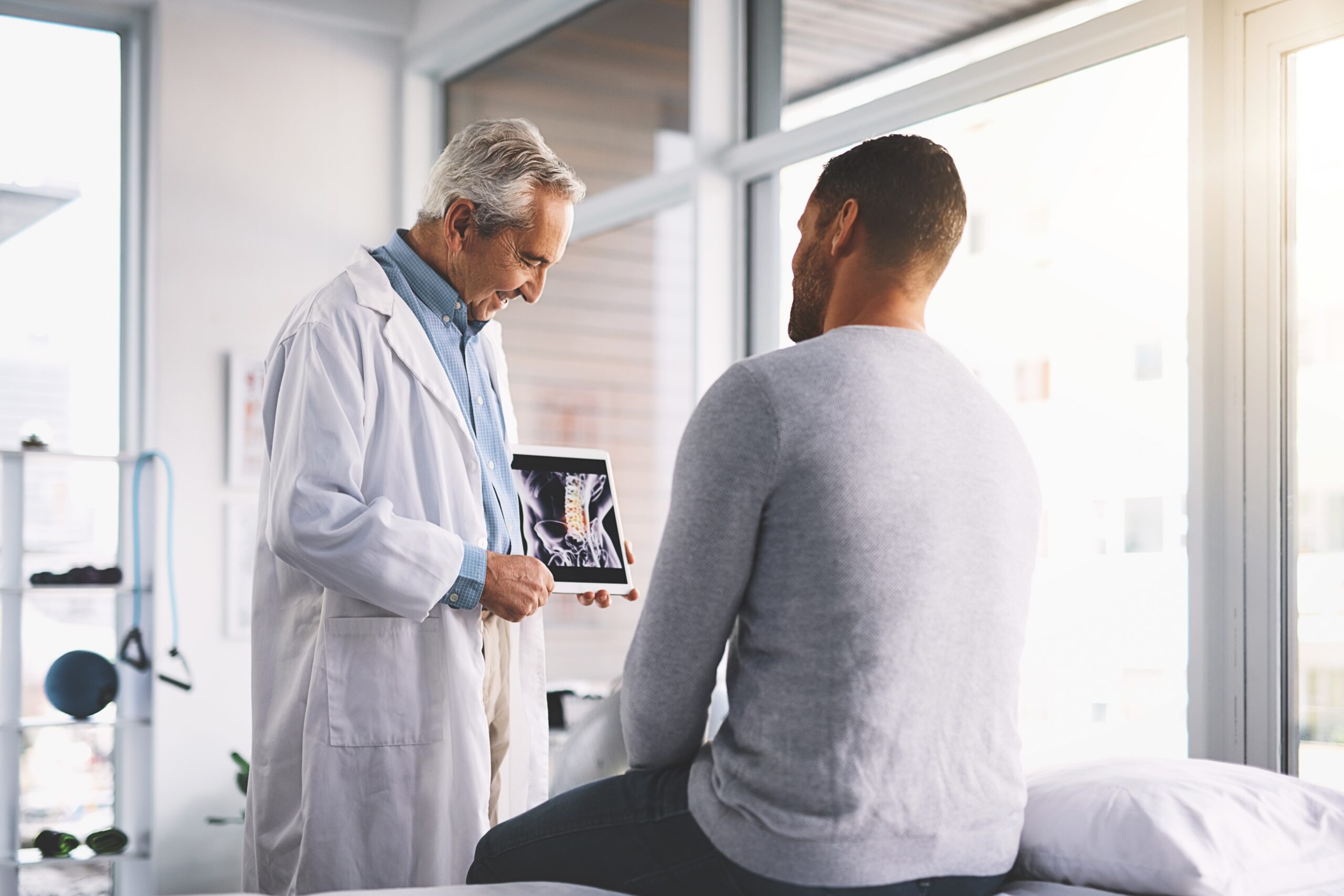
In August, researchers published a study in Frontiers in Veterinary Science involving six paralyzed dogs. These dogs could not move their legs, even after traditional surgery and months of physical therapy. After receiving a direct application of polylaminin to their injuries, four of the dogs regained enough balance to take a few steps. The other two showed smaller, modest improvements. None of the animals experienced side effects during the six months they were monitored.
Following these animal tests, eight human volunteers received the treatment under strict academic protocols in Brazil. The results challenged the long-held medical belief that severe spinal cord damage is always permanent. Some patients regained complete mobility, an outcome considered highly unlikely without this specific intervention. Others saw major physical improvements, gaining trunk control and the ability to walk with assistance.
Bruno Drummond, a banker who suffered a severe neck injury in 2018, is one of those volunteers. After an accident crushed part of his spinal cord, he lost all movement in his limbs. With his family approving the procedure, he joined the experiment and received the placenta-derived protein. Just two weeks later, he moved a single toe.
Years later, he has reclaimed his life. Speaking to TV Globo, Drummond shared his new reality: “Nowadays, I can move my whole body, of course, with some limitations. My leg is moving. I can stand, walk, dance, fly. I’ve regained my independence.”
Life-Changing Therapy Trapped by Administrative Delays
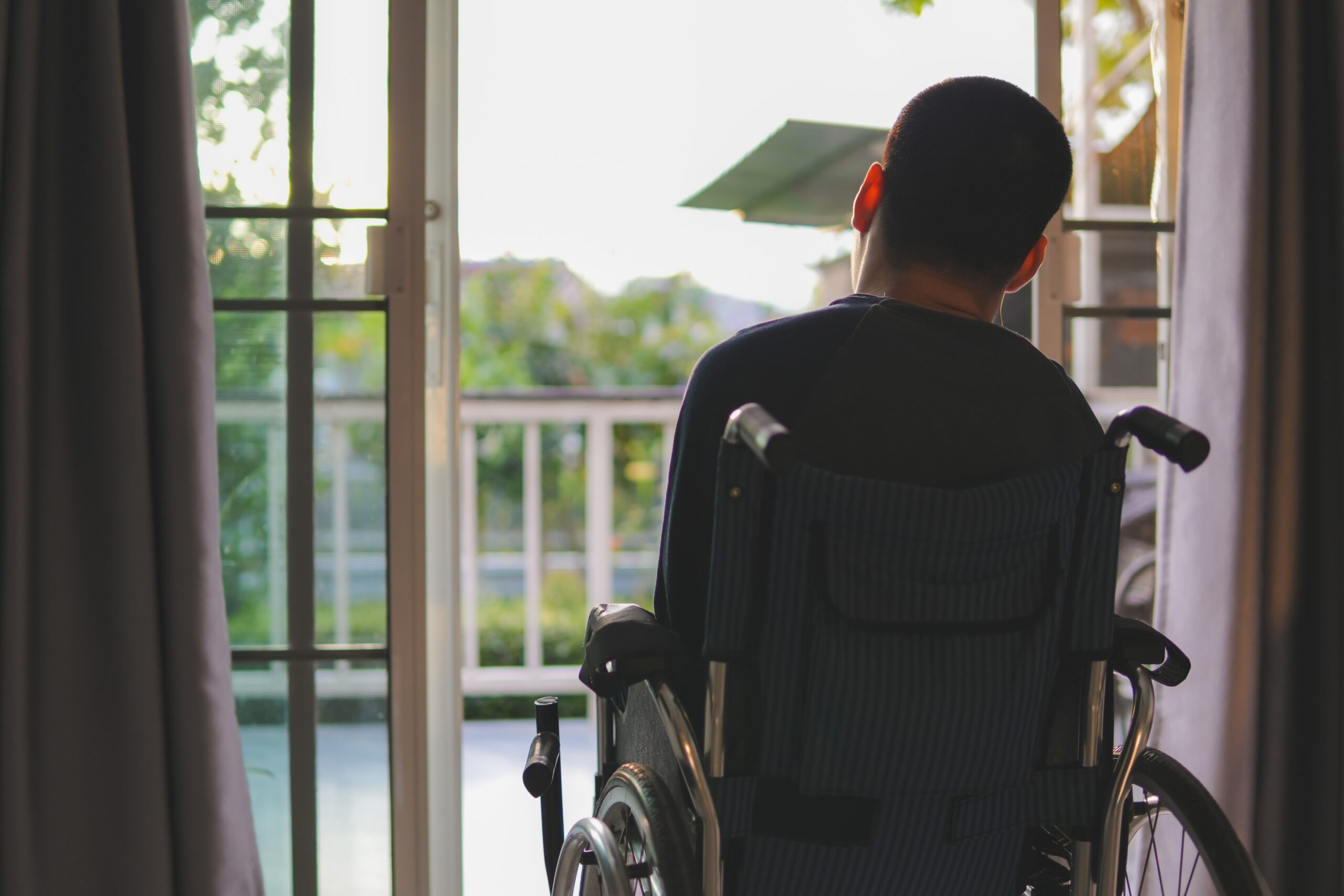
For the highest chance of success, doctors prefer to apply polylaminin within 72 hours of a spinal cord injury. This tight timeframe creates a massive hurdle for patients trying to access an experimental drug. Brazil’s health regulator, Anvisa, allows emergency access to experimental treatments under specific rules, but the review process can take up to 45 days. This administrative timeline pushes patients far past the critical three-day window.
Faced with losing their best shot at recovery, some families are turning to the courts. When a workplace accident left Diogo Brollo with a severe injury, his lawyer, Rômulo Luiz de Aquino Colly, successfully secured a court order for the treatment. As Colly pointed out, “The administrative deadlines simply do not keep pace with the clinical urgency of a patient with acute spinal cord injury.” By early January, Brazilian courts had granted six patients access to the protein before official clinical trials even began.
Fortunately, there is emerging hope for those who miss the initial 72 hours. Recent observations led researchers to extend the application window up to three months. Even patients treated outside this updated timeframe are reporting positive changes. Luiz Otávio Santos Nunez, a 19-year-old soldier, received the treatment 110 days after his injury. Just six days later, he reported new sensations in his legs, including returning muscle strength and the ability to feel warmth and his mother’s touch on his foot.
Navigating Life with Paralysis
While experimental treatments advance, the everyday focus for those living with paralysis remains on rehabilitation, mental health, and preventing further complications.
Alexandre Costa, who became paraplegic after a 2018 robbery, calls the aftermath of his injury his true battle. His experience offers practical insights for navigating this reality:
- Prioritize mental health. Treating the psychological impact is vital. Costa is transparent about his emotional struggles, stating, “I sank into depression, lost the will to live, and just let life carry me.”
- Prevent secondary complications. Costa notes that “there are many problems that come with the ‘spinal cord injury package.'” After requiring an ileostomy in 2024, he reminds others that continuous monitoring can often prevent additional conditions.
- Build a support network. Connecting with others who understand the physical limitations alleviates isolation. Costa launched an Instagram profile, @falailesionado, to share his routine and exchange feedback with the spinal cord injury community.
- Balance hope with reality. It is healthy to monitor research while waiting for conclusive safety data.
Speaking to Yuvoice, Costa explained his measured approach to the polylaminin trials: “I’m hopeful that maybe I can be one of the volunteers. I haven’t signed up yet. I’m waiting for things to advance a bit more. But I’m optimistic, because even a small improvement in your condition, any gain in quality of life, is already a big step forward.”
A Promising Step Toward Restoring Movement
Getting polylaminin into regular hospitals will take time. Before this treatment becomes widely available, scientists need to finish their lab work and run much larger human trials for both recent and long-term injuries. After that, health regulators must fully approve the drug to guarantee it is safe and effective for the public.
Still, the results seen today change everything. For decades, a severe spinal cord injury meant permanent paralysis. Now, a protein naturally found in the human placenta is challenging that reality. Fixing the broken connections between nerve cells is no longer just science fiction; it is happening right now for real patients in early testing.
The early volunteer results prove that even regaining a tiny amount of movement completely transforms a person’s daily life. With more research and investment, medicine is getting closer to a world where spinal cord damage is something doctors can actually repair.
Source:
- Brazilian Youth with Spinal Cord Injury Receives Polylaminin 110 Days after Accident and Says He Is Responding. (2026, January 27). Folha De S.Paulo. https://www1.folha.uol.com.br/internacional/en/scienceandhealth/2026/01/brazilian-youth-with-spinal-cord-injury-receives-polylaminin-110-days-after-accident-and-says-he-is-responding.shtml