
Low-carb diets have become one of the most popular nutrition trends in recent years. Many people adopt these diets to lose weight quickly, improve blood sugar levels, or reduce their risk of chronic disease. Plans like the ketogenic diet encourage people to drastically reduce carbohydrates while increasing fat and protein intake. At first glance, this approach appears beneficial because cutting refined carbs can reduce calorie intake and promote short-term weight loss. For this reason, low-carb diets are often promoted as a heart healthy option.
However, emerging research suggests the relationship between carbohydrate restriction and heart health is far more complicated. Large long-term studies and recent medical reviews indicate that some low-carb diets may actually raise the risk of cardiovascular disease, depending on the types of foods consumed. Scientists now say the real issue is not simply how many carbohydrates or fats you eat. Instead, the quality of those foods and the overall pattern of the diet may determine whether your heart benefits or suffers.

What Research Says About Keto And Heart Health
The ketogenic diet is one of the most extreme forms of carbohydrate restriction. It limits carbohydrates to very small amounts while encouraging high intake of fats and moderate amounts of protein. This shift forces the body to use fat as its main fuel source, a metabolic state often called ketosis. Many people experience rapid weight loss during the early stages of the diet, which helps explain why keto has become widely popular.
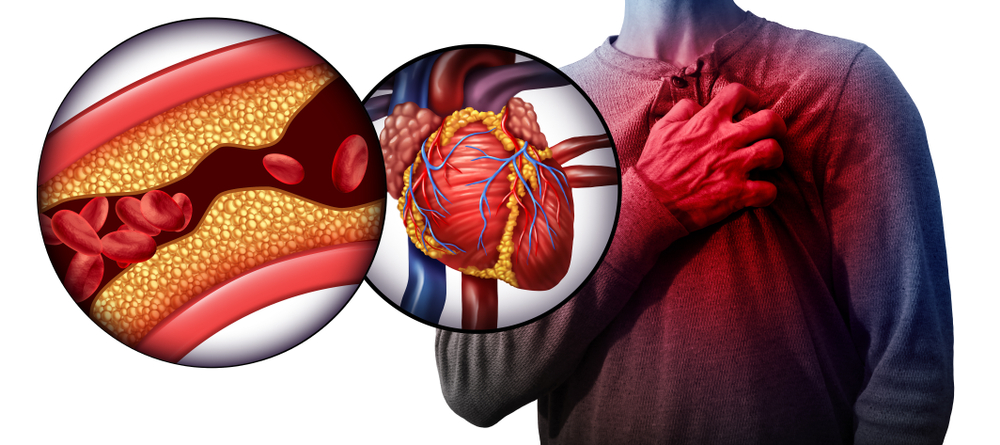
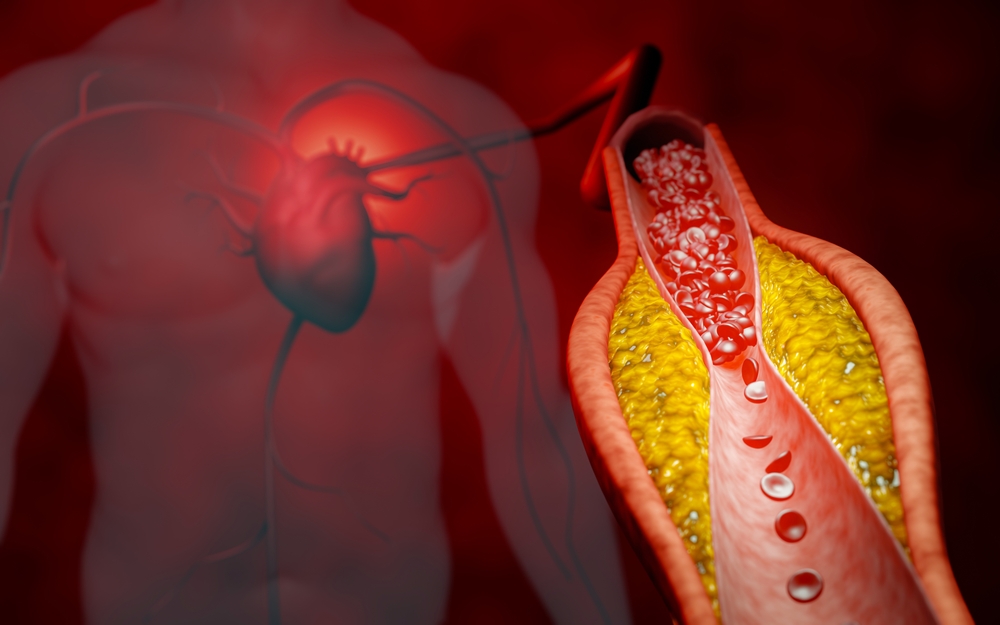
Despite these short-term results, medical researchers are questioning whether ketogenic diets support long-term cardiovascular health. A review published in Current Problems in Cardiology examined current evidence related to keto diets and heart disease risk. The review found that although the diet may reduce triglyceride levels and lead to weight loss in the short term, it may also increase levels of LDL cholesterol. LDL cholesterol is often described as artery-clogging cholesterol because high levels are associated with plaque buildup inside blood vessels.
The same review noted that the early improvements seen with ketogenic diets often decline over time. Blood sugar and blood pressure may improve initially, but the benefits tend to fade after longer periods. The authors also pointed out that strict carbohydrate restriction can reduce intake of many nutrient-rich foods such as fruits, legumes, and whole grains that are known to support cardiovascular health.
The Harvard Study That Challenged Low-Carb Diet Claims
Another important piece of research comes from a large Harvard study that followed about 200,000 health professionals for thirty years. Researchers examined diet surveys and health outcomes to determine how different eating patterns influenced the risk of heart disease. This long observation period allowed scientists to evaluate how diets affect health over time rather than focusing only on short-term changes.
The findings showed that people who followed low-carb diets built around unhealthy food choices experienced a higher risk of heart disease. The risk increased by about 14 percent among individuals who regularly consumed refined carbohydrates and low-quality foods. These results suggest that replacing carbohydrates with unhealthy foods does not protect the heart and may even increase risk.
At the same time, the study produced a different outcome for people who consumed healthier carbohydrates. Participants who included whole grains and other high-quality carbohydrate sources experienced a lower risk of heart disease. According to the study, the risk dropped by about 15 percent among those who focused on healthier carb sources.

Why Diet Quality Matters More Than Cutting Carbs
Researchers involved in the Harvard study emphasized that the most important factor was the overall quality of the diet. Study coauthor Zhiyuan Wu explained the findings clearly, stating, “Our central message is that diet quality matters more.” This statement reflects a growing consensus among nutrition experts that focusing on whole foods is more beneficial than following strict dietary labels.
Carbohydrates often receive criticism in popular diet culture, but they are not all the same. Highly processed carbohydrates such as sugary drinks, pastries, and white bread can cause rapid spikes in blood sugar and contribute to metabolic problems. When these foods dominate a diet, they can increase the risk of obesity, diabetes, and cardiovascular disease.
In contrast, many carbohydrate-rich foods provide nutrients that support heart health. Whole grains, fruits, vegetables, and legumes contain fiber, antioxidants, and essential vitamins. These foods digest more slowly and can help regulate blood sugar levels while supporting healthy cholesterol levels.
The Difference Between Healthy And Unhealthy Fats
Fats are another nutrient that often creates confusion in nutrition discussions. Some low-carb diets encourage high intake of saturated fats from foods like butter, red meat, and heavy cream. While these foods can be included in moderation, relying on them heavily may increase cardiovascular risk in certain individuals.
Unhealthy fats such as trans fats and excessive saturated fats are commonly found in processed foods and fried items. These fats have been linked to higher levels of LDL cholesterol and increased risk of heart disease. Diets that rely heavily on these foods may contribute to long-term cardiovascular problems.
Healthier fats come from plant-based sources and certain whole foods. Avocados, nuts, seeds, and olive oil contain unsaturated fats that may support heart health. These fats are easier for the body to use for energy and may help maintain healthy cholesterol levels.

A Balanced Diet May Protect The Heart Better
Nutrition experts increasingly recommend focusing on balanced dietary patterns rather than strict carbohydrate restriction. Diets that emphasize whole foods and variety appear to provide stronger protection for cardiovascular health. The Mediterranean diet is often cited as one example because it includes vegetables, fruits, whole grains, healthy fats, and moderate amounts of protein.
This type of eating pattern allows people to consume carbohydrates while still supporting heart health. Whole grains and plant foods provide fiber and antioxidants that support healthy blood vessels. At the same time, healthy fats from olive oil, nuts, and fish contribute to improved cholesterol balance.
Researchers studying long-term nutrition patterns continue to find that moderation and food quality provide the most consistent health benefits. Instead of focusing on eliminating entire food groups, many experts now recommend choosing minimally processed foods and maintaining a balanced intake of nutrients.

Why Your Heart Prefers Balance Over Extreme Diets
The growing body of research on low-carb diets suggests that extreme dietary restrictions may not provide the long-term heart protection many people expect. While carbohydrate restriction may help with short-term weight loss, the health effects depend heavily on the types of foods that replace those carbohydrates. Diets built around processed foods or high amounts of unhealthy fats may increase cardiovascular risk even if they are technically low in carbs.
A more sustainable strategy focuses on whole foods, balanced nutrition, and long-term habits. Including vegetables, fruits, whole grains, healthy fats, and moderate protein provides the body with the nutrients it needs to maintain cardiovascular health. These foods support healthy cholesterol levels, stable blood sugar, and overall metabolic balance.
Rather than choosing between low-carb and low-fat diets, current research suggests that the best approach may be improving the quality of the foods on your plate. A diet rich in whole foods and natural ingredients can support heart health without relying on extreme dietary rules.
Sources:
- Corliss, J. (2024, May 1). Keto diet is not healthy and may harm the heart. Harvard Health. https://www.health.harvard.edu/heart-health/keto-diet-is-not-healthy-and-may-harm-the-heart
- Ji, H., Gulati, M., Huang, T. Y., Kwan, A. C., Ouyang, D., Ebinger, J. E., Casaletto, K., Moreau, K. L., Skali, H., & Cheng, S. (2024). Sex differences in association of physical activity with All-Cause and cardiovascular mortality. Journal of the American College of Cardiology, 83(8), 783–793. https://doi.org/10.1016/j.jacc.2023.12.019
- Estruch, R., Ros, E., Salas-Salvadó, J., Covas, M., Corella, D., Arós, F., Gómez-Gracia, E., Ruiz-Gutiérrez, V., Fiol, M., Lapetra, J., Lamuela-Raventos, R. M., Serra-Majem, L., Pintó, X., Basora, J., Muñoz, M. A., Sorlí, J. V., Martínez, J. A., Fitó, M., Gea, A., . . . Martínez-González, M. A. (2018). Primary Prevention of Cardiovascular Disease with a Mediterranean Diet Supplemented with Extra-Virgin Olive Oil or Nuts. New England Journal of Medicine, 378(25), 1388–1389. https://doi.org/10.1056/nejmoa1800389