
For years, many Americans have looked at sunscreen options available in Europe and Asia and wondered why some advanced formulas never made it to store shelves in the United States. While sunscreen technology continued evolving overseas, U.S. consumers largely relied on the same active ingredients that had been available for decades. This difference became increasingly noticeable as international brands introduced innovative products that offered broader protection and improved wearability.
That long wait may finally be coming to an end. The U.S. Food and Drug Administration has approved a new sunscreen ingredient called bemotrizinol, marking the first addition to the country’s sunscreen arsenal in nearly 27 years. Health experts say the approval could expand options for people looking for stronger and more reliable protection from the sun’s harmful rays. Many believe this decision could help bring American sunscreen products closer to the standards seen in other parts of the world.
The announcement has attracted attention from dermatologists, skin cancer specialists, and everyday consumers who have spent years searching for more effective ways to protect their skin. Beyond the excitement, many people are asking a simple question: what exactly is bemotrizinol, and why does it matter? Understanding how this ingredient works may help consumers make more informed decisions about their daily sun protection habits.
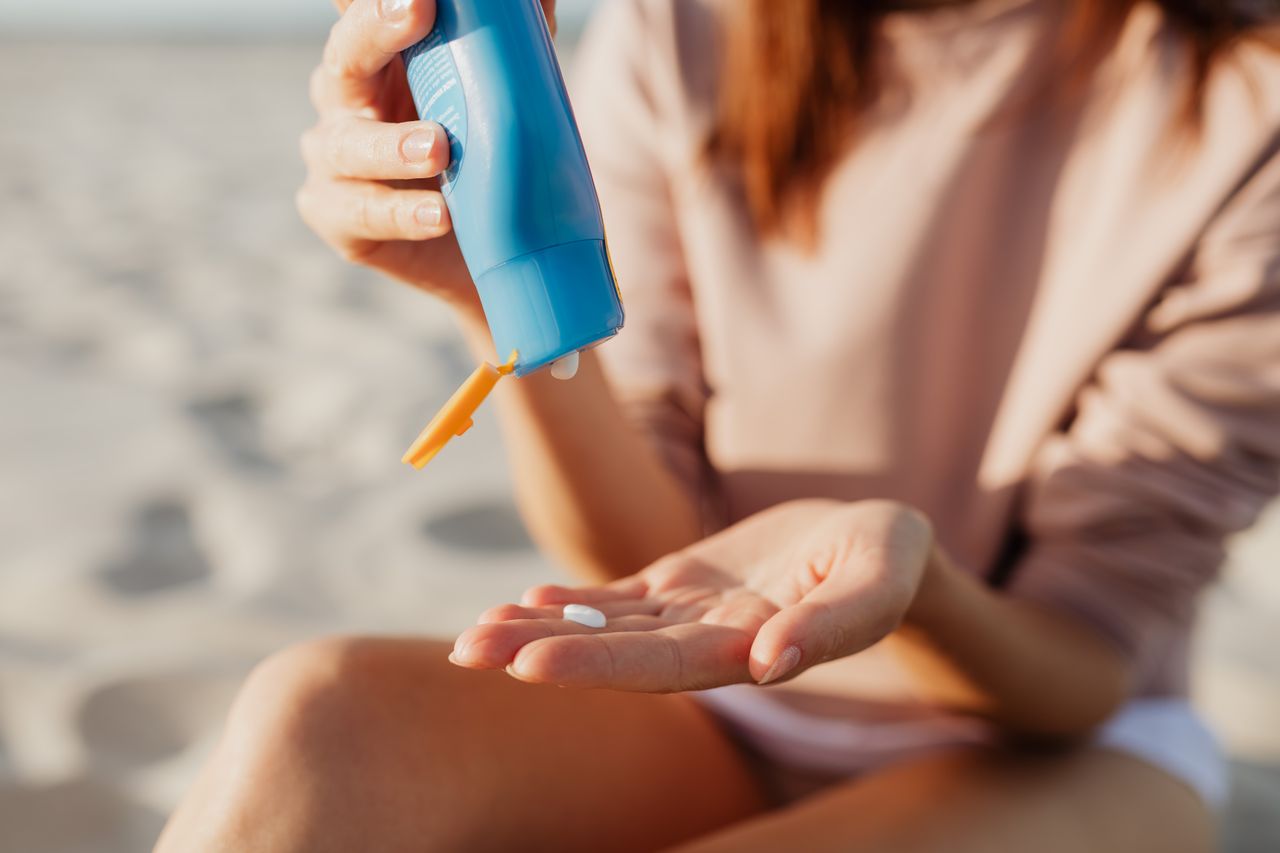
A Long-Awaited Change In American Sunscreens
The approval of bemotrizinol represents a significant moment for sunscreen regulation in the United States. The ingredient has already been used in many countries around the world and has built a reputation for delivering broad-spectrum protection against both UVA and UVB rays. Its long history of international use has given researchers and health professionals substantial data regarding its effectiveness and safety.
For decades, American sunscreen formulas have relied on a relatively small group of approved active ingredients. During that same period, researchers in Europe and other regions continued developing and testing newer UV filters designed to improve both performance and user experience. As a result, consumers outside the United States often gained access to products featuring more advanced combinations of protective ingredients.
The result was a growing gap between products available in the United States and those sold internationally. Consumers who traveled abroad often discovered sunscreens that felt lighter on the skin, provided longer-lasting protection, and offered broader coverage against ultraviolet radiation. These differences sparked ongoing discussions among dermatologists and consumer advocates about the need for updated sunscreen options in the American market.
The FDA’s decision signals a willingness to expand the range of tools available for sun protection. While sunscreen remains only one part of a healthy skin care routine, experts believe additional options can help people find products they are more likely to use consistently. Greater variety may also encourage manufacturers to develop formulas that better meet the needs of different skin types and lifestyles.
What Exactly Is Bemotrizinol?
Bemotrizinol is a chemical UV filter designed to absorb a wide range of ultraviolet light before it can damage the skin. Unlike some older ingredients that primarily target a narrower portion of the UV spectrum, bemotrizinol provides protection across both UVA and UVB wavelengths. This broad coverage is one of the main reasons it has become a popular ingredient in many international sunscreen formulations.
This distinction matters because different types of ultraviolet radiation affect the skin in different ways. UVB rays are often associated with sunburn, while UVA rays penetrate deeper into the skin and contribute to premature aging and long-term skin damage. Effective protection against both forms of radiation is considered essential for maintaining healthy skin over time.
Researchers have been studying bemotrizinol for years, and it has become a common ingredient in many international sunscreen products. Its popularity stems from its ability to remain stable when exposed to sunlight, helping maintain effectiveness during outdoor activities. Stability is an important characteristic because some sunscreen ingredients can lose effectiveness after prolonged exposure to UV rays.
Another advantage is that bemotrizinol works well alongside other sunscreen ingredients. Manufacturers can combine it with existing UV filters to create formulas that deliver broader protection without significantly increasing irritation or discomfort for users. This flexibility gives product developers more opportunities to create sunscreens that are both effective and pleasant to wear.

Why Dermatologists Are Paying Attention
Skin cancer remains one of the most common forms of cancer in the United States. Health experts consistently emphasize that regular sunscreen use is one of the simplest steps people can take to reduce unnecessary exposure to ultraviolet radiation. Because of this, any advancement that improves sunscreen performance tends to attract significant attention from the medical community.
One reason dermatologists are optimistic about bemotrizinol is its strong UVA protection. Many skin care professionals have argued that UVA exposure deserves greater attention because of its role in skin aging and cumulative damage over time. Improved UVA coverage may help address concerns that have long existed regarding comprehensive daily sun protection.
Daily sun exposure often happens without people realizing it. Walking a dog, driving to work, sitting near a sunny window, or running errands can all contribute to ongoing UV exposure throughout the year. Even on cloudy days, ultraviolet rays can reach the skin, making consistent protection an important part of a healthy routine.
Experts hope that expanding sunscreen options will encourage more people to find products they enjoy wearing. Consistency remains one of the biggest challenges in sun protection, and a sunscreen that feels comfortable on the skin is more likely to become part of a daily habit. Increased consumer satisfaction could ultimately lead to better long-term protection and healthier skin outcomes.
Why The Approval Took So Long
Many consumers have wondered why an ingredient that has been available internationally for years took so long to reach the American market. The answer lies largely in the regulatory process that governs sunscreen ingredients in the United States. Because sunscreens are regulated as over-the-counter drugs, manufacturers must meet strict requirements before new active ingredients can be approved.
The FDA reviews extensive scientific data related to safety, effectiveness, and long-term use before allowing a new ingredient to enter the market. This process is designed to protect consumers, but it can also take many years to complete. As a result, sunscreen innovation has often moved more slowly in the United States than in other countries.
Supporters of regulatory reform have argued that Americans should have faster access to ingredients that have already demonstrated strong safety records abroad. They point out that millions of people around the world have used products containing bemotrizinol for years without widespread concerns.
At the same time, health experts emphasize that careful review remains important. The challenge has always been finding the right balance between encouraging innovation and ensuring public safety. The approval of bemotrizinol suggests progress toward expanding options while maintaining rigorous standards.

What This Means For Consumers
The approval of a new sunscreen ingredient does not mean every sunscreen product will immediately change overnight. Manufacturers will still need time to develop, test, and distribute products that include bemotrizinol. Consumers may gradually begin seeing new formulations appear on store shelves over the coming months and years.
For shoppers, the biggest benefit may be increased choice. Different people have different skin concerns, preferences, and sensitivities. Having access to a wider range of ingredients allows companies to create products tailored to specific needs.
Some consumers avoid sunscreen because they dislike heavy textures or greasy finishes. Others struggle to find products that work well under makeup or during outdoor activities. New formulations that incorporate bemotrizinol may help address some of these concerns while maintaining strong UV protection.
Experts stress that the best sunscreen is ultimately the one a person will use consistently. Whether a product contains bemotrizinol or another approved ingredient, regular application remains one of the most important factors in effective sun protection.

How Better Sun Protection Supports Long-Term Health
When most people think about sunscreen, they think about avoiding a painful sunburn. While preventing burns is important, the benefits of sun protection extend much further than a single day at the beach. Regular sunscreen use can play a meaningful role in preserving skin health throughout a person’s lifetime.
Repeated ultraviolet exposure can gradually break down collagen and elastin, two proteins responsible for keeping skin firm and resilient. Over time, this process contributes to wrinkles, discoloration, and other visible signs of aging. Protecting the skin from excessive UV exposure may help slow some of these changes and support a more youthful appearance.
Sun exposure also plays a major role in the development of certain skin cancers. Although no sunscreen can eliminate risk entirely, proper use can significantly reduce the amount of harmful UV radiation reaching the skin. Combined with other protective measures, sunscreen remains one of the most effective tools available for reducing unnecessary sun damage.
For health-conscious individuals, sunscreen serves a similar purpose as other preventive wellness habits. Just as people exercise regularly or prioritize nutritious meals, protecting the skin can be viewed as a long-term investment in overall health. The arrival of new ingredients like bemotrizinol may provide even more opportunities for people to make sun protection a consistent part of their daily lives.
Source
Office of the Commissioner. (2026, June 9). FDA expands sunscreen options for the first time in 20 years. U.S. Food And Drug Administration. https://www.fda.gov/news-events/press-announcements/fda-expands-sunscreen-options-first-time-20-years