
Tiny red dots on the skin can appear suddenly or develop gradually over time, and their presence often leads people to wonder whether something serious is happening. These spots may look flat or slightly raised, and their color can range from bright red to darker shades depending on skin tone and underlying cause. In many situations, they are harmless and represent common skin changes that occur with age or minor vascular activity. Observing their size, shape, and behavior over time helps you understand whether they remain stable or change.
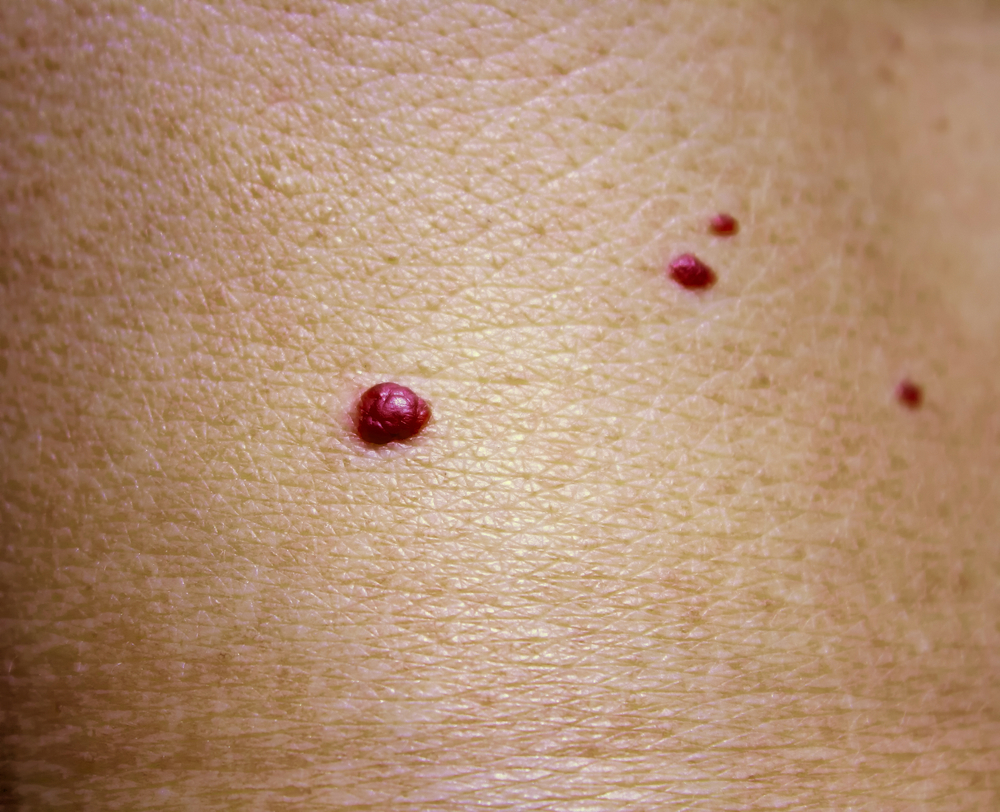
One common type of tiny red dot is a cherry angioma, which is a small cluster of blood vessels visible on the surface of the skin. These marks often appear on the torso, arms, shoulders, or even the scalp, and they tend to become more frequent as people grow older. Cherry angiomas are typically smooth, round, and may slightly raise above the skin surface. They do not usually cause pain, itching, or discomfort, and in most cases, they do not require medical treatment.
Another possible cause is petechiae, which are very small red or purple spots that result from minor bleeding under the skin. Unlike other types of red marks, petechiae do not fade when pressure is applied, which can help distinguish them from temporary redness. They may appear in clusters and can be triggered by physical strain, such as coughing or vomiting. However, if they appear without a clear reason, they may warrant medical evaluation to rule out underlying conditions.
Paying attention to changes in your skin is an important part of maintaining overall wellness. Keeping track of when spots appear, how long they last, and whether they spread provides useful information for healthcare discussions. While many red dots are benign, consistent monitoring allows you to notice patterns early. If uncertainty arises, consulting a healthcare professional ensures you receive accurate guidance.
Common Causes of Small Red Spots
Cherry angiomas are among the most frequently diagnosed causes of tiny red dots in adults, and they are considered benign skin growths. Their development is often linked to aging, though genetics may also influence their appearance. Over time, a person may notice an increase in the number of these spots, which is generally a normal part of skin changes. They usually remain stable and do not signal a systemic health issue.
Petechiae develop when small capillaries under the skin break and release tiny amounts of blood. This can occur after intense physical pressure, such as heavy lifting or severe coughing, which temporarily increases strain on blood vessels. In some cases, certain medications or medical conditions affecting blood clotting may contribute to their formation. Because petechiae can sometimes indicate more significant concerns, seeking medical advice is recommended if they appear unexpectedly or are accompanied by other symptoms.
Heat rash is another condition that may create small red bumps, especially in warm or humid environments. When sweat becomes trapped beneath the skin, irritation and redness can develop, leading to clusters of tiny spots. This type of rash often resolves once the skin is kept cool and dry. Wearing breathable clothing and maintaining proper hygiene can help reduce the likelihood of recurrence.
Allergic reactions may also produce red spots, particularly if the skin encounters a new product, food, or environmental trigger. These reactions are often accompanied by itching, swelling, or mild discomfort, depending on the individual’s sensitivity. Identifying and avoiding the trigger is a key step in preventing future episodes. If symptoms persist or worsen, professional evaluation can help determine the appropriate course of action.
When to Seek Medical Advice
Although many tiny red dots are harmless, certain warning signs should prompt medical attention. If the spots appear suddenly, spread rapidly, or are associated with systemic symptoms such as fever or unexplained fatigue, a healthcare provider should evaluate the situation. These additional symptoms may indicate an underlying infection or other medical concern. Early consultation allows for timely diagnosis and treatment if needed.
Persistent petechiae without an identifiable cause should also be assessed by a professional. Since these spots can sometimes relate to blood clotting disorders, infections, or other internal conditions, medical testing may be necessary to determine the reason. A healthcare provider can perform physical examinations and recommend laboratory evaluations when appropriate. This process ensures that any serious issue is identified and managed properly.
Changes in existing spots deserve attention as well. If a red dot begins to grow quickly, becomes painful, bleeds easily, or changes in appearance, it is important to have it examined. While most changes remain benign, professional evaluation helps rule out rare but serious conditions. Regular skin assessments can provide reassurance and maintain awareness of overall skin health.
Listening to your body is an essential part of preventive care. When something looks or feels unusual, seeking guidance rather than ignoring it supports long-term wellness. Timely medical advice helps you make informed decisions about your health. Being proactive reduces uncertainty and promotes confidence in your care choices.
Supporting Skin Health Through Lifestyle
Skin health is closely connected to overall lifestyle habits, including nutrition and hydration. Consuming a balanced diet that includes fruits, vegetables, whole grains, lean proteins, and healthy fats supplies essential vitamins and minerals. These nutrients contribute to skin structure, repair processes, and general resilience. A consistent and varied diet supports not only the skin but the entire body.
Adequate hydration is another important factor in maintaining healthy skin. Water supports cellular function, helps regulate body temperature, and contributes to skin moisture balance. While drinking water will not prevent all skin conditions, it supports the optimal function of tissues throughout the body. Making hydration a daily habit can positively influence overall well-being.
Sleep also plays a significant role in skin maintenance. During restful sleep, the body carries out repair processes that support tissue renewal and hormone balance. Insufficient sleep may affect skin appearance and overall energy levels. Establishing a consistent sleep schedule promotes recovery and contributes to general health stability.
Managing stress is equally valuable for maintaining healthy skin. Chronic stress can influence immune function and inflammatory responses, which may affect skin conditions. Incorporating relaxation techniques such as deep breathing, meditation, or gentle physical activity can support balance. These practices encourage both mental clarity and physical wellness.
Supporting Lifelong Skin Health
Tiny red dots on the skin are common and often harmless, especially when they are cherry angiomas that remain stable over time. Petechiae and other causes may require medical evaluation if they appear suddenly or are associated with additional symptoms. Careful observation and awareness allow you to respond appropriately to changes. Understanding the differences between these conditions supports informed health decisions.
By maintaining balanced nutrition, proper hydration, adequate sleep, and stress management, you support overall skin wellness. Regular skin checks and timely consultations with healthcare professionals contribute to preventive care. When uncertainty arises, seeking medical advice ensures clarity and safety. With awareness and healthy habits, you can approach skin changes with confidence and calm.
An important part of skin wellness is understanding that most visible changes are not emergencies. Staying informed about common conditions such as cherry angiomas and petechiae helps reduce unnecessary worry and supports balanced decision-making. When you combine awareness with healthy daily habits, you create a strong foundation for long-term skin health. If you ever feel uncertain about a skin change, reaching out to a qualified healthcare professional is a responsible and reassuring step.