For decades, treating opioid addiction has required patience, persistence, and a combination of medications, counseling, and long-term support. Recovery is rarely straightforward, especially for people who became dependent after taking prescription pain medications for legitimate medical conditions. While these treatments have helped many individuals rebuild their lives, relapse remains common, and researchers continue searching for safer and more effective options.
A recent breakthrough from Israel is generating excitement among addiction specialists. Doctors at Rambam Health Care Campus successfully treated an opioid-dependent patient using an innovative form of focused ultrasound that required no surgery, implants, or incisions. Even more remarkable, the treatment itself lasted only about 20 minutes.
Although the findings come from an ongoing clinical trial involving a limited number of participants, they suggest a future in which doctors may be able to directly influence the brain circuits responsible for addiction without invasive procedures. Here’s what happened, how the technology works, and why experts believe this approach could eventually transform addiction treatment.
A Pain Prescription That Turned Into Years of Dependence
The patient, identified only as H., was a man in his forties who initially began taking opioid medications after suffering a serious neck injury. Like many patients experiencing severe pain, opioids helped manage his symptoms during recovery.
Eventually, his physical pain improved. Unfortunately, his dependence on the medication did not.
Over time, his body became so accustomed to opioids that he reportedly consumed around 130 pills each day. According to physicians involved in his care, he no longer relied on the medication for pain relief. Instead, his brain required the drug simply to feel normal and avoid withdrawal symptoms.
This pattern is common among people living with opioid use disorder. Prescription opioids activate reward pathways inside the brain, releasing dopamine and reinforcing behaviors that encourage repeated use. As tolerance develops, increasingly larger doses may be required to produce the same effect, making it difficult to stop even after the original injury has healed.
Millions of people around the world have experienced similar struggles. While opioid medications remain valuable for treating acute pain and certain chronic conditions, prolonged use significantly increases the risk of dependence in susceptible individuals.
How Focused Ultrasound Targets the Brain Without Surgery
Unlike traditional brain surgery, the new treatment does not require an incision or implanted device.
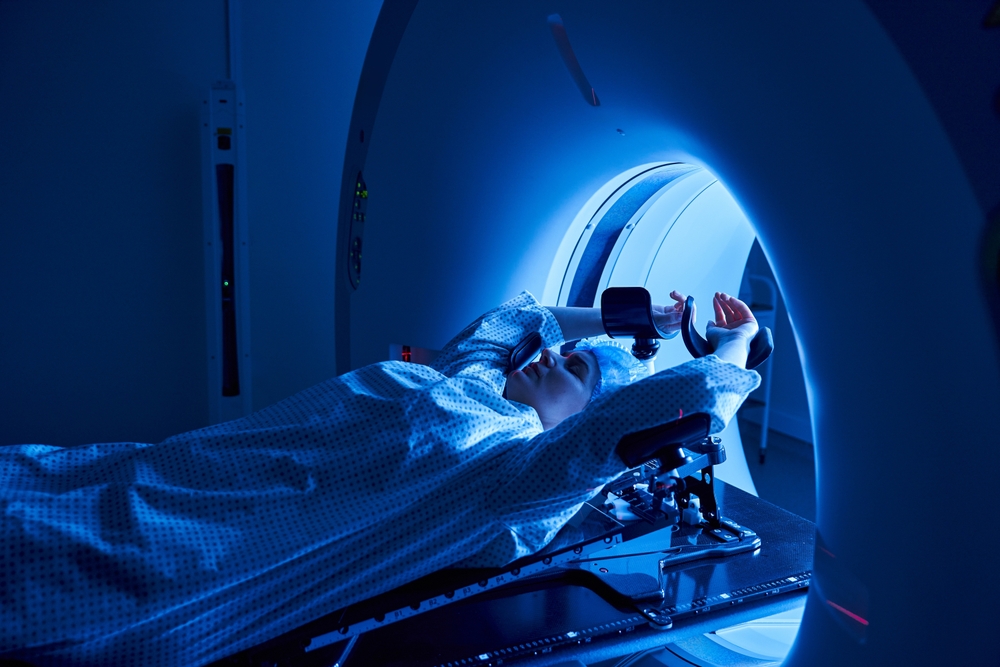
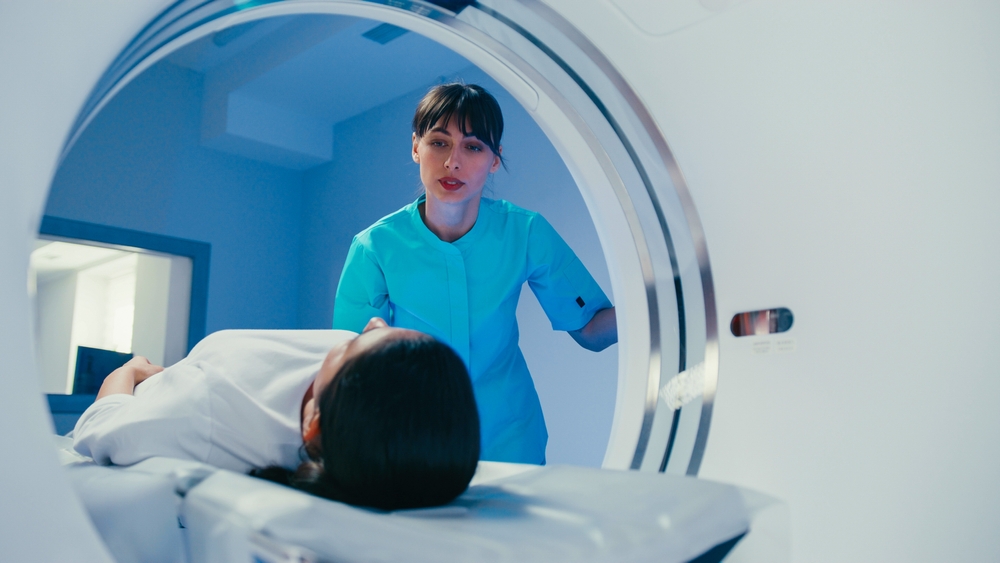
Instead, doctors use magnetic resonance imaging (MRI) guidance together with highly focused ultrasound waves to reach a small structure deep inside the brain called the nucleus accumbens.
The nucleus accumbens is considered one of the central hubs of the brain’s reward system. It helps regulate:
- Pleasure and reward
- Motivation
- Reinforcement of behaviors
- Cravings
- Decision-making related to addictive substances
Previous research has shown that this region becomes highly active during substance dependence. Because of its involvement in craving and reward, scientists have long viewed it as an attractive target for addiction therapies.
Earlier forms of focused ultrasound have already been approved for treating conditions such as essential tremor and Parkinsonian tremor by destroying tiny areas of abnormal brain tissue. The new technology used in this study takes a different approach.
Rather than heating or permanently damaging brain tissue, the ultrasound temporarily alters electrical activity inside the targeted brain region. Researchers describe this as neuromodulation; a process that changes how nerve cells communicate without creating permanent injury.
This distinction is important because it opens the possibility of treating sensitive brain circuits while minimizing risks associated with surgery or irreversible procedures.

What Happened During the 20-Minute Treatment?
The treatment itself was surprisingly brief.
Using MRI guidance, physicians carefully directed focused ultrasound toward the patient’s nucleus accumbens while monitoring the brain throughout the procedure. According to the research team, they observed an immediate reduction in the patient’s craving for opioids during the session.
The encouraging results continued after treatment.
One week later:
- Drug screening tests were negative for opioids and other substances.
- The patient rated his opioid craving as zero on a ten-point scale.
- He remained free from opioid medications.
- He also reported dramatically reduced cigarette consumption, dropping from approximately three packs per day to only a few cigarettes daily.
- His interest in drinking alcohol also declined.
Although researchers did not specifically design the treatment to address nicotine or alcohol use, these unexpected observations suggest that modifying the brain’s reward circuitry could potentially influence multiple addictive behaviors.
Whether these additional effects can be consistently reproduced remains unknown, and future studies will be needed before drawing firm conclusions.
Why Current Treatments Don’t Work for Everyone
Managing opioid addiction often requires a combination of medical care and behavioral support.
Current treatment strategies generally fall into two categories.
The first involves gradually reducing opioid doses until the patient eventually stops taking them. Unfortunately, long-term success rates remain relatively low, and many people relapse after completing withdrawal.
The second relies on medications such as methadone or buprenorphine. These medicines activate the same opioid receptors in safer, controlled ways, helping reduce withdrawal symptoms and cravings while lowering overdose risk.
These medications have saved countless lives and remain the standard of care for opioid use disorder. However, they are not effective or suitable for every patient. Some individuals struggle with long-term adherence, while others continue experiencing psychological cravings even after physical withdrawal has ended.
Researchers involved in the Israeli study believe the new ultrasound approach addresses a different aspect of addiction by acting directly on the neural networks responsible for craving rather than replacing one opioid with another.
If future studies confirm these findings, focused ultrasound could eventually become another option alongside existing evidence-based treatments rather than replacing them.
Could This Technology Help Other Brain Disorders?
Although the current clinical trial is focused on opioid dependence, researchers believe the technology may have applications that extend far beyond addiction.
The same brain networks involved in reward and motivation are also associated with several neurological and psychiatric conditions. Scientists are investigating whether focused ultrasound neuromodulation could eventually become part of treatment strategies for disorders such as:
- Obsessive-compulsive disorder (OCD)
- Post-traumatic stress disorder (PTSD)
- Major depressive disorder
- Eating disorders
- Chronic pain syndromes
- Other substance use disorders
Researchers also see potential in cognitive and neurodegenerative diseases. Conditions such as attention-deficit/hyperactivity disorder (ADHD), Alzheimer’s disease, and Parkinson’s disease involve disruptions in brain circuits that regulate movement, attention, memory, and motivation. While focused ultrasound is not a cure for these conditions, the ability to influence deep brain activity without surgery opens new possibilities for future research.
Unlike medications that circulate throughout the body and may affect many organs, targeted neuromodulation aims to influence only the specific brain regions involved in disease. That precision is one reason the technology has attracted growing attention in neuroscience.
Still, these possibilities remain under investigation. Each condition involves different biological mechanisms, meaning success in one disorder does not guarantee similar results in another.
Why Researchers Are Excited,But Also Cautious
The outcome seen in this patient is encouraging, but it should be viewed within the context of an early-stage clinical trial.
The Israeli participant was the twenty-second patient enrolled in the international study. While his results were dramatic, larger studies involving many more participants will be necessary before doctors know how consistently the treatment works.
Researchers will need to answer several important questions, including:
- How long does the reduction in cravings last?
- Will some patients require repeat treatments?
- Which patients benefit the most?
- What are the long-term safety outcomes?
- How does focused ultrasound compare with existing addiction treatments?
Another important consideration is that opioid addiction affects more than brain chemistry alone. Emotional health, trauma, mental illness, social support, and environmental factors all influence recovery. Even if focused ultrasound proves highly effective at reducing cravings, experts expect that counseling, behavioral therapy, and ongoing medical care will continue to play essential roles in helping people maintain long-term recovery.
Rather than replacing established treatments, this technology could eventually become another valuable tool within a comprehensive addiction care program.
Supporting Recovery Through Everyday Habits
While scientists continue studying new medical technologies, there are many evidence-based habits that support recovery and overall brain health.
If you or someone you know is recovering from opioid dependence, these strategies may complement professional treatment:
Stay Connected With Your Care Team
Regular follow-up visits allow healthcare providers to monitor progress, adjust medications if necessary, and identify early signs of relapse.
Prioritize Mental Health
Depression, anxiety, chronic stress, and unresolved trauma often increase the risk of substance misuse. Therapy and peer support groups can help address the emotional side of recovery.
Keep Moving
Regular physical activity stimulates natural endorphins and dopamine, chemicals that help improve mood and reduce stress. Even daily walks can make a meaningful difference.
Choose Foods That Support Brain Health
A balanced diet rich in vegetables, fruits, whole grains, legumes, healthy fats, and lean proteins provides nutrients that support healthy brain function and recovery.
Build Healthy Daily Routines
Consistent sleep schedules, structured activities, hobbies, and meaningful social interactions help reduce boredom and stress, both of which are common relapse triggers.
Don’t Stop Treatment Too Soon
Recovery often takes time. Continuing counseling, support groups, or medication-assisted treatment when recommended gives many people the best chance of long-term success.
A New Chapter in Addiction Medicine?
For families affected by opioid addiction, stories like this offer cautious optimism.
A treatment capable of reducing cravings through a brief, non-invasive procedure would represent a remarkable advance if future research confirms these early findings. By targeting the brain circuits involved in addiction rather than simply managing withdrawal symptoms, focused ultrasound could add an entirely new dimension to addiction care.
At the same time, it’s important to remember that this technology remains experimental. The impressive recovery of one patient does not guarantee the same outcome for everyone, and larger clinical trials will determine whether these promising results can be repeated across diverse patient populations.
For now, the study offers an encouraging glimpse into what the future of addiction medicine might look like; one where highly targeted brain therapies work alongside counseling, medications, and healthy lifestyle changes to help people regain control of their lives.
Sources:
- Mmayes. (2025, July 17). Focused ultrasound for opioid addiction: New clinical trial results published. Focused Ultrasound Foundation. https://www.fusfoundation.org/posts/focused-ultrasound-for-opioid-addiction-new-clinical-trial-results-published/?
- ClinicalTrials.gov. (n.d.). https://clinicaltrials.gov/study/NCT04197921