
Doctors in Colombia believed they were confronting an aggressive case of cancer when a 41-year-old man living with HIV developed tumors in his lungs and lymph nodes. He had been experiencing persistent fever, coughing, and unexplained weight loss for several months, symptoms that commonly raise red flags for serious infection or malignancy in immunocompromised patients. Imaging scans showed masses that appeared strikingly similar to conventional human tumors. Given his medical history and weakened immune system, cancer seemed like a plausible diagnosis. Yet when biopsy samples were examined more closely, the results puzzled physicians and set off a chain of investigations that would take years to unravel.
What scientists eventually discovered was something no one had documented before. The rapidly dividing cells inside the tumors were not human cells at all. They originated from a tapeworm living inside the patient’s body. Researchers at the Centers for Disease Control and Prevention confirmed that the cells came from Hymenolepis nana, the dwarf tapeworm. This became the first known case of a person becoming ill from cancer cells that developed within a parasite and then invaded human tissue. The findings, published in the November 5 issue of The New England Journal of Medicine, raised concern that similar cases might be misdiagnosed as human cancer, especially in regions where parasitic infections and immune suppressing illnesses such as HIV are widespread.
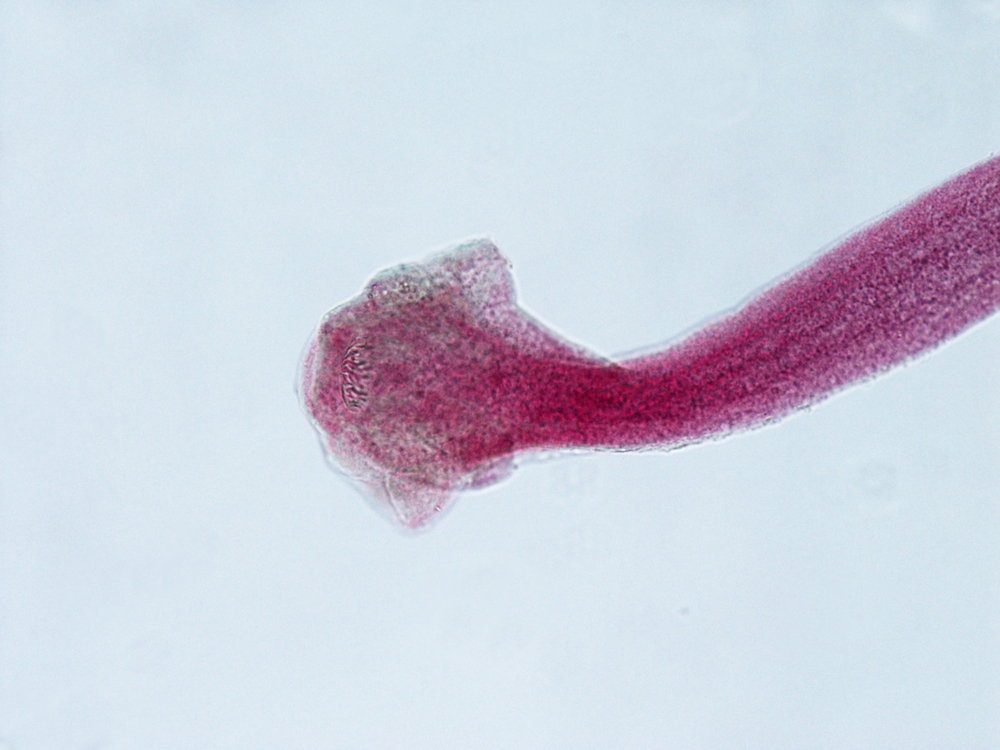
The Case That Confounded Doctors
The man had been diagnosed with HIV more than a decade earlier but was not taking antiretroviral medication, leaving his immune system severely compromised. When Colombian doctors performed biopsies of the tumors, they noticed something unusual under the microscope. The cells multiplied quickly and crowded into tight spaces, which is behavior consistent with malignant cancer. However, the cells were approximately ten times smaller than typical human cancer cells. Researchers also observed that some of the cells appeared fused together, a feature rarely seen in human tumors. These irregularities led doctors to seek assistance from the CDC’s Infectious Diseases Pathology Branch, a unit dedicated to investigating unexplained illnesses and deaths.
Initial laboratory studies at the CDC revealed that the cancer like cells were not human, which only deepened the mystery. Scientists questioned whether they were dealing with an unusual form of cancer or perhaps an unknown infectious agent. Over the next several years, researchers conducted dozens of tests in an effort to identify the source of the abnormal cells. Eventually, they detected DNA from H. nana inside the tumor tissue. Dr. Atis Muehlenbachs, a staff pathologist and lead author of the study, described the moment of realization by saying, “We were amazed when we found this new type of disease – tapeworms growing inside a person essentially getting cancer that spreads to the person, causing tumors.” Tragically, the patient died just 72 hours after the diagnosis was confirmed, bringing a somber end to an extraordinary medical investigation.
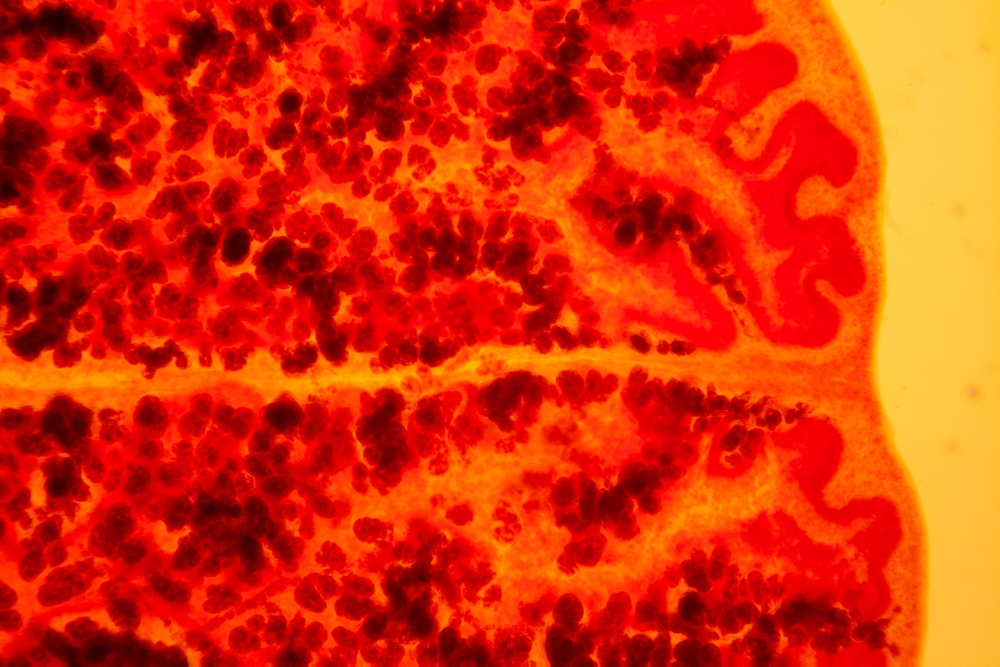
Understanding Hymenolepis Nana Infection
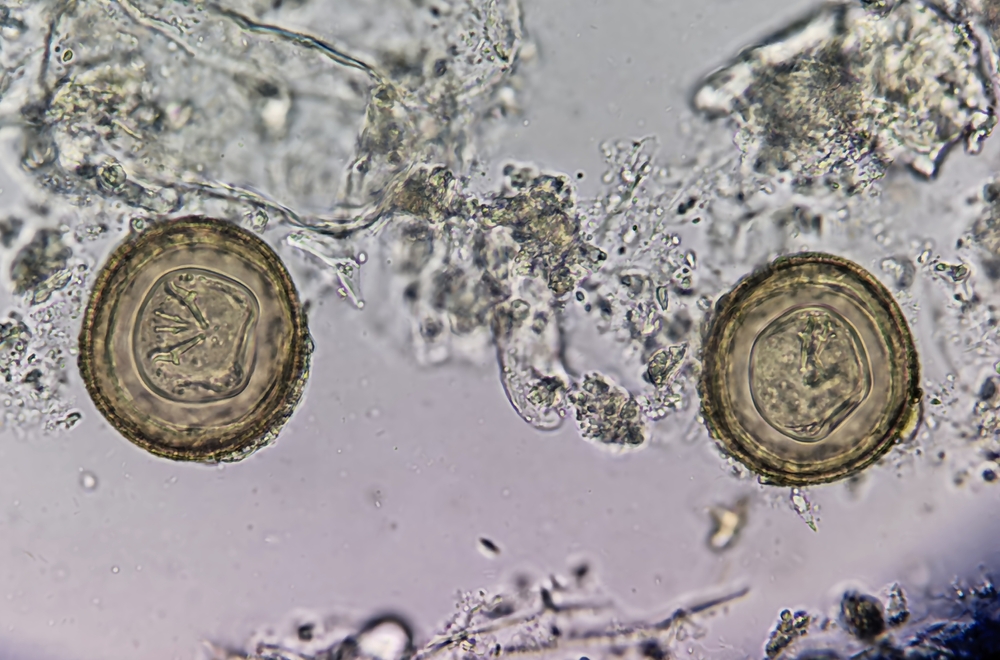
Hymenolepis nana is the most common tapeworm infecting humans, with an estimated 75 million people infected worldwide at any given time. The parasite spreads through ingestion of contaminated food or water, exposure to infected fecal matter, or accidental consumption of infected insects. In many cases, particularly among children, infection produces mild or no symptoms at all. Because of this, individuals may carry the parasite without realizing it. The infection is most prevalent in areas where sanitation and handwashing practices are limited, which increases opportunities for transmission.
One unique characteristic of H. nana is its ability to complete its entire life cycle within a single human host. Unlike many other tapeworm species that require intermediate hosts, this parasite can develop from egg to adult entirely inside the small intestine. This internal lifecycle allows the worm population to expand within the body, particularly when the immune system is unable to suppress it effectively. In individuals with untreated HIV or those taking immunosuppressive medications, the parasite can proliferate more extensively because immune defenses are weakened. Researchers theorize that the mechanisms enabling H. nana to evade immune detection may also have allowed its mutated cells to multiply unchecked in this patient.

How Parasite Cells Became Cancerous
Cancer arises when cells acquire mutations that disrupt normal growth regulation, leading to uncontrolled division and spread. In this case, the malignant transformation occurred within the parasite’s own cells rather than the patient’s tissues. Scientists hypothesize that as the tapeworm multiplied inside the man’s intestine, some of its cells accumulated genetic mutations. Because the patient’s immune system was compromised by HIV, these abnormal parasite cells were not effectively eliminated. Over time, the mutated cells continued dividing and eventually invaded surrounding tissues, forming tumor like masses in the lungs and lymph nodes.
The tumors behaved in ways that closely resembled human cancer. They multiplied rapidly and formed dense clusters of cells. However, their unusually small size and distinct genetic signature revealed their true origin. Dr. Muehlenbachs emphasized the rarity of this phenomenon, stating, “We think this type of event is rare. However, this tapeworm is found worldwide and millions of people globally suffer from conditions like HIV that weaken their immune system. So there may be more cases that are unrecognized. It’s definitely an area that deserves more study.” His statement reflects both the extraordinary nature of the case and the possibility that similar instances could go undetected without advanced diagnostic testing.
Implications For Diagnosis And Treatment
This discovery presents challenges for both diagnosis and treatment. In regions where access to advanced molecular testing is limited, tumors caused by parasite derived cells could be mistaken for conventional human cancer. Under routine microscopic examination, the growth patterns appear similar. Without DNA analysis, distinguishing between human and parasite cells would be extremely difficult. This raises concern about potential misdiagnosis in developing countries where both H. nana infection and HIV are prevalent.
Treatment options remain uncertain. Medications typically used to treat tapeworm infections may not eliminate cancerous parasite cells once they have spread beyond the intestine. At the same time, it is unclear whether standard chemotherapy designed to target human cancer cells would effectively destroy malignant parasite tissue. Researchers have suggested that human cancer treatments might offer some benefit, but more research is needed before clear guidance can be established. This case underscores the importance of immune system health and early HIV treatment, which significantly reduces the risk of opportunistic infections and unusual disease presentations.

Prevention And Immune Protection
Preventing H. nana infection depends largely on sanitation and hygiene practices. Washing hands thoroughly with soap and warm water before eating or preparing food is one of the most effective preventive measures. When traveling in areas where sanitation infrastructure may be limited, washing, peeling, or cooking fruits and vegetables with safe water can reduce exposure risk. Avoiding food contaminated by rodents or insects further lowers the likelihood of infection. Public health efforts aimed at improving sanitation and access to clean water remain essential in controlling tapeworm transmission worldwide.
Maintaining a strong immune system also plays a critical role in preventing complications from parasitic infections. For individuals living with HIV, consistent use of antiretroviral therapy helps preserve immune function and reduce vulnerability to opportunistic pathogens. Adequate nutrition, sufficient sleep, and stress management support overall immune resilience. While parasite derived cancer remains extraordinarily rare, this case serves as a reminder that weakened immunity can create conditions where uncommon medical events become possible. Protecting immune health and practicing good hygiene remain foundational strategies for reducing infectious disease risk.




两性资源
Saturday 21st of March 2026
看不懂但大受震撼
Ramona Bradley
Wednesday 18th of February 2026
Simply wish to say your article is as amazing. The clearness in your post is just nice and i could assume you're an expert on this subject. Well with your permission let me to grab your feed to keep updated with forthcoming post. Thanks a million and please carry on the gratifying work.
porntude
Monday 16th of February 2026
A really good blog and me back again.