
Have you ever reached for a sugar-free protein bar, piece of gum, or candy because you thought you were making the healthier choice? Sugar-free products are often marketed as a smart way to reduce your intake of added sugar, and ingredients such as sorbitol have become common replacements for traditional sweeteners. Sorbitol is a sugar alcohol found in many reduced-sugar foods, as well as some medicines, toothpaste, and naturally in certain fruits. For years, it has generally been viewed as a relatively simple alternative to sugar. But new research is raising questions about what may happen to sorbitol after it enters the body, particularly when the bacteria living in your gut are unable to break it down efficiently.
A study published in Science Signaling in 2025 found that sorbitol could contribute to fat accumulation in the liver of zebrafish when certain gut bacteria were absent. The researchers discovered that intestinal cells can produce sorbitol from glucose and that specific bacteria appear to help break the compound down before it reaches the liver. When those bacteria were missing, more sorbitol traveled to the liver, where it was converted into a fructose-related compound associated with fat production. The findings are intriguing, but they do not mean that eating a sorbitol-containing food will cause liver disease in humans. The main experiments were conducted in fish, and researchers still need human studies to determine whether the same process occurs in people.
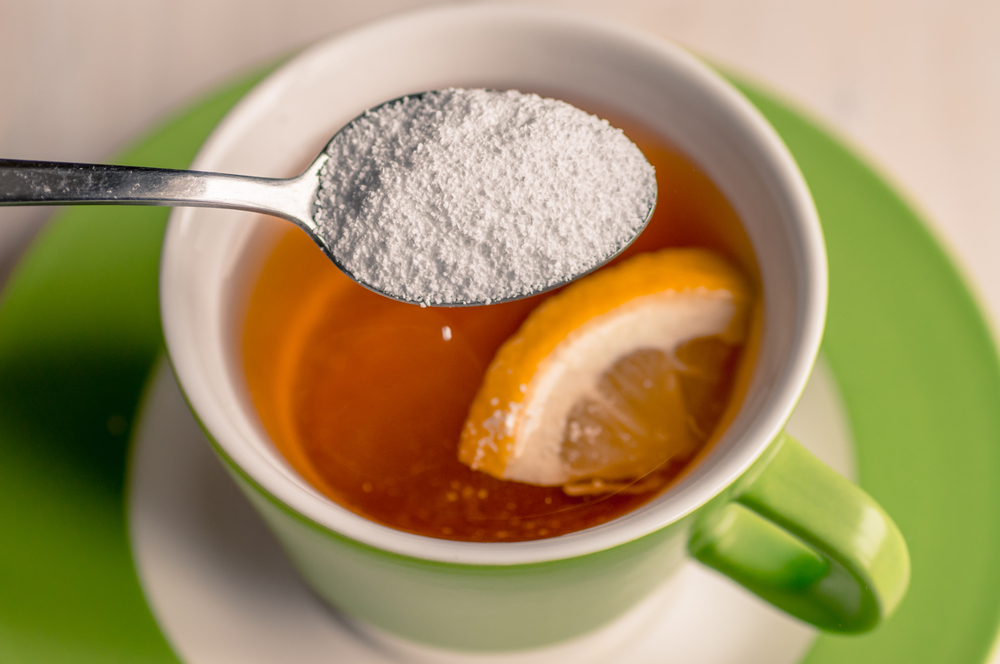
Sorbitol Is More Than Just a Sugar Substitute
Sorbitol belongs to a group of carbohydrates known as sugar alcohols, or polyols. Despite the name, it has nothing to do with alcoholic beverages. It is naturally present in fruits such as peaches, pears, apples, and prunes, but it is also manufactured and added to many commercial foods because it provides sweetness while generally contributing fewer calories than ordinary sugar. You may encounter it in sugar-free chewing gum, candies, protein bars, baked goods, desserts, and other reduced-sugar products. It is also used in some oral-care products and medications because of its physical properties and mild sweetness.
One reason sorbitol has become popular is that sugar alcohols generally have less effect on blood glucose than regular sugar. That can make them attractive to people who are trying to reduce their sugar intake. But “sugar-free” does not necessarily mean that a food is minimally processed or that it is automatically a better choice for every person. The nutritional value of the entire food still matters. A highly processed snack can contain little added sugar while still containing refined ingredients and offering relatively little fiber or nutritional value.
Sorbitol can also affect the digestive system. Your body does not absorb all of the sorbitol you consume, and larger amounts can pull water into the intestine. For some people, this may result in gas, bloating, abdominal discomfort, or diarrhea. The amount that causes symptoms varies from person to person. This digestive effect is already well recognized, but the new research adds another question: Could sorbitol behave differently in the body depending on the makeup of your gut microbiome?
That question is what makes the recent study particularly interesting. Rather than simply asking whether sorbitol itself is harmful, the researchers examined what happens to the compound after it reaches the intestine and how microorganisms living there may change its fate.
What the New Study Found About Sorbitol and the Liver
The research team, led by Gary Patti of Washington University in St. Louis, used metabolic tracing and other techniques to follow sorbitol through zebrafish. Their experiments showed that intestinal cells can make sorbitol from glucose after a meal. This is significant because it means the body is not completely dependent on dietary sorbitol from sugar-free foods. Under certain conditions, sorbitol can also be generated internally from glucose.
The researchers then examined what happened when the animals’ gut bacteria were removed. Without their normal microbiome, the fish were less able to break down sorbitol in the intestine. More of the compound reached the liver, where it underwent another metabolic conversion. According to the study, this process produced fructose-1-phosphate and promoted metabolic changes associated with the accumulation of fat in liver cells. The fish subsequently developed signs of steatotic liver disease.
The researchers also found evidence pointing toward a particular group of gut bacteria. Certain Aeromonas strains were able to use sorbitol and break it down into another compound before it could travel onward to the liver. When these bacteria were introduced into animals whose microbiomes had been depleted, the liver changes associated with sorbitol were prevented. This suggests that the gut microbiome may influence how the body handles this particular sugar alcohol.
The finding does not establish that sorbitol causes fatty liver disease in humans. Zebrafish are useful research models, but human metabolism is considerably more complex. The researchers themselves still need to determine how this process works in people and whether differences in gut bacteria meaningfully affect sorbitol metabolism in humans.
Your Gut Bacteria May Be Part of the Missing Piece
Your gut is home to a vast community of microorganisms that interact with the foods you eat. These microbes help break down compounds that your own digestive system cannot fully process, and the substances they produce can affect other parts of the body. The new sorbitol research adds another possible example of how the gut microbiome may influence what happens to a dietary compound after it enters your digestive tract.
In the zebrafish experiments, bacteria capable of breaking down sorbitol appeared to act as a kind of biological filter. They processed the compound before it could travel to the liver. When those bacteria were missing, sorbitol was able to pass through the intestine in greater amounts and reach the liver. This does not mean that having certain bacteria guarantees protection from liver disease, but it does give researchers another reason to study the relationship between diet, gut microorganisms, and metabolism.
It is also worth remembering that everyone’s gut microbiome is different. Diet, medications, age, environment, and many other factors can influence the microorganisms living in your digestive tract. Researchers do not yet know whether the specific bacteria identified in the fish study perform the same function in humans, nor do they know whether people who consume more sorbitol actually develop measurable differences in liver health because of their microbiome.
For now, the most useful takeaway is not to become afraid of every food containing sorbitol. Instead, the study is another reminder that the effects of a food ingredient may depend on the larger biological environment in which it is consumed. Your digestive system, gut microbes, liver, and overall metabolic health are connected in ways scientists are still working to understand.
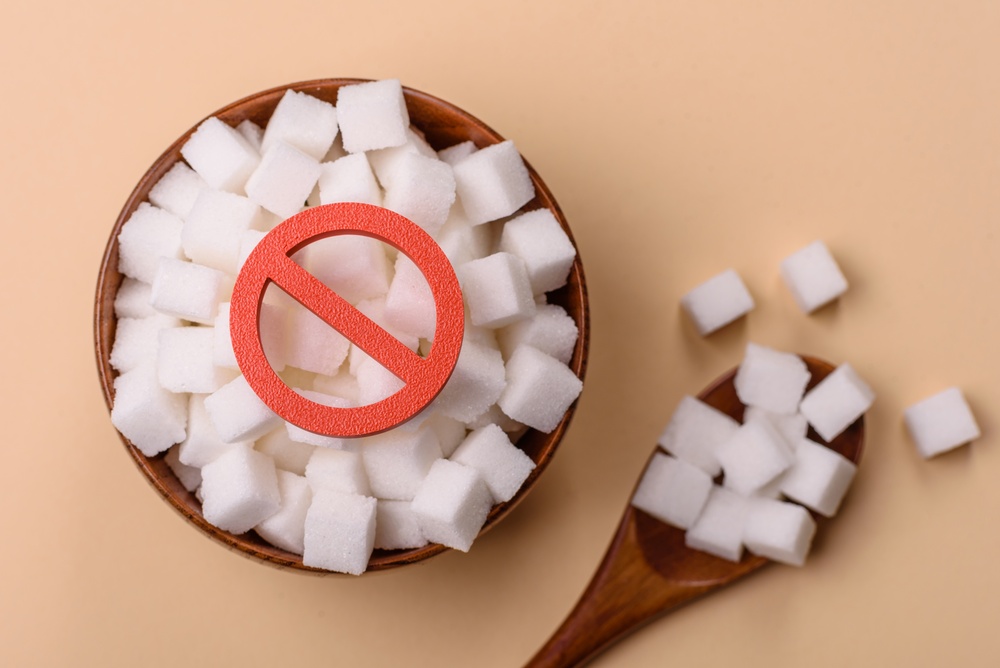
What About Diet Drinks and Fatty Liver?
The sorbitol study is not the only recent research raising questions about low- and no-sugar products. Researchers presenting findings at UEG Week 2025 examined more than 123,000 UK Biobank participants who did not have liver disease at the beginning of the study. Over a median follow-up period of 10.3 years, 1,178 participants developed metabolic dysfunction-associated steatotic liver disease, commonly called MASLD.
The researchers reported that participants consuming more than 250 grams per day of low- or no-sugar-sweetened beverages had a 60% higher relative risk of developing MASLD compared with lower consumers. Sugar-sweetened beverages were associated with a 50% higher relative risk. The low- and no-sugar beverages were also associated with a higher risk of liver-related mortality in the analysis, while the association was not statistically significant for sugar-sweetened beverages.
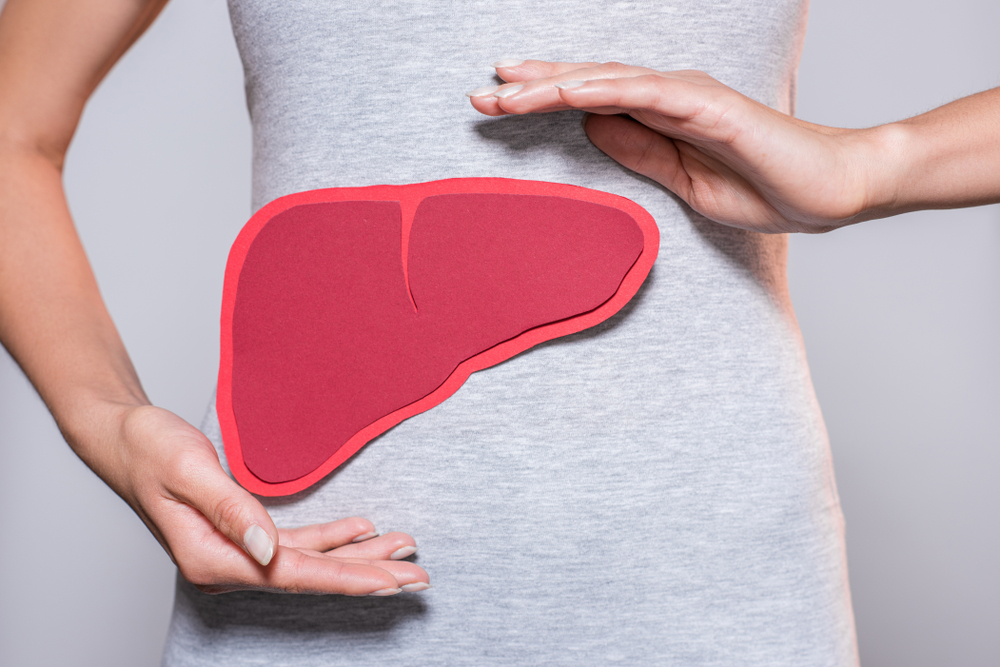
These findings deserve careful interpretation. The beverage study was observational, meaning researchers could identify an association but could not prove that the beverages caused liver disease. People who regularly drink diet beverages may differ from people who do not in other ways that affect their health. The research was also presented at a medical conference rather than published as a peer-reviewed journal article at the time of the report.
There is another reason not to lump all sugar substitutes together. The beverage research did not specifically study sorbitol, and the sorbitol research did not establish that diet drinks cause MASLD. These are separate pieces of evidence. What they share is a reason to take a closer look at the assumption that replacing sugar with an artificially or commercially sweetened product automatically makes a food or drink healthier.
Does This Mean You Should Avoid Sorbitol?
There is currently not enough evidence to recommend that everyone eliminate sorbitol. It has been used in foods for many years, and the FDA permits its use as a food ingredient. Sorbitol also occurs naturally in several fruits, which is a useful reminder that the presence of an ingredient on a label does not automatically tell you whether the food itself is healthy or unhealthy.
Instead of focusing on one ingredient, look at how often highly processed sugar-free foods appear in your diet. If you occasionally chew sugar-free gum or eat a small serving of a sorbitol-containing product, there is no evidence from this study showing that you are putting your liver at risk. The research simply does not establish that in humans.
If you regularly consume large amounts of sugar-free candies, desserts, bars, or other products containing sorbitol, however, it may be worth taking a closer look at your overall eating pattern. These foods can be easy to consume repeatedly because the “sugar-free” label can create the impression that there is little reason to limit them. Your body, however, still responds to the overall composition and quantity of what you eat.
For people who notice bloating, gas, cramping, or diarrhea after eating sugar-free foods, sorbitol may also be worth discussing with a healthcare professional. Digestive symptoms can have many causes, and it is better to identify the actual trigger than to assume that every symptom comes from one sweetener.
Simple Ways to Support Your Liver and Gut
One of the easiest changes you can make is to make plain water your primary beverage. The UK Biobank analysis found that replacing one serving of either sugar-sweetened or low/no-sugar-sweetened beverages with water was associated with a lower estimated risk of MASLD. While this does not prove that drinking water prevents liver disease, it is a practical habit that supports hydration without adding sugar or sweeteners.
Your food choices matter, too. Rather than relying heavily on packaged sugar-free products, build more meals around vegetables, whole fruits, beans, lentils, whole grains, nuts, and seeds. These foods provide fiber and a range of nutrients that support digestive and metabolic health. Whole fruit can also satisfy a sweet craving while providing fiber and water that are missing from many highly processed sweet treats.
Supporting the gut microbiome does not require a complicated supplement routine. Eating a wide variety of plant foods gives your intestinal microbes different types of fiber and other compounds to work with. You can rotate foods such as berries, leafy greens, oats, lentils, beans, onions, garlic, nuts, and seeds rather than eating the same few foods every day.
Finally, remember that liver health is influenced by much more than one sweetener. Maintaining a healthy weight when appropriate, staying physically active, limiting excessive alcohol intake, managing blood glucose, and following medical advice for conditions that affect metabolic health all matter. If you have concerns about fatty liver or have risk factors for liver disease, a healthcare professional can assess your individual situation rather than relying on an ingredient label.
Your Sugar-Free Choices May Deserve a Second Look
The story surrounding sorbitol is more complicated than “sugar-free equals healthy” or “sorbitol causes liver disease.” The new research does not prove the latter, but it does offer an interesting look at how a common sweetener can interact with the gut and liver in an animal model.
Perhaps the most useful lesson is to look beyond the front of the package. A product labeled sugar-free may still be highly processed, and replacing one ingredient with another does not automatically change the overall nutritional quality of a food. At the same time, there is no reason to panic over occasional sorbitol consumption based on a zebrafish study.
For now, choosing mostly whole foods, drinking water regularly, eating a variety of fiber-rich plants, and treating sugar-free sweets as occasional foods is a sensible approach. As researchers learn more about the gut microbiome, we may gain a better understanding of why the same food ingredient can affect different people in different ways.
The gut and liver are constantly communicating, and research like this gives scientists another piece of that puzzle. Until human studies tell us more, you can keep things simple: read the label, pay attention to how your body responds, and let your everyday diet be built around foods that nourish you rather than foods that simply promise to remove sugar.
Sources:
- Pubmed.ncbi.nlm.nih.gov. (n.d.). https://pubmed.ncbi.nlm.nih.gov/41150823/
- Shaffer, L., & Shaffer, L. (2025, November 25). Alternative sweetener sorbitol linked to liver disease. The Source. https://source.washu.edu/2025/11/alternative-sweetener-sorbitol-linked-to-liver-disease/
- Sugar-free sweeteners may still be harming your liver. (2025, December 25). ScienceDaily. https://sciencedaily.com/releases/2025/12/251217082459.htm